
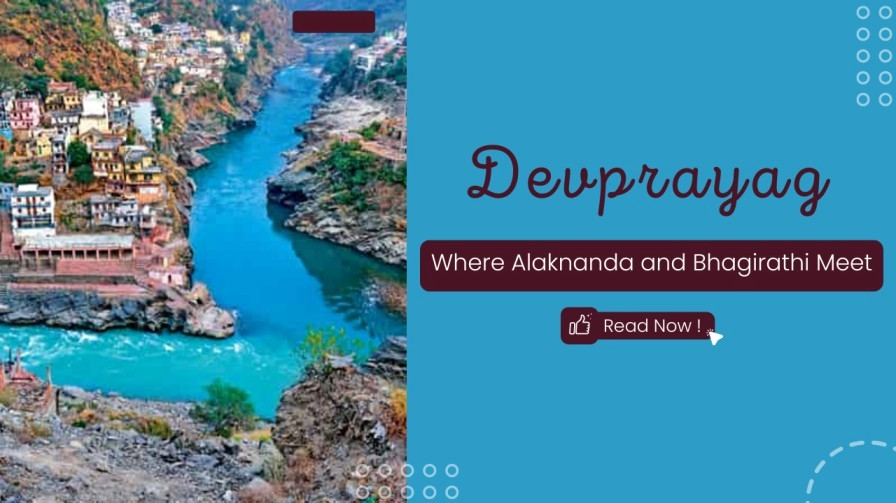
Nestled in the serene lap of the Himalayas lies Devprayag – Where Alaknanda and Bhagirathi Meet, marking the origin of the Ganga River. This sacred confluence, known as the Devprayag Sangam, is not only a geographical marvel but also a deeply spiritual destination that attracts thousands of pilgrims and travellers each year. From mythological legends to mesmerizing natural beauty, Devprayag stands as a testament to India’s divine heritage. The Confluence of Alaknanda and Bhagirathi Rivers At Devprayag, two mighty Himalayan rivers — Alaknanda and Bhagirathi — merge gracefully to form the holy Ganga River. The merging of these rivers at Devprayag symbolizes the union of knowledge and spirituality, creating one of India’s most sacred water bodies — the Ganga. Spiritual Significance of Devprayag The spiritual significance of Devprayag is rooted in ancient Hindu scriptures and mythology. It is believed that Lord Rama and King Dasharatha performed penance here to wash away their sins. The place is said to be blessed by Lord Vishnu, making it one of the holiest pilgrimage sites in India. Pilgrims believe that taking a dip in the Devprayag Sangam cleanses the soul of past karma and brings spiritual enlightenment. The Raghunathji Temple, dedicated to Lord Rama, stands as the town’s spiritual heart. Devprayag’s spiritual experience: Pilgrimage to Devprayag Uttarakhand Devprayag holds immense importance for devotees undertaking the Char Dham Yatra. It serves as a vital stop between Rishikesh and Badrinath, offering both spiritual solace and scenic beauty. Best Time to Visit Devprayag The best time to visit Devprayag depends on what you want to experience — spiritual calm, pleasant weather, or scenic river views. Summer (March to June) Monsoon (July to September) Winter (October to February) Devprayag Tourism: A Blend of Nature and Divinity Apart from its religious aura, Devprayag tourism offers a peaceful retreat for travellers seeking nature, adventure, and culture.You can explore: Nearby Attractions Around Devprayag If you’re planning a trip to Devprayag – Where Alaknanda and Bhagirathi Meet, you’ll find plenty of fascinating destinations nearby that beautifully combine spirituality, adventure, and Himalayan charm. These make your Devprayag tourism experience even more memorable. Raghunathji Temple (0 km) Located right in Devprayag town, this ancient temple is dedicated to Lord Rama. Its intricate carvings and peaceful ambiance make it the spiritual heart of the town. Rishikesh (70 km) Known as the Yoga Capital of the World, Rishikesh offers yoga retreats, river rafting, and the iconic Lakshman Jhula. It’s an ideal stop for spiritual seekers and adventure lovers alike. Srinagar Garhwal (35 km) A scenic town on the banks of the Alaknanda River, Srinagar is known for its serene ghats and the Kamleshwar Mahadev Temple. It’s also a great base for exploring the Garhwal region. Tehri Dam (60 km) One of Asia’s tallest dams, Tehri Dam is a modern engineering marvel. Visitors can enjoy water sports like jet skiing, boating, and parasailing at Tehri Lake. Chandrabadani Temple (35 km) Perched on a hilltop at 2,277 meters, this Shakti Peeth is believed to be the spot where parts of Goddess Sati fell. The panoramic view of the Garhwal Himalayas is breath-taking. Kaudiyala (50 km) A popular river-rafting site between Devprayag and Rishikesh, Kaudiyala is perfect for thrill-seekers. The Ganga’s rapids here range from Grade II to IV, offering an adrenaline-pumping experience. Origin of the Ganga River: A Divine Legacy The origin of the Ganga River at Devprayag is both a natural and spiritual phenomenon. According to mythology, the Ganga descended from heaven to cleanse the earth of sins, and it is here, at Devprayag, that her earthly journey truly begins. The sight of the turquoise Alaknanda merging with the greenish Bhagirathi is awe-inspiring a visual symbol of purity, devotion, and divine unity. Why Visit Devprayag Devprayag – Where Alaknanda and Bhagirathi Meet is a peaceful and sacred place in Uttarakhand. It’s known as the origin of the Ganga River, making it one of the most important pilgrimage sites in India. Here’s why you should visit: Whether you come for faith, peace, or nature, Devprayag Uttarakhand offers a truly divine experience. FAQs about Devprayag 1. What is special about Devprayag?Devprayag is the sacred confluence where the Alaknanda and Bhagirathi rivers meet to form the Ganga River, a major pilgrimage site in Uttarakhand. 2. Which rivers meet at Devprayag?The Alaknanda River from Badrinath and the Bhagirathi River from Gaumukh merge at Devprayag. 3. What is the best time to visit Devprayag?October to April offers the best weather for sightseeing and spiritual activities. 4. How can I reach Devprayag from Rishikesh?You can reach Devprayag by road (around 70 km), with regular taxis and buses available. 5. Is Devprayag part of the Char Dham Yatra?Yes, it is often included as a sacred stop on the Char Dham pilgrimage route in Uttarakhand. Visiting Devprayag? Here’s Why Clan Stays Is Your Best Choice Visiting Devprayag – Where Alaknanda and Bhagirathi Meet is a spiritually enriching experience, and having the right stay makes all the difference. Clan Stays offers cozy, comfortable accommodations close to the sacred Devprayag Sangam, perfect for pilgrims and travellers alike. Guests can enjoy stunning river views, warm local hospitality, and easy access to nearby temples and attractions. With Clan Stays, your Devprayag trip becomes both peaceful and memorable.
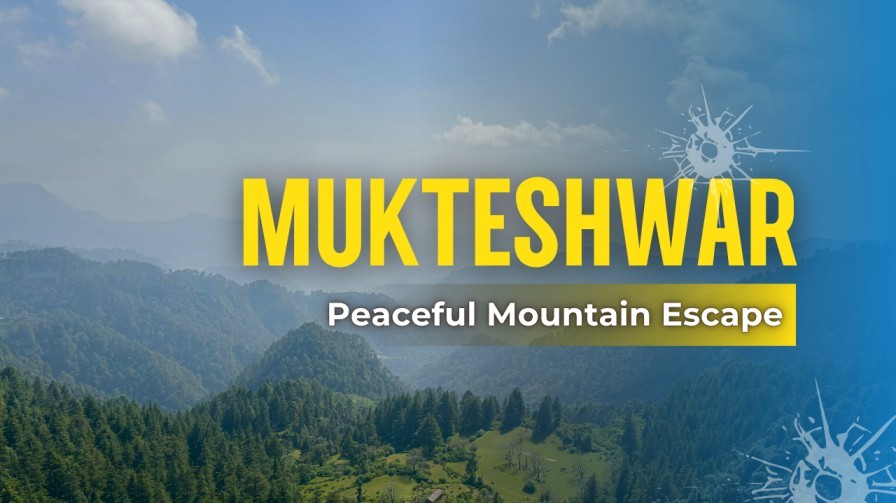
Mukteshwar – Peaceful Mountain Escape
Tucked away in the Kumaon region of Uttarakhand, Mukteshwar – Peaceful Mountain Escape is the perfect antidote to the chaos of city life. This quaint hill station, perched at 2,285 meters above sea level, offers mesmerizing Himalayan views, apple orchards, dense pine forests, and a soothing aura of calm. If you’re seeking an offbeat mountain destination in India, Mukteshwar is your ideal retreat. Why Visit Mukteshwar? Mukteshwar is more than just a scenic hill town — it’s a peaceful getaway in Uttarakhand where nature, spirituality, and adventure coexist beautifully. Named after Lord Shiva’s temple “Mukteshwar Dham,” this destination is known for its serene atmosphere and untouched natural beauty. Things to Do in Mukteshwar Whether you’re a nature lover, adventure seeker, or peace chaser, Mukteshwar has something for everyone. Visit Mukteshwar Temple Perched atop a hill, the 350-year-old Mukteshwar Dham offers breath-taking views of the Himalayas and holds deep spiritual significance. Explore Chauli ki Jali A short trek from the temple leads to Chauli ki Jali, a cliff known for its spectacular sunset views and adventure activities like rappelling and rock climbing. Walk Through Orchards & Forests Take long walks through apple orchards and pine forests — an essential part of any Mukteshwar nature retreat experience. Adventure & Nature Trails Try paragliding, trekking to nearby villages like Sitla and Peora, or birdwatching in the Mukteshwar forest reserve. Indulge in Local Flavours Savor Kumaoni dishes such as Aloo ke Gutke, Bhatt ki Churkani, and Bhaang ki Chutney at local cafes. Seasonal Weather Overview – Mukteshwar Hill Station The weather in Mukteshwar hill station stays pleasant throughout the year, making it one of the most peaceful getaways in Uttarakhand. Each season brings its own charm — from misty monsoons to snowy winters. Summer in Mukteshwar (March – June) Monsoon in Mukteshwar (July – September) Autumn in Mukteshwar (October – November) Winter in Mukteshwar (December – February) Quick Summary Table Season Temperature Travel Highlights Summer (Mar–Jun) 15°C–25°C Adventure & sightseeing Monsoon (Jul–Sep) 18°C–22°C Greenery & solitude Autumn (Oct–Nov) 10°C–20°C Clear mountain views Winter (Dec–Feb) 2°C–15°C Snow & cozy retreats Weekend Escape to Mukteshwar- Day-Wise-Plan Looking for a quick peaceful getaway in Uttarakhand? Mukteshwar is an ideal offbeat mountain destination in India, perfect for a 2-night, 3-day trip filled with nature, calm, and adventure. Day 1 – Arrival & Sunset Views Day 2 – Explore Mukteshwar Day 3 – Sunrise & Departure Quick Tips: How to Reach Mukteshwar Getting to Mukteshwar hill station is easy, whether you’re coming from Delhi, Nainital, or nearby Uttarakhand towns. Here’s a quick Mukteshwar travel guide: By Road By Train By Air FAQs about Mukteshwar – Peaceful Mountain Escape Q1. What is the best time to visit Mukteshwar?A: The best time to visit is from March to June and October to February when the weather is pleasant and the skies are clear. Q2. How many days are enough for a Mukteshwar trip?A: A 2–3-day weekend trip is ideal to explore the main attractions and enjoy a relaxing stay. Q3. Is Mukteshwar good for adventure activities?A: Yes! You can enjoy trekking, rock climbing, paragliding, and rappelling in Mukteshwar. Q4. How far is Mukteshwar from Nainital?A: Mukteshwar is approximately 50 km from Nainital, about a 2-hour scenic drive. Q5. Are there good accommodation options in Mukteshwar?A: Absolutely! From budget homestays to boutique resorts, Mukteshwar offers great options for all types of travellers. Plan Your Weekend Escape with Clan Stays Make your Mukteshwar – Peaceful Mountain Escape seamless with Clan Stays. They offer customized travel packages, handpicked stays, and hassle-free transport, so you can focus on relaxing and enjoying the mountains. From adventure activities and treks to local guides and 24/7 support, every detail is taken care of. Book your weekend escape to Mukteshwar today and experience a true peaceful getaway in Uttarakhand.

How to Do Kedarnath Registration 2026: Step-by-Step QR Pass Guide
Introduction: Your Complete Guide to Kedarnath Registration 2026 Planning to visit Kedarnath Temple in 2026? Don’t forget one of the most important steps before your journey — the Kedarnath registration 2026. The Uttarakhand Government has made online registration and QR pass mandatory for all pilgrims visiting Kedarnath and other Char Dham temples. This process helps ensure your safety, track pilgrims in real time, and manage crowd control in high-altitude regions. In this easy guide, you’ll learn everything — from how to register for Kedarnath Yatra 2026, the official website link, to downloading your Kedarnath QR pass 2026 in just a few minutes. Why Kedarnath Registration is Mandatory Every pilgrim visiting Kedarnath must complete the Kedarnath Yatra registration process before entering temple premises or beginning the trek from Gaurikund. The registration helps: Without the QR pass for Kedarnath Yatra, you won’t be allowed to proceed beyond key checkpoints like Sonprayag and Gaurikund. Official Kedarnath Yatra Registration Website To register online, visit the official Uttarakhand tourism portal: http://uttarakhandtourism.gov.in/ This is the only official Kedarnath Yatra registration website, managed by the Tourism Department of Uttarakhand Government.Avoid fake websites or third-party apps that charge money for registration — it’s free. How to Register for Kedarnath Yatra 2026 (Step-by-Step Guide) Follow this simple step-by-step Kedarnath online registration process to get your QR pass: Step 1: Visit the Official Website Go to http://uttarakhandtourism.gov.in/ and click on the “Register/Login” button. Step 2: Create Your Account Fill in your mobile number, email ID, and password to create your profile. You will receive an OTP for verification. Step 3: Choose “Char Dham Yatra 2026” Select Kedarnath as your destination. You can also register for other Dhams (Badrinath, Gangotri, Yamunotri) in one go if needed. Step 4: Fill in Pilgrim Details Enter full name, age, gender, ID proof (Aadhaar, Passport, etc.), and upload a clear passport-size photo. Step 5: Enter Your Travel Dates Choose the expected date of visit or trek start date (from Sonprayag or Gaurikund). Step 6: Submit and Download Your QR Pass Once submitted, your registration will be approved instantly.You’ll receive a confirmation message and a downloadable QR code via SMS/email. Keep a digital copy on your phone and one printed copy for verification at checkpoints. How to Download Kedarnath QR Pass 2026 After successful registration: Pro Tip: Take a screenshot of your QR pass — network connectivity can be poor in higher altitudes. Kedarnath Yatra Entry Points and QR Checkpoints Checkpoint Location Verification Process Rishikesh / Haridwar Starting point Initial QR code verification Guptkashi Midway Secondary scanning Sonprayag Vehicle halt point Mandatory QR scanning Gaurikund Trek starting point Final verification before trek Kedarnath Temple Gate Temple premises Final check before entry Make sure your QR code is active and readable at every checkpoint to avoid delays. Documents Required for Registration You’ll need: Kedarnath Temple Entry Pass 2026 and Yatra Timing All devotees must carry their Kedarnath temple entry pass 2026 (QR code) to enter the shrine premises. Offline Kedarnath Registration Centers If you can’t register online, don’t worry — the government has set up offline registration counters at: Carry your ID and a soft copy of your photo for on-the-spot QR generation. Why Online Registration Is Better Tips for a Smooth Kedarnath Yatra 2026 FAQs – Kedarnath Registration 2026 1. Is Kedarnath registration mandatory for 2026?Yes. Every pilgrim must complete Kedarnath registration 2026 and carry the QR pass for entry. 2. Can I register offline?Yes, registration counters are available at Haridwar, Rishikesh, Sonprayag, and Guptkashi. 3. Is there any fee for registration?No, the registration is completely free of cost. 4. Can I register for my family members?Yes, group registration is available. Each member gets a separate QR code. 5. What if I lose my QR code?You can log in to the portal and re-download your QR code anytime. 6. Do helicopter passengers need registration?Yes, even helicopter passengers must have a valid QR pass. 7. When does Kedarnath Yatra 2026 start?The Yatra is expected to begin in April 2026, depending on the temple opening ceremony (Akshaya Tritiya). 8. What is the Kedarnath registration online link?https://registrationandtouristcare.uk.gov.in 9. Can I modify my travel date after registration?Yes, you can edit your travel date by logging into your account. 10. Is mobile connectivity available during the Yatra?Limited connectivity is available up to Sonprayag and Gaurikund. Download your QR pass beforehand. Conclusion: Start Your Kedarnath Journey the Smart Way With digital registration now mandatory, the Kedarnath registration 2026 process is simple, fast, and secure. By following the step-by-step QR pass guide, you’ll ensure a hassle-free journey to one of India’s most sacred shrines. So, register early, carry your QR pass, and get ready for a divine experience in the lap of the Himalayas. Plan your Kedarnath Yatra 2026 with Clans Stays — your trusted travel partner for Char Dham packages, helicopter bookings, and personalized pilgrimage tours.
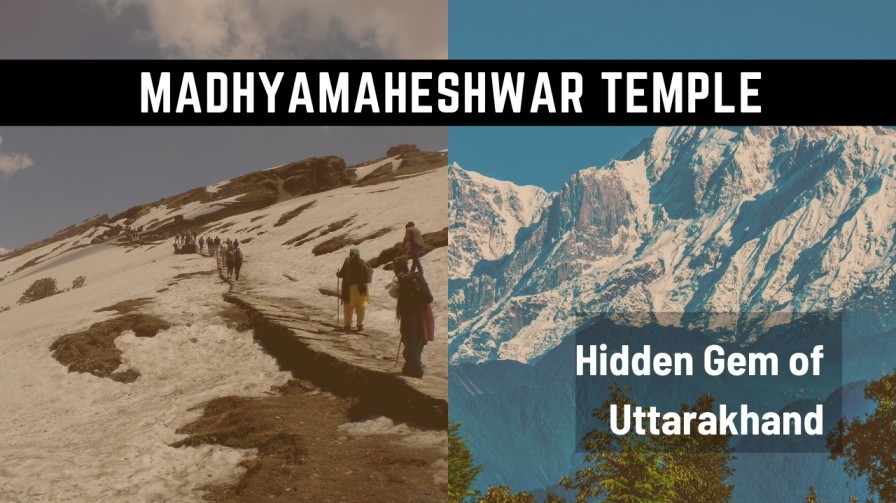
Madhyamaheshwar Temple – Hidden Gem of Uttarakhand
Nestled deep in the Garhwal Himalayas, the Madhyamaheshwar Temple – Hidden Gem of Uttarakhand is one of the most peaceful and spiritual places in the state. Dedicated to Lord Shiva, it is part of the Panch Kedar temples in Uttarakhand, but still remains a lesser-known pilgrimage in Uttarakhand. Surrounded by snow-capped peaks and lush meadows, this destination offers a perfect mix of spirituality and adventure. Mythology of Madhyamaheshwar Temple According to Hindu mythology, after the Mahabharata war, the Pandavas sought forgiveness from Lord Shiva for the bloodshed. Shiva, avoiding them, took the form of a bull and disappeared into the earth. His body parts appeared at five different places, which became known as the Panch Kedar temples.At Madhyamaheshwar, it is said that the navel (madhya part) of Lord Shiva appeared, giving this temple its name and significance. Spiritual Significance & What Makes it Unique Madhyamaheshwar Temple Trek The Madhyamaheshwar Temple trek starts from Ransi Village, a beautiful hamlet in the Rudraprayag district. The trek is around 17–18 km long and passes through dense forests, mountain streams, and meadows filled with wildflowers. Why This Temple is an Offbeat Destination in Uttarakhand Location & Trek Route: Trek to Madhyamaheshwar from Ransi Village How to Reach The Trek Experience Sample Trek Itinerary Table Day Route Approx kms Notes Day 1 Ransi → Gaundhar → Bantoli ~10 km Gentle start, acclimatize Day 2 Bantoli → Khatara/Nanu → Madhyamaheshwar Temple ~7-8 km Final ascent, temple arrival Best Time to Visit Madhyamaheshwar Temple – Season-wise Guide Summer (May – June) Monsoon (July – August) After Monsoon / Autumn (September – November) Winter (December – February) Nearby Attractions & Offbeat Destinations Ransi VillageRansi Village is the starting point of the Madhyamaheshwar Temple trek. Located right at the base, it offers basic facilities and scenic Himalayan surroundings, ideal for acclimatization before the uphill journey. Kalimath TempleKalimath Temple is a serene Shiva shrine hidden in the forests, situated approximately 18 km from Madhyamaheshwar Temple. The temple is less crowded, making it perfect for a peaceful spiritual retreat. GaurikundGaurikund, around 25 km from Madhyamaheshwar, is known for its breathtaking Himalayan views. The lush greenery and tranquil environment provide a refreshing stop for trekkers. ChoptaChopta is often called the “Mini Switzerland of India” and lies about 35 km from Madhyamaheshwar. Famous for trekking and alpine meadows, it also serves as the base for visiting Tungnath Temple. Tungnath TempleTungnath Temple, part of the Panch Kedar circuit, is the highest Shiva temple in the world and located roughly 37 km from Madhyamaheshwar. The trek offers spiritual significance along with stunning mountain vistas. Deoria TalDeoria Tal, around 42 km from Madhyamaheshwar, is a pristine high-altitude lake reflecting the surrounding Himalayan peaks. It’s a favorite spot for photography, camping, and nature lovers. UkhimathUkhimath, approximately 45 km away, serves as the winter abode for Lord Shiva from Madhyamaheshwar Temple. This calm pilgrimage town has rich cultural and spiritual significance. Rudraprayag TownRudraprayag Town is located about 55 km from Madhyamaheshwar and acts as a gateway for several Himalayan destinations. It offers accommodation, markets, and transport facilities for travelers. AuliAuli, roughly 70 km from Madhyamaheshwar, is a popular skiing and adventure destination. Known for its snow-capped slopes and panoramic Himalayan views, it’s an excellent offbeat spot for nature and adventure enthusiasts. Tips for Pilgrims & Trekkers · Start your Madhyamaheshwar Temple trek early from Ransi Village for a comfortable journey and better acclimatization. · The Madhyamaheshwar Temple – Hidden Gem of Uttarakhand sits at high altitude, so dress in layers and carry warm clothing. · This temple is one of the Panch Kedar temples in Uttarakhand, making it a must-visit for spiritual seekers and trekkers alike. · Explore hidden temples of Uttarakhand along the trek; the route is scenic and serene, away from typical tourist paths. · Refer to a reliable Madhyamaheshwar travel guide for trek routes, accommodation, and local tips. · Plan according to the best time to visit Madhyamaheshwar Temple—summer and post-monsoon seasons are ideal. · Learn the mythology of Madhyamaheshwar Temple to appreciate its spiritual significance during your pilgrimage. · Combine your trek with visits to offbeat destinations in Uttarakhand like Chopta, Deoria Tal, and Kalimath. · The trek to Madhyamaheshwar from Ransi Village is moderately challenging; trekking poles and sturdy shoes are recommended. · Visit other spiritual places in Rudraprayag nearby to enrich your pilgrimage experience. · This site is a lesser-known pilgrimage in Uttarakhand, perfect for travellers seeking peace and offbeat experiences. FAQs Q1: What makes Madhyamaheshwar Temple – Hidden Gem of Uttarakhand special?A1: It is a serene, lesser-known pilgrimage and one of the Panch Kedar temples in Uttarakhand. Q2: How difficult is the Madhyamaheshwar Temple trek?A2: The Madhyamaheshwar Temple trek from Ransi Village is moderately challenging with scenic Himalayan trails. Q3: When is the best time to visit Madhyamaheshwar Temple?A3: The best time to visit Madhyamaheshwar Temple is summer and post-monsoon for safe trekking and clear skies. Q4: What is the mythology of Madhyamaheshwar Temple?A4: Lord Shiva appeared here as part of the Panch Kedar temples, blessing devotees spiritually. Q5: Are there other hidden temples of Uttarakhand near Madhyamaheshwar?A5: Yes, hidden temples of Uttarakhand like Kalimath and Ukhimath are nearby for offbeat spiritual experiences. Why Clan Stays Makes Your Madhyamaheshwar Temple Trek Easy Clan Stays offers comfortable and convenient accommodations near Madhyamaheshwar Temple, making your trek stress-free. Their properties are well-equipped, ensuring a cozy stay after a long day on the trails. With easy access to trekking routes and local attractions, travellers can focus on the journey rather than logistics. Choosing Clan Stays helps pilgrims and trekkers enjoy a smooth and memorable Madhyamaheshwar Temple experience.
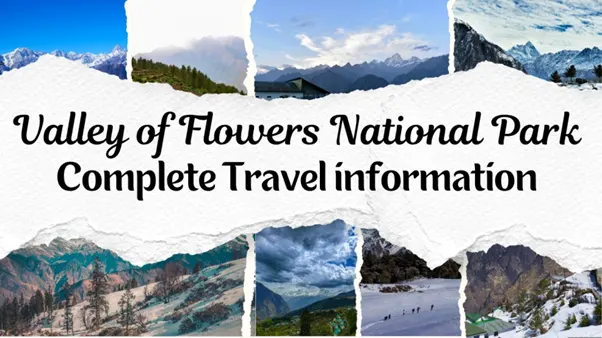
Valley of Flowers National Park – Complete Travel information
Hidden deep in the Garhwal Himalayas of Uttarakhand, the Valley of Flowers National Park – Complete Travel Guide is your ultimate companion to one of India’s most breath-taking UNESCO World Heritage Sites. Famous for its vibrant alpine meadows, rare flora, and snow-clad peaks, this natural paradise comes alive every monsoon with over 300 species of blooming flowers. Whether you’re an adventurer, nature lover, or photographer, this valley offers an unforgettable Himalayan experience. Best Time to Visit Valley of Flowers Timing is everything when planning a trip to this paradise. Month Weather Blooming Status Travel Note May – June Cool & clear Early blooms begin Ideal for trekkers who prefer fewer crowds July – August Mild rains Peak flower bloom Best time to witness full valley bloom September Pleasant Fading flowers Great for photography and fewer tourists October – April Snowbound Closed for visitors Trek route inaccessible Pro Tip: The best time to visit Valley of Flowers is from mid-July to late August when the valley is in full bloom and alive with colour. How to Reach Valley of Flowers Reaching this Himalayan wonder requires a blend of road and trekking adventure. From Govindghat, trek 14 km to Ghangaria, the last settlement before the valley. From Ghangaria, it’s another 3.5 km trek to reach the entrance of the Valley of Flowers National Park. Valley of Flowers Trek Route The Valley of Flowers trek route is moderately challenging and suitable for beginners with good fitness. Trek Itinerary Overview: Trek Distance: Approximately 17 km (one way)Difficulty Level: Easy to moderateBest Season: July to September Permits and Entry Details Accommodation Options Travel Tips for Valley of Flowers Nearby Attractions Health and Safety Guidelines for Trekkers Sustainable Travel Tips – Protecting the Valley FAQs about Valley of Flowers National Park 1. What is the best time to visit Valley of Flowers?Because during winter, the idol of Lord Badrinath is moved from Badrinath Temple to Narsingh Temple in Joshimath for worship. 2. What is the best time to visit Joshimath?October to February is ideal, as you can witness winter rituals and clear mountain views. 3. Can I camp inside Valley of Flowers?No, camping is not allowed inside the park. Accommodation is available only in Ghangaria. 4. How many days are required for the Valley of Flowers trek?A 4–5-day itinerary is ideal to cover the valley and nearby Hemkund Sahib. 5. Do I need a guide or permit for Valley of Flowers?Yes, you need an entry permit, and hiring a local guide is highly recommended for safety and navigation. Memorable Trekking Experiences with Clans Stays Clans Stays ensures every trek in Uttarakhand becomes an unforgettable journey. From the scenic Valley of Flowers to the sacred Tungnath Temple, our team designs treks that blend adventure, nature, and spirituality. With expert local guides, comfortable stays, and well-planned itineraries, Clans Stays makes every step of your Himalayan trek safe, scenic, and memorable.
Joshimath – Winter Seat of Lord Badri
Nestled in the Chamoli district of Uttarakhand, Joshimath is not just a town—it’s a divine gateway to the Himalayas. Known as the winter abode of Lord Badrinath, this sacred place holds immense spiritual and historical significance. As snow blankets the higher peaks, the idol of Lord Badri is ceremoniously brought from Badrinath Temple to Joshimath, marking the start of the winter season’s holy rituals. History and Religious Significance of Joshimath Joshimath, also known as Jyotirmath, was established by Adi Shankaracharya in the 8th century AD. It is one of the four sacred Mathas (monastic centres) founded to preserve Hindu philosophy and learning. The town symbolizes faith and enlightenment, attracting pilgrims year-round for its temples and serene Himalayan energy. Narsingh Temple – The Winter Seat of Lord Badri The Narsingh Temple is the main attraction of Joshimath and the winter seat of Lord Badrinath. Dedicated to Lord Vishnu’s incarnation as Narsingh (the half-man, half-lion avatar), this ancient temple becomes the spiritual centre of the region when heavy snowfall closes Badrinath Temple. The idol of Lord Badri is worshipped here for six months during winter. According to legend, the left arm of the Narsingh idol is slowly thinning — a sign believed to indicate the end of Kalyug. The Sacred Journey of Badrinath Idol in Winter When snow starts covering Badrinath Dham (around November), priests perform a holy ritual called “Palki Yatra”, where the idol of Lord Badri is moved to Joshimath with full devotion. This marks the beginning of the winter worship season. The idol stays in the Narsingh Temple until May, when it’s ceremoniously returned to Badrinath for summer worship. This sacred migration attracts thousands of devotees every year who wish to witness the divine procession. How to Reach Joshimath – Complete Travel Guide Joshimath, located in Chamoli district of Uttarakhand, is well connected by road and public transport from major North Indian cities. By Road By Train By Air Best Time to Visit Joshimath Joshimath welcomes travellers throughout the year, but the best time depends on your purpose of visit — pilgrimage, adventure, or sightseeing. Summer (April to June) Monsoon (July to September) Winter (October to February) Places to Visit in and Around Joshimath Joshimath serves as a gateway to several sacred temples, scenic landscapes, and adventure destinations in Uttarakhand. Here are the top places to explore nearby: The Winter Seat of Lord Badrinath, this temple lies in the heart of Joshimath (0 km). The idol of Lord Badri is worshipped here during winter when the Badrinath Temple closes. Located just 12 km from Joshimath, Auli is famous for skiing, snowboarding, and its scenic ropeway ride offering panoramic views of Nanda Devi and other Himalayan peaks. About 17 km from Govindghat (which is 22 km from Joshimath), this UNESCO World Heritage Site bursts into colourful bloom from July to September, making it a must for trekkers and nature lovers. Situated around 14 km from Joshimath, Tapovan is known for its natural sulphur hot springs and short treks offering breath-taking Himalayan views. Just 1 km from the main market, this sacred mulberry tree is believed to be over 1,200 years old and holds deep mythological significance as Adi Shankaracharya’s meditation spot. Around 17 km from Joshimath, this temple is one of the Panch Badri shrines. It’s said that Lord Vishnu will be worshipped here in the future when Badrinath becomes inaccessible. Located approximately 26 km from Joshimath, Chenab Lake is an offbeat attraction ideal for trekking and camping, surrounded by untouched natural beauty. Situated about 0.5 km from Joshimath town, this ancient monastery was established by Adi Guru Shankaracharya and remains a peaceful spiritual centre. Just 22 km from Joshimath, Govindghat is the base point for the Valley of Flowers and Hemkund Sahib treks. The area has good stay options for pilgrims and trekkers. Located about 40 km trek from Govindghat, Hemkund Sahib is a sacred Sikh shrine set beside a glacial lake at 4,329 meters, surrounded by snow-capped peaks. Accommodation in Joshimath FAQs about Joshimath 1. Why is Joshimath known as the winter seat of Lord Badrinath?Because during winter, the idol of Lord Badrinath is moved from Badrinath Temple to Narsingh Temple in Joshimath for worship. 2. What is the best time to visit Joshimath?October to February is ideal, as you can witness winter rituals and clear mountain views. 3. How far is Auli from Joshimath?Auli is just 12 km away and can be reached by road or India’s longest ropeway. 4. Is Joshimath safe for travel in winter?Yes, it’s safe with proper winter clothing. Roads remain open, but always check local weather updates. 5. How can I book a Joshimath pilgrimage tour?You can easily book customized pilgrimage and travel packages with Clans Stays, offering guided tours, transport, and accommodations. Create Lifelong Memories with Clans Stays in Joshimath With Clans Stays, your Joshimath trip becomes more than just a visit — it’s an experience to remember. Enjoy peaceful stays near temples, stunning mountain views, and easy access to nearby spots like Auli and Badrinath. Every stay is designed to make your journey comfortable, relaxed, and truly memorable.

Tungnath Temple – Highest Shiva Shrine in the World
Perched high in the Garhwal Himalayas, Tungnath Temple – Highest Shiva Shrine in the World, stands as a symbol of devotion and serenity. Located in Uttarakhand’s Rudraprayag district, this ancient temple sits at an astounding altitude of 3,680 meters (12,073 ft), making it the highest Lord Shiva temple on Earth. Whether you’re a spiritual seeker or an adventure lover, the Tungnath Temple trek offers a perfect blend of devotion, breath-taking views, and Himalayan tranquillity. About Tungnath Temple Tungnath, meaning “Lord of the Peaks,” is one of the Panch Kedar temples dedicated to Lord Shiva. According to mythology, it was built by the Pandavas to seek Lord Shiva’s forgiveness after the Kurukshetra war. The temple is believed to be over 1,000 years old and is renowned for its ancient stone architecture, spiritual aura, and stunning mountain backdrop — including Chaukhamba, Neelkanth, and Kedarnath peaks. Mythological Significance As per legend, after the Mahabharata war, the Pandavas sought Lord Shiva’s blessings to absolve their sins. Lord Shiva, disguised as a bull, disappeared into the earth to avoid them.His body parts are believed to have appeared in five locations across Uttarakhand, forming the Panch Kedar circuit: Thus, Tungnath holds immense religious importance as the second temple in the Panch Kedar pilgrimage. Tungnath Temple Trek – A Short and Thrilling Journey The Tungnath Temple trek is one of the most accessible Himalayan treks. The 4–5 km trail begins from Chopta, often called the “Mini Switzerland of Uttarakhand.” Trek Details Category Details Starting Point Chopta (2,680 m) Trek Distance 4–5 km Trek Duration 2–3 hours (one way) Difficulty Level Easy to Moderate Best Time to Visit April – November What You’ll See on the Trek Tip: Sunrise from Chandrashila is one of the most mesmerizing sights in Uttarakhand. Best Time to Visit Tungnath Temple The temple remains open from April/May to November, depending on weather and snow conditions. Season Temperature Experience Summer (Apr–Jun) 10°C–25°C Pleasant weather, ideal for trekking Monsoon (Jul–Sep) 8°C–18°C Lush greenery but slippery trails Autumn (Oct–Nov) 5°C–20°C Clear skies, best for photography Winter (Dec–Mar) Below 0°C Temple closed, covered in snow Note: During winter, the deity is shifted to Mukunath, a lower-altitude temple in the valley. How to Reach Tungnath Temple By Air By Road By Train Spiritual Experience at the Highest Lord Shiva Temple The peaceful atmosphere of Tungnath, surrounded by snow-clad peaks and whispering winds, makes it more than just a pilgrimage — it’s a journey inward. The mantras, temple bells, and panoramic silence create an aura of divine energy rarely found elsewhere. Travel Tips for Tungnath Temple Trek Why Visit Tungnath Temple Travel Tips for Tungnath Temple Trek Nearby Attractions Around Tungnath Temple Frequently Asked Questions (FAQs) 1. Where is Tungnath Temple located? Tungnath Temple is located in the Rudraprayag district of Uttarakhand, near Chopta, at an altitude of 3,680 meters. 2. What makes Tungnath the highest Lord Shiva temple? At 3,680 meters above sea level, Tungnath is the world’s highest Shiva temple, part of the sacred Panch Kedar circuit. 3. How difficult is the Tungnath Temple trek? The trek is easy to moderate, covering 4–5 km from Chopta and taking about 2–3 hours. 4. When does Tungnath Temple open and close? It opens around April/May and closes by November, depending on snowfall. 5. Can I visit Tungnath during winter? The temple remains closed in winter due to snow, but you can visit Mukunath Temple, where the deity is worshipped during this period. Explore Tungnath Temple Comfortably with Clans Stays Clans Stays offers a seamless travel experience for those visiting Tungnath Temple, the highest Shiva shrine in the world. With expert local guides and comfortable stays in Chopta, they ensure a safe and memorable trek to this sacred destination. Every detail from transport to accommodation is carefully managed for a stress-free journey. Choose Clans Stays to experience the divine beauty of Tungnath with comfort and authenticity.
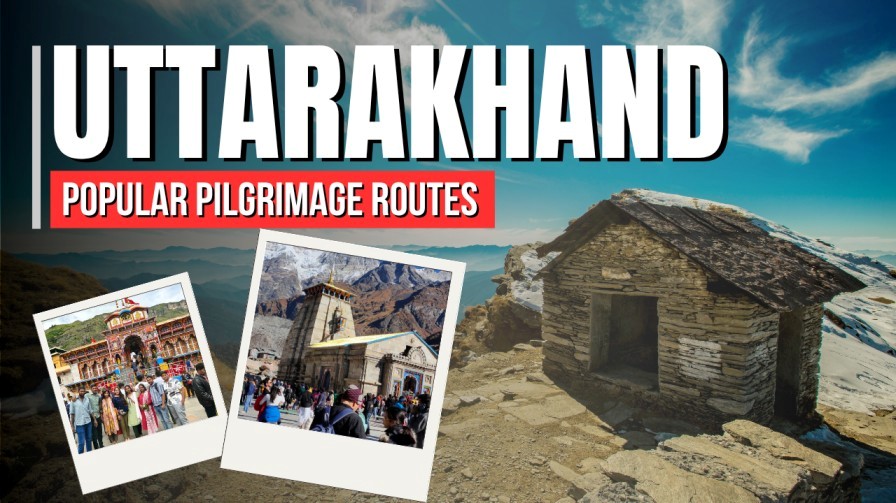
Popular Pilgrimage Routes in Uttarakhand
The majestic state of Uttarakhand, often called Devbhūmi (Land of the Gods), unfolds a rich tapestry of spiritual routes and sacred sites. In this blog we dive into the Famous Pilgrimage Circuits of Uttarakhand and the many pilgrimage sites in Uttarakhand that draw thousands of devotees each year. From river-confluences to Himalayan shrines, each circuit offers a unique blend of faith, nature and cultural heritage. What is a “Pilgrimage Circuit”? A pilgrimage circuit is a connected route of sacred spots that devotees travel through often sequentially to complete a spiritual journey. In Uttarakhand you’ll encounter routes that combine: These circuits boost religious tourism and also help preserve the cultural and environmental fabric of the region. Major Pilgrimage Circuits in Uttarakhand Chota Char Dham Yatra (Yamunotri → Gangotri → Kedarnath → Badrinath) This is perhaps the most famous pilgrimage circuit of Uttarakhand — a sacred journey through the Himalayas that covers four divine temples dedicated to major deities of Hinduism. The Four Holy Shrines Why It’s Special Route, Distances & Travel Time Route Distance Travel Time Notes Haridwar → Barkot (Yamunotri Base) 220 km 7–8 hrs Scenic route via Dehradun or Mussoorie. Barkot → Yamunotri (via Janki Chatti) 36 km drive + 6 km trek 3–4 hrs Trek or hire pony. Barkot → Uttarkashi (Gangotri Base) 82 km 3–4 hrs Beautiful mountain roads. Uttarkashi → Gangotri Temple 100 km 4–5 hrs Along the Bhagirathi River. Gangotri → Guptkashi (Kedarnath Base) 290 km 10–12 hrs Long journey; overnight halt suggested. Guptkashi → Kedarnath 30 km drive + 18 km trek 1 day Helicopter available from Phata. Kedarnath → Badrinath 230 km 8–9 hrs Drive via Joshimath. Badrinath → Haridwar 300 km 9–10 hrs Return to plains. Total Duration:10–12 days by road, or 2–4 days by helicopter. Tips for Travellers Panch Kedar (Kedarnath, Tungnath, Rudranath, Madhyamaheshwar, Kalpeshwar) The Panch Kedar circuit is dedicated to Lord Shiva. According to legend, after the Mahabharata war, the Pandavas sought Shiva’s forgiveness. The Lord disguised himself as a bull and his body parts appeared at five different sites — forming the five Kedars. The Five Temples Temple Location Elevation Distance (Approx.) Key Feature Kedarnath Rudraprayag 3,583 m 223 km from Rishikesh Hump of Shiva’s bull form. Tungnath Rudraprayag 3,680 m 208 km from Rishikesh Highest Shiva temple in the world. Rudranath Chamoli 2,286 m 228 km from Rishikesh Face of Lord Shiva. Madhyamaheshwar Rudraprayag 3,497 m 195 km from Rishikesh Navel of Shiva. Kalpeshwar Chamoli 2,200 m 240 km from Rishikesh Locks (Jata) of Shiva. Why Its Special Total Duration:10–14 days for full circuit by road and trek. Tips for Travellers Panch Badri (Badrinath, Adi Badri, Vriddha Badri, Bhavishya Badri, Yogdhyan Badri) The Panch Badri circuit honours Lord Vishnu in five forms across the Alaknanda Valley. The Five Sacred Badri Temples Temple Location Elevation Distance (Approx.) Importance Badrinath Chamoli 3,133 m 295 km from Rishikesh Main Vishnu shrine. Adi Badri Karnaprayag 1,380 m 195 km from Rishikesh Ancient Gupta-period temple. Vriddha Badri Joshimath 1,380 m 240 km from Rishikesh Vishnu’s old age form. Bhavishya Badri Tapovan 2,744 m 274 km from Rishikesh Said to become future Badrinath. Yogdhyan Badri Pandukeshwar 1,920 m 270 km from Rishikesh Where King Pandu meditated. Why It’s Special Total Duration:5–7 days by road. Tips for Travellers Sapta Badri (Extended Vishnu Circuit) The Sapta Badri (Seven Badri) expands the Panch Badri route by adding Ardha Badri and Dhyan Badri, forming a deeper spiritual trail. Duration: 7–9 days, including local stays. Highlights: Nanda Devi & Jageshwar Temples These are among the most revered individual pilgrimage sites in Uttarakhand outside the main circuits. Nanda Devi Temple (Almora) Jageshwar Dham (Near Almora) Frequently Asked Questions (FAQs) 1. What are the main pilgrimage circuits of Uttarakhand?The major ones are Chota Char Dham, Panch Kedar, Panch Badri, and Sapta Badri circuits. 2. How long does it take to complete the Char Dham Yatra?Around 10–12 days by road or 2–4 days by helicopter. 3. Which is the best time to visit these pilgrimage sites?From April to October, except during monsoon. 4. Are these circuits suitable for elderly travellers?Yes, with helicopter options and private transport, all major temples are accessible. 5. How can I plan a comfortable pilgrimage tour?You can book customized itineraries via Clans Stays for safe and hassle-free travel. Why Choose Clans Stays for Your Uttarakhand Pilgrimage Clans Stays ensures a seamless and comfortable experience for every pilgrim exploring the Famous Pilgrimage Circuits of Uttarakhand. With private transport, verified stays, and expert local guidance, your journey remains safe, organized, and stress-free. From personalized itineraries to helicopter packages, Clans Stays takes care of every detail — so you can focus on your spiritual connection, not travel worries.
Char Dham Yatra Registration Process Step by Step 2026
Embarking on the sacred Char Dham Yatra is a spiritual milestone — and the first key step is the Best Char Dham Yatra Registration Online. Whether you’re planning your pilgrimage to the four holy shrines of Uttarakhand (Yamunotri, Gangotri, Kedarnath, Badrinath), the registration process sets the stage for a safe, smooth, and spiritually fulfilling journey. In this guide, we walk you through every step, what documents you need, how to fill out the form, and what you should check before you set out. Why Registration Is Important Registration for the Char Dham Yatra is not just a formality — it serves crucial purposes: By completing the Best Char Dham Yatra Registration Online, you gain access to real-time updates, official tracking support, and secure travel management. What You’ll Need Before You Start Here are the key things to have ready before you begin the online registration: Step-by-Step: How to Complete the Best Char Dham Yatra Registration Online Here’s a clear breakdown of the online registration process: Step 1: Visit the Official Portal or App Go to the official registration website: https://uttarakhandtourism.gov.in/experiences/char-dham or download the ‘Tourist Care Uttarakhand’ app. Step 2: Create an Account / Login Step 3: Fill Tour Plan & Pilgrim Details Step 4: Enter Personal Information Step 5: Submit & Generate Registration Slip Step 6: Verification at Dham Important Guidelines & Tips Table: Quick Comparison of Registration Modes Mode Where What to do Best for Online Web portal / Mobile App Self-register, download QR pass Most convenient Offline Registration counters Fill form, show ID, print slip If no internet / group Tour-Operator Assisted Travel agency Operator registers in bulk for group Large groups, packages WhatsApp / Toll-free Mobile/Call Send “YATRA” / call and follow steps Quick mobile registration Offline Registration Options (In Case of No Internet) Not every pilgrim traveling to the Himalayas has access to stable internet or smartphones. To make the journey smooth for everyone, the Uttarakhand Government has arranged offline Char Dham Yatra registration centres at multiple locations across the state. If you can’t register online, these counters help you complete the same process easily and receive a QR-coded Yatra slip on the spot. Pilgrims can visit authorized registration and verification counters set up by the Tourism Department of Uttarakhand. These are located at major entry and transit points, including: Location Nearest Dham / Route Facilities Available Haridwar (Railway Station & Bus Stand) Entry point for all Dhams Biometric registration, helpdesk, printed slip Rishikesh ISBT & Tapovan Route to Yamunotri & Gangotri QR code pass, tourist info centre Sonprayag Base point for Kedarnath Local registration & verification counter Joshimath / Pandukeshwar En-route to Badrinath Registration + temple updates Janki Chatti & Barkot Base area for Yamunotri ID verification and slip printing Uttarkashi Gateway to Gangotri Offline registration & medical helpdesk Tip: Try to complete registration at Haridwar or Rishikesh before heading uphill, as crowds increase at higher counters. If you face any difficulty in registering or verifying your Yatra, you can contact the Tourism Helpline for real-time support:0135-1364 (Tourist Helpline)Operators assist with registration status, lost QR slips, or alternative verification methods. Pilgrims booking through verified travel companies like Clans Stays Private Limited can complete the offline registration process directly via the agency.Clans Stays handles all biometric entries, verification, and printing of your Yatra passes saving time and reducing queues at counters. Even for offline mode, you’ll need the following documents: After successful verification, the official issues a QR-coded Yatra Registration Slip, which must be shown at temple checkpoints and lodging sites. Common Mistakes to Avoid During Char Dham Yatra Registration Char Dham Yatra Registration FAQs Q1. Is registration mandatory for Char Dham Yatra?Yes, registration is compulsory for all pilgrims visiting Yamunotri, Gangotri, Kedarnath, and Badrinath. Q2. What is the official website for online registration?You can register through the official Uttarakhand Tourism portal – registrationandtouristcare.uk.gov.in. Q3. Is there any registration fee for Char Dham Yatra?No, the registration process is completely free of cost for all pilgrims. Q4. What documents are required for registration?A valid government ID proof (Aadhaar, Passport, or Voter ID) and a mobile number for OTP verification. Q5. Can I register offline if I don’t have internet access?Yes, offline counters are available at Haridwar, Rishikesh, Sonprayag, Joshimath, and other major points. Q6. How will I receive my registration confirmation?After successful registration, you’ll get a QR-coded slip via SMS or email, which must be carried during the journey. Q7. Do I need separate registration for Helicopter Yatra?Yes, even helicopter pilgrims must complete the official Char Dham registration process. Why Choose Clans Stays for Your Char Dham Yatra Registration Clans Stays Private Limited helps you complete your Char Dham Yatra registration quickly and correctly. Our team handles all details — from filling forms to generating QR slips — so you don’t face any confusion. We make sure your information is verified and your registration is done on time. You also get printed passes and full support during your journey. Choose Clans Stays for a smooth, error-free, and stress-free registration process.
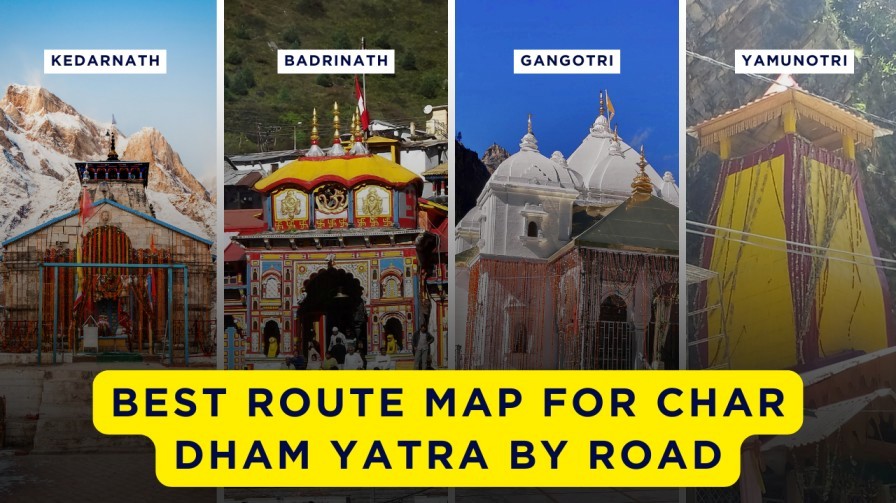
Best Route Map for Char Dham Yatra by Road
The Char Dham Yatra by road is one of India’s most revered spiritual experiences, taking pilgrims through the majestic Himalayas to four sacred shrines — Yamunotri, Gangotri, Kedarnath, and Badrinath. Whether you’re a devout pilgrim or a traveller seeking spiritual peace, planning the right Char Dham Yatra route ensures a smoother, more fulfilling journey. In this guide, we’ll explore the best route map for Char Dham Yatra by road, along with distance details, travel tips, and route highlights to help you make the most of your pilgrimage. Best Route Map for Char Dham Yatra by Road Traditionally, the Char Dham Yatra follows a clockwise route starting from Yamunotri, then moving to Gangotri, Kedarnath, and finally Badrinath. This sequence is spiritually significant and geographically convenient. Overview of the Char Dham Route Destination Altitude (ft) Distance from Haridwar (approx.) Route Highlights Yamunotri 10,804 ft 210 km Beautiful drive via Barkot and Janki Chatti Gangotri 11,204 ft 250 km Scenic route along Bhagirathi River Kedarnath 11,755 ft 225 km (plus 16 km trek) Spiritual trek from Gaurikund Badrinath 10,827 ft 240 km Picturesque landscapes and Mana Village Detailed Route Plan for Char Dham Yatra by Road Haridwar to Yamunotri From Janki Chatti, you’ll need to trek 6 km to reach the Yamunotri Temple. Pony and palanquin services are available for senior travellers. Yamunotri to Gangotri The Gangotri Temple, dedicated to Goddess Ganga, sits on the banks of the Bhagirathi River — a serene and powerful spot for meditation. Gangotri to Kedarnath From Gaurikund, pilgrims trek or hire a pony/doli to reach Kedarnath Temple, one of Lord Shiva’s most sacred shrines. Kedarnath to Badrinath Badrinath, dedicated to Lord Vishnu, marks the final stop of the Char Dham Yatra. Essential Travel Tips for Char Dham Yatra How to Plan Your Char Dham Yatra by Road Best Time to Visit Char Dham by Road Choosing the best time to visit Char Dham by road is essential for a safe and pleasant pilgrimage. The four temples — Yamunotri, Gangotri, Kedarnath, and Badrinath — are located in high-altitude regions of Uttarakhand, where the weather can be unpredictable. Here’s a complete guide to help you plan your Char Dham journey at the right time: The summer months are considered the best and safest time to embark on the Char Dham Yatra by road.During this period, the snow begins to melt, the weather is mild, and all the temple routes are accessible. Temperature Range: 10°C to 25°CAdvantages: Recommended for: Families, senior citizens, and first-time pilgrims. The monsoon months are generally not advisable for Char Dham travel. Heavy rainfall often leads to landslides, road blockages, and slippery trekking paths. Temperature Range: 12°C to 20°CChallenges: Recommended only if: You’re an experienced traveller with flexible plans and are prepared for weather disruptions. After the monsoon, the skies clear, and the mountains regain their fresh, green charm. The post-monsoon season is the second-best time for Char Dham Yatra by road. Temperature Range: 8°C to 18°CAdvantages: Recommended for: Pilgrims seeking a calm, off-season spiritual journey. During winter, heavy snowfall cuts off road access to the shrines. The temples remain closed for six months, and deities are shifted to their winter homes in nearby villages. Temperature Range: -5°C to 10°CAlternative Option: You can visit the winter Char Dham temples — These winter abodes remain open year-round for devotees. Essential Travel Tips for Char Dham Yatra FAQs on Char Dham Yatra by Road 1. How many days are needed for the Char Dham Yatra by road?It takes about 10–12 days to cover all four shrines comfortably. 2. Can I do Char Dham Yatra by car?Yes, you can. Many pilgrims prefer private SUVs for comfort on mountain roads. 3. Is registration mandatory for Char Dham Yatra?Yes, pilgrims must register at Char Dham Registration Portal before starting. 4. When do Char Dham temples open and close?The temples open in April/May and close by October/November every year. 5. Is accommodation easily available along the route?Yes, GMVN rest houses, private lodges, and dharamshalas are available at most stops. Why Choose Clans Stays for Your Char Dham Yatra Clans Stays Private Limited makes your Char Dham Yatra easy, safe, and comfortable. We take care of everything — travel, stay, food, and darshan — so you can focus on your spiritual journey. Our team has good local knowledge and offers 24/7 support during the trip. With Clans Stays, you get a smooth and worry-free yatra experience. We provide verified hotels, experienced drivers, and flexible packages to suit every traveller. Choose Clans Stays for a memorable and peaceful journey to the divine Char Dhams.