
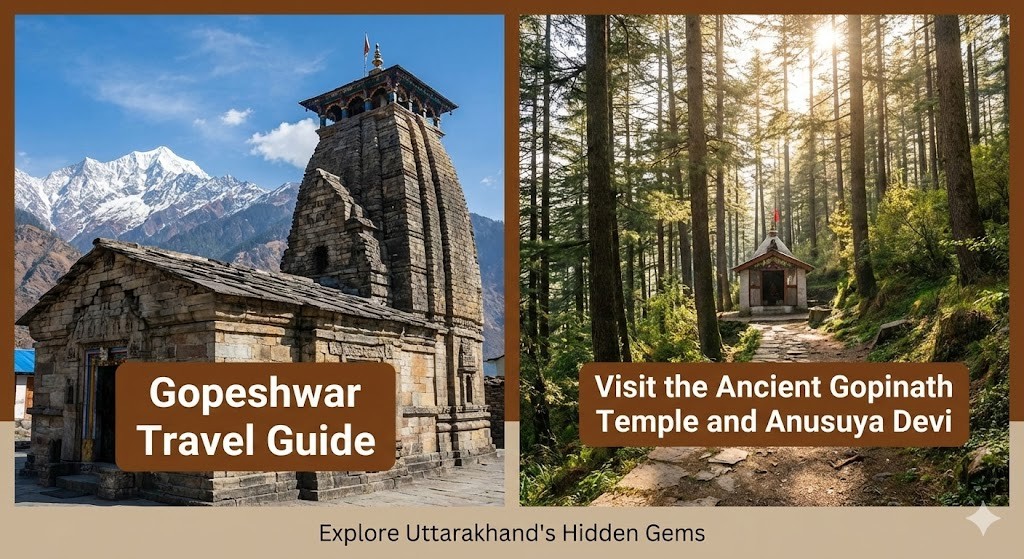
If you are looking for a peaceful spiritual escape in the Himalayas, this Gopeshwar Travel Guide: Visit the Ancient Gopinath Temple and Anusuya Devi will help you plan it perfectly. Located in Chamoli district of Uttarakhand, Gopeshwar is known for its ancient temples, mythological importance, and serene mountain views. Unlike crowded hill stations, Gopeshwar offers calm surroundings, deep-rooted spirituality, and authentic Garhwali culture. This Gopeshwar Travel Guide covers temple history, best time to visit, how to reach, and nearby attractions. Where is Gopeshwar Located? Gopeshwar is the district headquarters of Chamoli in Uttarakhand. It lies at an altitude of around 1,550 meters above sea level. It is well connected to major pilgrimage routes like Badrinath and Kedarnath. Many travellers stop here while exploring the Garhwal region. Gopinath Temple Gopeshwar Travel Guide The Gopinath Temple is the main attraction of Gopeshwar. It is an ancient Shiva temple believed to be over 1,000 years old. Highlights of Gopinath Temple The temple complex has beautifully carved stone structures. The calm atmosphere makes it ideal for meditation and prayer. Many consider this temple one of the hidden spiritual gems of Uttarakhand. Anusuya Devi Temple Gopeshwar Guide Another important spiritual site covered in this Gopeshwar Gopinath Temple and Anusuya Devi Travel Guide is the Anusuya Devi Temple. Located about 30 km from Gopeshwar, this temple is dedicated to Goddess Anusuya, wife of Sage Atri. Why Anusuya Devi Temple is Special Best Time to Visit Gopeshwar Gopeshwar is a year-round destination, but seasons offer different experiences. Summer (March – June) Monsoon (July – September) Winter (October – February) For most travellers, April to June and September to November are the best months. Top Places to Visit in Gopeshwar (With Distance) Here are the top places to visit in Gopeshwar along with their approximate distance from Gopeshwar town centre: 1. Gopinath Temple – 0 km Located in the heart of Gopeshwar, this ancient Shiva temple is the town’s main spiritual attraction. 2. Vaitarni Kund – 0.2 km Just a short walk from Gopinath Temple, this sacred kund holds religious importance for devotees. 3. Anusuya Devi Temple – 30 km Situated in a forested area near Mandal village, this temple is dedicated to Goddess Anusuya and is known for its peaceful surroundings. 4. Rudranath Temple (Trek Start Point: Sagar Village) – 5 km (to Sagar) Sagar village is about 5 km from Gopeshwar and serves as the starting point for the Rudranath trek, one of the Panch Kedar temples. 5. Chopta – 40 km Often called the “Mini Switzerland of Uttarakhand,” Chopta offers stunning Himalayan views and is a popular base for trekking. 6. Tungnath Temple – 43 km (via Chopta) Located near Chopta, Tungnath is the highest Shiva temple in the world and requires a short trek of about 3.5 km from Chopta. 7. Deoria Tal – 25 km (to Sari Village) Sari village is about 25 km from Gopeshwar, and from there a 2 km trek leads to the scenic Deoria Tal lake. How to Reach Gopeshwar Gopeshwar is well connected by road to major cities in Uttarakhand. While there is no direct railway station or airport in the town, you can easily reach it through the following routes: By Air The nearest airport is Jolly Grant Airport, Dehradun (approx. 220 km) from Gopeshwar. From the airport, you can hire a private taxi or take a shared cab to reach Gopeshwar via Rishikesh and Rudraprayag. By Train The nearest railway station is Rishikesh (approx. 205 km). A better-connected option is Haridwar Railway Station (approx. 230 km), which has regular trains from Delhi and major Indian cities. From there, taxis and buses are available. By Road Gopeshwar is well connected by road to Rishikesh, Haridwar, Rudraprayag, and Chamoli. Regular state buses and private taxis operate on this route.The common road route is:Rishikesh → Devprayag → Srinagar → Rudraprayag → Karnaprayag → Chamoli → Gopeshwar Self-Drive Option Driving from Delhi takes around 10–12 hours (approx. 470 km), depending on traffic and weather. The mountain roads are scenic but require careful driving, especially during monsoon. Suggested 2-Day Itinerary for Gopeshwar Day 1 Visit Gopinath Temple and Vaitarni Kund in the morning, then explore Sagar Village (5 km). Spend the evening relaxing in Gopeshwar town. Day 2 Drive to Anusuya Devi Temple (30 km) via Mandal village. If time permits, visit Chopta (40 km) or trek to Deoria Tal (25 km + 2 km trek) before departure. Why Visit Gopeshwar? Safe, Spiritual & Seamless Travel with Clan Stays Clan Stays ensures safe, spiritual, and seamless travel across Gopeshwar and the Garhwal region with strong local expertise. We carefully verify hotels, vehicles, and local guides to maintain comfort and safety standards. Our team provides real-time coordination, especially important in mountain areas where weather and road conditions can change quickly. From temple visits to remote destinations, every detail is planned with clarity and transparency. With Clan Stays, your Uttarakhand journey remains peaceful, well-managed, and stress-free. FAQs 1. Where is Gopeshwar located? Gopeshwar is in Chamoli district of Uttarakhand, near major pilgrimage routes like Badrinath. 2. What is Gopinath Temple famous for? It is an ancient Shiva temple known for its large historic trident and traditional stone architecture. 3. How far is Anusuya Devi Temple from Gopeshwar? It is approximately 30 km from Gopeshwar and surrounded by forested hills. 4. What is the best time to visit Gopeshwar? April to June and September to November offer pleasant weather. 5. Is Gopeshwar suitable for family travel? Yes, it is peaceful, safe, and suitable for families and senior travellerss.
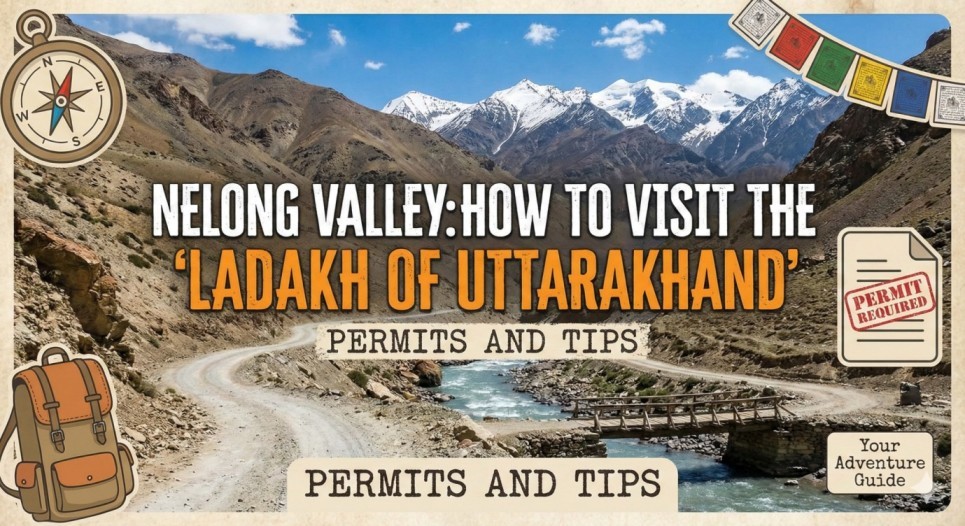
Nelong Valley: How to Visit the “Ladakh of Uttarakhand” (Permits and Tips)
Nelong Valley: How to Visit the “Ladakh of Uttarakhand” (Permits and Tips) is a must-read guide for travellers seeking one of the most restricted and untouched regions of the Indian Himalayas. Located near Gangotri, Nelong Valley is often called the Ladakh of Uttarakhand due to its cold desert landscape, stark mountains, and remote beauty. Because Nelong Valley Uttarakhand lies close to the India–China border, travel is regulated and requires special permissions. This guide explains everything clearly—from permits to rules—so you can plan confidently. Where Is Nelong Valley Located? Nelong Valley near Gangotri lies in Uttarkashi district, around 45 km from Gangotri Temple and close to the Indo-Tibetan border. The valley sits at an altitude of over 11,000 feet and was closed to civilians for decades after the 1962 war. Today, it is open in a controlled manner under strict Nelong Valley tourism rules. Why Nelong Valley Is Called the Ladakh of Uttarakhand The Ladakh of Uttarakhand Nelong Valley comparison comes from its geography and climate. Unlike Ladakh, however, Nelong Valley allows only limited day visits. Is Nelong Valley a Restricted Area? Yes, Nelong Valley is a restricted area, and all visitors must obtain a Nelong Valley inner line permitbefore entry. Travel is monitored by the Indian Army and district administration. Overnight stays are not allowed under any circumstances. Nelong Valley Permit Process (Step-by-Step) Since Nelong Valley Uttarakhand is a restricted border area, every visitor must follow a proper approval process before entry. The Nelong Valley permit process is controlled by the Uttarkashi district administration and security authorities, so planning in advance is essential. Step 1: Confirm Eligibility Step 2: Prepare Required Documents Step 3: Apply for the Nelong Valley Inner Line Permit Step 4: Wait for Approval Step 5: Entry Verification at Check Post Important Permit Rules Best Time to Visit Nelong Valley Summer (May – June) – Best Season Monsoon (July – September) – Limited Travel Autumn (October – Early November) – Scenic & Peaceful Winter (Late November – April) – Mostly Closed Nelong Valley Tourism Rules Following Nelong Valley tourism rules is mandatory. Things to Carry for Nelong Valley Visit Nelong Valley Road Trip Guide (In Short) A road trip to Nelong Valley near Gangotri is one of the most scenic drives in Uttarakhand. Located inside Gangotri National Park, this “Ladakh of Uttarakhand” is accessible only with a valid Nelong Valley inner line permit. Route Uttarkashi → Harsil → Bhaironghati Check Post → Nelong ValleyThe drive takes around 3–4 hours from Uttarkashi. Permit Obtain the Nelong Valley restricted area permit from Uttarkashi and carry valid ID proof. Entry is allowed only during fixed daytime hours, and same-day return is mandatory. Vehicle & Tips How Long Can You Stay in Nelong Valley? Visitors are allowed to stay for 2–3 hours only inside the valley. Entry and exit timings are strictly monitored. This makes advance planning essential. Why Clan Stays Is the Trusted Local Partner in Uttarakhand Clan Stays is a reliable local travel partner in Uttarakhand with strong on-ground expertise in routes, permits, and mountain conditions. We personally verify hotels, vehicles, and local teams to ensure safety and comfort throughout your journey. Our real-time coordination across destinations like Gangotri, Uttarkashi, and Nelong Valley ensures smooth travel without last-minute stress. Families, NRIs, and senior travellers trust us for transparent planning and dependable support. FAQs Q1. Is Nelong Valley open for tourists?Yes, but only with an approved restricted area permit. Q2. Can foreigners visit Nelong Valley?Currently, foreign nationals are not allowed. Q3. Is overnight stay allowed in Nelong Valley?No, overnight stays are strictly prohibited. Q4. How far is Nelong Valley from Gangotri?Approximately 45 km from Gangotri Temple. Q5. Why is Nelong Valley restricted?Due to its proximity to the India–China border and security concerns.
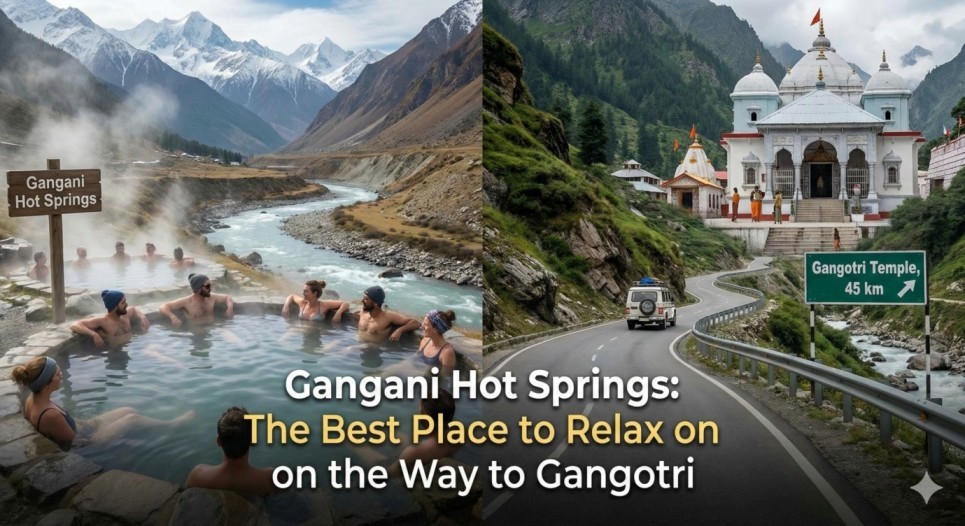
Gangani Hot Springs: The Best Place to Relax on the Way to Gangotri
Gangani Hot Springs – The Best Place to Relax on the Way to Gangotri is a hidden blessing for pilgrims and travellers heading toward the sacred Gangotri Dham. Located on the Gangotri route near Uttarkashi, these natural hot water springs offer a peaceful break before the high-altitude journey ahead. Surrounded by mountains and the Bhagirathi River, Gangani Hot Springs near Gangotri is where spiritual travel meets natural healing. Where Are Gangani Hot Springs Located? Gangani Hot Springs near Gangotri are located around 50 km from Uttarkashi, close to Harsil Valley, on the main Gangotri highway. This spot is also known as Gangani Kund Uttarkashi, a well-known bathing point for pilgrims. The springs sit right beside the Bhagirathi River, making it an ideal resting place before ascending further toward Gangotri. Gangani Hot Springs Bathing Experience The Gangani Hot Springs bathing experience is simple yet deeply relaxing. Stone pools channel naturally warm water where travellers can bathe comfortably, even in colder months. After long road journeys or before continuing to Gangotri, soaking here helps ease muscle fatigue and travel stress. What bathing here feels like: Best Time to Visit Gangani Hot Springs (Season-Wise) Spring (March–April)• Mild Mountain weather with low crowds on the Gangotri route.• Warm spring water feels especially relaxing after winter travel. Summer (May–June)• Most popular season for Gangotri pilgrims and road travellers.• Ideal weather for bathing and resting before higher altitudes. Monsoon (July–August)• Heavy rainfall increases the risk of landslides on the route.• Travel is unpredictable, so visits are generally avoided. Autumn (September–October)• Clear skies and stable road conditions after monsoon.• Calm atmosphere with comfortable bathing temperatures. Winter (November–February)• Snowfall may limit access depending on road conditions.• Hot spring bathing is deeply soothing in cold weather. How to Reach Gangani Hot Springs By Road• Gangani Hot Springs are located on the main Uttarkashi–Gangotri highway, around 50 km from Uttarkashi.• Taxis and private vehicles can reach directly, making it an easy roadside stop. By Rail• The nearest railway station is Rishikesh, about 190 km away.• From Rishikesh, continue by road via Uttarkashi to reach Gangani. By Air• The nearest airport is Jolly Grant Airport, Dehradun, around 210 km away.• From the airport, travel by road through Rishikesh and Uttarkashi to Gangani. From Gangotri• Gangani lies about 35 km before Gangotri, making it a natural stop while ascending.• Most pilgrims visit Gangani on the way up or down from Gangotri Dham. Gangani Hot Springs During Char Dham & Gangotri Yatra During the Char Dham and Gangotri Yatra, Gangani Hot Springs near Gangotri serves as a natural resting point for pilgrims traveling through Uttarkashi. Located directly on the Gangotri highway, this sacred hot water spring allows yatris to relax, refresh, and prepare their bodies before continuing toward Gangotri Dham. Many devotees believe that bathing at Gangani Kund hot spring on the Gangotri route helps ease travel fatigue and enhances the overall spiritual experience of the yatra. Why Clan Stays Is the Preferred Choice for Gangotri & Uttarkashi Journeys Clan Stays is trusted by travellers because we understand the unique challenges of the Gangotri and Uttarkashi route better than anyone else. Our local presence ensures smooth travel planning, safe transportation, and reliable stays close to key locations like Gangani Hot Springs near Gangotri. We focus on comfort, cleanliness, and timely support, which matters most in the Himalayas. Every itinerary is planned keeping road conditions, weather changes, and traveller needs in mind. With Clan Stays, guests travel with confidence, care, and genuine local expertise. FAQs Q1. Where are Gangani Hot Springs located?Gangani Hot Springs are located near Uttarkashi on the Gangotri Highway in Uttarakhand. Q2. Is bathing allowed at Gangani Hot Springs?Yes, bathing is allowed in designated stone tanks with naturally hot water. Q3. Is Gangani Hot Springs open during winter?Yes, but road access depends on weather and snowfall conditions. Q4. Why do pilgrims stop at Gangani Hot Springs?Pilgrim’s bathe here to relax and prepare physically before visiting Gangotri Temple. Q5. How far is Gangani Hot Springs from Gangotri?Gangani Hot Springs is approximately 55 km from Gangotri.
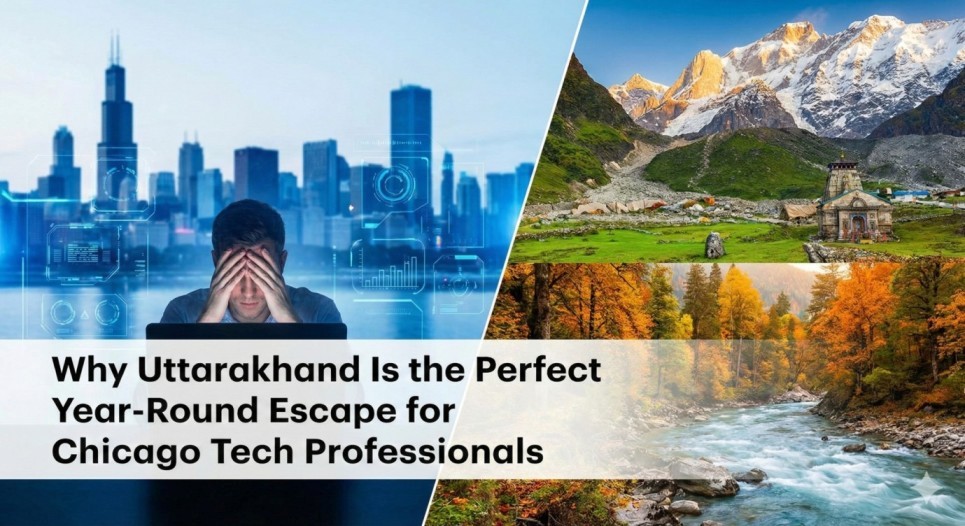
Why Uttarakhand Is the Perfect Year-Round Escape for Chicago Tech Professionals
Planning a break from Chicago’s demanding tech life is not just about taking a vacation.It’s about resetting your mind, body, and nervous system. For Chicago-based software engineers, IT managers, start-up founders, and remote tech professionals, Uttarakhand offers something rare real silence, fresh air, mountains that slow you down, and luxury without chaos. But let’s be honest, you are 12,000 km away from home This is a simple, honest, ground-reality guide explaining why Uttarakhand is the perfect year-round escape for Chicago tech professionals, and how to do it comfortably, safely, and intelligently. No hype. No Instagram lies. Just reality. Why Chicago Tech Professionals Burn Out Faster Than They Admit Chicago’s tech ecosystem is intense: Even when you take a vacation, your brain doesn’t stop racing. Uttarakhand works differently. It forces your nervous system to slow down. That is why it has quietly become one of the best Himalayan getaways for Chicago professionals seeking real recovery, not just sightseeing. Getting from Chicago to Uttarakhand (Simple, Stress-Free, Step-by-Step for Busy Tech Professionals) When you’re planning a long break or workcation in the Himalayas, the most important part is not the mountains it’s how smoothly you get there. For Chicago-based tech professionals juggling deadlines, burnout, family responsibilities, and limited vacation days, the journey to Uttarakhand must be efficient, predictable, and comfortable. This guide explains exactly how to travel from Chicago to Uttarakhand without unnecessary stress, confusion, or wasted energy. Why Flight Planning Matters for Chicago Professionals Common concerns we hear from professionals in Chicago: Long international travel after intense work schedulesJet lag ruining the first few days of the tripToo many stopovers and airport chaosLanding exhausted instead of refreshedLosing valuable vacation days to poor planning The goal is simple: Arrive in India calm, rested, and mentally ready to slow down. Step-by-Step Chicago → India Travel Planning 1. Choose the Right Departure Airport For Chicago residents, the best and most reliable option is: Chicago O’Hare International Airport (ORD) ORD offers the widest range of long-haul flights to India with flexible schedules, premium cabins, and smoother international connections. 2. Direct vs One-Stop Flights (Chicago → Delhi) For busy professionals, fewer connections = better recovery. Preferred Flight Options Airline Route Approx. Duration Why It Works Air India Chicago → Delhi (Non-stop) 14 hrs Fastest, no transit stress United Airlines Chicago → Delhi (Seasonal direct) 14 hrs Reliable US carrier Emirates Chicago → Dubai → Delhi 17 hrs Excellent comfort, lounge access Qatar Airways Chicago → Doha → Delhi 16–17 hrs Smooth transit, quiet cabins Lufthansa Chicago → Frankfurt → Delhi 17 hrs Efficient European connection Direct flights are ideal if you want to land and rest immediately.One-stop flights are great if you value superior service and lounges. 3. Best Flight Timings for Tech Professionals After long workweeks, avoid itineraries that include: Overnight layoversTight international connectionsMultiple terminal changesVery early morning arrivals Instead, look for: Evening departures from ChicagoLayovers of 2–3 hoursArrival in Delhi early morning or mid-dayPremium Economy or Business Class if possible This allows your body to adjust faster and preserves your vacation energy. Arrival in New Delhi (DEL) Once you land in Delhi: At this stage, your Himalayan journey is already half won. Domestic Connection: Delhi → Uttarakhand From Delhi, Uttarakhand is surprisingly accessible. Two Comfortable Options Flight to Dehradun (DED)– 45 minutes– Best for short vacations and workcations Luxury Private Drive (Delhi → Rishikesh / Mussoorie)– 5–6 hours– Ideal if you want a slow transition from city to mountains Both options are smooth, safe, and well-connected year-round. Step 5: New Delhi → Chicago (International Return) Best Return Flight Options Airline Route Approx. Duration Why It Works Well Air India Delhi → Chicago (Non-stop) 15 hours No transit, least exhausting United Airlines Delhi → Chicago (Non-stop) 15 hours Familiar US service Emirates Delhi → Dubai → Chicago 18 hours Comfortable layover Qatar Airways Delhi → Doha → Chicago 17–18 hours Efficient timing Lufthansa Delhi → Frankfurt → Chicago 18 hours Reliable European routing Best Practice:Choose late-night departures from Delhi so you sleep onboard and land in Chicago in the morning or early afternoon. Smart Return-Journey Tips for Tech Professionals Schedule your return at least one day before work resumesAvoid short layovers when heading back to ChicagoBook flexible tickets in case project timelines shiftChoose aisle seats for mobility on long flightsHydrate well and avoid heavy meals before landing Why This Round-Trip Works for Chicago Professionals? The Chicago Uttarakhand route is surprisingly efficient for a global tech hub: Strong direct flight connectivityMinimal domestic travel within IndiaFlexible return options year-roundEasy to plan around sprints, releases, and PTO You leave Chicago mentally overloaded.You return steady, rested, and ready to perform again. Why Uttarakhand Works All Year (Not Just Summer) Most people think Uttarakhand is only a summer escape, but that’s a myth. For Chicago tech professionals used to extreme winters and fast-paced work cycles, Uttarakhand offers season-wise experiencesthat make it a true year-round destination. Each season brings different landscapes, activities, and energy without shutting the region down. Below is a clear, season-wise breakdown of where to go and why it works. Spring (March to April) – Fresh Starts & Mental Reset Spring in Uttarakhand feels like a soft reboot after long winters. Snow melts, flowers bloom, and the weather stays calm perfect for light travel and reflection. Best Places to Visit Why Spring Works Best for professionals seeking mental clarity and gentle detox. Summer (May to June) – Cool Escape from Chicago Heat While Chicago warms up, Uttarakhand offers crisp air and relief from screen fatigue. This is the most popular season but still manageable if planned right. Best Places to Visit Why Summer Works Great for short PTO trips or family holidays. Monsoon (July to September) – Digital Detox Season Monsoon is underrated but magical. Misty forests, fewer tourists, and deep silence make it ideal for digital detox and creative thinking. Best Places to Visit Why Monsoon Works Ideal for burnout recovery and deep thinking—with proper planning. Autumn (October to November) – Best Balance Season Autumn is considered
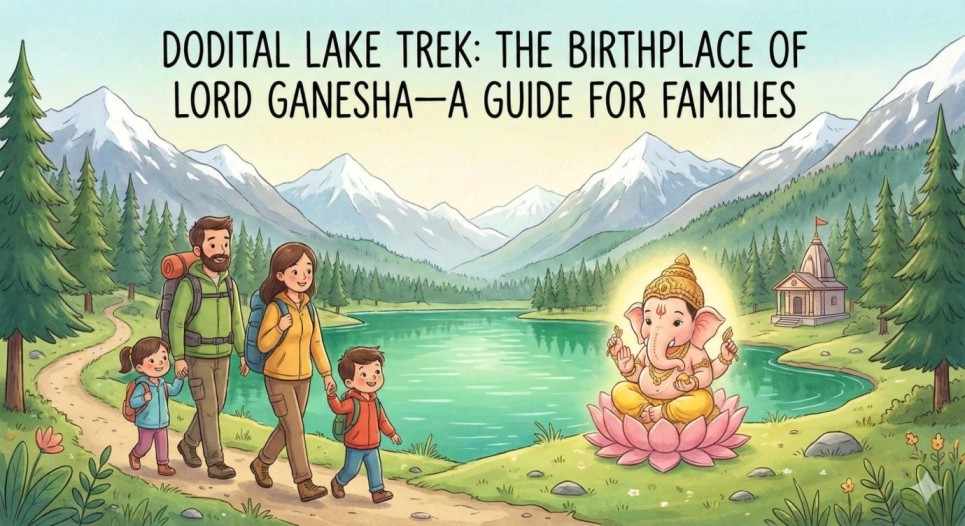
Dodital Lake Trek: The Birthplace of Lord Ganesha—A Guide for Families
The Dodital Lake Trek – The Birthplace of Lord Ganesha: A Family Travel Guide is perfect for families seeking a mix of nature, spirituality, and gentle adventure. Tucked away in Uttarakhand’s Garhwal Himalayas, Dodital is believed to be the sacred birthplace of Lord Ganesha. With easy trails, forest camps, and calm alpine views, this trek works beautifully for first-time trekkers, kids, and seniors alike. If you’re planning a meaningful mountain escape, this Dodital Lake Trek Guide for Families will help you prepare with confidence. Why Dodital Lake Is Spiritually Significant Dodital Lake is closely linked to Hindu mythology. According to legend, Goddess Parvati created Lord Ganesha here, giving the lake immense spiritual importance. Nearby, the ancient Ganesha Temple at Dodital attracts pilgrims who combine devotion with trekking. Many families choose this route to introduce children to India’s spiritual heritage in a calm, natural setting. This blend of faith and scenery makes it a true Dodital Lake Trek Spiritual and Nature Guide experience. Where Is Dodital Lake Located? Dodital Lake lies at an altitude of around 3,024 meters in Uttarkashi district, Uttarakhand. The trek usually starts from Sangamchatti village, about 20 km from Uttarkashi town. Dense oak, pine, and rhododendron forests surround the trail. The area is also known for Himalayan birds and trout fish found in the lake. Dodital Lake Trek with Family and Kids: Is It Safe? Yes, the Dodital Lake Trek with Family and Kids is considered one of the safest Himalayan treks. Children often enjoy spotting birds, crossing wooden bridges, and listening to local legends around the campfire. Best Time to Visit Dodital Lake Trek Choosing the right season is key to enjoying the Dodital Lake Trek Birthplace of Lord Ganesha, especially if you’re trekking with family or kids. Here’s a clear, season-wise breakdown to help you plan better. Summer (April to June) – Best for Families Summer is the most recommended season for the Dodital Lake Trek with family and kids. The weather stays pleasant, trails are clear, and forests come alive with flowers and birds. Day temperatures range between 10°C to 18°C, making trekking comfortable for children and seniors. Snow melts by late April, and the lake becomes fully accessible. Ideal for: First-time trekkers, families, spiritual travellers Monsoon (July to August) – Not Recommended During monsoon, the Dodital region receives heavy rainfall. Trails become slippery, landslides are common, and leeches can be an issue in forest sections. Cloud cover often blocks mountain views, and camping becomes difficult. For safety reasons, this season is usually avoided in any Dodital Lake Uttarakhand Trekking Guide. Ideal for: Not suitable for families Autumn (September to November) – Clear Views & Calm Trails Autumn is another excellent time for the Dodital Lake Trek Spiritual and Nature Guide experience. The weather remains stable, skies are crystal clear, and the surroundings feel peaceful after the monsoon. Day temperatures range from 5°C to 15°C, while nights get colder. The lake looks especially serene during this time. Ideal for: Photography lovers, spiritual seekers, family trekkers Winter (December to March) – Only for Experienced Trekkers Winter brings heavy snowfall, and Dodital Lake often freezes completely. Trek routes may close due to snow accumulation and extreme cold. Temperatures can drop below -5°C, making it unsafe for kids and elderly travellers. This season is not advised for a Dodital Lake Trek Guide for Families. Ideal for: Not recommended for family trekking Short & Family-Friendly Dodital Lake Trek Itinerary Day 1: Uttarkashi → Sangamchatti → Trek to AgodaEasy Forest walk with gentle ascent, perfect for kids and first-time trekkers. Day 2: Agoda → Dodital LakeScenic trek to the sacred Dodital Lake, visit the Ganesha Temple, relax by the lake. Day 3: Explore Dodital LakeRest Day for prayer, short nature walks, and family time. Day 4: Dodital → AgodaComfortable downhill trek with forest views. Day 5: Agoda → Sangamchatti → UttarkashiFinal easy descent and drive back. What to Pack for a Family Dodital Trek? Packing smart keeps the trek stress-free. Essentials include: Accommodation & Food on the Trek Accommodation is usually in tents or simple forest rest houses. Meals are basic but nutritious, including dal, rice, roti, and vegetables. Families can request kid-friendly meals like plain rice, khichdi, or soups. How to Reach Dodital Lake Trek (Family-Friendly Guide) Reaching the Dodital Lake Trek – Birthplace of Lord Ganesha is simple and well-suited for families. Here’s a clear step-by-step guide. By Air The nearest airport is Jolly Grant Airport, Dehradun(≈190 km from Uttarkashi). From the airport, you can hire a taxi or take a bus to Uttarkashi. The drive takes around 7–8 hours through scenic mountain roads. By Train The nearest railway station is Dehradun Railway Station. Trains from Delhi, Haridwar, and Rishikesh connect well to Dehradun. From here, continue by road to Uttarkashi. By Road Uttarkashi is well-connected by road from major Uttarakhand cities. Regular buses and shared taxis are available. Private taxis are more comfortable for families. Trek Starting Point: Sangamchatti From Uttarkashi, drive about 20 km to Sangamchatti village, the official base point of the Dodital Lake Trek. This is where the trek begins. Family Travel Tip Reach Uttarkashi a day early to rest and acclimatize—especially helpful for kids and senior family members. This route is commonly followed in every Dodital Lake Uttarakhand Trekking Guide and is safe, scenic, and convenient for family travellers. Why Families Trust Clan Stays for the Dodital Lake Trek Families trust Clan Stays for the Dodital Lake Trek because of our safety-first approach and well-planned, easy-paced itineraries. Our experienced local guides understand the needs of children and senior travellers on Himalayan trails. From comfortable camps to hygienic meals, every detail is handled with care. With constant on-ground support, Clan Stays ensures a worry-free and memorable family trekking experience. FAQs – Dodital Lake Trek Guide for Families Q1. Is Dodital Lake Trek suitable for children?Yes, children above 8 years can comfortably do this trek with proper supervision. Q2. Why is Dodital Lake calling the birthplace of Lord Ganesha?According to Hindu mythology, Goddess
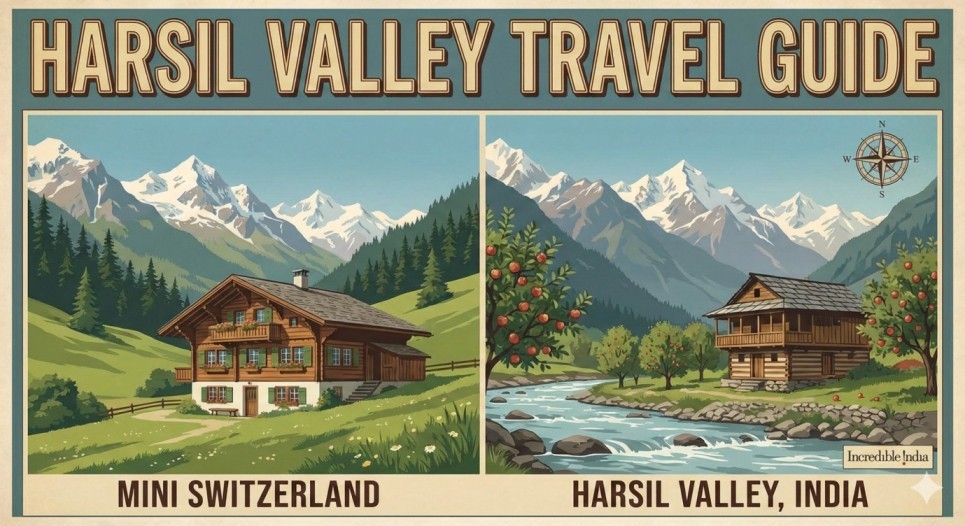
Harsil Valley Travel Guide: Why This is the “Mini Switzerland” of India
Hidden deep in the Garhwal Himalayas, Harsil Valley is one of Uttarakhand’s most breath-taking yet lesser-known destinations. Snow-capped peaks, apple orchards, pine forests, and the crystal-clear Bhagirathi River give this region a strong European charm. This Harsil Valley Travel Guide: Why This Is the “Mini Switzerland” of India will help you discover why travellers are increasingly choosing this peaceful valley over crowded hill stations. Why Harsil Valley Is Called the Mini Switzerland of India Harsil Valley earns its nickname because of its striking resemblance to the Swiss Alps. The valley combines dramatic mountain scenery with serene villages and untouched nature. Here’s what makes it special: Unlike commercial destinations, Harsil Valley Mini Switzerland of India Travel Guide highlights raw beauty over luxury. Best Time to Visit Harsil Valley (Season-Wise with Activities) Summer (April to June) Summer is the most comfortable season to explore Harsil Valley. The weather remains pleasant, and the landscapes are lush and vibrant.Temperature: 10°C to 20°C Best Activities: Monsoon (July to September) Monsoon brings fresh greenery and misty mountain views to Harsil Valley. However, frequent rainfall can make travel challenging due to landslides.Temperature: 12°C to 18°C Best Activities: Autumn (October to November) Autumn is one of the best times to visit Harsil Valley. Clear skies and crisp air offer stunning Himalayan views, and apple orchards are at their peak.Temperature: 5°C to 15°C Best Activities: Winter (December to March) Winter turns Harsil Valley into a snow-covered paradise. Heavy snowfall creates magical scenery, though accessibility may be limited in peak winter.Temperature: -5°C to 8°C Best Activities: Overall Best Season for Harsil Valley For easy travel and outdoor activities, April to Juneand October to November are ideal.For snow experiences, plan between December and February. Where to Stay in Harsil Valley Harsil Valley offers peaceful, nature-based stays rather than luxury hotels. Most accommodations are simple, cozy, and scenic. Best stay options: How to Reach Harsil Valley (Short but Detailed) By Road: Harsil Valley is located on the Gangotri National Highway, about 73 km from Uttarkashi and 25 km before Gangotri. Regular taxis and buses are available from Dehradun, Rishikesh, Haridwar, and Uttarkashi. Roads are scenic but mountainous. By Train: The nearest railway station is Dehradun (≈230 km). From the station, you can hire a taxi or take a bus to Uttarkashi, then continue to Harsil. By Air: The nearest airport is Jolly Grant Airport, Dehradun (≈240 km). From the airport, taxis are available directly to Harsil Valley. Nearby Places to Visit from Harsil Valley Why Harsil Valley Is Perfect for Offbeat Travelers Harsil Valley is ideal for travellers who prefer quiet places over crowded hill stations. It remains untouched by mass tourism, offering raw Himalayan beauty and peaceful surroundings. Experience Uttarakhand Like a Local with Clan Stays Clan Stays lets you experience Uttarakhand beyond typical tourist routes, offering stays rooted in local culture and nature. Each property is carefully selected to reflect the region’s authentic lifestyle, scenic beauty, and warm hospitality. You enjoy homemade local meals, peaceful surroundings, and genuine interactions with locals. Clan Stays focuses on slow, meaningful travel rather than rushed sightseeing. It’s the perfect way to feel connected to the Himalayas, just like a local. FAQs – Harsil Valley Travel Guide 1. Why is Harsil Valley called Mini Switzerland of India? Because of its alpine scenery, snow-clad mountains, apple orchards, and peaceful European-like landscapes. 2. Is Harsil Valley suitable for family trips? Yes, it’s safe and peaceful, ideal for families seeking nature and quiet. 3. How many days are enough for Harsil Valley? 2–3 days are perfect to explore villages and enjoy slow travel. 4. Does Harsil Valley receive snowfall? Yes, heavy snowfall occurs between December and February. 5. Is Harsil Valley crowded like other hill stations? No, it remains calm and uncrowded throughout most of the year.
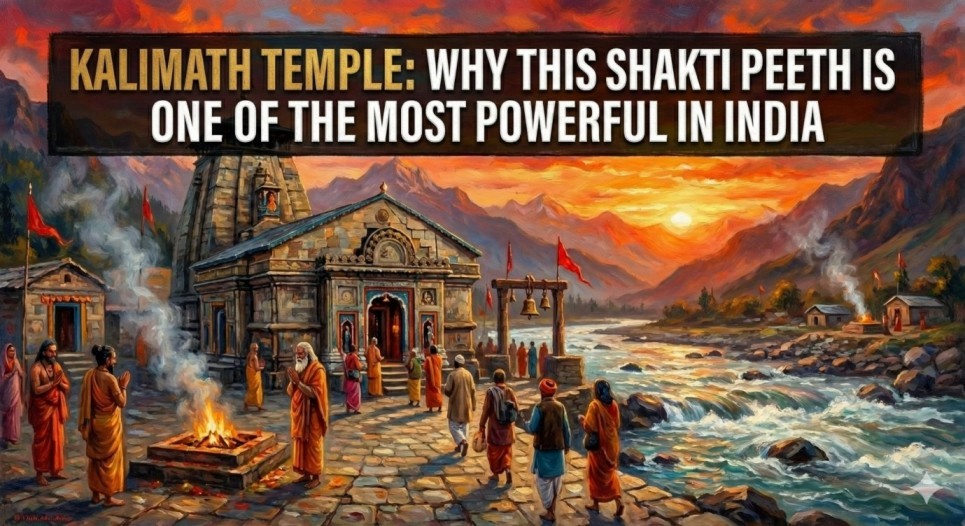
Kalimath Temple: Why This Shakti Peeth is One of the Most Powerful in India
Hidden deep in the Garhwal Himalayas, Kalimath Temple is not just another pilgrimage site it is a place of intense spiritual energy. Known as one of the most powerful Shakti Peeths, this sacred temple in Uttarakhand draws devotees seeking strength, protection, and divine blessings. In this guide, we explore why Kalimath Temple is one of the most powerful Shakti Peeths, its history, spiritual significance, and what makes it truly unique among Indian temples. Why Kalimath Temple Is One of the Most Powerful Shakti Peeths Unlike most Hindu temples, there is no idol worshipped at Kalimath Temple. Instead, devotees bow before a sacred silver plate that covers the spot where Goddess Kali is believed to have disappeared into the earth. what makes Kalimath exceptional: Many devotees report a deep sense of calm and power immediately upon entering the temple complex. Rituals and Worship at Kalimath Temple The rituals and worship at Kalimath Temple are unlike those at most Hindu shrines, which is what makes this Shakti Peeth deeply mysterious and powerful. Here, devotion is quiet, intense, and inward-focused rather than ceremonial. Unique Worship Practices at Kalimath Temple Kalimath Temple Spiritual Significance The spiritual significance of Kalimath Temple lies in its association with protection and destruction of negativity. Goddess Kali here is worshipped as the ultimate force that removes fear, evil, and ego. Devotees believe the temple is especially powerful for: Kalimath Shakti Peeth History and Importance Mythological Origins According to legend, after Goddess Sati self-immolated, Lord Shiva carried her body across the cosmos. Places where her body parts fell became Shakti Peeths. It is believed that a part of Goddess Kali’s divine power manifested at Kalimath, making it one of the most spiritually charged locations in India. Historical Importance Kalimath has long been a center for: Even today, many saints and ascetics visit Kalimath for deep meditation Best Time to Visit Kalimath Temple – Season-Wise Guide Planning your visit season-wise helps you enjoy both a safe journey and a peaceful spiritual experience at Kalimath Temple. Each season offers a different atmosphere in this powerful Shakti Peeth. Summer (April to June) – Best Time to Visit Monsoon (July to August) – Not Recommended Post-Monsoon / Autumn (September to October) – Peaceful Visit Winter (November to March) – Limited Accessibility How to Reach Kalimath Temple Reaching Kalimath Temple is fairly convenient, as it is well connected by road to major pilgrimage towns in Uttarakhand. Below is a clear, point-wise guide to help you plan your journey easily. By Air By Train By Road Final Access to the Temple Nearby Places to Visit Around Kalimath Temple Several sacred and scenic destinations lie close to Kalimath Temple, making it easy to plan a spiritually enriching itinerary. Below are key nearby places with brief points for each. Guptkashi (12 km) Kedarnath Temple (Approx. 47 km) Triyuginarayan Temple (Approx. 25 km) Ukhimath (Approx. 20 km) Chopta (Approx. 45 km) Why Thousands of Pilgrims Rely on Clan Stays Thousands of pilgrims rely on Clan Stays because they understand the spiritual importance of journeys like Kalimath Temple and other Shakti Peeths. With deep local knowledge of Uttarakhand, Clan Stays ensures smooth travel through challenging mountain routes. From comfortable stays to reliable transport and guided itineraries, every detail is handled with care. Their team prioritizes safety, transparency, and personalized service for every pilgrim. This trusted approach makes Clan Stays a dependable companion for meaningful and stress-free spiritual journeys. FAQs About Kalimath Temple 1. Why is Kalimath Temple considered so powerful? Kalimath Temple is believed to house self-manifested energy of Goddess Kali, making it one of the most powerful Shakti Peeths in India. 2. Is there an idol inside Kalimath Temple? No, there is no idol. A sacred silver plate marks the divine spot, which adds to its mystical importance. 3. Where is Kalimath Temple located? It is located in Rudraprayag district, Uttarakhand, near Guptkashi. 4. Is Kalimath Temple connected to Kedarnath Yatra? Yes, many pilgrims visit Kalimath Temple while traveling to Kedarnath. 5. What is the best time to visit Kalimath Temple? April to June and September to October are the best months for a comfortable visit.
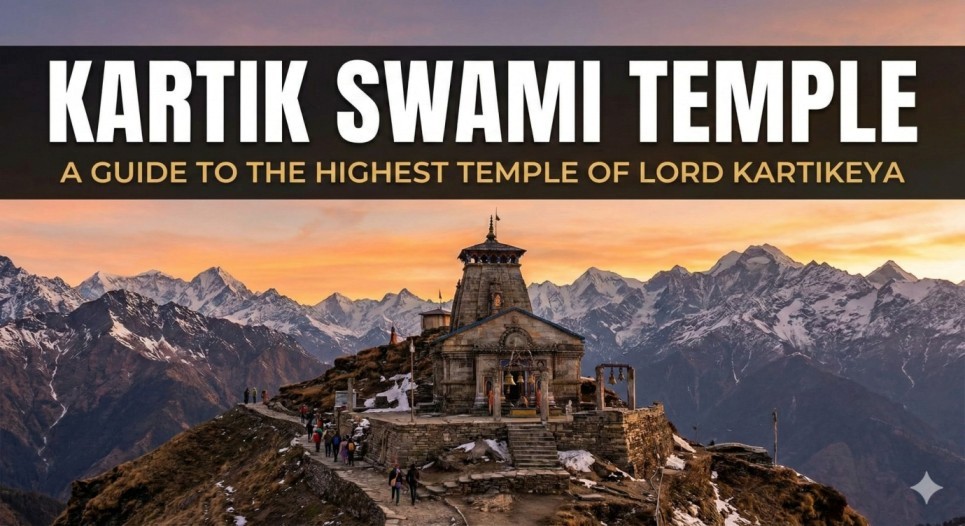
Kartik Swami Temple A Guide to the Highest Temple of Lord Kartikeya
Perched high in the Garhwal Himalayas, Kartik Swami Temple is one of Uttarakhand’s most spiritual and scenic destinations. Known as the highest temple of Lord Kartikeya, this sacred shrine sits at an altitude of around 3,050 meters and offers breath taking 360° views of snow-clad peaks. This Kartik Swami Temple Guide – The Highest Temple of Lord Kartikeya covers everything you need to know, from mythology and trekking details to travel tips and the best time to visit. Why Kartik Swami Temple Is So Special Kartik Swami Temple holds immense importance in Hindu mythology. It is dedicated to Lord Kartikeya, the elder son of Lord Shiva and Goddess Parvati. According to legend, Lord Kartikeya sacrificed his bones here to prove his devotion, which is why the temple is deeply revered. The peaceful setting and untouched beauty make it more than just a religious stop. Location of Kartik Swami Temple Kartik Swami Temple is located in the Rudraprayag district of Uttarakhand, in the Garhwal Himalayas. The temple stands on a scenic ridge near Kanakchauri village, offering breathtaking 360° views of the surrounding Himalayan peaks. The final stretch to Kartik Swami Temple is a 3 km trek from Kanakchauri, making the location both spiritually significant and naturally stunning. Kartik Swami Temple Trek & Travel Guide Trek Distance & Difficulty The trail is well-marked and passes through lush meadows, oak forests, and open ridges. Even first-time trekkers can manage it with basic fitness. Trek Tips This makes Kartik Swami Temple a perfect mix of pilgrimage and adventure. Best Time to Visit Kartik Swami Temple The best time to visit Kartik Swami Templeis from March to June and September to November, when the weather is pleasant and the Himalayan views are crystal clear. Season-wise breakdown: How to Reach Kartik Swami Temple Reaching Kartik Swami Temple is a beautiful journey through the Garhwal Himalayas. The temple is accessible by road up to Kanakchauri village, followed by a short trek. By Road Buses and shared taxis are available till Rudraprayag. From there, hire a local taxi to Kanakchauri, the trek base point. By Rail From the railway station, continue by road to Rudraprayag and then to Kanakchauri. By Air Regular flights connect Dehradun with major Indian cities. From the airport, travel by road to Rudraprayag and Kanakchauri. Final Trek to the Temple The well-marked trail offers scenic views and is suitable for beginners Nearby Places to Visit Around Kartik Swami Temple A visit to Kartik Swami Temple can be perfectly combined with several beautiful and spiritual destinations in Uttarakhand. Here are the top nearby places to explore: 1. Ukhimath Located about 45 kmaway, Ukhimath is the winter seat of Lord Kedarnath and Madhyamaheshwar. It’s a peaceful town with strong spiritual vibes and scenic views. 2. Chopta Around60 km from Kartik Swami Temple, Chopta is known as the Mini Switzerland of Uttarakhand. It is famous for lush meadows, trekking, and stunning Himalayan landscapes. 3. Tungnath Temple Situated near Chopta, Tungnath is the highest Shiva temple in the world. It’s a must-visit for pilgrims and trekkers alike. 4. Rudraprayag Sangam About 40 km away, this sacred confluence of the Alaknanda and Mandakini rivers is an important spiritual stop. 5. Kedarnath Approximately 75 km from Kartik Swami (plus trek), Kedarnath is one of the 12 Jyotirlingas of Lord Shiva and a key part of the Char Dham Yatra. Why Travelers Choose Clan Stays for Authentic Uttarakhand Experiences Travelers choose Clan Stays because it goes beyond just accommodation it offers a genuine connection with Uttarakhand’s culture, nature, and spirituality. Each stay is carefully selected in scenic, peaceful locations close to temples, trekking routes, and hidden Himalayan gems. With local expertise, warm hospitality, and personalized travel support, Clan Stays ensures comfort while keeping experiences authentic. Whether you’re a pilgrim, trekker, or leisure traveller, Clan Stays helps you explore Uttarakhand the way locals truly live it. FAQs – Kartik Swami Temple Guide 1. Why is Kartik Swami Temple famous? It is the highest temple dedicated to Lord Kartikeya and is known for its mythology and Himalayan views. 2. How long is the Kartik Swami Temple trek? The trek is around 3 km one way and takes about 1.5–2 hours. 3. Is Kartik Swami Temple suitable for beginners? Yes, the trek is easy to moderate and suitable for beginners with basic fitness. 4. What is the best time to visit Kartik Swami Temple? March to June and September to November are the best months. 5. Can Kartik Swami Temple be visited with family? Yes, families can visit, but elderly travellers should take rest breaks during the trek.
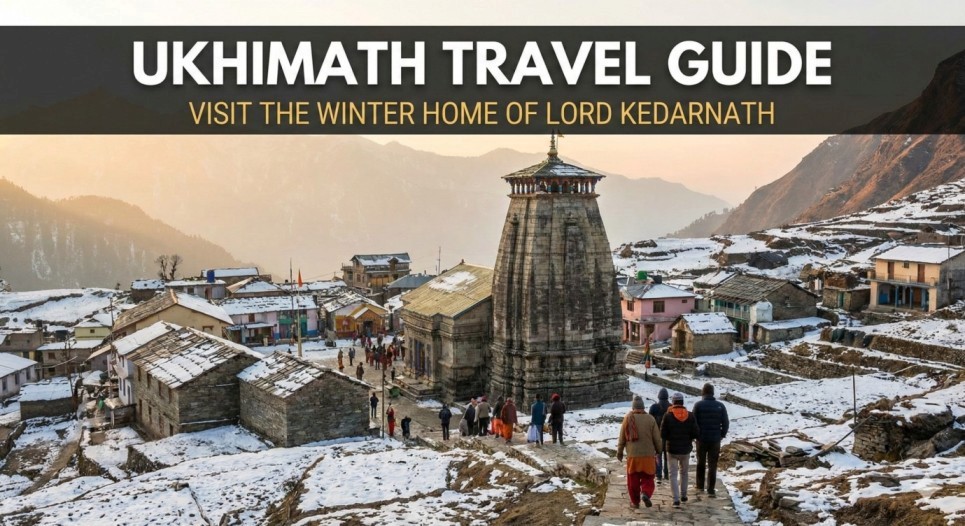
Ukhimath Travel Guide Visit the Winter Home of Lord Kedarnath
Nestled in the peaceful Garhwal Himalayas, Ukhimath is a sacred town with deep spiritual significance. This Ukhimath Travel Guide: Visit the Winter Home of Lord Kedarnath will help you explore why this quiet destination becomes the spiritual heart of Kedarnath during winter months. When heavy snowfall closes Kedarnath Temple, Lord Kedarnath is worshipped in Ukhimath instead. Beyond religion, Ukhimath also offers serene mountain views, ancient temples, and a calm atmosphere ideal for spiritual travellers. Why Ukhimath Is Called the Winter Home of Lord Kedarnath Ukhimath holds immense importance in Hindu tradition. It is known as the Ukhimath winter home of Lord Kedarnath, where the idol of Lord Kedarnath is ceremoniously shifted after Diwali. During winter, daily rituals and prayers continue here until Kedarnath reopens in summer. This makes Ukhimath a must-visit destination for devotees who want to experience Kedarnath’s divine energy year-round. Ukhimath Kedarnath Winter Seat: Spiritual Significance The Ukhimath Kedarnath winter seat is located inside the Omkareshwar Temple. Priests from Kedarnath perform all rituals here throughout winter. This tradition dates back centuries and keeps the spiritual connection alive even when Kedarnath is inaccessible. Many pilgrims specifically plan winter visits to witness this sacred transition. Top Temples to Visit in Ukhimath This Ukhimath temple travel guide would be incomplete without highlighting its sacred temples. Omkareshwar Temple (0 km) This temple is the winter home of Lord Kedarnath, where all rituals continue during winter months.It is dedicated to Lord Shiva, worshipped here in the Kedarnath form. Usha Temple (0.2 km) Usha Temple is linked to ancient legends and holds strong mythological importance in Ukhimath.It is dedicated to Goddess Usha, daughter of demon king Banasura. Aniruddha Temple (0.3 km) This temple symbolizes divine love and devotion mentioned in Hindu scriptures.It is dedicated to Lord Aniruddha, grandson of Lord Krishna. Madhyamaheshwar Temple (20 km) Madhyamaheshwar is one of the Panch Kedar temples and an important pilgrimage site.It is dedicated to Lord Shiva, worshipped here as the navel (Madhya) form. Tungnath Temple (28 km) Tungnath is the highest Shiva temple in the world and a key part of the Panch Kedar circuit.It is dedicated to Lord Shiva, worshipped as the arm (Bahubhuja) form. Kalpeshwar Temple (45 km) Kalpeshwar is the only Panch Kedar temple open throughout the year, even in winter.It is dedicated to Lord Shiva, worshipped as his hair locks (Jata). Best Time to Visit Ukhimath Ukhimath can be visited throughout the year, but the experience changes with each season depending on weather, accessibility, and spiritual activities. Summer (April to June) – Best for Comfortable Travel This is the most pleasant time to visit Ukhimath, with clear skies and mild temperatures. It’s ideal for temple visits, sightseeing, and planning nearby pilgrimages like Kedarnath and Madhyamaheshwar. Monsoon (July to September) – Best for Nature Lovers The region turns lush green during monsoon, offering beautiful landscapes. However, landslides and road delays are common, so travel should be planned carefully. Winter (October to March) – Best for Spiritual Seekers Winter is the most spiritually significant season, as Ukhimath becomes thewinter home of Lord Kedarnath. Snowfall adds beauty, but cold temperatures require proper preparation. Overall Best Time October to February is considered the best time to visit Ukhimath for those seeking spiritual experiences and fewer crowds, while April to June is perfect for comfortable sightseeing and family travel. How to Reach Ukhimath Ukhimath is well connected by road and can be easily reached from major cities in Uttarakhand. Below is a simple, step-by-step guide for travelers. By Road (Most Convenient Option) Ukhimath is accessible by motorable roads throughout the year. Regular buses and taxis are available from Rishikesh, Haridwar, Rudraprayag, and Guptkashi. The road journey offers scenic Himalayan views. By Train The nearest railway stations are: From the station, you can hire a taxi or take a bus to Ukhimath via Rudraprayag. By Air The nearest airport is: Taxis and shared cabs are available from the airport to Ukhimath. Local Route Tip Ukhimath lies on the route to Kedarnath and Madhyamaheshwar, making it a convenient stop for pilgrims. Roads remain open in winter, unlike Kedarnath. Travel Tips for Ukhimath Why Travelers Trust Clan Stays for Uttarakhand Journeys Travelers trust Clan Stays for Uttarakhand journeys because of its deep local knowledge and commitment to comfort in the mountains. Each stay is thoughtfully chosen to suit pilgrims, families, and senior travellers seeking peace and safety. Clan Stays ensures clean accommodations, warm hospitality, and easy access to key spiritual destinations. With personalized support and transparent services, travellers enjoy a stress-free and memorable Himalayan experience. FAQs About Ukhimath 1. Why is Ukhimath important for Kedarnath devotees? Ukhimath is where Lord Kedarnath is worshipped during winter when Kedarnath Temple is closed. 2. Which temple is the winter seat of Lord Kedarnath? The Omkareshwar Temple in Ukhimath serves as the winter seat. 3. Is Ukhimath accessible during winter? Yes, Ukhimath remains accessible by road even during winter months. 4. Can I visit Ukhimath without going to Kedarnath? Absolutely. Ukhimath itself is a complete spiritual destination. 5. How many days are enough for Ukhimath? 1–2 days are sufficient to explore Ukhimath comfortably.

Atlanta to the Himalayas: The Ultimate Char Dham Yatra Helicopter Guide
Planning a spiritual trip from the USA can feel like a lot of work. But don’t worry! As someone who has lived in the beautiful hills of Uttarakhand and worked for years in the travel industry, I am here to help. This guide will show you how to travel from the “City in a Forest” (Atlanta) to the “Abode of the Gods” (The Himalayas) with ease and comfort. For many NRIs, time is short but the heart wants a deep connection with the roots. That is why a Char Dham Yatra by Helicopter for NRIs is the best choice. It saves you days of bumpy road travel and lets you focus on prayer and peace. Starting Your Journey: Atlanta to Delhi Flights The first step of your Atlanta to Dehradun spiritual tour is flying across the world. Since there are no direct flights from Atlanta (ATL) to New Delhi (DEL), you will usually have one stop. Below are the most popular flight options for your to-and-fro journey. Flight Table: Atlanta (ATL) to New Delhi (DEL) Airline Name Typical Stopover Total Travel Time Arrival Time in India Qatar Airways Doha (DOH) 20-22 Hours Early Morning Etihad Airways Abu Dhabi (AUH) 19-21 Hours Late Night/Early Morning Delta / Virgin London (LHR) 18-20 Hours Late Night Emirates Dubai (DXB) 21-23 Hours Afternoon Flight Table: New Delhi (DEL) to Atlanta (ATL) Airline Name Typical Stopover Total Travel Time Departure from Delhi Qatar Airways Doha (DOH) 22-24 Hours 3:00 AM – 9:00 AM Etihad Airways Abu Dhabi (AUH) 21-23 Hours 4:00 AM – 10:00 AM Delta / Virgin London (LHR) 20-22 Hours 2:00 AM – 8:00 AM Lufthansa Frankfurt (FRA) 21-24 Hours 1:00 AM – 3:00 AM The Luxury Char Dham Helicopter Package 2026 Once you land in Delhi, you can take a short flight or a private car to Dehradun. This is where your Luxury Char Dham Helicopter package 2026 truly begins. Most luxury tours are 6 days and 5 nights. Here is what a typical high-end itinerary looks like: Why Choose Helicopter Over Road? Traveling by road in the mountains can take 12 to 14 days. For someone coming for a Char Dham Yatra from USA to Uttarakhand, that is a lot of time spent in a car. The helicopter reduces travel time to just 6 days. This gives you more time to sit in the temples and enjoy the fresh mountain air. Important Guidelines for International Travelers If you are doing a Chardham Yatra helicopter booking for international travelers, there are a few local rules you must know. Local Secrets for a Better Experience As a local who knows these mountains well, here are my top tips: Frequently Asked Questions (FAQ) 1. Is a Visa required for NRIs? Yes, if you hold a US passport, you will need an e-Visa or an OCI card to enter India. 2. Can seniors do this yatra? Yes! The helicopter tour is the best way for seniors as it avoids long treks and steep climbs. 3. What is included in a luxury package? Most packages include all flights, 5-star stays, VIP Darshan, meals, and local transport. 4. How do I book from the USA? You can book online through authorized agents. Always check for reviews and government licenses. 5. Is there mobile network in the mountains? In most places, yes. Airtel and Jio work best, but expect some “dead zones” near the shrines. 6. What happens if a flight is canceled due to weather? Most operators will try to fly the next day or provide a refund for the unutilized sector as per their policy. Conclusion The journey from Atlanta to the Himalayas is more than just a vacation. It is a soul-stirring experience that stays with you forever. By choosing a Char Dham Yatra by Helicopter for NRIs, you ensure that your pilgrimage is comfortable, safe, and truly spiritual. Ready to start your spiritual journey? Contact us today to customize your 2026 tour package!