

Table of Contents What Is the Best Time to Visit Jim Corbett National Park for Tiger Sightings? The best time to visit Jim Corbett National Park for tiger sightings is from November to June, when the park remains open for safaris. The dry season (March to June) is especially ideal because tigers are often found near water sources, making sightings easier.Early mornings and late afternoons are the most active times of day to spot these majestic animals. Avoid the monsoon season, as the park remains closed and tiger sightings are rare. About Jim Corbett National Park Jim Corbett National Park, located in Uttarakhand, is India’s first national park. It is renowned for its population of Bengal tigers, along with elephants, leopards, and deer. The park’s landscape—filled with dense forests, flowing rivers, and rolling hills—makes it one of the most scenic wildlife destinations in India.Visitors can enjoy jeep safaris, bird watching, and nature photography here. The park is open from November to June, which also marks the best time for tiger sightings. Why Tiger Sightings Are a Major Attraction Tigers are powerful, majestic, and elusive creatures, and spotting one in the wild is a thrilling experience. Jim Corbett National Park has a healthy tiger population, making it one of the best places in India for tiger sightings.For many, seeing a tiger in its natural habitat is a once-in-a-lifetime experience. The safaris are not just about adventure but also about connecting with nature. With the help of trained guides, visitors can safely and responsibly enjoy watching tigers and other wildlife. Overview of Wildlife in Jim Corbett National Park Jim Corbett is home to a diverse range of wildlife, making it one of India’s top wildlife tourism destinations. Apart from the Bengal tiger, visitors can see leopards, elephants, deer, wild boars, and sloth bears.It’s also a paradise for bird watchers, boasting over 600 species of birds, including eagles, kingfishers, and owls. The park’s rivers, grasslands, and forests provide the perfect natural habitat for these creatures, and guided safaris ensure a safe and educational experience. Best Season for Tiger Sightings in Jim Corbett National Park The best time to see tigers in Jim Corbett is between November and June, when the park is open for visitors. During March to June, water sources shrink, and tigers can be spotted more easily near rivers or ponds.Early mornings and late afternoons are the best safari times for tiger sightings. While winters are comfortable and cool, the summer months provide better visibility as the grass is shorter. Visiting during this period ensures the highest chances of spotting wildlife. 5.1 November to June: Tiger Safari Season Explained From November to June, the weather is pleasant and perfect for exploring the park. Between March and June, tigers are often seen near waterholes, making this period the peak safari season.Safaris operate twice a day — early morning and late afternoon — providing visitors with ample opportunity to explore. The park remains closed during the monsoon season (July–October) due to safety and preservation concerns. 5.2 Peak Winter Months: November to February The winter months offer cool weather and clear skies, ideal for comfortable safaris. During this season, animals are active throughout the day, and the crisp air enhances visibility.Photographers love this time for its soft lighting and vibrant natural backdrops, making it one of the most enjoyable periods to visit the park. 5.3 Summer Months: March to June Summer is warm and dry, but it’s the best time for tiger sightings. As water sources dry up, animals frequently visit rivers and ponds, making them easier to spot.The clear skies and golden sunlight are great for wildlife photography. However, since it’s peak season, tourists should book safaris well in advance. 5.4 Monsoon Season: July to September The monsoon season brings lush greenery, flowing rivers, and waterfalls, transforming the park into a paradise for nature lovers. However, heavy rains make roads unsafe, and safaris are closed during this time.Although tiger sightings are rare in this season, the scenic beauty attracts photographers and travelers seeking peace and solitude. Early Morning vs. Late Afternoon Safari Timings Both early morning (6:00 AM–10:00 AM) and late afternoon (3:00 PM–6:00 PM) safaris offer unique experiences. How Dry Season Affects Tiger Visibility During the dry season (March–June), water becomes scarce, and tigers are drawn to remaining rivers and ponds. The sparse grass and clear weather improve visibility, making it easier to spot animals.This season also provides excellent lighting for photography, making it one of the most rewarding times to visit Jim Corbett. Waterholes and Tiger Sightings Waterholes are prime locations for tiger sightings. Tigers often visit them to drink or cool off, especially in summer.Safari guides take visitors to these strategic spots early in the morning or late in the afternoon, increasing the chances of witnessing a tiger in the wild — an unforgettable experience for any traveler. Best Zones for Tiger Sightings in Jim Corbett National Park Dhikala Zone The Dhikala Zone is the most famous and wildlife-rich part of the park. With vast grasslands, dense forests, and flowing rivers, it offers the highest chances of tiger sightings. It’s also home to elephants, leopards, deer, and numerous bird species. Bijrani Zone Known for frequent tiger sightings, the Bijrani Zone combines open grasslands and forests. It’s easily accessible, ideal for photography, and perfect for early morning or late afternoon safaris. Jhirna Zone Located in the southern region, Jhirna Zone remains open throughout the year. It’s especially good for summer safaris when animals come closer to water sources. With fewer crowds, it offers a peaceful safari experience. Durga Devi Zone The Durga Devi Zone is serene and less crowded, ideal for those seeking tranquility. Dense forests and quiet trails make it excellent for spotting tigers, elephants, and leopards in a natural setting. Visiting these zones with an experienced guide ensures safety and maximizes your chances of tiger sightings. Choosing the Right Safari Type: Jeep, Canter, or Trek Jim Corbett Safari Booking Tips for Peak Season Photography Tips During Tiger Safari
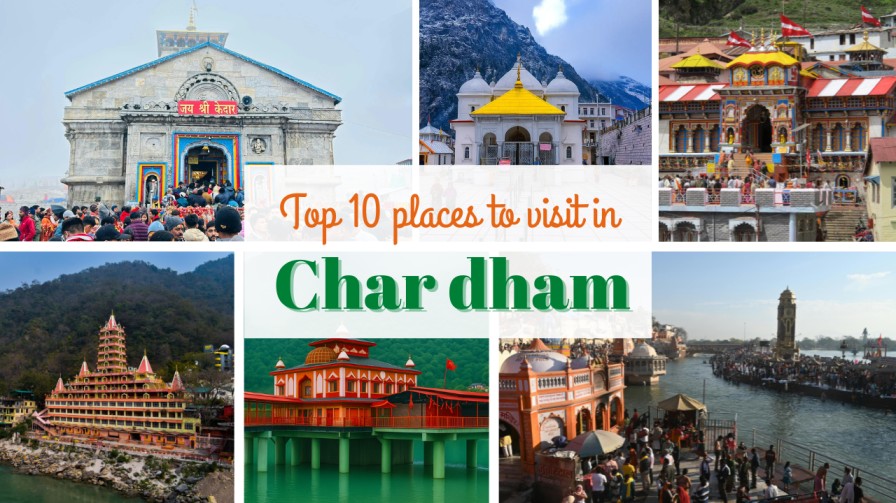
Top 10 Things to Do in Char Dham Yatra – A Complete Travel Guide
Understanding Char Dham Yatra The word “Char Dham” is made up of two Hindi words — Char meaning four and Dham meaning temple or holy place. Therefore, Char Dham Yatra means the sacred journey to four divine shrines of India. Interestingly, India has two types of Char Dham pilgrimages. The first is the Main Char Dham, which includes Badrinath in Uttarakhand, Dwarkadhish in Gujarat, Jagannath Puri in Odisha, and Rameshwaram in Tamil Nadu. Each of these temples represents one direction of the country — north, west, east, and south — symbolizing the spiritual unity of India. However, the second type, known as the Chota Char Dham Yatra, is located entirely in Uttarakhand. This smaller yet spiritually powerful circuit attracts millions of pilgrims every year. Moreover, this Himalayan Char Dham includes Yamunotri, Gangotri, Kedarnath, and Badrinath, each holding deep mythological and cultural importance. You can also read our travel guide on Hidden Gems of Uttarakhand to explore lesser-known spiritual spots in the Himalayas. The Himalayan Char Dham – A Journey of Faith The Chota Char Dham Yatra unfolds through the Garhwal region of Uttarakhand, offering not only spiritual enlightenment but also breathtaking natural beauty. To begin with, the journey starts at Yamunotri, dedicated to Goddess Yamuna — believed to grant longevity and freedom from untimely death. Next comes Gangotri, where Goddess Ganga descended from heaven to cleanse humanity’s sins. After that, the path leads to Kedarnath, one of the twelve Jyotirlingas of Lord Shiva, where pilgrims often carry holy water from Gangotri to offer to the deity. Finally, the yatra concludes at Badrinath, devoted to Lord Vishnu, representing salvation and peace. Furthermore, each destination carries a unique story and spiritual vibration that deepens your connection with faith. It’s not just a route — it’s a path toward awakening. For updated temple timings and route maps, visit the official Uttarakhand Tourism website. 1. Follow the Trail of Myths and Legends Every temple in the Char Dham Yatra is rooted in ancient mythology. For example, Kedarnath is believed to be the place where the Pandavas sought Lord Shiva’s forgiveness after the Mahabharata war. Similarly, at Yamunotri, Goddess Yamuna is worshipped as the sister ohttp://bhjf Yama, the God of Death, and it is believed that bathing here ensures liberation from the fear of death. In addition, listening to these fascinating legends from local priests and villagers adds depth and wonder to your spiritual journey. As you travel, you realize that every mountain, river, and stone here has a story to tell. You may also like our blog on Is Rishikesh Just for Yoga? 10 Other Things You Didn’t Know You Could Do for exploring more spiritual activities in Uttarakhand. 2. Participate in Sacred Rituals While visiting these temples, don’t just observe — participate in the rituals. At Badrinath, many devotees perform Pind Daan or Shraddha rituals for their ancestors. Meanwhile, at Gangotri, people offer Tarpan to honor their departed loved ones in the sacred waters of the Ganga. Moreover, these age-old traditions bring emotional healing. They remind us that spirituality is not only about worshiping deities but also about staying connected to our roots and expressing gratitude for our lineage. 3. Discover Hidden Temples and Spots Beyond the four main shrines, several hidden gems await exploration. For instance, near Yamunotri, lies the Shani Dev Temple, known for its tranquil surroundings. Likewise, near Badrinath, you can visit Vasudhara Falls, where the cascading waters are believed to purify the soul. Additionally, visiting such lesser-known places gives you moments of peace away from the crowd, allowing you to connect deeply with nature and yourself. 4. Serve at Langars – The Joy of Seva Along the entire Char Dham route, you’ll find numerous langars (community kitchens) serving free meals to pilgrims. Volunteering at these langars — whether by cooking, serving food, or cleaning utensils — is a deeply humbling experience. It teaches you that seva (service) is another form of worship. Furthermore, helping others fills your heart with warmth and gratitude, reminding you that spirituality is best expressed through kindness. You can find volunteer opportunities listed on Badrinath-Kedarnath Temple Committee’s official website. 5. Explore the Origin of Sacred Rivers The Char Dham Yatra is not only about temples; it’s also about the rivers that give life to India. You can trek to Gaumukh Glacier, the origin of the River Ganga, or explore Saptrishi Kund, the source of the Yamuna River. These high-altitude treks are challenging yet profoundly rewarding. In addition, witnessing these origins helps you appreciate how faith and nature coexist. The sound of gushing waters and the sight of majestic peaks together create a moment of divine realization. 6. Chant Mantras by the Rivers At dusk, sit beside the riverbanks and chant “Om Namah Shivaya” or the Gayatri Mantra. The soothing sound of flowing rivers, the ringing temple bells, and the crisp mountain air together create an atmosphere of peace. Moreover, such meditation connects your soul with the divine energy that surrounds you. 7. Admire Himalayan Flora and Fauna The Char Dham route passes through valleys filled with vibrant Himalayan flora and fauna. You may encounter the Brahma Kamal, Uttarakhand’s state flower, near Badrinath, or spot Himalayan Monals and Musk Deer in higher regions. In addition, during spring, the entire valley blooms in shades of pink, yellow, and green, making the journey even more enchanting. Thus, the pilgrimage becomes a perfect balance between spiritual awakening and natural wonder. Learn more about the region’s biodiversity at Valley of Flowers National Park (UNESCO) 8. Join Eco-Friendly Activities Since thousands of devotees visit every year, maintaining cleanliness is crucial. Several local groups and NGOs organize clean-up drives and tree-planting campaigns along the yatra route. Participating in these initiatives is a small act with a big impact. Moreover, by contributing to nature’s preservation, you ensure that future generations experience the same serenity and beauty. 9. Meet the Himalayan Sages Throughout your journey, you may come across sages and hermits meditating in caves or living in solitude near the temples. Speaking
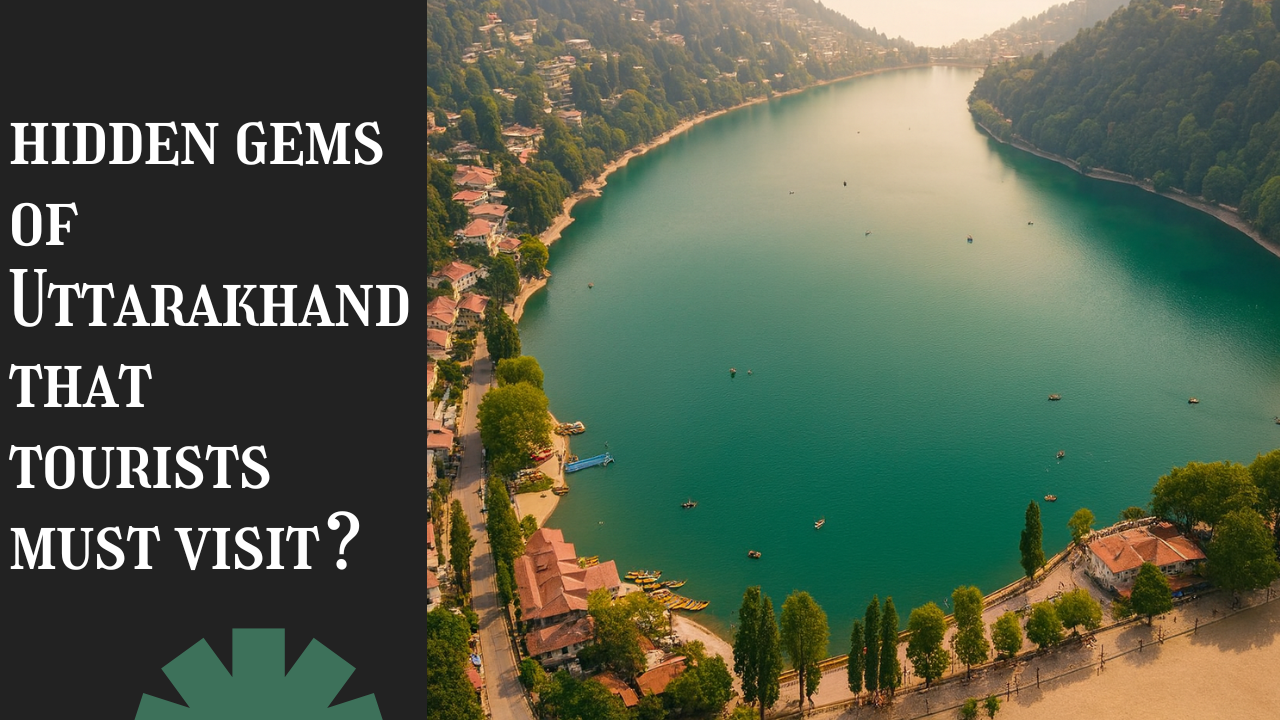
Hidden Gems of Uttarakhand That Tourists Must Visit
Hello friends! I’m Kanishka, and today I want to take you on a journey to some of the most beautiful and hidden gems of Uttarakhand. When we think of Uttarakhand, names like Mussoorie, Nainital, Rishikesh, and Haridwar usually come to mind. These are wonderful places, but they are often crowded. Sometimes, when we go to the mountains, we don’t just want sightseeing — we want peace, silence, and a chance to experience nature in its purest form. That’s exactly what Uttarakhand’s offbeat destinations offer. These hidden places are not on every tourist’s list, but trust me, they are worth visiting. From charming villages and untouched valleys to snow-covered meadows and birdwatching paradises, these spots will make you fall in love with the Himalayas all over again. So, let’s explore together the 10 hidden gems of Uttarakhand that every traveller must visit. 1. Chopta – The Mini Switzerland of India Chopta is a small but stunning hill station. Imagine green meadows, tall pine and deodar trees, and the cool mountain breeze. It is often called the Mini Switzerland of India. Chopta is also the starting point for the trek to Tungnath Temple, the highest Shiva temple in the world. If you love trekking, you can go a little further up to Chandrashila Peak, which gives one of the best views of the Himalayas. Whether it’s summer greenery or winter snow, Chopta is a paradise for adventure seekers, nature lovers, and even those who just want to relax. Best time to visit: March to May (pleasant weather) and December to February (snow). For trekking information, you can check the Uttarakhand Tourism Official Website. 2. Binsar – A Peaceful Retreat If you’re looking for silence and calmness, Binsar is the perfect choice. This small hill town near Almora is famous for the Binsar Wildlife Sanctuary. Bird lovers will be happy to know that over 200 species of birds can be spotted here. The best part of Binsar is the Zero Point, where you can enjoy a 360-degree view of the Himalayan peaks, including Nanda Devi and Trishul. On a clear day, the view looks straight out of a painting. Unlike crowded hill stations, Binsar gives you space to breathe, think, and simply enjoy nature. Best time to visit: October to March. 3. Khirsu – For Clear Himalayan Views Khirsu is a small village near Pauri, and it’s still not very popular among tourists. That’s what makes it special. The village is surrounded by oak, pine, and apple orchards. The best part about Khirsu is its unobstructed view of the Himalayas. On a clear day, you can see majestic peaks like Nanda Devi and Panchachuli shining bright. The air here is fresh, the atmosphere calm, and the people warm and welcoming. If you want to enjoy the mountains without the tourist rush, Khirsu should be on your list. Best time to visit: All year round. Learn about local culture on Incredible India. 4. Kanatal – A Calm Escape Near Mussoorie Most tourists stop at Mussoorie, but only a few go further to Kanatal. And that’s where the magic lies. Kanatal is quiet, less crowded, and surrounded by pine forests and apple orchards. It’s a great place for camping, nature walks, and adventure activities like valley crossing and rappelling. If you’re into spirituality, you can also trek to the famous Surkanda Devi Temple nearby. Kanatal is perfect for couples, families, or even solo travelers who want a peaceful holiday. Best time to visit: Throughout the year, especially winter for snow. 5. Munsiyari – Little Kashmir of Uttarakhand Munsiyari is one of the most beautiful hidden gems in Uttarakhand. Located in the Pithoragarh district, it is often called the Little Kashmir of Uttarakhand. The main attraction here is the Panchachuli Peaks, a group of five snow-covered mountains. Sunrise and sunset views here are unforgettable. Munsiyari is also the starting point for treks to Milam and Ralam Glaciers. This place is perfect for photographers, trekkers, and anyone who wants to see raw Himalayan beauty. Best time to visit: March to June and September to October. 6. Pangot – Paradise for Bird Lovers If you love birds, Pangot is the place for you. Located just 15 km from Nainital, this small village is home to more than 300 species of birds. From Himalayan griffons to colorful pheasants, you’ll see a variety of birds here. Pangot is also great for short treks, peaceful stays, and nature walks. Unlike Nainital, which is always busy, Pangot remains quiet and relaxed. Best time to visit: October to June. 7. Khati Village – On the Way to Pindari Glacier Khati is the last inhabited village on the trek to Pindari Glacier. This small Kumaoni village has wooden houses, simple lifestyles, and welcoming people. Staying in Khati feels like stepping back in time. It’s a wonderful way to experience local culture and village life in the Himalayas. For trekkers, Khati is also an important stop before moving further towards the glacier. Best time to visit: April to June and September to October. 8. Harsil – An Untouched Valley On the way to Gangotri lies Harsil, a small but stunning valley. It is known for its apple orchards, riverside beauty, and peaceful environment. Unlike other touristy places, Harsil still feels untouched. You can sit by the Bhagirathi River, enjoy the mountain views, and feel the fresh air filling your lungs. Harsil is also a great base for exploring Gangotri, but many travelers stay here just for its beauty. Best time to visit: May to October. 9. Kausani – Switzerland of India Kausani is often called the Switzerland of India because of its breathtaking views. From here, you can see a 300 km wide view of the Himalayan peaks like Nanda Devi, Trishul, and Panchachuli. Mahatma Gandhi once stayed here and said Kausani was the best place for silence and reflection. Apart from the views, you can also explore tea gardens and small local markets. Best time to visit: September to May. 10. Mana Village
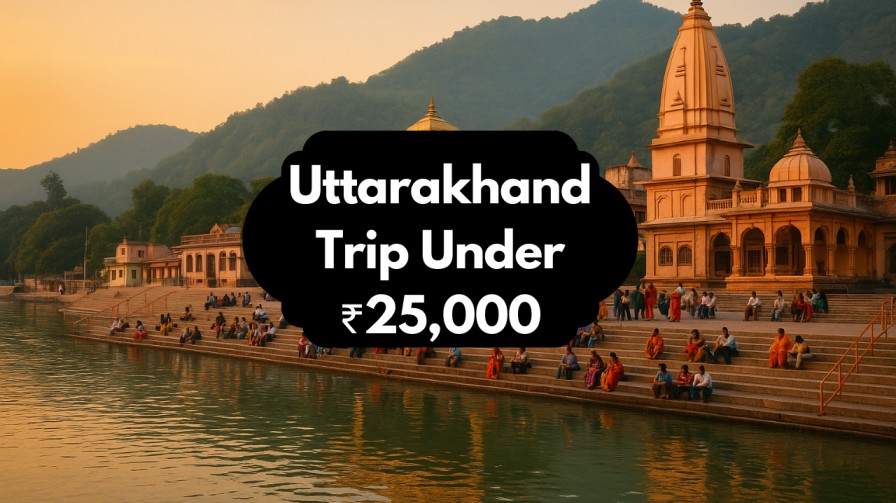
Uttarakhand Trip Under ₹25,000 – The Perfect 10-Day Budget Itinerary
When most travelers think about a Himalayan vacation, Uttarakhand immediately comes to mind. Known for its perfect blend of adventure, spirituality, and natural beauty, many assume that exploring Uttarakhand requires luxury stays and expensive activities. However, the truth is that you can experience the majestic mountains without breaking the bank. With smart planning and flexibility, it’s possible to explore Uttarakhand for under ₹25,000 in 10 days. Whether you are a college student or a family looking for a budget-friendly adventure, this guide will help you explore Uttarakhand fully without compromising on experiences. In this blog, you will find: Let’s dive into the ultimate Uttarakhand budget travel plan. Why Uttarakhand is Perfect for a Budget Trip Uttarakhand, also called Devbhoomi – The Land of Gods, is not only a spiritual hub but also a haven for budget travelers. Unlike other tourist-heavy states, Uttarakhand offers affordable accommodation, local transport, and food options, making it perfect for budget-conscious travelers. Reasons Uttarakhand is ideal for budget travel: Budget Travel Tips for Uttarakhand Before starting your journey, here are practical tips to stick to your ₹25,000 budget: 10-Day Uttarakhand Itinerary Under ₹25,000 Day 1: Delhi → Haridwar Take a morning train or Volvo bus from Delhi to Haridwar (₹500–700, 5–6 hours). Check into a budget guesthouse (₹800–1,200).Evening: Visit Har Ki Pauri for the mesmerizing Ganga Aarti. Explore the local bazaar and enjoy street food like kachoris and jalebis.Approx Cost: ₹1,500 Day 2: Haridwar → Rishikesh Travel by bus or shared auto (₹100–200). Explore Lakshman Jhula, Ram Jhula, and the Beatles Ashram. Adventure seekers can try river rafting on the Ganga (₹600–800). End the day with Ganga Aarti at Triveni Ghat. Stay in a hostel (₹800–1,000).Approx Cost: ₹1,800 Day 3: Rishikesh → Mussoorie Take a bus or shared cab (₹400–600). Check into a budget hotel (₹1,000–1,200). Visit Kempty Falls, Lal Tibba, Gun Hill, and stroll along Mall Road. Enjoy hillside cafés or maggi with a valley view.Approx Cost: ₹1,800 Day 4: Mussoorie → Dhanaulti → Kanatal Travel to Dhanaulti (₹300–500). Explore Eco Park and Surkanda Devi Temple. Continue to Kanatal for camping under the stars with a bonfire and pahadi dinner. Stay in a budget camp (₹1,200).Approx Cost: ₹2,000 Day 5: Kanatal → Chopta Drive via Rudraprayag (₹500–700). Chopta, the Mini Switzerland of India, is perfect for trekkers. Stay in a camp or guesthouse (₹1,000–1,200). Enjoy a peaceful evening in the pine forests.Approx Cost: ₹1,800 Day 6: Tungnath – Chandrashila Trek Early morning trek to Tungnath, the highest Shiva temple in the world (5 km one-way). Optionally continue to Chandrashila Peak for breathtaking Himalayan views. Hire a local guide (₹500–700, split among group). Return to Chopta for overnight stay.Approx Cost: ₹1,700 Day 7: Chopta → Joshimath → Auli Travel via Joshimath (₹600–800). Experience the Auli Ropeway (₹500–1,000), one of Asia’s longest ropeways. Explore Auli Artificial Lake and stay in a homestay or guesthouse (₹1,200).Approx Cost: ₹2,200 Day 8: Auli Exploration Spend the day exploring Auli’s meadows. In winter, rent ski gear (₹500–700). Otherwise, enjoy short hikes, photography, or alpine relaxation. Budget for meals around ₹400–500.Approx Cost: ₹1,600 Day 9: Auli → Rudraprayag → Srinagar (Uttarakhand) Travel to Srinagar via Rudraprayag (₹500–700). Visit the confluence of Alaknanda and Mandakini rivers. Stay in a budget guesthouse (₹1,000) and relax by the riverside.Approx Cost: ₹1,700 Day 10: Srinagar → Delhi Catch a bus/train via Rishikesh or Haridwar (₹800–1,000). Return to Delhi with unforgettable memories and your budget intact.Approx Cost: ₹1,500 Cost Breakdown (10 Days) With these smart choices, your 10-day Uttarakhand trip comfortably stays under ₹25,000. Extra Money-Saving Tips Conclusion This 10-day Uttarakhand itinerary under ₹25,000 proves that travel doesn’t have to be expensive. From the spiritual charm of Haridwar and Rishikesh to the scenic hills of Mussoorie, the serene beauty of Chopta, and the snowy landscapes of Auli, Uttarakhand offers something for every traveler. By choosing budget-friendly stays, local food, and shared transport, you can enjoy a rich and diverse experience without burning a hole in your pocket. Pack your bags and set off on this unforgettable budget adventure—the Himalayas are waiting with open arms. If you want to plan this trip without any stress, we are here to help you! Contact Us for Bookings & Queries: Looking for the best travel plans? Check out our top packages: Here are 3 popular packages we offer at Clan Stays: Click on the WhatsApp link above to get the best price today!
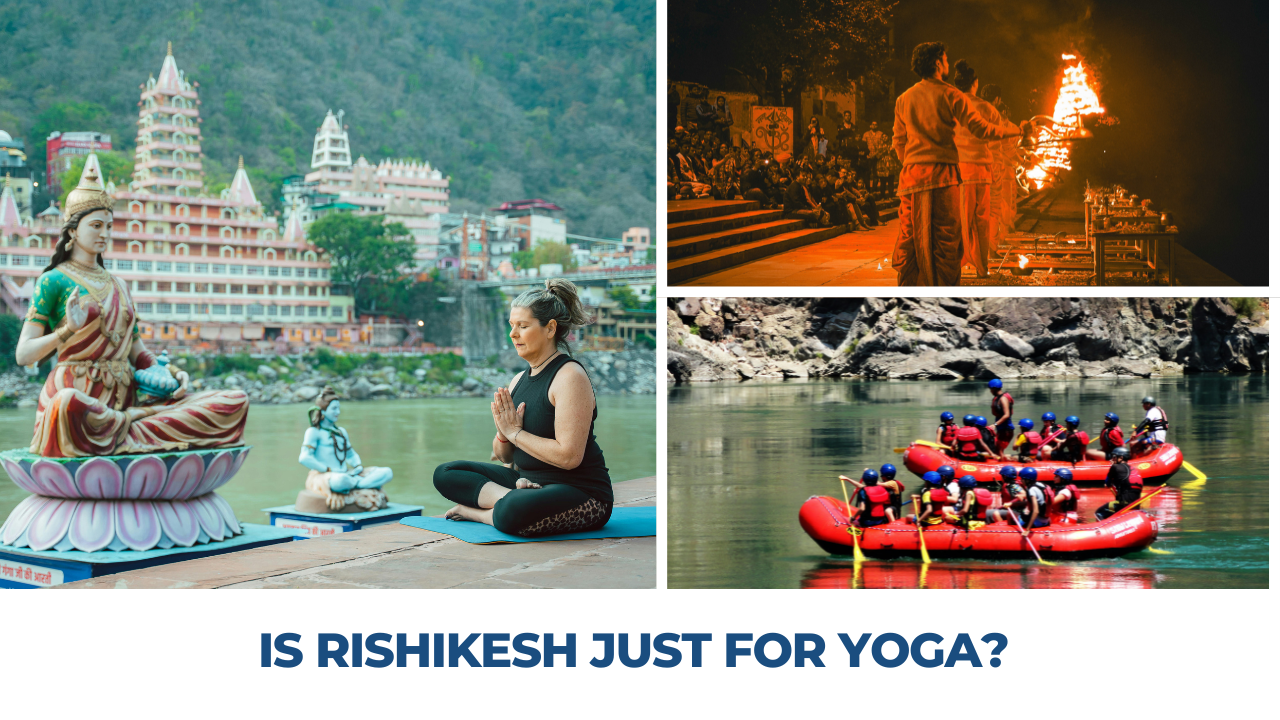
Is Rishikesh Just for Yoga? 10 Other Things You Didn’t Know You Could Do
When someone mentions Rishikesh, most people instantly think of yoga. That’s natural — for decades, Rishikesh has been known as the “Yoga Capital of the World.”Thousands of visitors from India and abroad come here every year to learn yoga, attend retreats, and find spiritual peace. But here’s the truth — Rishikesh is not just about yoga. This beautiful town in Uttarakhand is packed with adventure, culture, food, spirituality, and natural beauty.Whether you love thrill and excitement or just want peace by the river, Rishikesh has something for everyone. In this blog, you’ll discover 10 amazing things to do in Rishikesh apart from yoga.You’ll also find travel tips, FAQs, and planning ideas to help you plan your next trip. By the end, you’ll see why Rishikesh is one of the most complete travel destinations in India. 1. Go for White-Water Rafting in the Ganga One of the most popular adventure activities in Rishikesh is river rafting. The Ganga flows with strong rapids, and riding those waves is an unforgettable thrill.You can choose rafting stretches from 9 km to 35 km, depending on your comfort level. Why Try It? Best Time:September to June is ideal. Rafting is closed in July and August due to the monsoon. Tip:Always book with a licensed operator and wear safety gear — life jacket and helmet are must-haves. 2. Jump from India’s Highest Bungee Point If rafting doesn’t give you enough adrenaline, go for bungee jumping.Rishikesh has India’s highest bungee platform at Mohan Chatti, around 25 km from town. The jump height is 83 meters, and it’s a memory you’ll never forget. Tip:Avoid this if you have heart or back problems. Book your slot early on weekends or holidays. 3. Feel the Magic of Ganga Aarti at Triveni Ghat Rishikesh isn’t only about thrill — it’s also about spiritual calm.The Ganga Aarti at Triveni Ghat is a peaceful and soul-touching experience. Every evening, as the sun sets, priests perform the aarti with lamps, chants, and bhajans. The entire ghat glows with light and devotion. The energy here is beyond words. Timing: 6:30 PM to 7:30 PM daily Why Go?Even if you’re not religious, the beauty of the ritual is mesmerizing and fills you with positive energy. 4. Walk Across Ram Jhula and Laxman Jhula Rishikesh is famous for two hanging bridges — Ram Jhula and Laxman Jhula. Walking across these bridges offers stunning river views, lively markets, and playful monkeys. Why Visit? Tip:Watch out for monkeys — they love to snatch food and glasses! 5. Visit the Beatles Ashram (Chaurasi Kutia) In 1968, the legendary band The Beatles came to Rishikesh to learn meditation at Maharishi Mahesh Yogi’s Ashram.Today, the site is known as the Beatles Ashram or Chaurasi Kutia. Though abandoned, the ashram walls are covered in colorful art, graffiti, and spiritual quotes. It’s peaceful, artistic, and perfect for photography lovers. Why Visit? 6. Try More Adventure Sports and Camping For adventure lovers, Rishikesh is a paradise.Beyond rafting and bungee, you can try many other thrilling activities: Why Try?Because Rishikesh lets you blend nature with adventure.Imagine sitting by a campfire beside the Ganga, under a sky full of stars — pure bliss! 7. Explore the Food and Cafes of Rishikesh Rishikesh is also heaven for foodies.The city is vegetarian by law, and alcohol is banned. But don’t worry — the food is delicious, fresh, and soulful. Famous Cafes: Must-Try Street Foods: 8. Join Meditation and Healing Retreats Besides yoga, Rishikesh is known for meditation, Ayurveda, and sound healing.Many ashrams offer short-term retreats where you can learn to meditate, eat clean, and live stress-free. Popular Retreats: Why Join?It’s the best way to slow down, relax, and connect with your inner self. 9. Visit Temples and Explore Local Culture Rishikesh is full of ancient temples, each with a story to tell: After visiting temples, walk through local markets filled with spiritual books, handicrafts, clothes, and rudraksha malas. Explore Nearby Places Around Rishikesh Rishikesh is also a great base for short trips. Why Rishikesh Is More Than Yoga So, is Rishikesh just about yoga?Not at all. Here, you can raft on the Ganga, meditate in ashrams, sip tea at riverside cafés, or watch the sunrise over the Himalayas.Rishikesh blends adventure, peace, spirituality, and fun — all in one destination. Travel Tips for Rishikesh Frequently Asked Questions (FAQs) Q1: Is Rishikesh only for yoga lovers?No. Rishikesh offers rafting, camping, cafes, treks, and temples — not just yoga. Q2: What’s the best time to visit?February–June and September–November. Avoid July–August due to heavy rains. Q3: Is Rishikesh safe for solo travelers?Yes, it’s safe — even for women. Just avoid isolated areas at night. Q4: Can I get non-veg food or alcohol here?No, both are banned as Rishikesh is a spiritual town. Q5: How many days are enough?3–4 days are great for sightseeing and adventure. Stay a week if you’re joining a retreat. Q6: What should I not miss?River rafting, Ganga Aarti, Beatles Ashram, Ram Jhula, and camping.
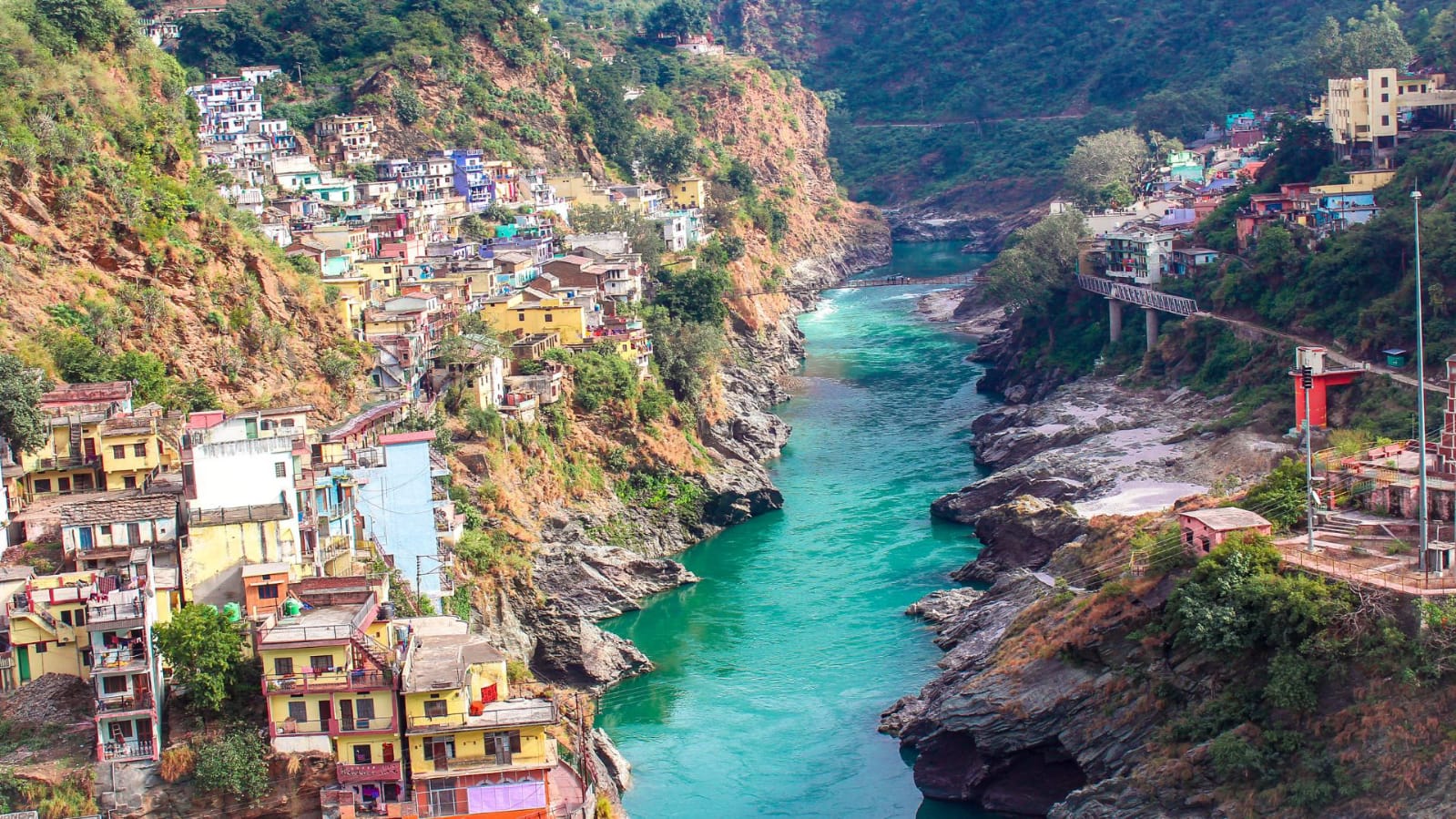
Land of Gods Uttarakhand: Spiritual Pilgrimage and Sacred Temples
Why is Uttarakhand Called the Land of Gods? Uttarakhand is often called the Land of Gods Uttarakhand because it is believed to be filled with spiritual energy. In addition, countless ancient temples and rich traditions of worship are found across the state. It is said that the divine presence can be felt in its mountains, rivers, and serene surroundings. Therefore, pilgrims and travelers visit Uttarakhand seeking peace, devotion, and a closer connection with the divine. The Spiritual Essence of Uttarakhand In Uttarakhand, nature and devotion are beautifully intertwined. Mountains, rivers, and forests create an atmosphere of calm and reflection. Moreover, many seekers are drawn to this land for meditation, inner growth, and spiritual rejuvenation. As a result, Uttarakhand has become a renowned destination for spiritual tourism Uttarakhand, offering serenity and sacredness in every corner. Meaning of “Devbhoomi” – The Land of Gods The term Devbhoomi literally means “Land of Gods.” It is believed that divine energy is present throughout Uttarakhand, in every mountain, river, and forest. Consequently, the state has been considered holy for centuries. Pilgrimages are undertaken here for prayer, meditation, and spiritual growth, making it one of India’s most revered destinations. Mythological Importance of Uttarakhand Uttarakhand is prominently mentioned in Indian mythology. It is believed to be the playground of gods and the residence of sages who performed penance for years. Furthermore, many legends suggest that divine events, such as the descent of holy rivers and visits by gods, took place in this region. Thus, its mountains, rivers, and forests are often associated with mythological stories, attracting pilgrims from across the country. Connection with Ancient Hindu Scriptures The sacred mountains, rivers, and forests of Uttarakhand are described in ancient Hindu texts like the Vedas, Puranas, and epics. It is said that meditation, penance, and divine presence were central to this land. Many temples are linked to stories of gods and sages. Therefore, Uttarakhand has been revered as a destination for spiritual growth and blessings. The Sacred Rivers: Ganga & Yamuna Uttarakhand is the source of two of India’s most sacred rivers: the Ganga and Yamuna. They are worshipped for their life-giving and purifying powers. Pilgrims often visit their sources to perform rituals and offer prayers. Moreover, these rivers are central to many mythological stories, symbolizing purity, devotion, and the divine presence in nature. Home to the Famous Char Dham Yatra The Char Dham Yatra is regarded as one of Hinduism’s most sacred pilgrimages. Every year, thousands of devotees are drawn to this journey for blessings and spiritual renewal. The pilgrimage is considered a path of faith, devotion, and inner purification. Furthermore, Uttarakhand’s natural beauty enhances the spiritual experience, making the journey both physically and spiritually enriching. Famous Temples of Uttarakhand Kedarnath Temple – Dedicated to Lord Shiva and located in Rudraprayag, Kedarnath is believed to have been built by the Pandavas and later revived by Adi Shankaracharya. Its remote Himalayan location makes the pilgrimage challenging yet spiritually rewarding. Badrinath Temple – Surrounded by snow-capped peaks and the Alaknanda River, this temple dedicated to Lord Vishnu is considered sacred for worship and spiritual learning. Devotees are drawn to this site to experience divine energy. Yamunotri Temple – Dedicated to Goddess Yamuna, Yamunotri marks the origin of the Yamuna River. A challenging trek is undertaken by pilgrims to seek blessings and purification. Gangotri Temple – Dedicated to Goddess Ganga, Gangotri marks the sacred origin of the Ganga River. According to legend, King Bhagirath brought the river to Earth through penance, and devotees visit to experience its spiritual power. Panch Kedar – Refers to five sacred Shiva temples: Kedarnath, Tungnath, Rudranath, Madhyamaheshwar, and Kalpeshwar. Each temple is believed to hold unique spiritual significance. Panch Badri – Five Vishnu temples: Badrinath, Adi Badri, Vriddha Badri, Bhavishya Badri, and Yogadhyan Badri, where devotees seek blessings and inner peace. Panch Prayag – Five sacred river confluences: Vishnuprayag, Nandaprayag, Karnaprayag, Rudraprayag, and Devprayag. These sites are regarded as holy for rituals and blessings. Sacred Cities & Spiritual Hubs Haridwar – Known as the Gateway to the Gods, Haridwar is famous for the Ganga Aarti and the Kumbh Mela festival. Rishikesh – Regarded as the Yoga Capital of the World, Rishikesh attracts devotees, yoga practitioners, and spiritual seekers globally. Its ashrams and riverside ghats provide a peaceful environment for reflection and meditation. Adi Kailash & Om Parvat – Sacred peaks representing Lord Shiva and the “Om” symbol. Pilgrims undertake treks to experience their spiritual energy. The Himalayas – Considered the abode of deities, inspiring devotion, awe, and meditation. Tungnath – The highest Shiva temple in the world, offering breathtaking Himalayan views and spiritual fulfillment. Neelkanth Mahadev – Associated with Lord Shiva consuming poison during Samudra Manthan. Pilgrims visit for blessings and rituals. Jageshwar – 124 ancient Shiva temples, referred to as the “Mini Kashi of the Himalayas.” Surkanda Devi – Temple of Goddess Parvati, believed to be one of the 51 Shakti Peethas. Kainchi Dham – The ashram of Neem Karoli Baba, known for spiritual guidance and meditation, attracting devotees worldwide. Ancient Legends, Saints, and Festivals Uttarakhand is steeped in legends and folklore, with stories of gods, sages, and divine miracles passed down for generations. Saints, rishis, and sages are said to have meditated here, performing penance and sharing spiritual wisdom. Festivals such as Ganga Dussehra, Kumbh Mela, and Makar Sankranti are celebrated with devotion, reflecting the state’s spiritual and cultural richness. Uttarakhand – The Gateway to Heaven Due to its sacred rivers, ancient temples, and majestic Himalayan landscapes, Uttarakhand is often regarded as the Gateway to Heaven. Pilgrims are said to feel a deep spiritual connection, attaining peace and devotion. Furthermore, challenging yet rewarding journeys, combined with mythological significance, create a divine experience. Travel Stress-Free with Clan Stays Planning a pilgrimage can often be overwhelming. With Clan Stays, accommodations, transport, itineraries, and local guidance are provided. Pilgrims can focus entirely on worship, exploration, and spiritual experiences. Safety, comfort, and convenience are prioritized, ensuring a smooth and memorable journey. Explore More Blogs:

Why Uttarakhand is India’s Best All-Season Destination
Uttarakhand is widely known as the best all-season destination in India because it feels magical throughout the year. In spring and summer, it’s cool breeze and blooming valleys offer a perfect escape from the city heat. Monsoons bring life to the hills, turning them lush green and painting the landscapes with wildflowers. Autumn opens up clear skies and golden forests, ideal for quiet walks and mountain views. In winter, snow blankets the mountains, creating a dreamy, romantic setting. You can plan a trip to Uttarakhand anytime, in any season, on any day—that’s what truly makes it special compared to other destinations. It’s not just a place to visit, it’s an experience that changes beautifully with time. Check our Complete Uttarakhand Travel Guide for detailed itineraries and travel tips. Table of Contents Spring in Uttarakhand – Crisp air, vibrant flowers, and unforgettable outdoor adventures In spring, Uttarakhand feels like a fresh breath of life—blooming flowers, soft sunshine, and cool mountain air. The valleys turn green, the skies stay clear, and gentle waterfalls begin to flow again. Birds sing in the background as nature slowly wakes up. For tourists, it’s the perfect time to relax, breathe, and soak in peaceful beauty. Spring is the perfect season to explore these vibrant spots: Summer in Uttarakhand – Cool hill stations, pilgrimages, and thrilling adventures Summer in Uttarakhand brings cool mountain breezes and vibrant sunshine, perfect for thrilling river rafting and cozy riverside camping under starry skies. Trek through blooming alpine meadows and scenic trails that reveal the Himalayas in their full glory. Participate in sacred yatra journeys to ancient temples, experiencing deep spirituality and colourful local festivals. Explore dense forests on wildlife safaris, spotting exotic birds and elusive wildlife. Enjoy cable car rides and boating on serene lakes surrounded by lush greenery. Feel the adrenaline rush with paragliding and ziplining over breathtaking valleys, soaking in the crisp mountain air. Beat the heat by discovering these refreshing summer escapes: Monsoon in Uttarakhand – Lush greenery, peaceful retreats, and the Valley of Flowers Monsoon in Uttarakhand brings the hills alive with vibrant green forests and misty, rain-dappled valleys. The cool, fresh air carries the scent of wet earth and blossoming flora, creating a peaceful and rejuvenating atmosphere. It’s an ideal time for gentle nature walks along lush trails, capturing waterfalls in full flow through your lens, and enjoying quiet moments of spiritual reflection. Wildlife comes alive, making it a great season for mindful animal and bird watching. Though heavy rains limit intense treks, easy hikes and cultural visits provide a soulful connection to the land. Be prepared with rain gear to fully embrace the serene monsoon magic. Visit these places when the hills turn vibrant with rain: Autumn in Uttarakhand – Clear skies, festive vibes, and golden landscapes Autumn in Uttarakhand paints the landscape in warm hues of gold, amber, and crimson beneath clear blue skies. Gentle breezes carry the scent of pine and fallen leaves, while rivers sparkle under soft sunlight. It’s the perfect season for trekking, peaceful nature walks, and capturing stunning photographs. Panoramic mountain views and vibrant forests create a serene atmosphere that invites quiet reflection. The calm surroundings offer a soulful escape into nature’s tranquil beauty. Don’t skip these places when the hills wear autumn’s charm: Winter in Uttarakhand – Snowy escapes, skiing, and cozy mountain getaways Winter in Uttarakhand brings quiet snowfall over hills, forests, and rooftops, turning villages and valleys into peaceful white landscapes. The mornings are crisp, with frost-covered trees and smoke curling from chimneys. Sunlight filters through icy skies, casting a golden glow on distant snow-covered peaks. Streams slow down, and the silence of the mountains deepens. Locals go about their routines wrapped in wool, while visitors enjoy the stillness, warmth of bonfires, and the raw beauty of the cold. Winter isn’t complete until you’ve been here: Cultural and Spiritual Diversity – Year-round festivals, traditions, and sacred spaces Uttarakhand, known as Dev Bhoomi (Land of the Gods), is deeply rooted in spiritual practice and cultural tradition. The state is home to the sacred Char Dham Yatra — Yamunotri, Gangotri, Kedarnath, and Badrinath — which draws lakhs of pilgrims each year, especially in summer and early autumn. These shrines are not just places of worship but deeply connected to mythological and historical roots. Beyond Char Dham, spiritual centres like Haridwar (famous for the Ganga Aarti at Har Ki Pauri) and Rishikesh (known for yoga, ashrams, and the International Yoga Festival) attract both devotees and seekers worldwide. Other revered sites include Hemkund Sahib, Neelkanth Mahadev, Jageshwar Dham (with over 100 ancient temples), Baijnath Temple, and Mahasu Devta Temple in Jaunsar-Bawar region. The cultural calendar is vibrant too — festivals like Harela, Phool Dei, Ganga Dussehra, Kandali Festival, and Makar Sankranti reflect the rhythms of agriculture, nature, and local beliefs. Regional folk music like Jagar, Mangal, Jhoda, and traditional dances like Chholiya enrich every celebration. In Uttarakhand, spirituality is not separate from daily life — it flows through every season, every valley, and every village. From grand yatras to simple forest shrines, this is truly the best all-season destination in India where faith and culture breathe in harmony.
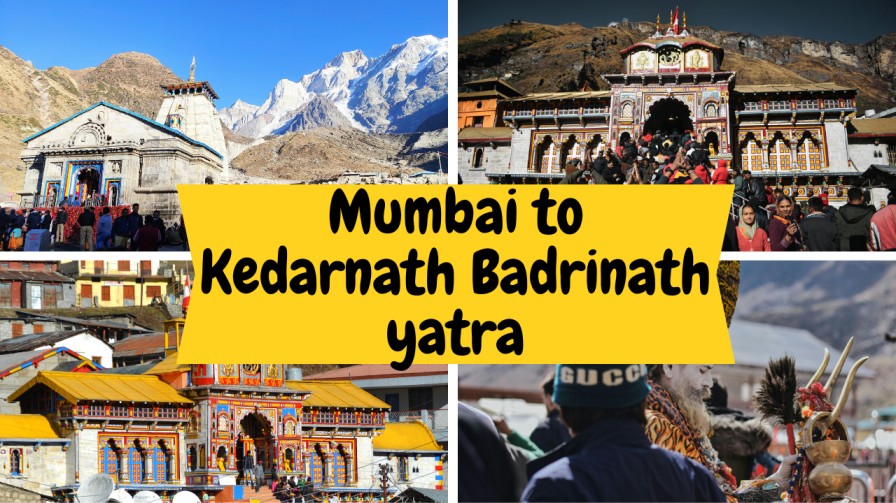
How to Plan Kedarnath and Badrinath Yatra from Mumbai?
Introduction Planning to go to Kedarnath and Badrinath from Mumbai? If yes, you’re not alone. Every year, thousands of travellers from (Mumbai) Maharashtra and nearby states travel to these two Famous temples, Kedarnath and Badrinath. But planning a Kedarnath-Badrinath trip from Mumbai can feel confusing. Which route should you take? How many days are enough? What will be the cost of the package? Don’t worry — in this guide, I explain everything in simple words, just like a friend guiding you. 1. How to Reach Kedarnath and Badrinath from Mumbai There is no direct train or flight to Kedarnath or Badrinath, so you need to combine different modes of travel. Here are your options: Tip: The most convenient way is to take a Mumbai–Dehradun flight and then book a Kedarnath-Badrinath temple tour package by road. 2. Ideal Duration of the Yatra If you’re starting from Mumbai, you should keep at least 7 to 9 days in hand. Here are two rough ideas: ITINERARY 1 If you opt for a Kedarnath Badrinath helicopter package, you can finish the trip in 4–5 days. 3. Cost of Kedarnath and Badrinath Yatra Package The Kedarnath-Badrinath Yatra package cost depends on: On average: Kedarnath Badrinath road trip package from Haridwar is the most common and affordable. Helicopter packages are faster but more expensive than the road package. 4. Best Time to Visit The temples open in April/May and close by October/November (exact dates change every year ). If you want to avoid the rush and rains, book your Kedarnath Badrinath temple tour package in September and October. 5. Travel Tips for a Smooth Kedarnath Badrinath Yatra 6. Local Experiences You Shouldn’t Miss Apart from the main temple darshan, here are some nearby sightseeing: These sights will make your Char dham yatra memorable. 7. Why Book with a Travel Agency Like Clanstays? While you can plan the trip on your own, booking a Kedarnath Badrinath package with a reliable agency saves you stress. With Clanstays Private Limited, you get: This way, you can focus on the darshan and not face any problems during the yatra. FAQs About Kedarnath and Badrinath Yatra from Mumbai Q1. How many days are required for the Kedarnath and Badrinath Yatra from Mumbai? It generally takes around 8–11 days by road, and if you take a private charter, then it will take 4–5 days. Q2. Can senior citizens visit Kedarnath? Yes, but it is advised to take a helicopter ride or pony service for the trek to Kedarnath, and in Badrinath, you don’t have to trek; hotels are 200 meters from the temples. Q3. What is the distance between Kedarnath and Badrinath? It takes about 225 km by road, and you can visit Chopta if you have time for the same. Q4. Is the mobile network available in Kedarnath and Badrinath? Mostly Airtel, BSNL, and Jio work properly, but the signal may be weak near the Kedarnath temple. Q5. What is the best month to book a Kedarnath Badrinath tour package? May–June for peak season, overcrowded, September–October for clear weather and fewer crowds. Conclusion If you are planning a Kedarnath and Badrinath Yatra from Mumbai is not as complicated as it seems. With the right plan and a trusted travel agency like Clanstays Private Limited, you can enjoy your journey. Whether you want a deluxe road trip package or a fast helicopter yatra, Clanstays Private Limited is here to help you with multiple customized options. Ready to start your divine journey? Contact Clanstays Private Limited today or WhatsApp/Call us at 8077168632 for the best Kedarnath-Badrinath tour packages from Mumbai.
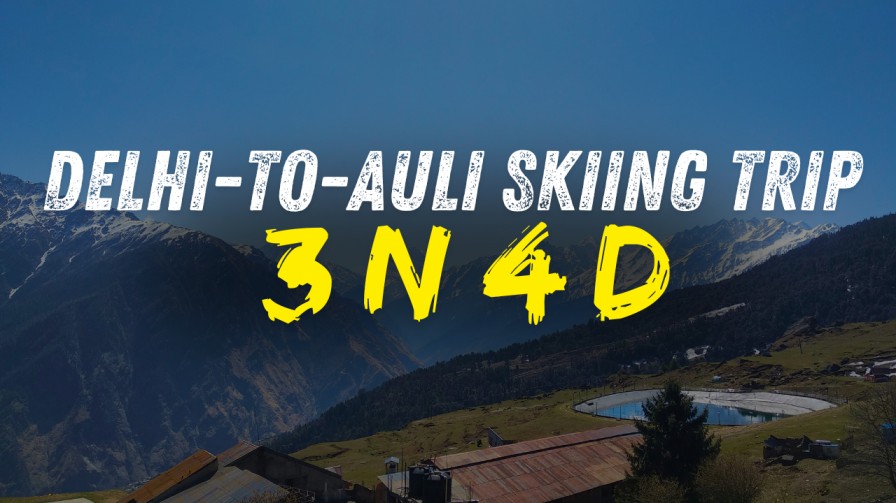
How Much Does a Delhi-to-Auli Skiing Trip (3 Nights / 4 Days) Cost?
“Note: This post was updated on 12th December 2025 with the latest prices and info.” Introduction If you’re looking for a cozy winter holiday, Auli in Uttarakhand is one of the most popular places to visit. Just imagine—a snow-covered mountain with fresh air that instantly makes you forget city stress. Many travelers from Delhi plan a 3-night/4-day Auli winter tour package because it’s the perfect short break. But the first question that comes to mind is: How much will the trip cost? In this blog, I will break down the expenses, share some local tips, and give you an idea of what to do when you book an Auli ski package in Uttarakhand. 1. How to Reach Auli from Delhi Tip: If you’re planning a honeymoon trip to Auli, the cable car ride from Joshimath to Auli (about 4 km long) feels magical in winter. (Add ropeway details from GMVN Online) 2. Average Cost of a Delhi-to-Auli Skiing Trip (3 Nights / 4 Days) The cost mainly depends on how you travel and where you stay. Here’s a rough idea: Total Estimate for 3N/4D Trip From Delhi 3. Best Time to Visit Auli for Skiing The skiing festival is held from late December to March, when the slopes are covered with snow. Tip: Avoid planning in the peak New Year week if you’re on a budget trip. Prices have almost tripled due to demand. 4. Where to Stay When Travelling to Auli Auli offers a mix of budget stays, government lodges, and luxury resorts. Local insight: If you want to see beautiful views of Nanda Devi peak, ask your travel agency for a mountain-facing room. 5. Things to Do in Auli Besides Skiing While skiing is the main attraction, Auli has more to offer: 6. Sample Itinerary for 3 Nights / 4 Days Here’s a quick plan you can follow: Tip: For Honeymoon couples, adding a night stay in Rishikesh with a Ganga view room while returning makes the trip more special. 7. Travel Tips for Auli Ski Packages, Uttarakhand FAQs About Auli Winter Tour Packages 1. Is Auli safe for couples and families?Yes, Auli is very safe for women. Most hotels only cater to families and honeymooners. Roads can get slippery, so always ask your travel agency to give you local drivers. 2. How much does an Auli honeymoon package in winter cost?A decent 3N/4D Auli honeymoon package starts from ₹35,000 per couple (budget) and goes up to ₹70,000 for luxury stays. 3. Do I need prior skiing experience?Not at all. Beginners can easily learn skiing with local instructors but try to book your ski trainer in advance. 4. Can I visit Auli without skiing?Yes! Many people go just to enjoy the snow, the cable car ride, the mountain views, and the Trek to Gurso Bugyal. 5. What’s the cheapest way to reach Auli from Delhi?Take a train from Delhi to Haridwar/Rishikesh and then a shared taxi or bus to Joshimath. It saves a lot compared to private taxis. 6. Which is better staying in Auli or Joshimath?Staying in Auli is expensive, or if you want to experience the Nanda Devi peaks from your hotel. Joshimath is cheaper and has more food options. Conclusion It is not about just skiing in Auli—it’s about experiencing the charm of the Nanda Devi Peaks in winter. Whether you’re planning a honeymoon, a family trip, or an adventure holiday, Auli has something for everyone. For a Delhi to Auli 3 nights / 4 days package, costs can vary from ₹12,000 to ₹45,000 per person, depending on comfort and activities. Want a customized plan? At Clanstays Private Limited, we create tailor-made Auli winter tour packages with stays, transport, and skiing lessons included. Contact us today, and let’s plan your perfect holiday package to Auli! “Note: This post was updated on 12th December 2025 with the latest prices and info.”