

Introduction – Discover the Beauty of Uttarakhand in 2026 If you’re planning a Himalayan vacation in 2026, Uttarakhand should be on top of your list. Known as the Land of the Gods (Dev Bhumi), it’s a perfect blend of spirituality, nature, and adventure. With its snow-covered peaks, crystal-clear rivers, and serene temples, Uttarakhand promises a travel experience you’ll never forget. In this blog, we’ll explore the top 25 tourist places in Uttarakhand 2026, including famous hill stations, peaceful lake towns, sacred pilgrimage sites, and scenic valleys. Whether you love exploring mountains, seeking divine blessings, or simply relaxing in nature — Uttarakhand has something special for you. Let’s dive into the best places to explore in this magical Himalayan state. Top 25 Tourist Places to Visit in Uttarakhand 2026 1. Nainital – The Lake District of India Nainital is one of the most famous tourist places in Uttarakhand and a favorite for families and honeymooners. The heart of the town is Naini Lake, where you can enjoy boating surrounded by misty hills.Walk through the Mall Road, taste local food, and shop for woollens and souvenirs. Visit Snow View Point for panoramic mountain views and take a ropeway ride for an aerial view of the beautiful valley. Top Attractions: Naini Lake, Naina Devi Temple, Tiffin Top, and Eco Cave GardenBest Time to Visit: March to June and October 2. Mussoorie – The Queen of Hills Mussoorie sits at an altitude of 6,500 feet and offers breathtaking views of Doon Valley. It’s one of the top hill stations in Uttarakhand, known for its colonial charm, waterfalls, and cool climate.Stroll through Camel’s Back Road, visit Kempty Falls, and enjoy shopping at the Mall Road. You can also take the ropeway to Gun Hill Point, one of the best spots to view the Himalayan range. Must Visit: Kempty Falls, Gun Hill, Company Garden, and Lal TibbaBest Time: March to June, September to November 3. Rishikesh – The Yoga and Adventure Capital Rishikesh is a mix of peace and adventure — perfect for those who want both spirituality and thrill. Known as the Yoga Capital of the World, Rishikesh attracts visitors for its meditation centres, yoga retreats, and the famous Ganga Aarti at Triveni Ghat.Adventure lovers can enjoy river rafting, bungee jumping, and camping by the river. Top Attractions: Laxman Jhula, Ram Jhula, Beatles Ashram, Neelkanth TempleBest Time: February to May, September to November 4. Haridwar – Gateway to the Gods Haridwar is one of India’s oldest holy cities and a major pilgrimage destination. The city comes alive every evening with the Ganga Aarti at Har Ki Pauri, where thousands gather to offer prayers.Apart from its spiritual side, Haridwar is also known for traditional fairs, temples, and Ayurvedic centres. Highlights: Har Ki Pauri, Mansa Devi Temple, Chandi Devi TempleBest Time: October to March 5. Auli – The Skiing Paradise Auli is one of the most beautiful places to visit in Uttarakhand 2026, especially in winter. Surrounded by snow-capped peaks, it’s India’s premier skiing destination.The Auli Ropeway offers breathtaking views of Nanda Devi Peak, and in summer, the meadows turn lush green, making it ideal for trekking and photography. Must Do: Skiing, Auli Ropeway, and Gurso Bugyal TrekBest Time: December to March for snow, May to June for greenery 6. Chopta – Mini Switzerland of India Chopta is a hidden gem surrounded by thick forests and meadows. It’s the starting point for the Tungnath Temple trek — the highest Shiva temple in the world.Chopta’s natural beauty makes it perfect for camping, bird watching, and stargazing. It’s less crowded and ideal for those who love quiet mountain life. Top Experiences: Tungnath & Chandrashila Trek, Deoria Tal LakeBest Time: March to June, October to December 7. Kedarnath – Sacred Temple in the Himalayas Kedarnath is one of the Char Dham pilgrimage sites and holds great spiritual importance. The temple stands at 11,755 ft, surrounded by snow-capped mountains.The 16 km trek from Gaurikund to Kedarnath is both challenging and rewarding. Pilgrims visit between May and October when the shrine is open. Don’t Miss: Kedarnath Temple, Bhairavnath Temple, Gandhi SarovarBest Time: May to October 8. Badrinath – Abode of Lord Vishnu Badrinath is another Char Dham destination and one of the most revered tourist attractions in Uttarakhand. Located on the banks of the Alaknanda River, it offers stunning views of the Himalayas. Must Visit: Badrinath Temple, Mana Village (last Indian village), Tapt Kund, and Vasudhara FallsBest Time: May to October 9. Valley of Flowers – Heaven on Earth A UNESCO World Heritage Site, the Valley of Flowers is famous for its vibrant meadows blooming with hundreds of rare Himalayan flowers. The valley also attracts trekkers and photographers from around the world. Trek Route: Govindghat → Ghangaria → Valley of FlowersBest Time: July to September 10. Ranikhet – Peaceful Hill Town Ranikhet, meaning “Queen’s Meadow”, offers peaceful surroundings, pine forests, and beautiful Himalayan views. It’s ideal for family holidays and nature walks. Top Attractions: Jhula Devi Temple, Chaubatia Garden, Golf Course, and Kumaon Regimental MuseumBest Time: March to June, September to November 11. Almora – The Cultural Heart of Kumaon Almora is known for its rich culture, heritage temples, and local cuisines. The peaceful hill station provides an authentic experience of Kumaoni life. Don’t Miss: Kasar Devi Temple (famous for its spiritual energy), Bright End Corner, Deer Park, and Lal Bazaar for shoppingBest Time: April to June, September to November 12. Lansdowne – The Hidden Gem Lansdowne is one of the best hill stations in Uttarakhand if you want peace away from crowds. The town is well-maintained, clean, and offers charming colonial-era architecture. Highlights: Bhulla Lake, Tip-in-Top Viewpoint, War Memorial, and St. Mary’s ChurchBest Time: All year round, especially March to June 13. Munsiyari – Land of Snow Peaks Located near the India-Nepal border, Munsiyari is a paradise for trekkers and photographers. The snow-covered Panchachuli Peaks create a postcard-perfect view. Top Experiences: Milam Glacier Trek, Birthi Falls, and Khaliya Top TrekBest Time: April to June, October to November 14. Binsar –
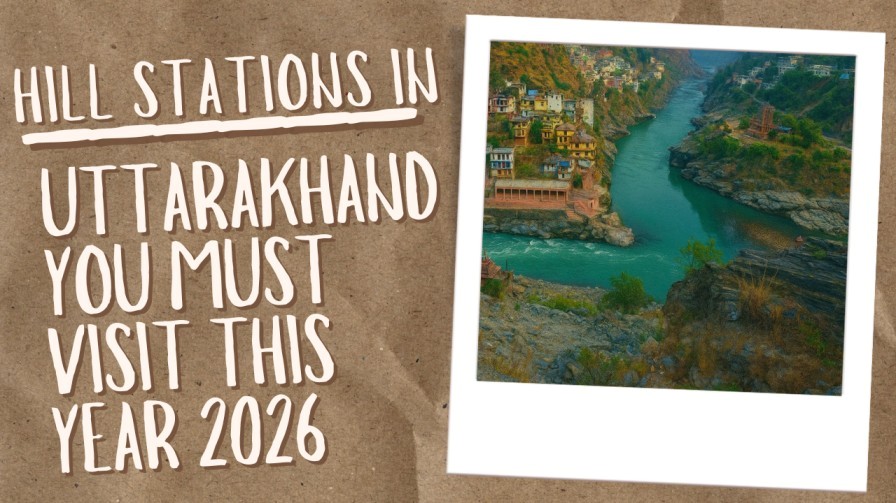
Hill Stations in Uttarakhand You Must Visit This Year 2026
If you’re craving cool mountain air, pine forests, and peaceful Himalayan views — Uttarakhand is the perfect place for your next trip! Known as Devbhoomi (the Land of Gods), this beautiful state is home to some of the most stunning Hill Stations in Uttarakhand that welcome travellers throughout the year. Whether you love adventure, nature, or just want to relax in the mountains, Uttarakhand has something special for everyone. The state is filled with charming towns, misty valleys, sparkling lakes, and snow-covered peaks that will make you fall in love with the mountains. From the lively streets of Mussoorie and the calm lakes of Nainital, to the snowy slopes of Auli and the untouched beauty of Chopta, every hill station has its own unique story and charm. These hill stations are not only perfect for families and couples but also ideal for solo travellers looking for peace and inspiration. Whether you’re planning a summer escape, a romantic winter holiday, or an adventure trek — Uttarakhand has it all. Mussoorie – The Queen of Hills Mussoorie is one of the most famous hill stations in Uttarakhand, known for its lively streets and panoramic mountain views. It’s perfect for honeymooners, families, and solo travellers. The hill station has colonial charm, with old buildings and scenic viewpoints. You can enjoy peaceful walks along winding roads, as well as adventure activities like trekking and cable car rides. Top Attractions: Kempty Falls, Mall Road, Lal Tibba, Gun Hill, Camel’s Back RoadBest Time to Visit: March to June & September to November Distance: 280 km from Delhi, 35 km from Dehradun Nainital – Lake District of India Distance: 300 km from Delhi, 70 km from KathgodamNainital is known for its emerald lakes, pleasant weather, and surrounding hills. Ideal for boating, shopping, and leisure trips. The town has colonial architecture and charming hotels with lake views. Visitors can also enjoy short treks to nearby viewpoints and explore the bustling markets for souvenirs. Top Attractions: Naini Lake, Snow View Point, Naina Devi Temple, Mall Road, Tiffin TopBest Time to Visit: March to July & October Distance: 300 km from Delhi, 70 km from Kathgodam Almora – Cultural Heart of Kumaon Almora is rich in culture and history. Its quiet charm, ancient temples, and heritage markets make it perfect for slow travellers. Surrounded by lush hills, the town offers panoramic sunrise and sunset views. Visitors can also explore nearby villages to experience local Kumaoni traditions and cuisine. Top Attractions: Kasar Devi Temple, Bright End Corner, Chitai Temple, Almora Bazaar, Zero PointBest Time to Visit: April to June & September to November Distance: 350 km from Delhi, 65 km from Nainital Auli – Skiing Paradise of India Auli is famous for skiing and adventure sports. Its snow-capped slopes attract tourists from across India. During summers, the lush meadows are perfect for trekking and nature photography. The ropeway ride offers one of the best aerial views of the Himalayan peaks. Top Attractions: Auli Artificial Lake, Ropeway, Gurso Bugyal, Nanda Devi Viewpoint, Skiing SlopesBest Time to Visit: December to March (snow), March to June (greenery) Distance: 520 km from Delhi, 16 km from Joshimath Ranikhet – Land of Orchards and Temples Ranikhet is surrounded by pine forests and apple orchards. The town is calm, making it perfect for relaxation and short treks. It also has colonial-era buildings and quaint cottages for a peaceful stay. Adventure lovers can enjoy walking trails and panoramic views of snow-capped peaks nearby. Top Attractions: Chaubatia Gardens, Golf Ground, Jhula Devi Temple, Kumaon Regimental Centre, Bhalu DamBest Time to Visit: March to June & September to November Distance: 370 km from Delhi, 58 km from Almora Lansdowne – Quiet & Serene Cantonment Town Lansdowne is an offbeat, tranquil hill station surrounded by oak and pine forests. Perfect for travelers looking for peace. The town has charming colonial architecture and quiet streets ideal for walking. Nature enthusiasts can enjoy bird watching and explore nearby forest trails. Top Attractions: Tip-in-Top Point, Bhulla Tal, War Memorial, St. Mary’s Church, Trekking TrailsBest Time to Visit: October to April Distance: 260 km from Delhi, 80 km from Kotdwar Binsar – Heaven for Nature Lovers Binsar is surrounded by the Binsar Wildlife Sanctuary, making it ideal for nature lovers and photographers. The views of snow-capped Himalayan peaks are breathtaking. It’s a great place to disconnect from city life and enjoy calm treks amidst dense forests. The sanctuary also provides excellent opportunities for spotting wildlife. Top Attractions: Zero Point, Binsar Sanctuary, Binsar Mahadev Temple, Sunset Point, Trekking TrailsBest Time to Visit: March to June & October to November Distance: 370 km from Delhi, 30 km from Almora Mukteshwar – Offbeat & Peaceful Retreat Mukteshwar is perfect for couples, solo travelers, and nature lovers. It offers peace, orchards, and Himalayan views. The town is dotted with apple orchards and quiet trails perfect for early morning walks. Adventure enthusiasts can also try rock climbing and photography amidst pristine landscapes. Top Attractions: Mukteshwar Temple, Chauli Ki Jali, Bhalu Gaad Waterfall, Sunrise Point, Nature WalksBest Time to Visit: Throughout the year Distance: 345 km from Delhi, 50 km from Nainital Chopta – Mini Switzerland of India Chopta is famous for trekking, camping, and scenic meadows. It is the base for the Tungnath Temple trek and Chandrashila Peak. The area is surrounded by thick forests and offers peaceful nature walks. Photographers love Chopta for sunrise and sunset shots of the Himalayan ranges. Top Attractions: Tungnath Temple, Chandrashila Trek, Deoria Tal, Camping Sites, Meadows & ForestsBest Time to Visit: March to November Distance: 230 km from Rishikesh, 29 km from Ukhimath Kausani – Viewpoint of the Himalayas Kausani is known as the “Switzerland of India” for its breathtaking Himalayan views. The town is small, quiet, and perfect for photography or meditation. Visitors can enjoy walks in tea gardens or relax at viewpoints that provide panoramic mountain vistas. Local handicrafts and woolens are also popular souvenirs. Top Attractions: Anasakti Ashram, Baijnath Temple, Tea Gardens, Sunset Point, Local MarketsBest Time to Visit:

Best Time to Visit Uttarakhand – Complete Travel Guide 2026
Introduction – Discover the Perfect Season to Visit Uttarakhand Planning a trip to Uttarakhand in 2026? You’re about to explore one of India’s most breathtaking regions — the Land of Gods, where the mighty Himalayas meet the sacred Ganges. This Uttarakhand weather and season guide 2026 helps you decide when to visit Uttarakhand for vacation, whether you want to experience snow adventures, peaceful valleys, or spiritual bliss. Every season here offers something special — let’s find your perfect time to visit. Understanding Uttarakhand’s Weather & Seasons Uttarakhand’s weather changes dramatically with altitude — from warm plains in Haridwar to freezing peaks near Kedarnath. Season Months Temp (°C) Best For Spring Feb – Mar 10 – 25 Trekking, flowers, nature walks Summer Apr – Jun 15 – 30 Hill stations, Char Dham Yatra Monsoon Jul – Sep 18 – 25 Waterfalls, peaceful retreats Autumn Oct – Nov 10 – 20 Clear skies, photography Winter Dec – Feb –2 – 15 Snow, skiing, honeymoon trips Spring (February – March) – The Season of Blossoms Best for: Valley treks, scenic photography, short nature getaways Spring transforms Uttarakhand into a painter’s dream. Hills glow with red rhododendrons, rivers sparkle, and mild temperatures make it ideal for outdoor adventures. Where to Go Tip: Carry light woollens; mornings and evenings stay cool. Summer (April – June) – The Most Popular Travel Season Best for: Families, Char Dham pilgrims, and adventure lovers Summer is the best season to visit Uttarakhand 2026. The weather is pleasant, roads are open, and it’s the time for the sacred Char Dham Yatra (Yamunotri, Gangotri, Kedarnath, Badrinath). Top Summer Destinations: Pro Tip: This is peak season — book hotels early for the best rates. Monsoon (July – September) – Peaceful & Offbeat Adventures Best for: Nature lovers, photographers, and solitude seekers Monsoon brings lush greenery and misty mornings, making it perfect for offbeat travel. Waterfalls, forests, and rivers come alive, creating postcard views. Top Experiences: Safety Tip: Avoid remote treks during heavy rainfall; check weather updates before traveling. Autumn (October – November) – Golden Horizon & Clear Views Best for: Photographers, road trippers, and temple visits Autumn brings crisp air, golden landscapes, and the clearest skies of the year. The Himalayas appear crystal-clear, making it the best time for long drives and darshan trips. Recommended Places: Did You Know? The International Yoga Festival in Rishikesh is usually held around this time. Winter (December – February) – Snow and Serenity Best for: Snow lovers, honeymooners, and skiers Winter wraps Uttarakhand in snow. Whether it’s skiing in Auli or sipping tea beside a fireplace in Chopta, this is the coziest season to explore. Top Winter Destinations: Tip: Visit between late December and early February for the best snowfall. Uttarakhand Weather by Month Month Avg Temp (°C) Experience January 2–10 Snow & skiing season February 5–15 Early spring bloom March 10–20 Ideal for sightseeing April 15–25 Char Dham Yatra begins May 20–30 Peak summer vacation June 18–25 Pleasant weather July 20–24 Lush monsoon beauty August 20–25 Offbeat exploration September 18–22 Post-rain clarity October 10–20 Clear skies & photos November 8–18 Calm, cool weather December –2–10 Snowfall & cozy stays Top Destinations by Season Season Where to Go Spring Chopta, Auli, Valley of Flowers Summer Rishikesh, Mussoorie, Badrinath Monsoon Bhimtal, Mukteshwar, Almora Autumn Ranikhet, Haridwar, Auli Winter Chopta, Munsiyari, Auli Best Experiences by Month Travel Tips for Uttarakhand 2026 Frequently Asked Questions (FAQs) 1. Best time to visit Uttarakhand in 2026?March–June offers pleasant weather for sightseeing, while October–February is perfect for snow lovers and winter adventures. 2. Can I travel to Uttarakhand during monsoon?Yes, July–September is ideal for peaceful stays, but avoid remote hill areas due to heavy rainfall and possible landslides. 3. Which month has snowfall in Uttarakhand?December–February brings snowfall in Auli, Chopta, and Munsiyari — perfect for skiing and winter photography. 4. When does the Char Dham Yatra open in 2026?The Yatra usually begins in mid-April or early May; exact temple opening dates are announced closer to the season. 5. Which month is best for honeymoon trips in Uttarakhand?December–January offers snowy romantic escapes, while April–May provides cozy hill-station weather for couples. Conclusion – Plan Your Trip with Clan Stays From spring’s colorful meadows to winter’s snowy peaks, every season in Uttarakhand tells its own story. Whether you seek spirituality, adventure, or calm, this Uttarakhand travel guide 2026 helps you plan perfectly. Let Clan Stays Private Limited craft your dream Uttarakhand trip — from personalized itineraries to handpicked stays — so you can experience the Himalayas effortlessly. Contact Clan Stays today and make 2026 your year of Himalayan discovery.
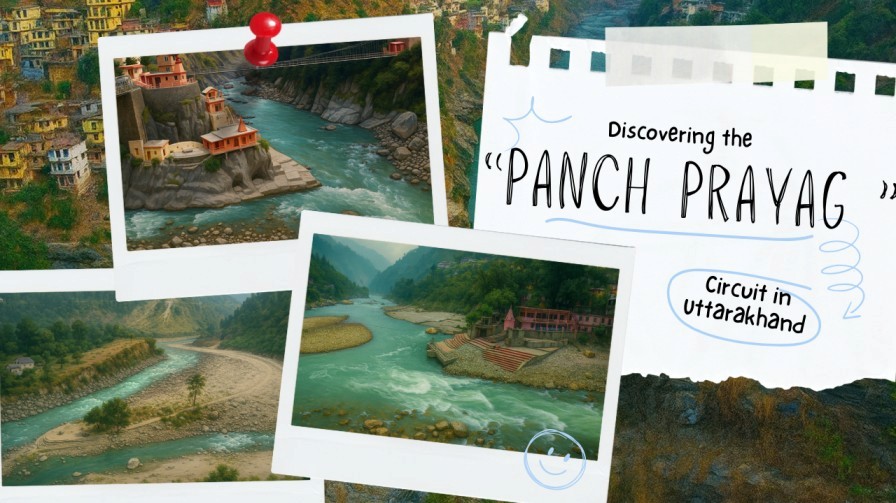
Discovering the Panch Prayag Circuit in Uttarakhand
The Panch Prayag refers to five sacred confluences in Uttarakhand where different rivers merge before forming the holy River Ganga. These five Prayags — Vishnuprayag, Nandaprayag, Karnaprayag, Rudraprayag, and Devprayag — hold immense spiritual significance for devotees. It is believed that taking a dip in the waters at these confluences purifies the soul, washes away sins, and brings peace. Each Prayag beautifully represents the harmony between nature and faith, symbolizing unity, devotion, and liberation from worldly attachments (moksha). Vishnuprayag – Where the Holy Rivers First Meet Vishnuprayag is the first confluence among the five holy Prayags of Uttarakhand. Here, the Alaknanda River, flowing from the Satopanth Glacier near Mana village, meets the Dhauliganga River, which originates near the Niti Pass close to the Indo-Tibet border. Bathing is not permitted due to the strong water currents, but pilgrims visit to offer prayers and witness this divine union of rivers. Vishnuprayag marks the starting point of the Panch Prayag Yatra and lies on the road to Badrinath Dham. Location: Religious History & Beliefs:According to legend, Sage Narada meditated here to please Lord Vishnu. The Lord appeared and blessed this confluence with divine energy. The ancient Vishnu Temple, built by Queen Ahilyabai Holkar of Indore, stands near the confluence. Devotees believe that a holy dip here purifies the soul, removes sins, and grants peace and protection. Vishnuprayag beautifully symbolizes the union of divine power and natural beauty. What to See Near Vishnuprayag: Nandaprayag – The Place of Peace and Devotion Nandaprayag is the second confluence among the Panch Prayag. It is where the Alaknanda River, flowing from Satopanth Glacier near Badrinath, merges with the Nandakini River, originating from the Nandaghunti Glacier near Trishul Peak. This peaceful site is known for its calm surroundings and spiritual purity. Bathing is allowed here, and it is believed that a dip in these sacred waters cleanses sins and brings peace to the soul. Nandaprayag lies on the Badrinath Highway, making it a key stop on the Yatra. Location: Religious History & Beliefs:According to belief, King Nanda, the foster father of Lord Krishna, performed a yagna (holy ritual) here to please Lord Vishnu. The confluence was named after him, and devotees believe that bathing here brings harmony, happiness, and divine grace. What to See Near Nandaprayag: Karnaprayag – The Land of Strength and Faith Karnaprayag is the third sacred confluence where the Alaknanda River, descending from Satopanth Glacier, meets the Pindar River, originating from the Pindari Glacier in the Kumaon region. Surrounded by lush valleys and mountain slopes, it radiates serenity and devotion. Bathing is permitted, and devotees believe a dip here brings strength, courage, and spiritual purification. Location: Religious History & Beliefs:According to Hindu mythology, Karna, the great warrior from the Mahabharata, meditated here to please the Sun God (Surya). The Sun God granted him the Kavach (armor) and Kundal (earrings), making him invincible. Hence, the place was named Karnaprayag, symbolizing bravery, sacrifice, and devotion. Praying here is believed to remove negativity and instill inner strength. What to See Near Karnaprayag: Rudraprayag – The Meeting Point Blessed by Lord Shiva Rudraprayag is the fourth confluence of the Panch Prayag and marks the meeting of the Alaknanda River from Satopanth Glacier and the Mandakini River from the Chorabari Glacier near Kedarnath. Named after Lord Shiva (Rudra), this place is filled with divine energy. The merging rivers create a spectacular and peaceful sight that fills the air with spiritual vibrations. Location: Religious History & Beliefs:As per legend, Lord Shiva appeared here as Rudra to bless Sage Narada, who meditated to learn music. It is also believed that Goddess Parvati performed penance here to win Shiva’s heart. Rudraprayag symbolizes spiritual awakening and transformation. A dip in the holy waters is said to remove sins and grant inner peace. What to See Near Rudraprayag: Devprayag – Where the Ganga Begins Her Sacred Journey Devprayag is the fifth and final confluence of the Panch Prayag. Here, the Alaknanda River from Satopanth Glacier meets the Bhagirathi River from Gaumukh Glacier near Gangotri. Their union marks the birth of the holy River Ganga. Surrounded by steep hills and ancient temples, Devprayag is one of the most sacred spots in the Himalayas. Location: Religious History & Beliefs:According to mythology, King Bhagirath performed penance here to bring the River Ganga down from heaven to purify his ancestors’ souls. The Ganga is believed to have first touched Earth at Devprayag, making it her spiritual birthplace. The town is also named after Sage Devasharma, who attained enlightenment here. Taking a dip at the confluence is said to wash away sins and grant moksha (liberation). What to See Near Devprayag: Devprayag marks the sacred beginning of the Ganga’s journey, symbolizing divine unity and eternal life. How to Reach Panch Prayag: By Air, Rail & Road By Air: By Rail: By Road: Recommended Travel Route: Rishikesh → Joshimath via Panch Prayag Route Distance Time Highlight Rishikesh → Devprayag 90 km 3 hrs Birthplace of River Ganga Devprayag → Rudraprayag 70 km 3 hrs Blessed by Lord Shiva Rudraprayag → Karnaprayag 35 km 1.5 hrs Associated with Karna Karnaprayag → Nandaprayag 20 km 1 hr Symbol of Peace Nandaprayag → Vishnuprayag 75 km 3 hrs Blessed by Lord Vishnu Vishnuprayag → Joshimath 12 km 30 mins Base for Auli & Badrinath Total Distance: 302 kmTotal Drive Time: 13 hours (excluding stops and traffic) Best Time to Visit & Seasonal Insights Summer (April – June): Monsoon (July – August): Autumn (September – November): Winter (December – March): Top Stopovers, Food Points & Viewpoints Along the Route Rishikesh → Devprayag (90 km / 3 hrs) Devprayag → Rudraprayag (70 km / 3 hrs) Rudraprayag → Karnaprayag (35 km / 1.5 hrs) Karnaprayag → Nandaprayag (20 km / 1 hr) Nandaprayag → Vishnuprayag (75 km / 3 hrs) Vishnuprayag → Joshimath (12 km / 30 mins) Why Choose Clan Stays for Your Panch Prayag Trip Clan Stays ensures a comfortable, safe, and seamless journey through all five Prayags. With verified hotels, secure transport,

Where to Stay in Uttarkashi — 10 Best Hotels & Resorts in 2026
Introduction Planning a trip to Uttarkashi in 2026? You’re in for a treat! This peaceful Himalayan town, surrounded by snow-covered mountain and the holy Bhagirathi River, is more than just a spiritual stop on the Chardham Yatra — it’s a perfect place to relax and reconnect with nature. From luxury riverside resorts to eco-friendly cottages, the region offers accommodation for every kind of traveler. In this guide, we’ve handpicked the 10 best hotels in Uttarkashi 2026 that promise comfort, majestic views, and warm Garhwali hospitality. 1. Shivlinga Villa & Resort, Uttarkashi Overview:Located beside the Bhagirathi River, Shivlinga Villa is one of Uttarkashi’s most popular luxury stays. Its peaceful atmosphere and beautiful surroundings make it perfect for families and pilgrims alike. Highlights: Why Stay Here:If you’re looking for a mix of comfort and spirituality, this resort offers the best of both worlds. 2. The Himalayan Eco Lodge, Kuflon Overview:This eco-lodge in Kuflon offers a peaceful and sustainable stay surrounded by nature. It’s a great option for those who love serenity and slow travel. Highlights: Why Stay Here:Perfect for travelers who prefer eco-luxury and want to disconnect from city life. 3. Hotel 5 Element, Uttarkashi Town Overview:Located in the heart of the town, Hotel 5 Element combines modern comfort with warm service. It’s known for its neat interiors and convenient location. Highlights: Why Stay Here:Ideal for travelers who want comfort with easy access to the town’s attractions. 4. Kuflon Basics Resort Overview:A peaceful resort surrounded by pine forests, Kuflon Basics is the ideal place to unwind. The resort offers a back-to-nature experience with all modern comforts. Highlights: Why Stay Here:A favorite among trekkers visiting Dodital or Dayara Bugyal. 5. Hotel Sahaj Villa, Uttarkashi Overview:A family-friendly stay that combines simplicity with comfort. Sahaj Villa offers clean rooms and a calm atmosphere for pilgrims and leisure travelers. Highlights: Why Stay Here:Perfect for families seeking peaceful and reliable accommodation. 6. Camp Nirvana, Harsil Valley (Near Uttarkashi) Overview:For travelers heading to Gangotri, Camp Nirvana offers luxury tents surrounded by pine forests and mountain views. Highlights: Why Stay Here:Perfect for adventure lovers who want comfort in the wild. 7. The Devine Palace Resort Overview:A beautiful resort with a mix of Garhwali architecture and modern design. It’s away from the town crowd, offering a peaceful experience. Highlights: Why Stay Here:A peaceful luxury escape for honeymooners and couples. 8. Bhagirathi Resort, Uttarkashi Overview:Located near the holy Bhagirathi River, this resort offers both comfort and spirituality. It’s one of the oldest and most reputed stays in Uttarkashi. Highlights: Why Stay Here:Ideal for spiritual travelers who prefer a luxurious stay close to holy sites. 9. River Valley Resort, Maneri Overview:Just a few kilometers from Uttarkashi, River Valley Resort offers breathtaking river views and modern facilities. Highlights: Why Stay Here:Perfect for those visiting Gangotri and looking for adventure and comfort together. 10. Gangotri Valley Retreat, Dharali Overview:This resort offers a blend of luxury and tradition. Located near Dharali, it’s known for its scenic beauty and excellent service. Highlights: Why Stay Here:Great for families and couples wanting an authentic Himalayan experience. Best Time to Visit Uttarkashi Season Duration Experience Summer April–June Pleasant weather, ideal for Yatra Monsoon July–August Heavy rain, avoid travel Autumn September–November Clear skies, fewer crowds Winter December–March Snow in higher areas, peaceful stay How to Reach Uttarkashi Why Choose Clan Stays for Your Trip At Clans Stays Private Limited, we help travelers plan complete Uttarkashi trips — from hotel bookings and transport to personalized Yatra packages. Our team ensures a smooth, stress-free journey so you can focus on the beauty and peace of the Himalayas. Book your Uttarkashi stay with Clan Stays and enjoy trusted hospitality in the lap of nature. Conclusion Uttarkashi is where peace meets the Himalayas. Whether you choose a riverside villa, eco-lodge, or luxury resort, each property offers something unique — comfort, culture, and calm. In 2026, make your Uttarkashi journey truly memorable by staying at one of these best hotels in Uttarkashi 2026, and experience the charm of the Himalayas like never before. Frequently Asked Questions (FAQs) 1. Which are the best luxury hotels in Uttarkashi?Shivlinga Villa, Bhagirathi Resort, and The Devine Palace Resort are among the top-rated luxury hotels in Uttarkashi. 2. Are there riverside resorts in Uttarkashi?Yes, Shivlinga Villa and River Valley Resort offer beautiful riverfront stays with Himalayan views. 3. What is the average price of luxury hotels in Uttarkashi?The average cost ranges from ₹6,000 to ₹15,000 per night depending on the season and room type. 4. Is Uttarkashi suitable for family stays?Absolutely! Hotels like Sahaj Villa and Kuflon Basics are ideal for families, offering safe and peaceful environments. 5. What is the best time to visit Uttarkashi?April to June and September to November are the best months to enjoy pleasant weather and clear Himalayan views.
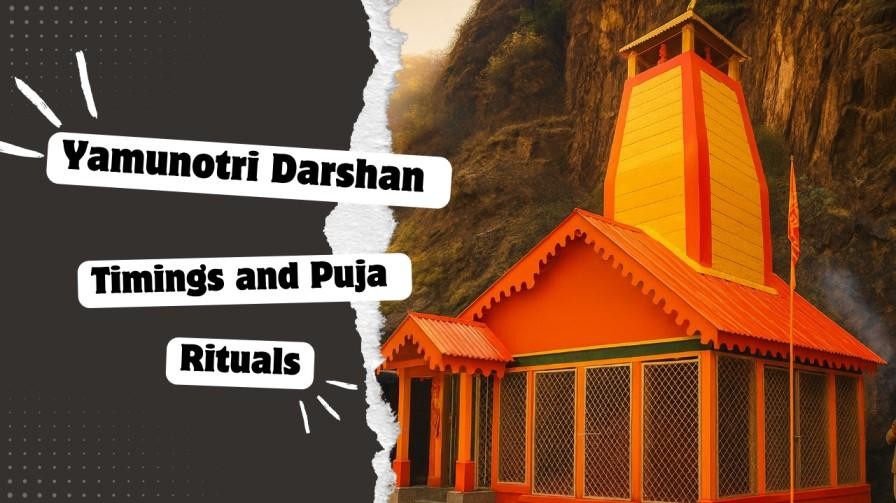
Yamunotri Darshan Timings and Puja Rituals
Yamunotri Temple, dedicated to Goddess Yamuna, opens its sacred doors early in the morning for devotees. The temple usually remains open from 6:00 AM to 8:00 PM, with a short mid-day break. The main Aarti and Puja rituals are performed during sunrise and sunset, creating a serene and spiritual atmosphere. Devotees begin their darshan after taking a holy dip in Surya Kund, a natural hot spring near the temple. The temple remains open from May to October, closing during winter due to heavy snowfall. Yamunotri Dham Yamunotri Dham is the sacred place where the holy River Yamuna begins its journey. It is one of the four important temples of the Char Dham Yatra in Uttarakhand. Located high in the Himalayas, Yamunotri is surrounded by snow-covered mountains and peaceful natural beauty. The temple is dedicated to Goddess Yamuna, and visiting it is believed to bring blessings of purity, health, and protection. According to Hindu belief, Yamunotri Dham is dedicated to Goddess Yamuna, daughter of Surya Dev (the Sun God) and sister of Yama (the God of Death). Bathing in the Yamuna River is believed to cleanse sins and protect from untimely death. The sage Asit Muni once lived and meditated here. Legends say that both Ganga and Yamuna appeared near his ashram to bless him, making Yamunotri a place of great spiritual importance and divine purity. Yamunotri Temple Opening and Closing Dates Opening Date Every year, the sacred doors of Yamunotri Temple open on the holy day of Akshaya Tritiya, usually in April or May. As the first rays of the sun touch the Himalayas, priests perform the Mangala Aarti, and the air fills with the sound of conch shells and chants. Around 6:00 AM, the temple welcomes the first devotees of the season, marking the official beginning of the Char Dham Yatra. Nature too seems to celebrate — snow begins to melt, waterfalls regain their flow, and the valley glows with divine energy. It’s not just the temple that opens — it’s the start of countless spiritual journeys. Closing Date As autumn fades into winter, Bhai Dooj (around October or November) marks the closing of the sacred temple. Before sunset, around 4:00 PM, priests perform a heartfelt Aarti, and the goddess is lovingly prepared for her journey to Kharsali Village, her winter abode. The temple doors close with chants and flickering lamps in the cold mountain air. Though the physical path to Yamunotri sleeps under snow, devotion stays alive — every prayer offered in Kharsali keeps the goddess’s presence warm in the hearts of her devotees until spring returns and the journey begins again. Daily Darshan Timings at Yamunotri Temple Every morning, Yamunotri Temple opens its doors around 6:00 AM, welcoming devotees with the soothing sounds of bells and chants. Pilgrims begin their day by offering prayers to Goddess Yamuna amidst the calm beauty of the Himalayas. The temple remains open for darshan through the morning, allowing visitors to seek blessings and perform rituals. Around 1:00 PM, the temple closes for a short break and reopens by 3:00 PM. As evening falls, priests perform the Sandhya Aarti around 7:30 PM, filling the temple with a warm glow of lamps and devotion. By 8:00 PM, the temple closes for the night, leaving behind peace, faith, and the promise of a new day of blessings. Morning and Evening Aarti Schedule at Yamunotri Temple If you plan to visit Yamunotri Temple, try to attend both the Morning and Evening Aarti — they are truly special experiences. The Morning Aarti begins around 6:00 AM, just as the sun rises over the mountains. Priests light lamps and chant prayers to Goddess Yamuna. The calm surroundings, fresh mountain air, and sound of flowing water make it a peaceful start to the day. The Evening Aarti takes place around 7:30 PM, when the temple glows beautifully with oil lamps. The chants and ringing bells fill the valley with divine energy. Many travelers say this is the best time to feel the spiritual power of Yamunotri. The temple closes around 8:00 PM, ending the day with peace and blessings. Major Puja Rituals Performed at Yamunotri Travelers visiting Yamunotri Temple can witness and participate in several sacred pujas dedicated to Goddess Yamuna. Each ritual carries deep spiritual meaning and offers a unique experience for devotees. 1. Yamuna Pujan The Yamuna Pujan is the main ritual dedicated to Goddess Yamuna. Devotees offer flowers, rice, sweets, and holy water while chanting prayers. This puja is performed to seek blessings for purity, peace, and protection. Many travelers perform this puja to begin their Char Dham journey with divine grace. 2. Snan Puja (Holy Bath Ritual) The Snan Puja takes place near Surya Kund, a natural hot spring close to the temple. Devotees take a dip or offer water from the kund before entering the shrine. It is believed that this ritual cleanses the body and soul, washing away sins and preparing the devotee for darshan. 3. Divya Shila Puja Before stepping inside the temple, devotees perform the Divya Shila Puja at a small sacred rock located near the entrance. The Divya Shila symbolizes divine power. Pilgrims offer flowers, pour holy water, and bow in respect before entering the main temple. This ritual represents humility and devotion, reminding travelers to enter the shrine with a pure heart. 4. Surya Pooja (Worship of the Sun God) Since Goddess Yamuna is the daughter of Surya Dev (the Sun God), devotees perform the Surya Pooja to show respect to her divine father. In this ritual, devotees offer water, flowers, and prayers to the rising sun, asking for strength, wisdom, and blessings. The sunlight reflecting off the snow-covered peaks makes this ritual a magical experience. 5. Aarti Rituals The Aarti rituals at Yamunotri take place twice a day — in the morning and evening. During Aarti, priests light oil lamps and chant hymns in praise of Goddess Yamuna. The glowing lamps, the sound of bells, and the gentle mountain breeze create a divine atmosphere. Many travelers
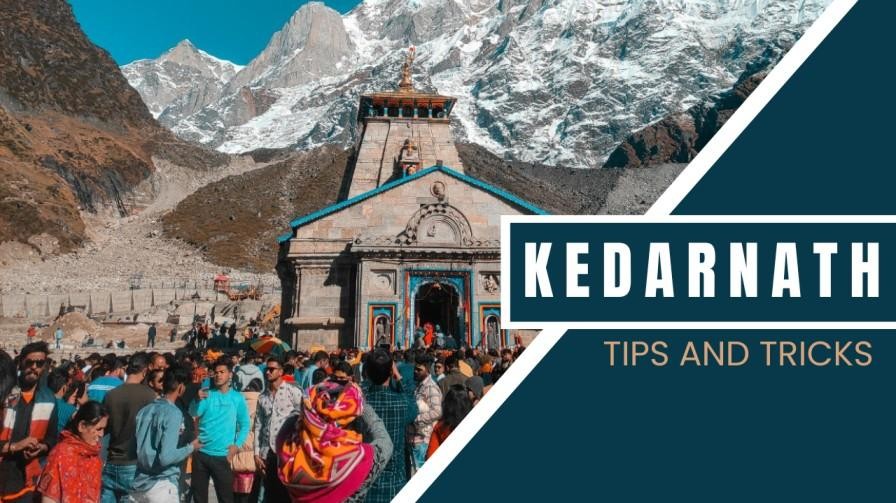
Kedarnath Trek Tips and Tricks: A Complete Guide for First-Time Travellers
Planning your first trek to Kedarnath? The journey from Gaurikund to Kedarnath is not only scenic but also physically demanding, especially for beginners. Since the weather can be unpredictable, trails can be steep, and facilities are limited, being well-prepared is essential. In this complete travel guide, you will find practical tips, packing advice, fitness preparation, and route insights to help you complete the Kedarnath trek safely, comfortably, and confidently. Overview of the Kedarnath Trek The Kedarnath Trek is one of the most scenic and spiritual trails in the Indian Himalayas, located in Uttarakhand’s Rudraprayag district. It starts at Gaurikund, the last motorable point, and spans approximately 16 km to reach the sacred Kedarnath Temple at an altitude of 11,755 feet (3,583 meters). The trail combines paved paths with rugged terrain and passes rivers, waterfalls, and snow-capped mountains, making it a truly immersive experience. Depending on your fitness level and weather conditions, the trek typically takes 6–8 hours one way. Along the journey, trekkers encounter serene Himalayan landscapes and a divine energy that draws thousands every year. Moreover, each step of the trek offers unique perspectives and opportunities to pause, rest, and take in the breathtaking surroundings. How to Reach the Kedarnath Trek Starting Point (Gaurikund) To begin the trek, travelers usually reach Haridwar, Rishikesh, or Guptkashi first, and then continue by road along winding mountain routes. From Sonprayag, which is approximately 5 km before Gaurikund, shared jeeps or local taxis are available to reach the trek’s starting point. By Air By Train By Road Best Time to Visit Kedarnath The Kedarnath Trek is best experienced between May and October, when the temple is open and weather conditions are favorable. Each season offers a distinct experience. Summer (May – June) Monsoon (July – August) Post-Monsoon / Autumn (September – October) Winter (November – April) Kedarnath Trek Route Map and Major Stop Points The trek begins at Gaurikund and stretches 16 km to Kedarnath Temple. Key stop points along the route include: What to Pack for the Kedarnath Trek Avoid These Blunders During the Kedarnath Yatra Alternative Travel Options (For Non-Trekkers) Short Kedarnath Trek Itinerary (4 Days / 3 Nights) Why Clan Stays Is Your Perfect Travel Partner Clan Stays ensures a smooth Kedarnath Yatra with verified hotels, safe transfers, and 24×7 support. Whether trekking or using helicopter services, every detail is professionally managed, making your spiritual journey comfortable, safe, and memorable. FAQs for First-Time Kedarnath Trekkers

Chopta – Complete Travel Guide
Chopta, known as the “Mini Switzerland of India,” is a peaceful hill station in Uttarakhand. Surrounded by lush green meadows and snow-capped Himalayan peaks, it offers breathtaking natural beauty. It is also the starting point for the famous trek to Tungnath, the highest Shiva temple in the world. Chopta is ideal for trekking, camping, and enjoying nature away from crowded tourist spots. Its calm atmosphere and fresh mountain air make it perfect for nature lovers. Introduction to Chopta Chopta is a small, beautiful hill station in Uttarakhand. It is famous for: It is also the starting point for several popular treks, including: Why Chopta is special: Where is Chopta Located? Chopta is in the Garhwal region of Uttarakhand, at an altitude of about 2,680 meters (8,790 feet). It lies in Rudraprayag district, surrounded by dense forests and high mountain peaks. Geographical Location & Accessibility Best Time to Visit & Road Conditions 1. Spring (March–June) 2. Monsoon (July–August) 3. Autumn (September–November) 4. Winter (December–February) How to Reach Chopta By Road (from Delhi) By Air (via Dehradun) By Train (via Haridwar/Rishikesh) Top Tourist Attractions in Chopta 1. Tungnath Temple 2. Chandrashila Peak 3. Deoria Tal 4. Ukhimath 5. Kanchula Korak Musk Deer Sanctuary 6. Rohini Bugyal Activities in Chopta Wildlife & Flora Chopta is rich in biodiversity and part of Kedarnath Wildlife Sanctuary. Where to Stay Homestays Camping Hotels & Resorts What to Pack 3-Day Chopta Itinerary Day 1: Day 2: Day 3: Discover Chopta with Clan Stays Experience Chopta hassle-free with Clan Stays. From clean accommodations to smooth planning, we make your trip comfortable. Enjoy the mountains and create unforgettable memories.
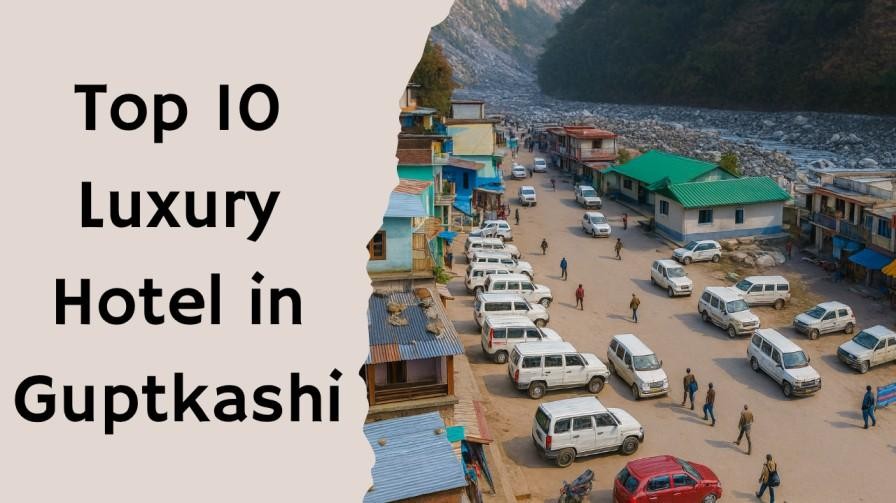
Luxury Hotels in Guptkashi: Top 10 Premium Resorts Near Kedarnath
Introduction Guptkashi, a serene Himalayan town in Uttarakhand’s Rudraprayag district, is more than just a gateway to Kedarnath — it’s a destination of comfort and calm.Over the years, the town has transformed from a simple pilgrim stopover into a hub of luxury hotels that blend spirituality with modern comfort. These premium stays offer majestic mountain views, fine dining, warm hospitality, and even helipad services for travelers flying to Kedarnath.Let’s explore the top 10 luxury hotels and resorts in Guptkashi, perfect for travelers seeking peace and comfort in the Himalayas. 1. The Himalayan Comforts, Guptkashi Overview The Himalayan Comforts is one of the best and most comfortable hotels in Guptkashi. Located on a hilltop, it offers a peaceful stay with stunning views of the Chaukhamba mountains. Highlights Why Stay Here Ideal for families and couples who want peace, comfort, and great views before beginning their Kedarnath journey. 2. Buransh Heli Resort, Guptkashi Overview Buransh Heli Resort is one of the most exclusive and special places to stay in Guptkashi. Featuring a private helipad and cozy cottages, it offers both luxury and convenience amid the Himalayas. Highlights Why Stay Here Perfect for travelers who prefer premium hospitality, privacy, and easy helicopter access to Kedarnath. 3. Kedar Camp Resorts Overview Kedar Camp Resorts provide the perfect blend of adventure and comfort. Surrounded by lush nature, it offers eco-friendly stays in beautiful Swiss tents and cottages. Highlights Why Stay Here An ideal stay for nature lovers who want to enjoy luxury, peace, and majestic beauty. 4. Char Machan Resort Overview Char Machan Resort offers modern comfort with a touch of local charm. With its scenic mountain views, it’s among the most popular places to stay in Guptkashi. Highlights Why Stay Here Best suited for families and small groups looking for comfort and accessibility in the Kedarnath region. 5. Camp Nirvana Luxury Retreat Overview Camp Nirvana is a peaceful camping retreat surrounded by nature, offering breathtaking Himalayan views. Guests can experience both adventure and comfort in one place. Highlights Why Stay Here Perfect for adventurous travelers seeking both luxury and spirituality. 6. Shivalik Valley Resorts Overview Shivalik Valley Resorts is a full-service luxury property known for its grand views and warm hospitality. It’s among the top-rated luxury hotels near Kedarnath. Highlights Why Stay Here A perfect choice for senior citizens and families who value comfort and class. 7. Villa Aadhya by Stay Apart Overview Villa Aadhya is a modern, cozy accommodation offering a peaceful and private experience. It combines homely warmth with a touch of luxury. Highlights Why Stay Here Ideal for couples and families who want exclusivity and a quiet environment. 8. Lafiyoli Resort, Phata (Near Guptkashi) Overview Lafiyoli Resort is a luxury stay near the Phata helipad — perfect for travelers taking helicopter rides to Kedarnath. The resort offers modern rooms and high-end facilities for a comfortable stay. Highlights Why Stay Here A convenient choice for luxury travelers looking for helipad proximity and upscale amenities. 9. Snow Pod Luxury Resort, Kedarnath Route Overview Snow Pod offers a modern and stylish stay experience in the mountains. Featuring glass-front rooms and warm interiors, it’s a top pick for travelers seeking something unique. Highlights Why Stay Here Perfect for those who love modern luxury blended with adventure. 10. The Village Retreat (Near Guptkashi) Overview The Village Retreat is an eco-luxury resort located a short drive from Guptkashi. Surrounded by nature, it focuses on local experiences and luxurious stays. Highlights Why Stay Here Ideal for travelers who want to experience authentic Himalayan hospitality with high-end comfort. Tips for Booking Luxury Hotels in Guptkashi Best Time to Visit Guptkashi Avoid July–August, as monsoon rains can affect travel routes. How to Reach Guptkashi By Air: Nearest airport — Jolly Grant Airport, Dehradun (approx. 195 km). Private taxis are available from Rishikesh and Haridwar. By Train: Nearest stations — Rishikesh (180 km) and Haridwar (200 km). By Road: Easily accessible via NH-7. It takes around 8–9 hours from Rishikesh or Dehradun by car or taxi. Conclusion Luxury in Guptkashi goes beyond fine dining and cozy rooms — it’s about peace, comfort, and majestic Himalayan views.From helipad resorts like Buransh Heli Resort to eco-retreats like Kedar Camp and The Village Retreat, each property offers a unique blend of Himalayan comfort and class. Whether you’re embarking on the sacred Kedarnath Yatra or planning a tranquil mountain escape, these top 10 luxury hotels in Guptkashi promise an unforgettable stay in the lap of nature.
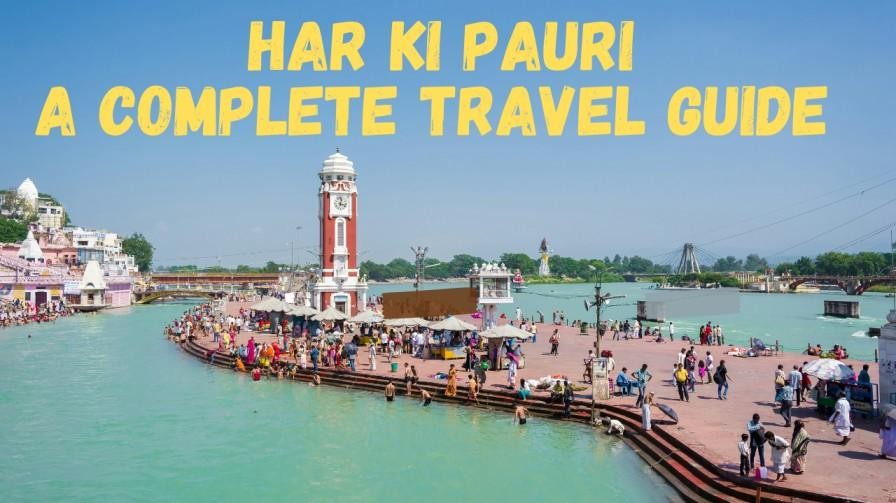
Har Ki Pauri, Haridwar – A Complete Travel Guide for Families
Har Ki Pauri in Haridwar is one of the most famous river ghats on the banks of the River Ganga. It’s a peaceful and spiritually rich spot that attracts visitors of all ages. Families love it for its calm river views, the mesmerizing evening Aarti, and the vibrant local market. This sacred place combines culture, devotion, and scenic beauty. With easy accessibility, clean surroundings, and nearby attractions, Har Ki Pauri offers a memorable experience for every visitor. Plan your trip well to enjoy the beauty, culture, and simplicity of Haridwar together. Quick Overview of Har Ki Pauri, Haridwar Why Visit Haridwar Haridwar is one of India’s most sacred cities, where the holy River Ganga descends from the Himalayas to the plains. It’s known for its ghats, temples, and deeply spiritual atmosphere. Pilgrims from across the country visit to take part in rituals, attend the Ganga Aarti, and explore temples that have stood for centuries. The city offers a blend of spirituality, history, and local culture that’s hard to find elsewhere. Why Har Ki Pauri is Famous Har Ki Pauri is the heart of Haridwar. It is believed that Lord Vishnu’s footprint is imprinted here, making it one of the most sacred sites in Hinduism. The ghat is famous for the daily Ganga Aarti, where devotees float lamps on the river and offer prayers. Pilgrims often start their Char Dham Yatra from Haridwar, taking a holy dip at Har Ki Pauri. Surrounded by centuries-old temples, this place beautifully reflects India’s deep spiritual roots. How to Reach Haridwar Haridwar is well-connected by air, train, and road, making it an easy destination to reach from major Indian cities like Delhi and Dehradun. By Air By Train By Road If You’re Already in Haridwar Local Transport Best Time to Visit Haridwar The best time to visit Haridwar is between October and March, when the weather is cool and comfortable. It’s perfect for sightseeing, temple visits, and evening walks by the Ganga. 1-Day Family Itinerary for Har Ki Pauri, Haridwar Morning: Late Morning: Afternoon: Evening: 3-Day Family Itinerary for Haridwar Day 1 – Har Ki Pauri & Local Markets: Day 2 – Temples and Ropeways: Day 3 – Day Trips & Nature: Top Places to Visit Near Har Ki Pauri Accommodation Options Near Har Ki Pauri Budget Hotels Mid-Range Hotels Luxury Hotels Haridwar Street Food Guide Haridwar’s street food is entirely vegetarian and absolutely delicious: What to Buy in Haridwar Travel Tips for Families Visiting Haridwar Travel Made Easy with Clan Stays Clan Stays makes traveling to Haridwar simple and stress-free. They help you find family-friendly accommodations near Har Ki Pauri and arrange local transport and sightseeing. With their expert guidance, you can focus on enjoying your trip while they handle the details. Their team also shares insider tips on the best times to visit and must-see attractions — ensuring a comfortable and memorable family experience. Frequently Asked Questions (FAQs) 1. How much time is enough to explore Haridwar?A 1–3 day trip is ideal. One day covers Har Ki Pauri and nearby temples, while two to three days allow visits to Rishikesh and Rajaji National Park. 2. Is Haridwar safe for families?Yes, it’s safe. Just be cautious near the ghats and crowded areas. 3. Which month is best to visit?From October to March — pleasant weather and vibrant festivals. 4. Are there good food options near Har Ki Pauri?Yes. You’ll find clean vegetarian stalls offering local favorites like chaat, jalebi, and aloo puri. 5. Can senior citizens easily visit Har Ki Pauri?Yes. Walkways and seating areas are well-maintained, and ropeways make temple visits easier. 6. Is parking available near the ghat?Yes, several paid parking lots are available within walking distance. 7. What’s the best time of day to visit?Early morning for peace or evening for the grand Ganga Aarti.