
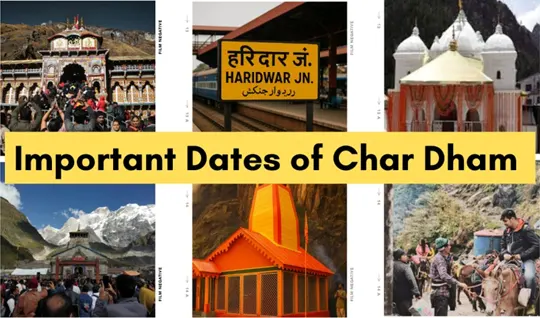
Embarking on the sacred journey of the Char Dham Yatra means aligning with nature’s rhythm in the Garhwal Himalayas — and knowing the Opening and Closing Dates of Char Dham Temples 2026 is step one. These dates tell you when the four shrines open their gates for devotees and when they close for the winter season. Planning ahead ensures your spiritual journey is smooth, timely and worry-free Why These Dates Matter The four sacred shrines — Yamunotri, Gangotri, Kedarnath and Badrinath — in Uttarakhand speak not only of devotion, but also of the harsh Himalayan climate. These shrines open in late spring and close by autumn because heavy snow and landslides make access impossible in winter. Knowing the schedule helps you: 2026 Tentative Opening & Closing Dates Here is the best available information for the 2026 schedule. These are tentative and subject to final announcement by temple committees. Temple Opening Date (2026) Closing Date (2026) Yamunotri 19 April 2026, 8:30 AM. 11 November 2026 (Tentative) Gangotri 19 April 2026, 9:30 AM. 10 November 2026 (Tentative) Kedarnath 22 April 2026, 7:00 AM. 11 November 2026 (Tentative) Badrinath 24 April 2026, 6:00 AM. 13 November 2026 (Tentative) Note: These dates are subject to final confirmation by the respective temple committees and the local Hindu Panchang. Best Time to Visit & Why How These Dates Are Decided Planning Your Yatra Around These Dates Essential Travel Tips for Char Dham Yatra 2026 Planning your Char Dham Yatra 2026 requires preparation to ensure a smooth and safe journey. Here are some essential tips every pilgrim should follow: Char Dham Yatra Registration Process 2026 The Char Dham Yatra Registration 2026 is mandatory for all pilgrims visiting Yamunotri, Gangotri, Kedarnath, and Badrinath. It helps the Uttarakhand government ensure pilgrim safety, manage crowds, and provide real-time assistance during emergencies. Step-by-Step Online Registration Process Offline Registration Option If you don’t have access to the internet, you can register offline at: Just bring your photo ID, mobile number, and travel details — the team will help you complete the process quickly. Documents Required Why Registration is Important Weather Conditions in Char Dham During Yatra Season Summer (May – June) The most pleasant time for Char Dham Yatra, with temperatures between 8°C to 20°C.Days are sunny and clear, perfect for darshan and trekking. Light woollens are enough for evenings. Monsoon (July – August) Heavy rains make travel risky due to landslides and slippery routes.It’s best to avoid this season unless absolutely necessary. Carry rain gear and emergency supplies. Autumn (September – October) Cool, clear, and peaceful — ideal for devotees seeking a calm yatra.Temperatures range from 5°C to 15°C, and the post-monsoon scenery is breath-taking. Winter (November – April) The region experiences extreme cold and heavy snowfall during this time.All four dhams remain closed, and deities are worshipped at their winter seats. Travel Tip: Plan your Char Dham Yatra 2026 between May–June or September–mid-October for the best weather. Clans Stays Private Limited keeps you updated with live weather alerts and ensures a safe, comfortable journey. Why Choose Clans Stays for Char Dham Yatra 2026 Clans Stays Private Limited makes your Char Dham Yatra 2026 smooth, safe, and well-organized from start to finish. We handle everything — from registration and permits to transportation, hotels, and guided tours. Our experienced team ensures your journey is comfortable and stress-free, even in the Himalayan terrain. With verified stays, reliable drivers, and 24×7 assistance, you can focus on your spiritual experience while we take care of the rest. Choose Clans Stays for a worry-free pilgrimage you’ll remember forever.
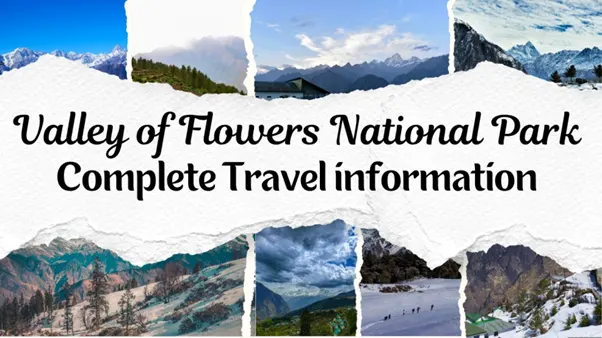
Valley of Flowers National Park – Complete Travel information
Hidden deep in the Garhwal Himalayas of Uttarakhand, the Valley of Flowers National Park – Complete Travel Guide is your ultimate companion to one of India’s most breath-taking UNESCO World Heritage Sites. Famous for its vibrant alpine meadows, rare flora, and snow-clad peaks, this natural paradise comes alive every monsoon with over 300 species of blooming flowers. Whether you’re an adventurer, nature lover, or photographer, this valley offers an unforgettable Himalayan experience. Best Time to Visit Valley of Flowers Timing is everything when planning a trip to this paradise. Month Weather Blooming Status Travel Note May – June Cool & clear Early blooms begin Ideal for trekkers who prefer fewer crowds July – August Mild rains Peak flower bloom Best time to witness full valley bloom September Pleasant Fading flowers Great for photography and fewer tourists October – April Snowbound Closed for visitors Trek route inaccessible Pro Tip: The best time to visit Valley of Flowers is from mid-July to late August when the valley is in full bloom and alive with colour. How to Reach Valley of Flowers Reaching this Himalayan wonder requires a blend of road and trekking adventure. From Govindghat, trek 14 km to Ghangaria, the last settlement before the valley. From Ghangaria, it’s another 3.5 km trek to reach the entrance of the Valley of Flowers National Park. Valley of Flowers Trek Route The Valley of Flowers trek route is moderately challenging and suitable for beginners with good fitness. Trek Itinerary Overview: Trek Distance: Approximately 17 km (one way)Difficulty Level: Easy to moderateBest Season: July to September Permits and Entry Details Accommodation Options Travel Tips for Valley of Flowers Nearby Attractions Health and Safety Guidelines for Trekkers Sustainable Travel Tips – Protecting the Valley FAQs about Valley of Flowers National Park 1. What is the best time to visit Valley of Flowers?Because during winter, the idol of Lord Badrinath is moved from Badrinath Temple to Narsingh Temple in Joshimath for worship. 2. What is the best time to visit Joshimath?October to February is ideal, as you can witness winter rituals and clear mountain views. 3. Can I camp inside Valley of Flowers?No, camping is not allowed inside the park. Accommodation is available only in Ghangaria. 4. How many days are required for the Valley of Flowers trek?A 4–5-day itinerary is ideal to cover the valley and nearby Hemkund Sahib. 5. Do I need a guide or permit for Valley of Flowers?Yes, you need an entry permit, and hiring a local guide is highly recommended for safety and navigation. Memorable Trekking Experiences with Clans Stays Clans Stays ensures every trek in Uttarakhand becomes an unforgettable journey. From the scenic Valley of Flowers to the sacred Tungnath Temple, our team designs treks that blend adventure, nature, and spirituality. With expert local guides, comfortable stays, and well-planned itineraries, Clans Stays makes every step of your Himalayan trek safe, scenic, and memorable.
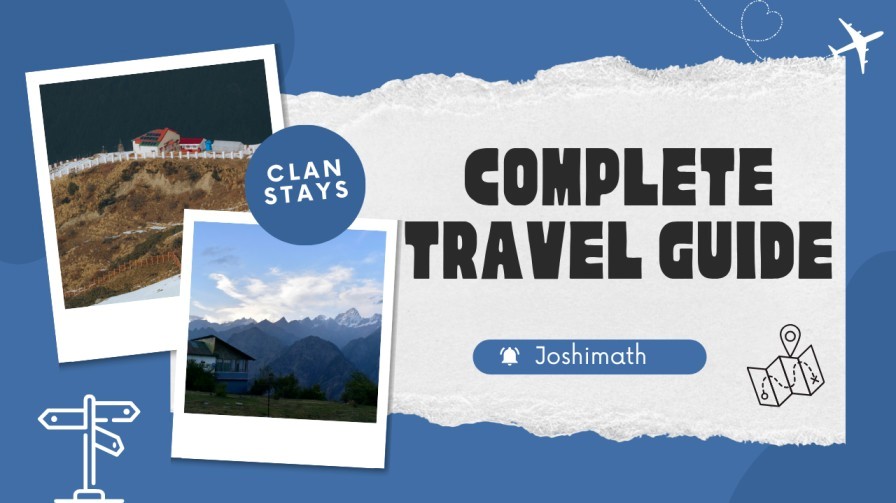
Joshimath – Winter Seat of Lord Badri
Nestled in the Chamoli district of Uttarakhand, Joshimath is not just a town—it’s a divine gateway to the Himalayas. Known as the winter abode of Lord Badrinath, this sacred place holds immense spiritual and historical significance. As snow blankets the higher peaks, the idol of Lord Badri is ceremoniously brought from Badrinath Temple to Joshimath, marking the start of the winter season’s holy rituals. History and Religious Significance of Joshimath Joshimath, also known as Jyotirmath, was established by Adi Shankaracharya in the 8th century AD. It is one of the four sacred Mathas (monastic centres) founded to preserve Hindu philosophy and learning. The town symbolizes faith and enlightenment, attracting pilgrims year-round for its temples and serene Himalayan energy. Narsingh Temple – The Winter Seat of Lord Badri The Narsingh Temple is the main attraction of Joshimath and the winter seat of Lord Badrinath. Dedicated to Lord Vishnu’s incarnation as Narsingh (the half-man, half-lion avatar), this ancient temple becomes the spiritual centre of the region when heavy snowfall closes Badrinath Temple. The idol of Lord Badri is worshipped here for six months during winter. According to legend, the left arm of the Narsingh idol is slowly thinning — a sign believed to indicate the end of Kalyug. The Sacred Journey of Badrinath Idol in Winter When snow starts covering Badrinath Dham (around November), priests perform a holy ritual called “Palki Yatra”, where the idol of Lord Badri is moved to Joshimath with full devotion. This marks the beginning of the winter worship season. The idol stays in the Narsingh Temple until May, when it’s ceremoniously returned to Badrinath for summer worship. This sacred migration attracts thousands of devotees every year who wish to witness the divine procession. How to Reach Joshimath – Complete Travel Guide Joshimath, located in Chamoli district of Uttarakhand, is well connected by road and public transport from major North Indian cities. By Road By Train By Air Best Time to Visit Joshimath Joshimath welcomes travellers throughout the year, but the best time depends on your purpose of visit — pilgrimage, adventure, or sightseeing. Summer (April to June) Monsoon (July to September) Winter (October to February) Places to Visit in and Around Joshimath Joshimath serves as a gateway to several sacred temples, scenic landscapes, and adventure destinations in Uttarakhand. Here are the top places to explore nearby: The Winter Seat of Lord Badrinath, this temple lies in the heart of Joshimath (0 km). The idol of Lord Badri is worshipped here during winter when the Badrinath Temple closes. Located just 12 km from Joshimath, Auli is famous for skiing, snowboarding, and its scenic ropeway ride offering panoramic views of Nanda Devi and other Himalayan peaks. About 17 km from Govindghat (which is 22 km from Joshimath), this UNESCO World Heritage Site bursts into colourful bloom from July to September, making it a must for trekkers and nature lovers. Situated around 14 km from Joshimath, Tapovan is known for its natural sulphur hot springs and short treks offering breath-taking Himalayan views. Just 1 km from the main market, this sacred mulberry tree is believed to be over 1,200 years old and holds deep mythological significance as Adi Shankaracharya’s meditation spot. Around 17 km from Joshimath, this temple is one of the Panch Badri shrines. It’s said that Lord Vishnu will be worshipped here in the future when Badrinath becomes inaccessible. Located approximately 26 km from Joshimath, Chenab Lake is an offbeat attraction ideal for trekking and camping, surrounded by untouched natural beauty. Situated about 0.5 km from Joshimath town, this ancient monastery was established by Adi Guru Shankaracharya and remains a peaceful spiritual centre. Just 22 km from Joshimath, Govindghat is the base point for the Valley of Flowers and Hemkund Sahib treks. The area has good stay options for pilgrims and trekkers. Located about 40 km trek from Govindghat, Hemkund Sahib is a sacred Sikh shrine set beside a glacial lake at 4,329 meters, surrounded by snow-capped peaks. Accommodation in Joshimath FAQs about Joshimath 1. Why is Joshimath known as the winter seat of Lord Badrinath?Because during winter, the idol of Lord Badrinath is moved from Badrinath Temple to Narsingh Temple in Joshimath for worship. 2. What is the best time to visit Joshimath?October to February is ideal, as you can witness winter rituals and clear mountain views. 3. How far is Auli from Joshimath?Auli is just 12 km away and can be reached by road or India’s longest ropeway. 4. Is Joshimath safe for travel in winter?Yes, it’s safe with proper winter clothing. Roads remain open, but always check local weather updates. 5. How can I book a Joshimath pilgrimage tour?You can easily book customized pilgrimage and travel packages with Clans Stays, offering guided tours, transport, and accommodations. Create Lifelong Memories with Clans Stays in Joshimath With Clans Stays, your Joshimath trip becomes more than just a visit — it’s an experience to remember. Enjoy peaceful stays near temples, stunning mountain views, and easy access to nearby spots like Auli and Badrinath. Every stay is designed to make your journey comfortable, relaxed, and truly memorable.