
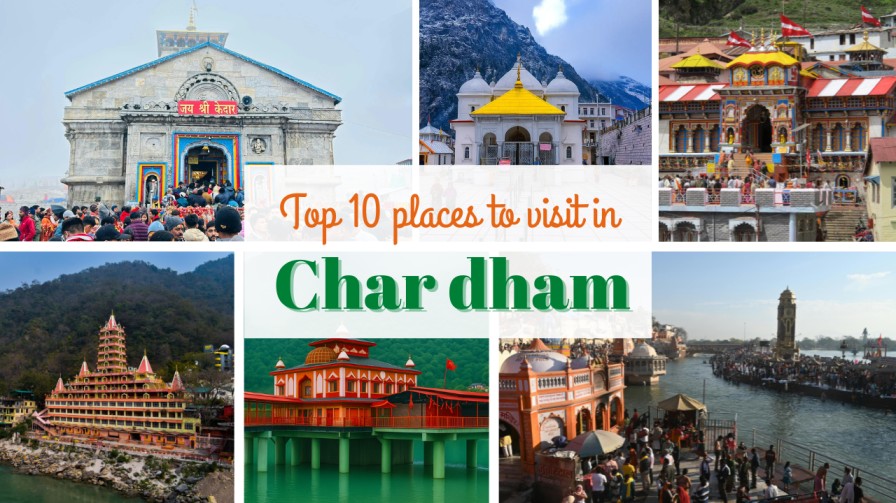
Understanding Char Dham Yatra The word “Char Dham” is made up of two Hindi words — Char meaning four and Dham meaning temple or holy place. Therefore, Char Dham Yatra means the sacred journey to four divine shrines of India. Interestingly, India has two types of Char Dham pilgrimages. The first is the Main Char Dham, which includes Badrinath in Uttarakhand, Dwarkadhish in Gujarat, Jagannath Puri in Odisha, and Rameshwaram in Tamil Nadu. Each of these temples represents one direction of the country — north, west, east, and south — symbolizing the spiritual unity of India. However, the second type, known as the Chota Char Dham Yatra, is located entirely in Uttarakhand. This smaller yet spiritually powerful circuit attracts millions of pilgrims every year. Moreover, this Himalayan Char Dham includes Yamunotri, Gangotri, Kedarnath, and Badrinath, each holding deep mythological and cultural importance. You can also read our travel guide on Hidden Gems of Uttarakhand to explore lesser-known spiritual spots in the Himalayas. The Himalayan Char Dham – A Journey of Faith The Chota Char Dham Yatra unfolds through the Garhwal region of Uttarakhand, offering not only spiritual enlightenment but also breathtaking natural beauty. To begin with, the journey starts at Yamunotri, dedicated to Goddess Yamuna — believed to grant longevity and freedom from untimely death. Next comes Gangotri, where Goddess Ganga descended from heaven to cleanse humanity’s sins. After that, the path leads to Kedarnath, one of the twelve Jyotirlingas of Lord Shiva, where pilgrims often carry holy water from Gangotri to offer to the deity. Finally, the yatra concludes at Badrinath, devoted to Lord Vishnu, representing salvation and peace. Furthermore, each destination carries a unique story and spiritual vibration that deepens your connection with faith. It’s not just a route — it’s a path toward awakening. For updated temple timings and route maps, visit the official Uttarakhand Tourism website. 1. Follow the Trail of Myths and Legends Every temple in the Char Dham Yatra is rooted in ancient mythology. For example, Kedarnath is believed to be the place where the Pandavas sought Lord Shiva’s forgiveness after the Mahabharata war. Similarly, at Yamunotri, Goddess Yamuna is worshipped as the sister ohttp://bhjf Yama, the God of Death, and it is believed that bathing here ensures liberation from the fear of death. In addition, listening to these fascinating legends from local priests and villagers adds depth and wonder to your spiritual journey. As you travel, you realize that every mountain, river, and stone here has a story to tell. You may also like our blog on Is Rishikesh Just for Yoga? 10 Other Things You Didn’t Know You Could Do for exploring more spiritual activities in Uttarakhand. 2. Participate in Sacred Rituals While visiting these temples, don’t just observe — participate in the rituals. At Badrinath, many devotees perform Pind Daan or Shraddha rituals for their ancestors. Meanwhile, at Gangotri, people offer Tarpan to honor their departed loved ones in the sacred waters of the Ganga. Moreover, these age-old traditions bring emotional healing. They remind us that spirituality is not only about worshiping deities but also about staying connected to our roots and expressing gratitude for our lineage. 3. Discover Hidden Temples and Spots Beyond the four main shrines, several hidden gems await exploration. For instance, near Yamunotri, lies the Shani Dev Temple, known for its tranquil surroundings. Likewise, near Badrinath, you can visit Vasudhara Falls, where the cascading waters are believed to purify the soul. Additionally, visiting such lesser-known places gives you moments of peace away from the crowd, allowing you to connect deeply with nature and yourself. 4. Serve at Langars – The Joy of Seva Along the entire Char Dham route, you’ll find numerous langars (community kitchens) serving free meals to pilgrims. Volunteering at these langars — whether by cooking, serving food, or cleaning utensils — is a deeply humbling experience. It teaches you that seva (service) is another form of worship. Furthermore, helping others fills your heart with warmth and gratitude, reminding you that spirituality is best expressed through kindness. You can find volunteer opportunities listed on Badrinath-Kedarnath Temple Committee’s official website. 5. Explore the Origin of Sacred Rivers The Char Dham Yatra is not only about temples; it’s also about the rivers that give life to India. You can trek to Gaumukh Glacier, the origin of the River Ganga, or explore Saptrishi Kund, the source of the Yamuna River. These high-altitude treks are challenging yet profoundly rewarding. In addition, witnessing these origins helps you appreciate how faith and nature coexist. The sound of gushing waters and the sight of majestic peaks together create a moment of divine realization. 6. Chant Mantras by the Rivers At dusk, sit beside the riverbanks and chant “Om Namah Shivaya” or the Gayatri Mantra. The soothing sound of flowing rivers, the ringing temple bells, and the crisp mountain air together create an atmosphere of peace. Moreover, such meditation connects your soul with the divine energy that surrounds you. 7. Admire Himalayan Flora and Fauna The Char Dham route passes through valleys filled with vibrant Himalayan flora and fauna. You may encounter the Brahma Kamal, Uttarakhand’s state flower, near Badrinath, or spot Himalayan Monals and Musk Deer in higher regions. In addition, during spring, the entire valley blooms in shades of pink, yellow, and green, making the journey even more enchanting. Thus, the pilgrimage becomes a perfect balance between spiritual awakening and natural wonder. Learn more about the region’s biodiversity at Valley of Flowers National Park (UNESCO) 8. Join Eco-Friendly Activities Since thousands of devotees visit every year, maintaining cleanliness is crucial. Several local groups and NGOs organize clean-up drives and tree-planting campaigns along the yatra route. Participating in these initiatives is a small act with a big impact. Moreover, by contributing to nature’s preservation, you ensure that future generations experience the same serenity and beauty. 9. Meet the Himalayan Sages Throughout your journey, you may come across sages and hermits meditating in caves or living in solitude near the temples. Speaking
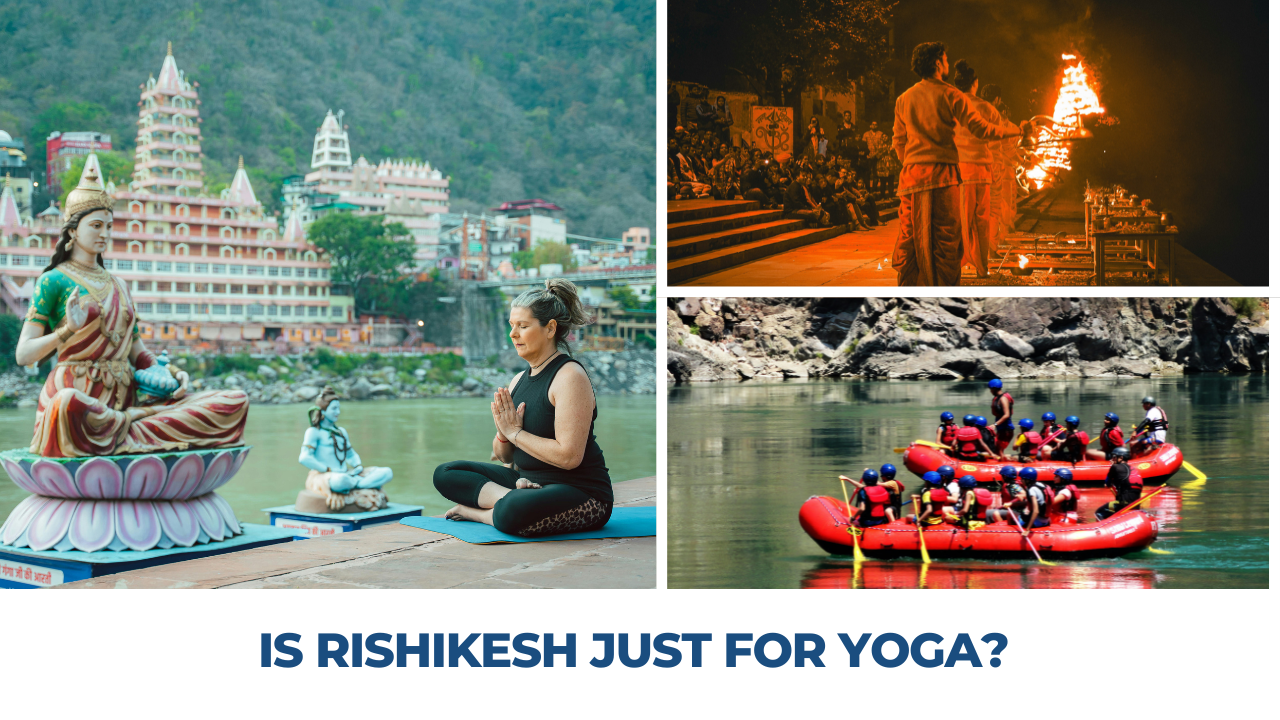
Is Rishikesh Just for Yoga? 10 Other Things You Didn’t Know You Could Do
When someone mentions Rishikesh, most people instantly think of yoga. That’s natural — for decades, Rishikesh has been known as the “Yoga Capital of the World.”Thousands of visitors from India and abroad come here every year to learn yoga, attend retreats, and find spiritual peace. But here’s the truth — Rishikesh is not just about yoga. This beautiful town in Uttarakhand is packed with adventure, culture, food, spirituality, and natural beauty.Whether you love thrill and excitement or just want peace by the river, Rishikesh has something for everyone. In this blog, you’ll discover 10 amazing things to do in Rishikesh apart from yoga.You’ll also find travel tips, FAQs, and planning ideas to help you plan your next trip. By the end, you’ll see why Rishikesh is one of the most complete travel destinations in India. 1. Go for White-Water Rafting in the Ganga One of the most popular adventure activities in Rishikesh is river rafting. The Ganga flows with strong rapids, and riding those waves is an unforgettable thrill.You can choose rafting stretches from 9 km to 35 km, depending on your comfort level. Why Try It? Best Time:September to June is ideal. Rafting is closed in July and August due to the monsoon. Tip:Always book with a licensed operator and wear safety gear — life jacket and helmet are must-haves. 2. Jump from India’s Highest Bungee Point If rafting doesn’t give you enough adrenaline, go for bungee jumping.Rishikesh has India’s highest bungee platform at Mohan Chatti, around 25 km from town. The jump height is 83 meters, and it’s a memory you’ll never forget. Tip:Avoid this if you have heart or back problems. Book your slot early on weekends or holidays. 3. Feel the Magic of Ganga Aarti at Triveni Ghat Rishikesh isn’t only about thrill — it’s also about spiritual calm.The Ganga Aarti at Triveni Ghat is a peaceful and soul-touching experience. Every evening, as the sun sets, priests perform the aarti with lamps, chants, and bhajans. The entire ghat glows with light and devotion. The energy here is beyond words. Timing: 6:30 PM to 7:30 PM daily Why Go?Even if you’re not religious, the beauty of the ritual is mesmerizing and fills you with positive energy. 4. Walk Across Ram Jhula and Laxman Jhula Rishikesh is famous for two hanging bridges — Ram Jhula and Laxman Jhula. Walking across these bridges offers stunning river views, lively markets, and playful monkeys. Why Visit? Tip:Watch out for monkeys — they love to snatch food and glasses! 5. Visit the Beatles Ashram (Chaurasi Kutia) In 1968, the legendary band The Beatles came to Rishikesh to learn meditation at Maharishi Mahesh Yogi’s Ashram.Today, the site is known as the Beatles Ashram or Chaurasi Kutia. Though abandoned, the ashram walls are covered in colorful art, graffiti, and spiritual quotes. It’s peaceful, artistic, and perfect for photography lovers. Why Visit? 6. Try More Adventure Sports and Camping For adventure lovers, Rishikesh is a paradise.Beyond rafting and bungee, you can try many other thrilling activities: Why Try?Because Rishikesh lets you blend nature with adventure.Imagine sitting by a campfire beside the Ganga, under a sky full of stars — pure bliss! 7. Explore the Food and Cafes of Rishikesh Rishikesh is also heaven for foodies.The city is vegetarian by law, and alcohol is banned. But don’t worry — the food is delicious, fresh, and soulful. Famous Cafes: Must-Try Street Foods: 8. Join Meditation and Healing Retreats Besides yoga, Rishikesh is known for meditation, Ayurveda, and sound healing.Many ashrams offer short-term retreats where you can learn to meditate, eat clean, and live stress-free. Popular Retreats: Why Join?It’s the best way to slow down, relax, and connect with your inner self. 9. Visit Temples and Explore Local Culture Rishikesh is full of ancient temples, each with a story to tell: After visiting temples, walk through local markets filled with spiritual books, handicrafts, clothes, and rudraksha malas. Explore Nearby Places Around Rishikesh Rishikesh is also a great base for short trips. Why Rishikesh Is More Than Yoga So, is Rishikesh just about yoga?Not at all. Here, you can raft on the Ganga, meditate in ashrams, sip tea at riverside cafés, or watch the sunrise over the Himalayas.Rishikesh blends adventure, peace, spirituality, and fun — all in one destination. Travel Tips for Rishikesh Frequently Asked Questions (FAQs) Q1: Is Rishikesh only for yoga lovers?No. Rishikesh offers rafting, camping, cafes, treks, and temples — not just yoga. Q2: What’s the best time to visit?February–June and September–November. Avoid July–August due to heavy rains. Q3: Is Rishikesh safe for solo travelers?Yes, it’s safe — even for women. Just avoid isolated areas at night. Q4: Can I get non-veg food or alcohol here?No, both are banned as Rishikesh is a spiritual town. Q5: How many days are enough?3–4 days are great for sightseeing and adventure. Stay a week if you’re joining a retreat. Q6: What should I not miss?River rafting, Ganga Aarti, Beatles Ashram, Ram Jhula, and camping.
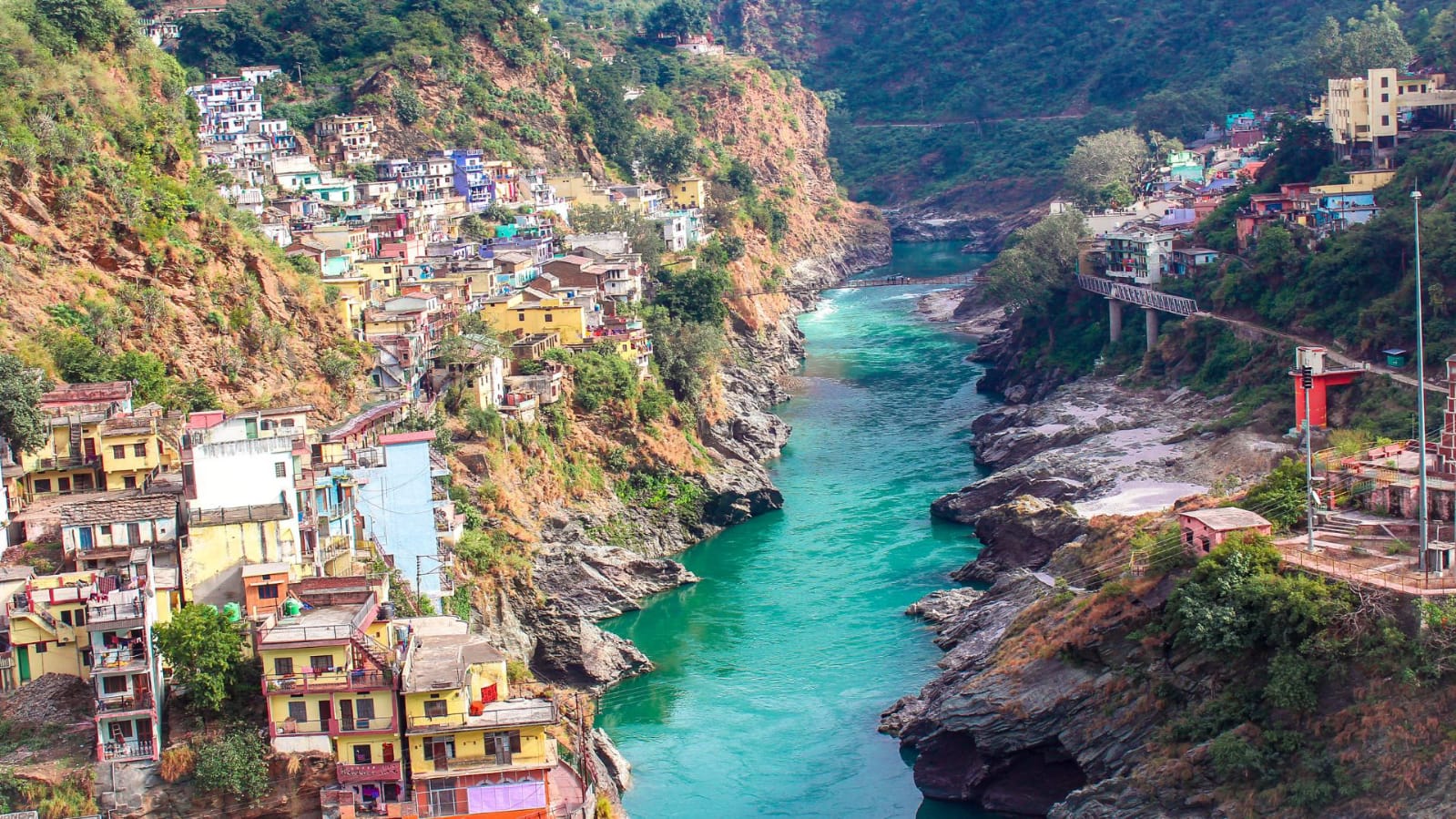
Land of Gods Uttarakhand: Spiritual Pilgrimage and Sacred Temples
Why is Uttarakhand Called the Land of Gods? Uttarakhand is often called the Land of Gods Uttarakhand because it is believed to be filled with spiritual energy. In addition, countless ancient temples and rich traditions of worship are found across the state. It is said that the divine presence can be felt in its mountains, rivers, and serene surroundings. Therefore, pilgrims and travelers visit Uttarakhand seeking peace, devotion, and a closer connection with the divine. The Spiritual Essence of Uttarakhand In Uttarakhand, nature and devotion are beautifully intertwined. Mountains, rivers, and forests create an atmosphere of calm and reflection. Moreover, many seekers are drawn to this land for meditation, inner growth, and spiritual rejuvenation. As a result, Uttarakhand has become a renowned destination for spiritual tourism Uttarakhand, offering serenity and sacredness in every corner. Meaning of “Devbhoomi” – The Land of Gods The term Devbhoomi literally means “Land of Gods.” It is believed that divine energy is present throughout Uttarakhand, in every mountain, river, and forest. Consequently, the state has been considered holy for centuries. Pilgrimages are undertaken here for prayer, meditation, and spiritual growth, making it one of India’s most revered destinations. Mythological Importance of Uttarakhand Uttarakhand is prominently mentioned in Indian mythology. It is believed to be the playground of gods and the residence of sages who performed penance for years. Furthermore, many legends suggest that divine events, such as the descent of holy rivers and visits by gods, took place in this region. Thus, its mountains, rivers, and forests are often associated with mythological stories, attracting pilgrims from across the country. Connection with Ancient Hindu Scriptures The sacred mountains, rivers, and forests of Uttarakhand are described in ancient Hindu texts like the Vedas, Puranas, and epics. It is said that meditation, penance, and divine presence were central to this land. Many temples are linked to stories of gods and sages. Therefore, Uttarakhand has been revered as a destination for spiritual growth and blessings. The Sacred Rivers: Ganga & Yamuna Uttarakhand is the source of two of India’s most sacred rivers: the Ganga and Yamuna. They are worshipped for their life-giving and purifying powers. Pilgrims often visit their sources to perform rituals and offer prayers. Moreover, these rivers are central to many mythological stories, symbolizing purity, devotion, and the divine presence in nature. Home to the Famous Char Dham Yatra The Char Dham Yatra is regarded as one of Hinduism’s most sacred pilgrimages. Every year, thousands of devotees are drawn to this journey for blessings and spiritual renewal. The pilgrimage is considered a path of faith, devotion, and inner purification. Furthermore, Uttarakhand’s natural beauty enhances the spiritual experience, making the journey both physically and spiritually enriching. Famous Temples of Uttarakhand Kedarnath Temple – Dedicated to Lord Shiva and located in Rudraprayag, Kedarnath is believed to have been built by the Pandavas and later revived by Adi Shankaracharya. Its remote Himalayan location makes the pilgrimage challenging yet spiritually rewarding. Badrinath Temple – Surrounded by snow-capped peaks and the Alaknanda River, this temple dedicated to Lord Vishnu is considered sacred for worship and spiritual learning. Devotees are drawn to this site to experience divine energy. Yamunotri Temple – Dedicated to Goddess Yamuna, Yamunotri marks the origin of the Yamuna River. A challenging trek is undertaken by pilgrims to seek blessings and purification. Gangotri Temple – Dedicated to Goddess Ganga, Gangotri marks the sacred origin of the Ganga River. According to legend, King Bhagirath brought the river to Earth through penance, and devotees visit to experience its spiritual power. Panch Kedar – Refers to five sacred Shiva temples: Kedarnath, Tungnath, Rudranath, Madhyamaheshwar, and Kalpeshwar. Each temple is believed to hold unique spiritual significance. Panch Badri – Five Vishnu temples: Badrinath, Adi Badri, Vriddha Badri, Bhavishya Badri, and Yogadhyan Badri, where devotees seek blessings and inner peace. Panch Prayag – Five sacred river confluences: Vishnuprayag, Nandaprayag, Karnaprayag, Rudraprayag, and Devprayag. These sites are regarded as holy for rituals and blessings. Sacred Cities & Spiritual Hubs Haridwar – Known as the Gateway to the Gods, Haridwar is famous for the Ganga Aarti and the Kumbh Mela festival. Rishikesh – Regarded as the Yoga Capital of the World, Rishikesh attracts devotees, yoga practitioners, and spiritual seekers globally. Its ashrams and riverside ghats provide a peaceful environment for reflection and meditation. Adi Kailash & Om Parvat – Sacred peaks representing Lord Shiva and the “Om” symbol. Pilgrims undertake treks to experience their spiritual energy. The Himalayas – Considered the abode of deities, inspiring devotion, awe, and meditation. Tungnath – The highest Shiva temple in the world, offering breathtaking Himalayan views and spiritual fulfillment. Neelkanth Mahadev – Associated with Lord Shiva consuming poison during Samudra Manthan. Pilgrims visit for blessings and rituals. Jageshwar – 124 ancient Shiva temples, referred to as the “Mini Kashi of the Himalayas.” Surkanda Devi – Temple of Goddess Parvati, believed to be one of the 51 Shakti Peethas. Kainchi Dham – The ashram of Neem Karoli Baba, known for spiritual guidance and meditation, attracting devotees worldwide. Ancient Legends, Saints, and Festivals Uttarakhand is steeped in legends and folklore, with stories of gods, sages, and divine miracles passed down for generations. Saints, rishis, and sages are said to have meditated here, performing penance and sharing spiritual wisdom. Festivals such as Ganga Dussehra, Kumbh Mela, and Makar Sankranti are celebrated with devotion, reflecting the state’s spiritual and cultural richness. Uttarakhand – The Gateway to Heaven Due to its sacred rivers, ancient temples, and majestic Himalayan landscapes, Uttarakhand is often regarded as the Gateway to Heaven. Pilgrims are said to feel a deep spiritual connection, attaining peace and devotion. Furthermore, challenging yet rewarding journeys, combined with mythological significance, create a divine experience. Travel Stress-Free with Clan Stays Planning a pilgrimage can often be overwhelming. With Clan Stays, accommodations, transport, itineraries, and local guidance are provided. Pilgrims can focus entirely on worship, exploration, and spiritual experiences. Safety, comfort, and convenience are prioritized, ensuring a smooth and memorable journey. Explore More Blogs: