
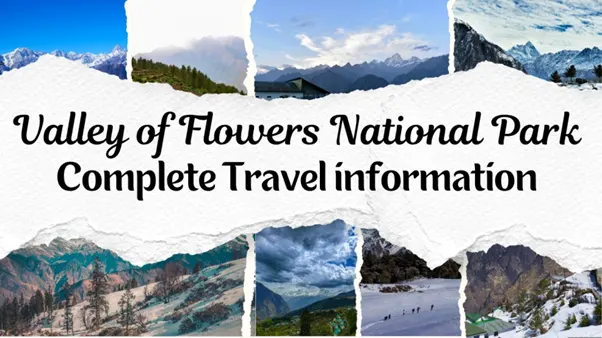
Hidden deep in the Garhwal Himalayas of Uttarakhand, the Valley of Flowers National Park – Complete Travel Guide is your ultimate companion to one of India’s most breath-taking UNESCO World Heritage Sites. Famous for its vibrant alpine meadows, rare flora, and snow-clad peaks, this natural paradise comes alive every monsoon with over 300 species of blooming flowers. Whether you’re an adventurer, nature lover, or photographer, this valley offers an unforgettable Himalayan experience. Best Time to Visit Valley of Flowers Timing is everything when planning a trip to this paradise. Month Weather Blooming Status Travel Note May – June Cool & clear Early blooms begin Ideal for trekkers who prefer fewer crowds July – August Mild rains Peak flower bloom Best time to witness full valley bloom September Pleasant Fading flowers Great for photography and fewer tourists October – April Snowbound Closed for visitors Trek route inaccessible Pro Tip: The best time to visit Valley of Flowers is from mid-July to late August when the valley is in full bloom and alive with colour. How to Reach Valley of Flowers Reaching this Himalayan wonder requires a blend of road and trekking adventure. From Govindghat, trek 14 km to Ghangaria, the last settlement before the valley. From Ghangaria, it’s another 3.5 km trek to reach the entrance of the Valley of Flowers National Park. Valley of Flowers Trek Route The Valley of Flowers trek route is moderately challenging and suitable for beginners with good fitness. Trek Itinerary Overview: Trek Distance: Approximately 17 km (one way)Difficulty Level: Easy to moderateBest Season: July to September Permits and Entry Details Accommodation Options Travel Tips for Valley of Flowers Nearby Attractions Health and Safety Guidelines for Trekkers Sustainable Travel Tips – Protecting the Valley FAQs about Valley of Flowers National Park 1. What is the best time to visit Valley of Flowers?Because during winter, the idol of Lord Badrinath is moved from Badrinath Temple to Narsingh Temple in Joshimath for worship. 2. What is the best time to visit Joshimath?October to February is ideal, as you can witness winter rituals and clear mountain views. 3. Can I camp inside Valley of Flowers?No, camping is not allowed inside the park. Accommodation is available only in Ghangaria. 4. How many days are required for the Valley of Flowers trek?A 4–5-day itinerary is ideal to cover the valley and nearby Hemkund Sahib. 5. Do I need a guide or permit for Valley of Flowers?Yes, you need an entry permit, and hiring a local guide is highly recommended for safety and navigation. Memorable Trekking Experiences with Clans Stays Clans Stays ensures every trek in Uttarakhand becomes an unforgettable journey. From the scenic Valley of Flowers to the sacred Tungnath Temple, our team designs treks that blend adventure, nature, and spirituality. With expert local guides, comfortable stays, and well-planned itineraries, Clans Stays makes every step of your Himalayan trek safe, scenic, and memorable.
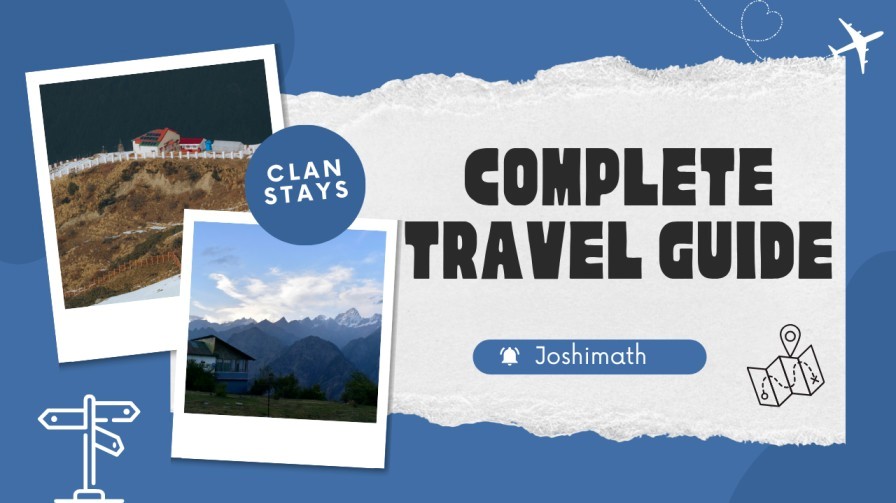
Joshimath – Winter Seat of Lord Badri
Nestled in the Chamoli district of Uttarakhand, Joshimath is not just a town—it’s a divine gateway to the Himalayas. Known as the winter abode of Lord Badrinath, this sacred place holds immense spiritual and historical significance. As snow blankets the higher peaks, the idol of Lord Badri is ceremoniously brought from Badrinath Temple to Joshimath, marking the start of the winter season’s holy rituals. History and Religious Significance of Joshimath Joshimath, also known as Jyotirmath, was established by Adi Shankaracharya in the 8th century AD. It is one of the four sacred Mathas (monastic centres) founded to preserve Hindu philosophy and learning. The town symbolizes faith and enlightenment, attracting pilgrims year-round for its temples and serene Himalayan energy. Narsingh Temple – The Winter Seat of Lord Badri The Narsingh Temple is the main attraction of Joshimath and the winter seat of Lord Badrinath. Dedicated to Lord Vishnu’s incarnation as Narsingh (the half-man, half-lion avatar), this ancient temple becomes the spiritual centre of the region when heavy snowfall closes Badrinath Temple. The idol of Lord Badri is worshipped here for six months during winter. According to legend, the left arm of the Narsingh idol is slowly thinning — a sign believed to indicate the end of Kalyug. The Sacred Journey of Badrinath Idol in Winter When snow starts covering Badrinath Dham (around November), priests perform a holy ritual called “Palki Yatra”, where the idol of Lord Badri is moved to Joshimath with full devotion. This marks the beginning of the winter worship season. The idol stays in the Narsingh Temple until May, when it’s ceremoniously returned to Badrinath for summer worship. This sacred migration attracts thousands of devotees every year who wish to witness the divine procession. How to Reach Joshimath – Complete Travel Guide Joshimath, located in Chamoli district of Uttarakhand, is well connected by road and public transport from major North Indian cities. By Road By Train By Air Best Time to Visit Joshimath Joshimath welcomes travellers throughout the year, but the best time depends on your purpose of visit — pilgrimage, adventure, or sightseeing. Summer (April to June) Monsoon (July to September) Winter (October to February) Places to Visit in and Around Joshimath Joshimath serves as a gateway to several sacred temples, scenic landscapes, and adventure destinations in Uttarakhand. Here are the top places to explore nearby: The Winter Seat of Lord Badrinath, this temple lies in the heart of Joshimath (0 km). The idol of Lord Badri is worshipped here during winter when the Badrinath Temple closes. Located just 12 km from Joshimath, Auli is famous for skiing, snowboarding, and its scenic ropeway ride offering panoramic views of Nanda Devi and other Himalayan peaks. About 17 km from Govindghat (which is 22 km from Joshimath), this UNESCO World Heritage Site bursts into colourful bloom from July to September, making it a must for trekkers and nature lovers. Situated around 14 km from Joshimath, Tapovan is known for its natural sulphur hot springs and short treks offering breath-taking Himalayan views. Just 1 km from the main market, this sacred mulberry tree is believed to be over 1,200 years old and holds deep mythological significance as Adi Shankaracharya’s meditation spot. Around 17 km from Joshimath, this temple is one of the Panch Badri shrines. It’s said that Lord Vishnu will be worshipped here in the future when Badrinath becomes inaccessible. Located approximately 26 km from Joshimath, Chenab Lake is an offbeat attraction ideal for trekking and camping, surrounded by untouched natural beauty. Situated about 0.5 km from Joshimath town, this ancient monastery was established by Adi Guru Shankaracharya and remains a peaceful spiritual centre. Just 22 km from Joshimath, Govindghat is the base point for the Valley of Flowers and Hemkund Sahib treks. The area has good stay options for pilgrims and trekkers. Located about 40 km trek from Govindghat, Hemkund Sahib is a sacred Sikh shrine set beside a glacial lake at 4,329 meters, surrounded by snow-capped peaks. Accommodation in Joshimath FAQs about Joshimath 1. Why is Joshimath known as the winter seat of Lord Badrinath?Because during winter, the idol of Lord Badrinath is moved from Badrinath Temple to Narsingh Temple in Joshimath for worship. 2. What is the best time to visit Joshimath?October to February is ideal, as you can witness winter rituals and clear mountain views. 3. How far is Auli from Joshimath?Auli is just 12 km away and can be reached by road or India’s longest ropeway. 4. Is Joshimath safe for travel in winter?Yes, it’s safe with proper winter clothing. Roads remain open, but always check local weather updates. 5. How can I book a Joshimath pilgrimage tour?You can easily book customized pilgrimage and travel packages with Clans Stays, offering guided tours, transport, and accommodations. Create Lifelong Memories with Clans Stays in Joshimath With Clans Stays, your Joshimath trip becomes more than just a visit — it’s an experience to remember. Enjoy peaceful stays near temples, stunning mountain views, and easy access to nearby spots like Auli and Badrinath. Every stay is designed to make your journey comfortable, relaxed, and truly memorable.

Auli – Best Time for Skiing and Ropeway Ride
Auli, often called the “Skiing Paradise of India,” is one of the most scenic hill stations in Uttarakhand, surrounded by snow-clad peaks of Nanda Devi and the lush meadows of Joshimath. If you’re planning a winter getaway or an adventure-filled holiday, knowing the best time to visit Auli for snow and skiing is essential. From thrilling ropeway rides to serene alpine landscapes, Auli promises an unforgettable Himalayan experience. Best Time to Visit Auli for Snow The best time to visit Auli for snow is from December to March, when the region is covered in a thick white blanket of snow, perfect for skiing and snowboarding. January and February are the peak snow months, offering ideal conditions for winter sports and mesmerizing views of the Garhwal Himalayas. Highlights during snow season: Auli Skiing Season – When Adventure Meets Snow The Auli skiing season officially begins in late December and continues till mid-March. The slopes range from 2,500 to 3,050 meters in elevation, offering both beginner-friendly and advanced trails. Skiing Essentials: Auli Ropeway Timing and Price The Auli Ropeway, one of Asia’s longest cable cars, connects Joshimath to Auli over a distance of 4.4 km. It offers breath-taking aerial views of snow-covered peaks and pine forests. Details Information Ropeway Route Joshimath – Auli Total Distance 4.4 km Duration 20–25 minutes Timing 9:00 AM – 4:00 PM Price ₹1000 – ₹1200 (round trip) Pro Tip: Try to take the ropeway early morning for the best panoramic views before the clouds settle in. Auli Weather and Temperature by Season Auli, nestled in the Garhwal Himalayas of Uttarakhand, offers a unique experience in every season. Whether you’re chasing snow or seeking cool summer hikes, understanding Auli weather and temperature helps you plan the perfect trip. Winter (December – March) Summer (April – June) Monsoon (July – September) Autumn (October – November) How to Reach Auli – Complete Travel Guide By Air: The nearest airport is Jolly Grant Airport (Dehradun), around 280 km from Auli. From there, taxis are available to Joshimath. By Train: The closest railway station is Rishikesh (260 km), well-connected to major Indian cities. By Road: Auli is accessible via Joshimath, which is connected by motorable roads from Rishikesh, Haridwar, and Dehradun. From Joshimath, you can take a 14 km drive or the ropeway to reach Auli. Winter Adventures in Auli Auli isn’t just about skiing—it’s a complete winter adventure destination. Visitors can enjoy snow trekking, camping, snowboarding, and cable car rides that reveal stunning mountain panoramas. Top Winter Activities: Nearby Attractions from Auli Best Hotels and Stays in Auli Auli offers a mix of resorts, eco-camps, and lodges with mesmerizing Himalayan views. Travel Tips for Auli Visitors Nearby Tourist Attractions from Auli Joshimath – Gateway to Auli (12 km) Auli’s nearest town and ropeway base, Joshimath is also the winter seat of Lord Badri. It’s a hub for travellers heading towards Badrinath, Valley of Flowers, and other Himalayan treks. Chenab Lake – Hidden Gem of Auli (4 km trek) A small yet mesmerizing lake surrounded by pine forests and meadows. It’s perfect for a short trek from Auli and ideal for nature photography. Badrinath Temple – Sacred Himalayan Shrine (60 km) One of the Char Dham pilgrimage sites dedicated to Lord Vishnu. Its majestic setting along the Alaknanda River makes it a must-visit spiritual destination. Valley of Flowers – UNESCO World Heritage Site (36 km from Govindghat) Known for its stunning alpine meadows blooming with hundreds of flower species. Best visited between July and September when the valley is in full bloom. Hemkund Sahib – Sacred Sikh Pilgrimage (43 km via Govindghat) A high-altitude gurudwara nestled beside a serene glacial lake. The trek offers breath-taking mountain views and a deep spiritual experience. Tapovan – Land of Hot Springs (15 km from Joshimath) Famous for its natural hot water springs and panoramic views of Nanda Devi Peak. It’s a peaceful retreat for both trekkers and pilgrims. Nanda Devi National Park – Wilderness of the Himalayas (25 km) Home to rare Himalayan species and lush alpine vegetation. A paradise for trekkers, photographers, and wildlife enthusiasts. Gurso Bugyal – Scenic Alpine Meadow (3 km trek) A short yet rewarding trek from Auli with sweeping views of Nanda Devi, Trishul, and Dron Parvat. Ideal for picnics, short hikes, and capturing sunrise moments over snow peaks. FAQs about Auli 1. What is the best time to visit Auli for snow?The best time to experience snow in Auli is from December to March, when the area is ideal for skiing and snowboarding. 2. How can I reach Auli from Rishikesh?You can take a bus or taxi to Joshimath (260 km), and then reach Auli via ropeway or road (14 km). 3. What are the Auli ropeway timings and ticket prices?The ropeway operates from 9:00 AM to 4:00 PM, with a round-trip fare of ₹1000–₹1200. 4. Is skiing equipment available in Auli?Yes, ski gear and training are available at GMVN Auli Ski Resort and other local centres. 5. Which is the nearest airport to Auli?The nearest airport is Jolly Grant Airport, Dehradun, located around 280 km from Auli. Plan Your Perfect Auli Holiday with Clans Stays Clans Stays helps you experience Auli at its finest — from snow-covered slopes to serene mountain views. Our team curates personalized travel packages that include comfortable stays, local sightseeing, skiing adventures, and the famous Auli ropeway ride. With expert guidance, 24/7 support, and hassle-free arrangements, Clans Stays ensures your Auli holiday is smooth, memorable, and filled with breath-taking Himalayan moments.

Tungnath Temple – Highest Shiva Shrine in the World
Perched high in the Garhwal Himalayas, Tungnath Temple – Highest Shiva Shrine in the World, stands as a symbol of devotion and serenity. Located in Uttarakhand’s Rudraprayag district, this ancient temple sits at an astounding altitude of 3,680 meters (12,073 ft), making it the highest Lord Shiva temple on Earth. Whether you’re a spiritual seeker or an adventure lover, the Tungnath Temple trek offers a perfect blend of devotion, breath-taking views, and Himalayan tranquillity. About Tungnath Temple Tungnath, meaning “Lord of the Peaks,” is one of the Panch Kedar temples dedicated to Lord Shiva. According to mythology, it was built by the Pandavas to seek Lord Shiva’s forgiveness after the Kurukshetra war. The temple is believed to be over 1,000 years old and is renowned for its ancient stone architecture, spiritual aura, and stunning mountain backdrop — including Chaukhamba, Neelkanth, and Kedarnath peaks. Mythological Significance As per legend, after the Mahabharata war, the Pandavas sought Lord Shiva’s blessings to absolve their sins. Lord Shiva, disguised as a bull, disappeared into the earth to avoid them.His body parts are believed to have appeared in five locations across Uttarakhand, forming the Panch Kedar circuit: Thus, Tungnath holds immense religious importance as the second temple in the Panch Kedar pilgrimage. Tungnath Temple Trek – A Short and Thrilling Journey The Tungnath Temple trek is one of the most accessible Himalayan treks. The 4–5 km trail begins from Chopta, often called the “Mini Switzerland of Uttarakhand.” Trek Details Category Details Starting Point Chopta (2,680 m) Trek Distance 4–5 km Trek Duration 2–3 hours (one way) Difficulty Level Easy to Moderate Best Time to Visit April – November What You’ll See on the Trek Tip: Sunrise from Chandrashila is one of the most mesmerizing sights in Uttarakhand. Best Time to Visit Tungnath Temple The temple remains open from April/May to November, depending on weather and snow conditions. Season Temperature Experience Summer (Apr–Jun) 10°C–25°C Pleasant weather, ideal for trekking Monsoon (Jul–Sep) 8°C–18°C Lush greenery but slippery trails Autumn (Oct–Nov) 5°C–20°C Clear skies, best for photography Winter (Dec–Mar) Below 0°C Temple closed, covered in snow Note: During winter, the deity is shifted to Mukunath, a lower-altitude temple in the valley. How to Reach Tungnath Temple By Air By Road By Train Spiritual Experience at the Highest Lord Shiva Temple The peaceful atmosphere of Tungnath, surrounded by snow-clad peaks and whispering winds, makes it more than just a pilgrimage — it’s a journey inward. The mantras, temple bells, and panoramic silence create an aura of divine energy rarely found elsewhere. Travel Tips for Tungnath Temple Trek Why Visit Tungnath Temple Travel Tips for Tungnath Temple Trek Nearby Attractions Around Tungnath Temple Frequently Asked Questions (FAQs) 1. Where is Tungnath Temple located? Tungnath Temple is located in the Rudraprayag district of Uttarakhand, near Chopta, at an altitude of 3,680 meters. 2. What makes Tungnath the highest Lord Shiva temple? At 3,680 meters above sea level, Tungnath is the world’s highest Shiva temple, part of the sacred Panch Kedar circuit. 3. How difficult is the Tungnath Temple trek? The trek is easy to moderate, covering 4–5 km from Chopta and taking about 2–3 hours. 4. When does Tungnath Temple open and close? It opens around April/May and closes by November, depending on snowfall. 5. Can I visit Tungnath during winter? The temple remains closed in winter due to snow, but you can visit Mukunath Temple, where the deity is worshipped during this period. Explore Tungnath Temple Comfortably with Clans Stays Clans Stays offers a seamless travel experience for those visiting Tungnath Temple, the highest Shiva shrine in the world. With expert local guides and comfortable stays in Chopta, they ensure a safe and memorable trek to this sacred destination. Every detail from transport to accommodation is carefully managed for a stress-free journey. Choose Clans Stays to experience the divine beauty of Tungnath with comfort and authenticity.

Paragliding in Rishikesh, Bhimtal, and Tehri – Cost, Timing & Complete Guide
If you’re planning an adventure trip to Uttarakhand, then Paragliding in Rishikesh, Bhimtal, and Tehri should definitely be on your list! These destinations offer breathtaking aerial views of the Himalayas, glistening lakes, and lush green valleys — perfect for thrill-seekers and nature lovers alike. Whether you’re a beginner or a pro, this guide will help you know the best paragliding spots in Uttarakhand, their cost, timing, and trusted paragliding companies to fly with. Why Paragliding in Uttarakhand is So Popular Uttarakhand is not only famous for temples and treks — it’s also a paradise for adventure lovers. The clean air, open valleys, and peaceful views make it the perfect place for paragliding. Here’s what makes these three destinations special: 1. Paragliding in Rishikesh Why Rishikesh? Rishikesh is already known for river rafting and bungee jumping, but paragliding takes your adventure to a whole new level. The flight gives you a mesmerizing view of the Shivalik ranges and the holy Ganga river. Paragliding Cost in Rishikesh Flight Type Duration Approx. Cost Short Flight 5–10 mins ₹3,000 – ₹4,000 Long Flight 15–25 mins ₹5,000 – ₹6,000 Best Time to Fly Top Paragliding Company Paragliding in Rishikesh – A licensed adventure company offering tandem flights with expert pilots. paraglidinginrishikesh.in 2. Paragliding in Bhimtal Why Bhimtal? Bhimtal, close to Nainital, offers serene landscapes surrounded by hills and lakes. Paragliding here gives you breathtaking aerial views that are perfect for first-time flyers. Paragliding Timing in Bhimtal Cost of Paragliding in Bhimtal Flight Type Duration Approx. Cost Basic Flight 10 mins ₹2,500 – ₹3,000 Long Flight 20–30 mins ₹4,000 – ₹5,000 Popular Operators 3. Paragliding in Tehri Why Tehri? Tehri Lake is one of the most beautiful paragliding locations in India. You’ll soar above clear blue water with panoramic mountain views — a memory for life. Best Time for Paragliding Paragliding Cost in Tehri Flight Type Duration Approx. Cost Tandem Flight 10–20 mins ₹3,000 – ₹4,500 Professional Flight 25–30 mins ₹5,000 – ₹6,500 Top Operators Plan Your Adventure with Clans Stays Private Limited When you book your trip through Clans Stays, you don’t have to worry about planning or safety.We handle everything — hotel booking, local transport, adventure activities, and professional coordination with verified operators. Whether you’re traveling solo, with family, or in a group, our travel experts make sure your adventure is smooth, safe, and memorable. Travel Tips for Paragliding in Uttarakhand How to Reach These Destinations Destination Nearest Airport Distance Rishikesh Jolly Grant (Dehradun) 25 km Bhimtal Pantnagar 58 km Tehri Jolly Grant (Dehradun) 90 km All three locations are well-connected by road from Delhi, Haridwar, and Dehradun. Frequently Asked Questions (FAQs) 1. Is paragliding safe in Uttarakhand?Yes! Most operators are certified and use international safety standards. Always check the company’s license before booking. 2. What is the minimum age for paragliding?Usually, above 12 years is allowed for tandem flights. Weight should be between 30–90 kg. 3. Do I need prior experience?No. Tandem flights are handled by professional pilots, making it safe for beginners. 4. Can I book paragliding online?Yes. Most adventure companies allow online booking through their official websites. 5. Which is the best place for first-timers?Bhimtal and Rishikesh are perfect for beginners due to smooth take-off and landing zones. Conclusion Whether you choose to soar above the holy Ganges in Rishikesh, glide over Bhimtal’s peaceful lakes, or enjoy the thrilling heights of Tehri, each flight offers an unforgettable experience. Paragliding in Rishikesh, Bhimtal, and Tehri is more than just an adventure — it’s a chance to see Uttarakhand from the sky and feel the pure joy of flying. Ready to Fly? Let Clans Stays Plan It for You! Looking for a safe, affordable, and well-organized paragliding trip? Clans Stays Private Limited — your trusted travel partner in Uttarakhand — is here to help you plan your next adventure. We arrange paragliding tours, hotel stays, and full Uttarakhand travel packages customized just for you! Office: 16/4 B, EC Road, next to income tax office, irrigation colony, Karanpur, Dehradun, Uttarakhand 248001 Call/WhatsApp: +91 8077168632 Website: www.clanstays.com Email: info@clanstays.com Book your paragliding adventure now and let the Himalayas take your breath away!
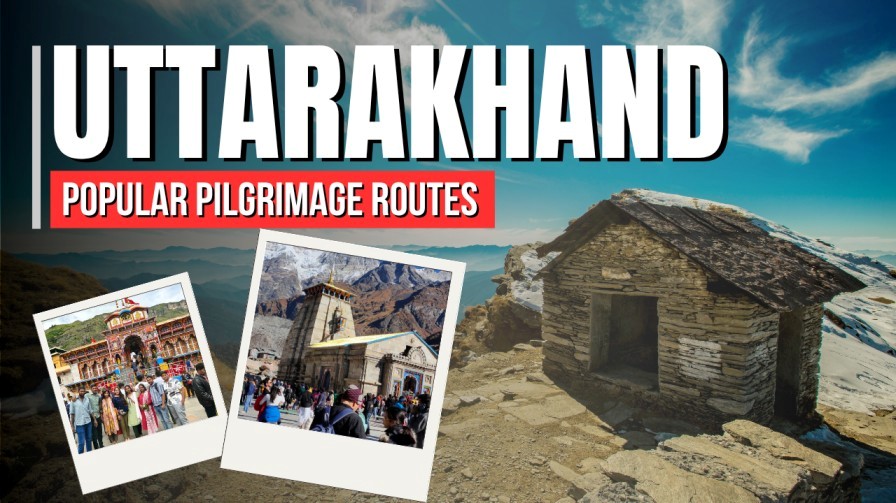
Popular Pilgrimage Routes in Uttarakhand
The majestic state of Uttarakhand, often called Devbhūmi (Land of the Gods), unfolds a rich tapestry of spiritual routes and sacred sites. In this blog we dive into the Famous Pilgrimage Circuits of Uttarakhand and the many pilgrimage sites in Uttarakhand that draw thousands of devotees each year. From river-confluences to Himalayan shrines, each circuit offers a unique blend of faith, nature and cultural heritage. What is a “Pilgrimage Circuit”? A pilgrimage circuit is a connected route of sacred spots that devotees travel through often sequentially to complete a spiritual journey. In Uttarakhand you’ll encounter routes that combine: These circuits boost religious tourism and also help preserve the cultural and environmental fabric of the region. Major Pilgrimage Circuits in Uttarakhand Chota Char Dham Yatra (Yamunotri → Gangotri → Kedarnath → Badrinath) This is perhaps the most famous pilgrimage circuit of Uttarakhand — a sacred journey through the Himalayas that covers four divine temples dedicated to major deities of Hinduism. The Four Holy Shrines Why It’s Special Route, Distances & Travel Time Route Distance Travel Time Notes Haridwar → Barkot (Yamunotri Base) 220 km 7–8 hrs Scenic route via Dehradun or Mussoorie. Barkot → Yamunotri (via Janki Chatti) 36 km drive + 6 km trek 3–4 hrs Trek or hire pony. Barkot → Uttarkashi (Gangotri Base) 82 km 3–4 hrs Beautiful mountain roads. Uttarkashi → Gangotri Temple 100 km 4–5 hrs Along the Bhagirathi River. Gangotri → Guptkashi (Kedarnath Base) 290 km 10–12 hrs Long journey; overnight halt suggested. Guptkashi → Kedarnath 30 km drive + 18 km trek 1 day Helicopter available from Phata. Kedarnath → Badrinath 230 km 8–9 hrs Drive via Joshimath. Badrinath → Haridwar 300 km 9–10 hrs Return to plains. Total Duration:10–12 days by road, or 2–4 days by helicopter. Tips for Travellers Panch Kedar (Kedarnath, Tungnath, Rudranath, Madhyamaheshwar, Kalpeshwar) The Panch Kedar circuit is dedicated to Lord Shiva. According to legend, after the Mahabharata war, the Pandavas sought Shiva’s forgiveness. The Lord disguised himself as a bull and his body parts appeared at five different sites — forming the five Kedars. The Five Temples Temple Location Elevation Distance (Approx.) Key Feature Kedarnath Rudraprayag 3,583 m 223 km from Rishikesh Hump of Shiva’s bull form. Tungnath Rudraprayag 3,680 m 208 km from Rishikesh Highest Shiva temple in the world. Rudranath Chamoli 2,286 m 228 km from Rishikesh Face of Lord Shiva. Madhyamaheshwar Rudraprayag 3,497 m 195 km from Rishikesh Navel of Shiva. Kalpeshwar Chamoli 2,200 m 240 km from Rishikesh Locks (Jata) of Shiva. Why Its Special Total Duration:10–14 days for full circuit by road and trek. Tips for Travellers Panch Badri (Badrinath, Adi Badri, Vriddha Badri, Bhavishya Badri, Yogdhyan Badri) The Panch Badri circuit honours Lord Vishnu in five forms across the Alaknanda Valley. The Five Sacred Badri Temples Temple Location Elevation Distance (Approx.) Importance Badrinath Chamoli 3,133 m 295 km from Rishikesh Main Vishnu shrine. Adi Badri Karnaprayag 1,380 m 195 km from Rishikesh Ancient Gupta-period temple. Vriddha Badri Joshimath 1,380 m 240 km from Rishikesh Vishnu’s old age form. Bhavishya Badri Tapovan 2,744 m 274 km from Rishikesh Said to become future Badrinath. Yogdhyan Badri Pandukeshwar 1,920 m 270 km from Rishikesh Where King Pandu meditated. Why It’s Special Total Duration:5–7 days by road. Tips for Travellers Sapta Badri (Extended Vishnu Circuit) The Sapta Badri (Seven Badri) expands the Panch Badri route by adding Ardha Badri and Dhyan Badri, forming a deeper spiritual trail. Duration: 7–9 days, including local stays. Highlights: Nanda Devi & Jageshwar Temples These are among the most revered individual pilgrimage sites in Uttarakhand outside the main circuits. Nanda Devi Temple (Almora) Jageshwar Dham (Near Almora) Frequently Asked Questions (FAQs) 1. What are the main pilgrimage circuits of Uttarakhand?The major ones are Chota Char Dham, Panch Kedar, Panch Badri, and Sapta Badri circuits. 2. How long does it take to complete the Char Dham Yatra?Around 10–12 days by road or 2–4 days by helicopter. 3. Which is the best time to visit these pilgrimage sites?From April to October, except during monsoon. 4. Are these circuits suitable for elderly travellers?Yes, with helicopter options and private transport, all major temples are accessible. 5. How can I plan a comfortable pilgrimage tour?You can book customized itineraries via Clans Stays for safe and hassle-free travel. Why Choose Clans Stays for Your Uttarakhand Pilgrimage Clans Stays ensures a seamless and comfortable experience for every pilgrim exploring the Famous Pilgrimage Circuits of Uttarakhand. With private transport, verified stays, and expert local guidance, your journey remains safe, organized, and stress-free. From personalized itineraries to helicopter packages, Clans Stays takes care of every detail — so you can focus on your spiritual connection, not travel worries.
Char Dham Yatra Registration Process Step by Step 2026
Embarking on the sacred Char Dham Yatra is a spiritual milestone — and the first key step is the Best Char Dham Yatra Registration Online. Whether you’re planning your pilgrimage to the four holy shrines of Uttarakhand (Yamunotri, Gangotri, Kedarnath, Badrinath), the registration process sets the stage for a safe, smooth, and spiritually fulfilling journey. In this guide, we walk you through every step, what documents you need, how to fill out the form, and what you should check before you set out. Why Registration Is Important Registration for the Char Dham Yatra is not just a formality — it serves crucial purposes: By completing the Best Char Dham Yatra Registration Online, you gain access to real-time updates, official tracking support, and secure travel management. What You’ll Need Before You Start Here are the key things to have ready before you begin the online registration: Step-by-Step: How to Complete the Best Char Dham Yatra Registration Online Here’s a clear breakdown of the online registration process: Step 1: Visit the Official Portal or App Go to the official registration website: https://uttarakhandtourism.gov.in/experiences/char-dham or download the ‘Tourist Care Uttarakhand’ app. Step 2: Create an Account / Login Step 3: Fill Tour Plan & Pilgrim Details Step 4: Enter Personal Information Step 5: Submit & Generate Registration Slip Step 6: Verification at Dham Important Guidelines & Tips Table: Quick Comparison of Registration Modes Mode Where What to do Best for Online Web portal / Mobile App Self-register, download QR pass Most convenient Offline Registration counters Fill form, show ID, print slip If no internet / group Tour-Operator Assisted Travel agency Operator registers in bulk for group Large groups, packages WhatsApp / Toll-free Mobile/Call Send “YATRA” / call and follow steps Quick mobile registration Offline Registration Options (In Case of No Internet) Not every pilgrim traveling to the Himalayas has access to stable internet or smartphones. To make the journey smooth for everyone, the Uttarakhand Government has arranged offline Char Dham Yatra registration centres at multiple locations across the state. If you can’t register online, these counters help you complete the same process easily and receive a QR-coded Yatra slip on the spot. Pilgrims can visit authorized registration and verification counters set up by the Tourism Department of Uttarakhand. These are located at major entry and transit points, including: Location Nearest Dham / Route Facilities Available Haridwar (Railway Station & Bus Stand) Entry point for all Dhams Biometric registration, helpdesk, printed slip Rishikesh ISBT & Tapovan Route to Yamunotri & Gangotri QR code pass, tourist info centre Sonprayag Base point for Kedarnath Local registration & verification counter Joshimath / Pandukeshwar En-route to Badrinath Registration + temple updates Janki Chatti & Barkot Base area for Yamunotri ID verification and slip printing Uttarkashi Gateway to Gangotri Offline registration & medical helpdesk Tip: Try to complete registration at Haridwar or Rishikesh before heading uphill, as crowds increase at higher counters. If you face any difficulty in registering or verifying your Yatra, you can contact the Tourism Helpline for real-time support:0135-1364 (Tourist Helpline)Operators assist with registration status, lost QR slips, or alternative verification methods. Pilgrims booking through verified travel companies like Clans Stays Private Limited can complete the offline registration process directly via the agency.Clans Stays handles all biometric entries, verification, and printing of your Yatra passes saving time and reducing queues at counters. Even for offline mode, you’ll need the following documents: After successful verification, the official issues a QR-coded Yatra Registration Slip, which must be shown at temple checkpoints and lodging sites. Common Mistakes to Avoid During Char Dham Yatra Registration Char Dham Yatra Registration FAQs Q1. Is registration mandatory for Char Dham Yatra?Yes, registration is compulsory for all pilgrims visiting Yamunotri, Gangotri, Kedarnath, and Badrinath. Q2. What is the official website for online registration?You can register through the official Uttarakhand Tourism portal – registrationandtouristcare.uk.gov.in. Q3. Is there any registration fee for Char Dham Yatra?No, the registration process is completely free of cost for all pilgrims. Q4. What documents are required for registration?A valid government ID proof (Aadhaar, Passport, or Voter ID) and a mobile number for OTP verification. Q5. Can I register offline if I don’t have internet access?Yes, offline counters are available at Haridwar, Rishikesh, Sonprayag, Joshimath, and other major points. Q6. How will I receive my registration confirmation?After successful registration, you’ll get a QR-coded slip via SMS or email, which must be carried during the journey. Q7. Do I need separate registration for Helicopter Yatra?Yes, even helicopter pilgrims must complete the official Char Dham registration process. Why Choose Clans Stays for Your Char Dham Yatra Registration Clans Stays Private Limited helps you complete your Char Dham Yatra registration quickly and correctly. Our team handles all details — from filling forms to generating QR slips — so you don’t face any confusion. We make sure your information is verified and your registration is done on time. You also get printed passes and full support during your journey. Choose Clans Stays for a smooth, error-free, and stress-free registration process.
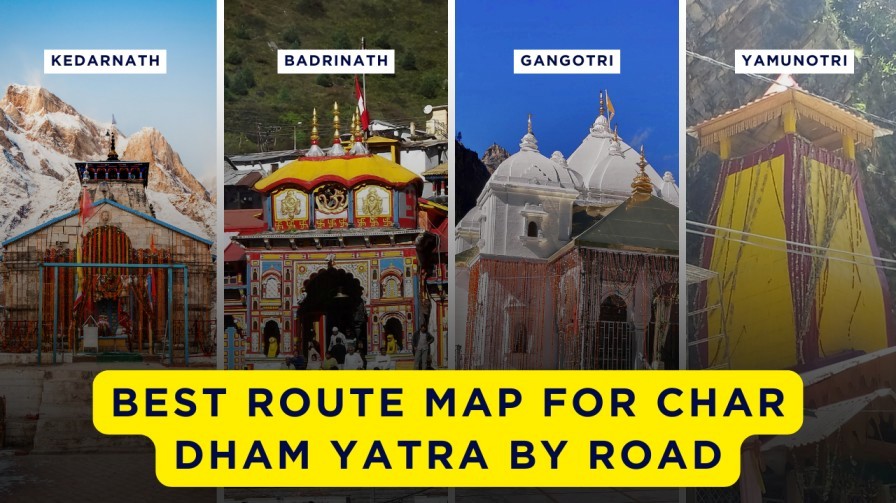
Best Route Map for Char Dham Yatra by Road
The Char Dham Yatra by road is one of India’s most revered spiritual experiences, taking pilgrims through the majestic Himalayas to four sacred shrines — Yamunotri, Gangotri, Kedarnath, and Badrinath. Whether you’re a devout pilgrim or a traveller seeking spiritual peace, planning the right Char Dham Yatra route ensures a smoother, more fulfilling journey. In this guide, we’ll explore the best route map for Char Dham Yatra by road, along with distance details, travel tips, and route highlights to help you make the most of your pilgrimage. Best Route Map for Char Dham Yatra by Road Traditionally, the Char Dham Yatra follows a clockwise route starting from Yamunotri, then moving to Gangotri, Kedarnath, and finally Badrinath. This sequence is spiritually significant and geographically convenient. Overview of the Char Dham Route Destination Altitude (ft) Distance from Haridwar (approx.) Route Highlights Yamunotri 10,804 ft 210 km Beautiful drive via Barkot and Janki Chatti Gangotri 11,204 ft 250 km Scenic route along Bhagirathi River Kedarnath 11,755 ft 225 km (plus 16 km trek) Spiritual trek from Gaurikund Badrinath 10,827 ft 240 km Picturesque landscapes and Mana Village Detailed Route Plan for Char Dham Yatra by Road Haridwar to Yamunotri From Janki Chatti, you’ll need to trek 6 km to reach the Yamunotri Temple. Pony and palanquin services are available for senior travellers. Yamunotri to Gangotri The Gangotri Temple, dedicated to Goddess Ganga, sits on the banks of the Bhagirathi River — a serene and powerful spot for meditation. Gangotri to Kedarnath From Gaurikund, pilgrims trek or hire a pony/doli to reach Kedarnath Temple, one of Lord Shiva’s most sacred shrines. Kedarnath to Badrinath Badrinath, dedicated to Lord Vishnu, marks the final stop of the Char Dham Yatra. Essential Travel Tips for Char Dham Yatra How to Plan Your Char Dham Yatra by Road Best Time to Visit Char Dham by Road Choosing the best time to visit Char Dham by road is essential for a safe and pleasant pilgrimage. The four temples — Yamunotri, Gangotri, Kedarnath, and Badrinath — are located in high-altitude regions of Uttarakhand, where the weather can be unpredictable. Here’s a complete guide to help you plan your Char Dham journey at the right time: The summer months are considered the best and safest time to embark on the Char Dham Yatra by road.During this period, the snow begins to melt, the weather is mild, and all the temple routes are accessible. Temperature Range: 10°C to 25°CAdvantages: Recommended for: Families, senior citizens, and first-time pilgrims. The monsoon months are generally not advisable for Char Dham travel. Heavy rainfall often leads to landslides, road blockages, and slippery trekking paths. Temperature Range: 12°C to 20°CChallenges: Recommended only if: You’re an experienced traveller with flexible plans and are prepared for weather disruptions. After the monsoon, the skies clear, and the mountains regain their fresh, green charm. The post-monsoon season is the second-best time for Char Dham Yatra by road. Temperature Range: 8°C to 18°CAdvantages: Recommended for: Pilgrims seeking a calm, off-season spiritual journey. During winter, heavy snowfall cuts off road access to the shrines. The temples remain closed for six months, and deities are shifted to their winter homes in nearby villages. Temperature Range: -5°C to 10°CAlternative Option: You can visit the winter Char Dham temples — These winter abodes remain open year-round for devotees. Essential Travel Tips for Char Dham Yatra FAQs on Char Dham Yatra by Road 1. How many days are needed for the Char Dham Yatra by road?It takes about 10–12 days to cover all four shrines comfortably. 2. Can I do Char Dham Yatra by car?Yes, you can. Many pilgrims prefer private SUVs for comfort on mountain roads. 3. Is registration mandatory for Char Dham Yatra?Yes, pilgrims must register at Char Dham Registration Portal before starting. 4. When do Char Dham temples open and close?The temples open in April/May and close by October/November every year. 5. Is accommodation easily available along the route?Yes, GMVN rest houses, private lodges, and dharamshalas are available at most stops. Why Choose Clans Stays for Your Char Dham Yatra Clans Stays Private Limited makes your Char Dham Yatra easy, safe, and comfortable. We take care of everything — travel, stay, food, and darshan — so you can focus on your spiritual journey. Our team has good local knowledge and offers 24/7 support during the trip. With Clans Stays, you get a smooth and worry-free yatra experience. We provide verified hotels, experienced drivers, and flexible packages to suit every traveller. Choose Clans Stays for a memorable and peaceful journey to the divine Char Dhams.
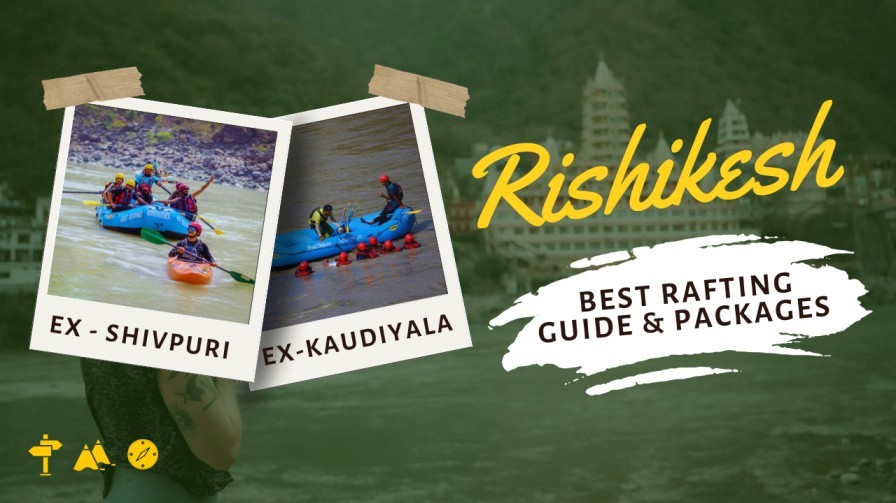
River Rafting in Rishikesh – Best Rafting Guide & Packages
Introduction If adventure runs through your veins, River Rafting in Rishikesh is an experience you simply cannot miss! Nestled on the banks of the sacred Ganga River, Rishikesh is known as the Adventure Capital of India — and white-water rafting is its crown jewel. With crystal-clear rapids, lush Himalayan views, and spiritual vibes all around, Rishikesh offers the perfect mix of adrenaline and peace. In this complete guide, we’ll explore everything you need to know — from the best rafting spots, packages, and prices, to safety tips and travel recommendations to make your rafting trip unforgettable. Why Choose River Rafting in Rishikesh? Rishikesh is one of the world’s best river rafting destinations, offering stretches suitable for beginners as well as thrill-seekers. Here’s why it’s so special: Whether it’s your first time or your tenth, every rafting experience in Rishikesh feels new. Best River Rafting Routes in Rishikesh Different rafting stretches offer different levels of thrill. Here’s a quick guide. Rafting Route Distance (Approx.) Grade Duration Highlights Brahmpuri to Rishikesh 9 km Grade I–II 1 hour Perfect for beginners & families Shivpuri to Rishikesh 16 km Grade II–III 2 hours Most popular stretch Marine Drive to Rishikesh 24 km Grade III 3 hours Adventure-packed & scenic Kaudiyala to Rishikesh 36 km Grade III–IV 4–5 hours For professionals & adventure lovers Tip: Most first-timers prefer the Shivpuri to Rishikesh stretch — it’s safe, thrilling, and scenic. Best Season for Rafting in Rishikesh If you’re wondering when to plan your trip, here’s the ideal rafting season in Rishikesh: Pro Tip: The months between March and May are ideal for both rafting and camping. Famous Rapids Experienced During River Rafting in Rishikesh Each rafting stretch in Rishikesh offers a unique combination of rapids — from gentle waves for beginners to wild, heart-racing challenges for experts. Here’s a list of the most popular rafting routes and the rapids you’ll encounter along the way. Rafting Stretch Famous Rapids Experienced Brahmpuri to Rishikesh (9 km) Initiation, Double Trouble, Hilton Shivpuri to Rishikesh (16 km) Roller Coaster, Golf Course, Club House, Initiation Marine Drive to Rishikesh (24 km) Three Blind Mice, Crossfire, Body Surfing Rapid, Roller Coaster Kaudiyala to Rishikesh (36 km) Daniel’s Dip, The Wall (Grade IV), Three Blind Mice, Golf Course Pro Tip:If you’re rafting for the first time, start with the Brahmpuri or Shivpuri stretch — they’re safe, scenic, and full of fun rapids.For adventure junkies, the Kaudiyala stretch is the ultimate thrill — especially the legendary “The Wall”, one of India’s most challenging Grade IV rapids. Camping and Rafting in Rishikesh For the ultimate adventure, combine camping and rafting! Wake up to the sound of the Ganga River, enjoy bonfire nights, and feel the thrill of rafting during the day. Popular camp zones: Inclusions:Stay in tents3 meals (Veg/Non-veg)River raftingBonfire & music Tip: Choose a camp near Shivpuri for the best view and easy rafting access. Other Rishikesh Adventure Activities (with Prices & Trusted Operators) Rishikesh isn’t just about rafting! Known as the Adventure Capital of India, it offers a variety of thrilling experiences for every traveller — from daring jumps to peaceful yoga sessions. Here’s a list of the most popular adventure activities in Rishikesh, along with their locations, prices, and trusted operators to help you plan easily. Bungee Jumping Mohan Chatti (Jumpin Heights Zone) ₹3,500 – ₹4,500 Jumpin Heights – India’s first and highest bungee jump, approved by the Ministry of Tourism. Mountain Biking Tapovan, Shivpuri, Byasi Trails ₹1,000 – ₹1,800 Red Chilli Adventure, Outbounds Adventure, White World Expeditions – professional bikes, guides & scenic trails. Rock Climbing & Rappelling Shivpuri & Phoolchatti Cliffs ₹800 – ₹1,200 Ravers Expeditions, Outbound Adventure Rishikesh – beginner-friendly & safe climbing zones. Camping under the Stars Shivpuri, Marine Drive, Kaudiyala ₹1,000 – ₹2,000 (per night) Clans Stays, Aspen Adventures, Camp Ganga Riviera, Cradle of Life Camps – scenic campsites with bonfire & meals. Yoga & Meditation by the Ganga Laxman Jhula, Parmarth Niketan, Tapovan ₹300 – ₹800 (per session) Parmarth Niketan Ashram, Himalayan Yog Ashram, Rishikesh Yogpeeth – authentic yoga sessions by certified gurus. Tip: For the best experience, try combo adventure packages such as Rafting + Camping + Bungee Jumping.Operators like Clans Stays, Red Chilli Adventure, and Jumpin Heights offer all-in-one weekend packages starting from ₹3,500–₹5,500 per person. Bonus: Read our complete Rishikesh Travel Guide. Safety Tips for Rafting in Rishikesh While rafting is safe with professionals, always follow basic safety rules: Note: Rishikesh operators follow international safety standards, so you’re in good hands. How to Reach Rishikesh By Air:Nearest airport – Jolly Grant Airport, Dehradun (approx. 35 km) By Train:Nearest railway station – Haridwar Junction (25 km) By Road:Regular buses & cabs available from Delhi, Dehradun, and Haridwar. Distance from Delhi: ~240 km (6–7 hours’ drive) Conclusion River Rafting in Rishikesh is more than just a sport — it’s an emotion that connects you to the wild energy of the Ganga. Whether you’re an adventure junkie or a peace seeker, Rishikesh offers an unforgettable mix of thrill and tranquility. So grab your paddle, put on your life jacket, and let the river show you what freedom feels like. Plan your next rafting trip with Clans Stays — where adventure meets comfort. Frequently Asked Questions (FAQs) Q1: What is the best time for river rafting in Rishikesh? The best season is from October to June, especially between March–May. Q2: Is rafting safe for beginners? Yes! Beginners can enjoy the Brahmpuri or Shivpuri stretch, guided by trained professionals. Q3: What should I carry for rafting? Light clothes, sports shoes, sunscreen, waterproof pouch, and a change of clothes. Q4: Can I do camping and rafting together? Absolutely! Many packages combine camping, meals, bonfire & rafting in one experience. Q5: How to book Rishikesh rafting packages? You can easily book through Clans Stays or trusted local operators online.
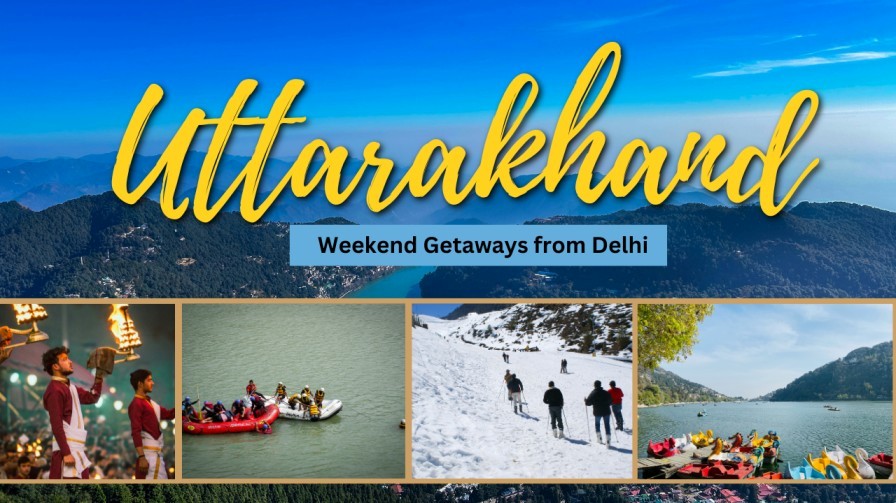
Weekend Getaways from Delhi to Uttarakhand
If you’re craving a quick break from Delhi’s rush, Uttarakhand is the perfect weekend escape. Surrounded by the Himalayas, this northern gem offers scenic beauty, spiritual vibes, and adventure — all within a few hours’ drive. From tranquil lakes to snow-capped peaks, it has something for every traveller. Whether you want peace, adventure, or romance, Weekend Getaways from Delhi to Uttarakhand promise unforgettable experiences. Why Uttarakhand Makes an Ideal Weekend Getaway Uttarakhand stands out because of its easy accessibility, pleasant climate, and wide range of destinations. In just 5–7 hours, you can drive from Delhi’s chaos to calm mountain air. The region offers lakes, forests, and rivers that refresh your body and soul. It’s also budget-friendly, with great homestays, boutique hotels, and luxury resorts to fit all preferences. How to Reach Uttarakhand from Delhi Traveling from Delhi to Uttarakhand is simple and comfortable, with several options depending on your time, budget, and travel style. You can reach the hills by road, train, or air, each offering a unique experience. By Road – The Most Scenic Way to Travel By Train – Comfortable and Budget-Friendly By Air – The Fastest Option For travellers short on time, flights are the quickest way to reach Uttarakhand. Main and Crowded Weekend Spots Nainital – The Lake Paradise Nainital is one of the most loved Weekend Getaways from Delhi to Uttarakhand, known for its serene lake views and peaceful atmosphere. Surrounded by lush green hills, the town offers boating, shopping, and cozy cafés along Mall Road. The cool breeze and scenic viewpoints make it ideal for couples and families alike. Mussoorie – The Queen of Hills Mussoorie is a charming hill station that perfectly blends colonial heritage and natural beauty. The mist-covered mountains, waterfalls, and bustling Mall Road make it a favourite among weekend travellers from Delhi. From cable car rides to sunset views, Mussoorie never disappoints. Rishikesh – Adventure and Spiritual Bliss Rishikesh offers the perfect mix of adventure, spirituality, and nature. Known as the Yoga Capital of the World, it’s ideal for thrill-seekers and peace-lovers alike. Enjoy white-water rafting, bungee jumping, and serene evenings by the Ganges during the famous Ganga Aarti. Lansdowne – Calm and Picturesque Lansdowne is one of the most peaceful hill towns near Delhi, perfect for those looking to escape crowds. The pine-covered slopes, British-era churches, and quiet walking trails make it an excellent destination for relaxation. It’s also one of the cleanest and most serene hill stations in Uttarakhand. Jim Corbett National Park – For Wildlife Lovers Jim Corbett is India’s oldest national park and a paradise for wildlife enthusiasts. Home to Bengal tigers, elephants, and over 500 bird species, it’s perfect for jungle safaris and nature photography. You can also enjoy riverside resorts and jeep tours deep inside the forest for an unforgettable experience. Auli – Snow Lover’s Paradise Auli is a dream destination for snow and mountain lovers. Known for its skiing slopes and panoramic views of Nanda Devi Peak, Auli is perfect for a winter getaway. You can take Asia’s longest cable car ride and enjoy breath-taking views of the Himalayas while sipping hot cocoa. Offbeat and Less-Crowded Weekend Spots If you’re tired of tourist crowds, Uttarakhand hides some beautiful, peaceful destinations that let you unwind amid nature. These offbeat places offer solitude, scenic beauty, and authentic local experiences — perfect for a relaxing weekend getaway from Delhi. Kanatal – Camping and Stargazing Kanatal is a quiet hill retreat near Mussoorie, famous for camping, forest walks, and mesmerizing sunsets. Its starry night skies make it a haven for stargazers and couples. With its untouched beauty, Kanatal is ideal for those seeking peace away from city chaos. Binsar – Wildlife and Nature Walks Binsar, tucked in the Kumaon region, is a wildlife sanctuary known for panoramic Himalayan views and dense oak forests. It’s a paradise for birdwatchers and trekkers who enjoy nature at its purest form. The calm environment and refreshing air make it ideal for digital detox trips. Ramgarh – Orchards and Peaceful Stays Known as the “Fruit Bowl of Kumaon,” Ramgarh offers scenic orchards, cozy homestays, and a peaceful ambiance. It’s a favourite spot for writers and nature lovers looking for inspiration amidst mountains and fruit-laden trees. The views of the Himalayas here are absolutely stunning. Pangot – Birdwatcher’s Paradise Just a short drive from Nainital, Pangot is a quaint hamlet surrounded by oak and rhododendron forests. Home to more than 300 bird species, it’s perfect for birdwatchers and photographers. The tranquil atmosphere and misty mornings make it a great alternative to crowded Nainital. Why Choose Clan Stays for Your Uttarakhand Trip Exploring Uttarakhand becomes effortless with Clan Stays, where comfort meets authenticity. They offer handpicked stays surrounded by nature, smooth travel planning, and personalized experiences tailored to your preferences. Whether you’re seeking adventure in Rishikesh, peace in Lansdowne, or romance in Nainital, Clan Stays ensures every detail is taken care of. With cozy accommodations, local insights, and friendly assistance, your weekend getaway becomes a seamless and memorable experience.