

Introduction: Your Complete Guide to Kedarnath Registration 2026 Planning to visit Kedarnath Temple in 2026? Don’t forget one of the most important steps before your journey — the Kedarnath registration 2026. The Uttarakhand Government has made online registration and QR pass mandatory for all pilgrims visiting Kedarnath and other Char Dham temples. This process helps ensure your safety, track pilgrims in real time, and manage crowd control in high-altitude regions. In this easy guide, you’ll learn everything — from how to register for Kedarnath Yatra 2026, the official website link, to downloading your Kedarnath QR pass 2026 in just a few minutes. Why Kedarnath Registration is Mandatory Every pilgrim visiting Kedarnath must complete the Kedarnath Yatra registration process before entering temple premises or beginning the trek from Gaurikund. The registration helps: Without the QR pass for Kedarnath Yatra, you won’t be allowed to proceed beyond key checkpoints like Sonprayag and Gaurikund. Official Kedarnath Yatra Registration Website To register online, visit the official Uttarakhand tourism portal: http://uttarakhandtourism.gov.in/ This is the only official Kedarnath Yatra registration website, managed by the Tourism Department of Uttarakhand Government.Avoid fake websites or third-party apps that charge money for registration — it’s free. How to Register for Kedarnath Yatra 2026 (Step-by-Step Guide) Follow this simple step-by-step Kedarnath online registration process to get your QR pass: Step 1: Visit the Official Website Go to http://uttarakhandtourism.gov.in/ and click on the “Register/Login” button. Step 2: Create Your Account Fill in your mobile number, email ID, and password to create your profile. You will receive an OTP for verification. Step 3: Choose “Char Dham Yatra 2026” Select Kedarnath as your destination. You can also register for other Dhams (Badrinath, Gangotri, Yamunotri) in one go if needed. Step 4: Fill in Pilgrim Details Enter full name, age, gender, ID proof (Aadhaar, Passport, etc.), and upload a clear passport-size photo. Step 5: Enter Your Travel Dates Choose the expected date of visit or trek start date (from Sonprayag or Gaurikund). Step 6: Submit and Download Your QR Pass Once submitted, your registration will be approved instantly.You’ll receive a confirmation message and a downloadable QR code via SMS/email. Keep a digital copy on your phone and one printed copy for verification at checkpoints. How to Download Kedarnath QR Pass 2026 After successful registration: Pro Tip: Take a screenshot of your QR pass — network connectivity can be poor in higher altitudes. Kedarnath Yatra Entry Points and QR Checkpoints Checkpoint Location Verification Process Rishikesh / Haridwar Starting point Initial QR code verification Guptkashi Midway Secondary scanning Sonprayag Vehicle halt point Mandatory QR scanning Gaurikund Trek starting point Final verification before trek Kedarnath Temple Gate Temple premises Final check before entry Make sure your QR code is active and readable at every checkpoint to avoid delays. Documents Required for Registration You’ll need: Kedarnath Temple Entry Pass 2026 and Yatra Timing All devotees must carry their Kedarnath temple entry pass 2026 (QR code) to enter the shrine premises. Offline Kedarnath Registration Centers If you can’t register online, don’t worry — the government has set up offline registration counters at: Carry your ID and a soft copy of your photo for on-the-spot QR generation. Why Online Registration Is Better Tips for a Smooth Kedarnath Yatra 2026 FAQs – Kedarnath Registration 2026 1. Is Kedarnath registration mandatory for 2026?Yes. Every pilgrim must complete Kedarnath registration 2026 and carry the QR pass for entry. 2. Can I register offline?Yes, registration counters are available at Haridwar, Rishikesh, Sonprayag, and Guptkashi. 3. Is there any fee for registration?No, the registration is completely free of cost. 4. Can I register for my family members?Yes, group registration is available. Each member gets a separate QR code. 5. What if I lose my QR code?You can log in to the portal and re-download your QR code anytime. 6. Do helicopter passengers need registration?Yes, even helicopter passengers must have a valid QR pass. 7. When does Kedarnath Yatra 2026 start?The Yatra is expected to begin in April 2026, depending on the temple opening ceremony (Akshaya Tritiya). 8. What is the Kedarnath registration online link?https://registrationandtouristcare.uk.gov.in 9. Can I modify my travel date after registration?Yes, you can edit your travel date by logging into your account. 10. Is mobile connectivity available during the Yatra?Limited connectivity is available up to Sonprayag and Gaurikund. Download your QR pass beforehand. Conclusion: Start Your Kedarnath Journey the Smart Way With digital registration now mandatory, the Kedarnath registration 2026 process is simple, fast, and secure. By following the step-by-step QR pass guide, you’ll ensure a hassle-free journey to one of India’s most sacred shrines. So, register early, carry your QR pass, and get ready for a divine experience in the lap of the Himalayas. Plan your Kedarnath Yatra 2026 with Clans Stays — your trusted travel partner for Char Dham packages, helicopter bookings, and personalized pilgrimage tours.
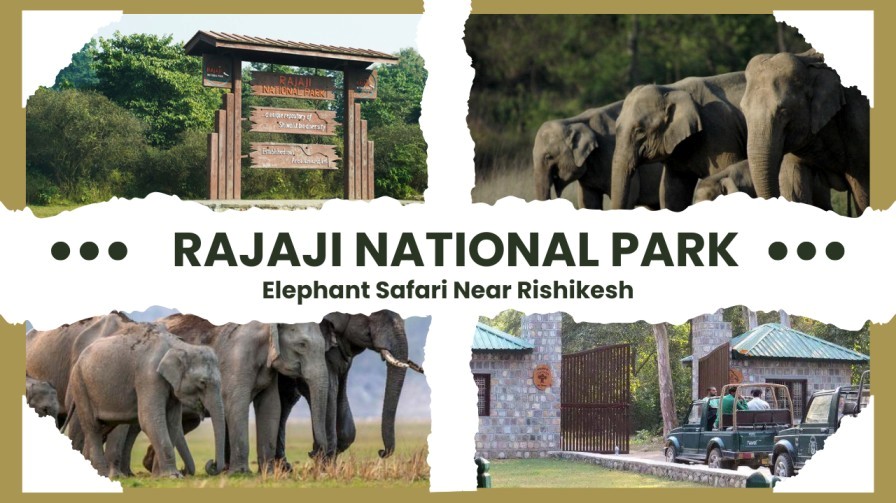
Elephant Safari in Rajaji National Park – Explore the Wild Near Rishikesh
Introduction: Experience the Thrill of Elephant Safari in Rajaji National Park If you’re dreaming of an adventure close to nature, the Elephant Safari in Rajaji National Park is a perfect choice. Just a short drive from Rishikesh, this park offers a rare chance to see majestic elephants, playful deer, and colorful birds in their natural habitat. Located in Uttarakhand, Rajaji National Park is one of the most beautiful and biodiverse wildlife reserves in North India. It’s not just a safari — it’s a chance to experience wildlife tourism in Uttarakhand at its finest. Let’s explore everything you need to know before planning your wildlife trip — from Rajaji National Park safari booking to ticket prices, timings, and the best time to visit. About Rajaji National Park Rajaji National Park, now known as Rajaji Tiger Reserve, spans over 820 square kilometers and covers parts of Haridwar, Dehradun, and Pauri Garhwal districts. Established in 1983, it was named after C. Rajagopalachari, the first Governor-General of India. The park is home to: Its location near Rishikesh and Haridwar makes it one of the most accessible parks for nature and adventure lovers. Elephant Safari in Rajaji National Park – A Unique Experience Unlike jeep safaris, the elephant safari offers a peaceful and up-close experience of the forest. Sitting atop a gentle elephant, you can move quietly through the dense sal trees, watching animals in their natural environment without disturbing them. Why choose an elephant safari? It’s truly one of the best ways to enjoy a wildlife safari near Rishikesh. Safari Zones in Rajaji Tiger Reserve Rajaji National Park has five main safari zones, each offering a unique wildlife experience: Zone Entry Gate Distance from Rishikesh Safari Type Chilla Range Haridwar ~18 km Jeep & Elephant Safari Motichur Range Haridwar ~10 km Jeep Safari Ranipur Range Haridwar ~15 km Jeep Safari Jhilmil Range Haridwar ~20 km Jeep Safari Gohri Range Rishikesh ~17 km Jeep & Elephant Safari Tip: The Chilla and Gohri ranges are most popular for elephant rides in Rishikesh and provide great sightings of elephants, deer, and peacocks. Rajaji National Park Safari Booking and Ticket Price Booking a safari is simple and can be done online or at the park gates. Rajaji National Park safari booking options: Approximate Ticket Prices: Type Indian Visitors Foreign Visitors Jeep Safari (6 persons) ₹2,500 – ₹3,000 ₹4,500 – ₹5,000 Elephant Safari (per person) ₹1,500 – ₹2,000 ₹2,500 – ₹3,000 Prices may vary depending on the season and park authority updates. Best Time to Visit Rajaji National Park The park remains open for visitors from 15th November to 15th June each year. Best months: November to April — when the weather is pleasant, and animal sightings are frequent. Avoid monsoon months (July–October) as the park remains closed due to heavy rains and safety reasons. Things to Do Near Rishikesh and Rajaji National Park Besides the wildlife adventure, there’s plenty more to do nearby: If you plan a longer stay, explore other destinations through Rajaji National Park tour packages offered by local operators or Clans Stays. Wildlife Tourism in Uttarakhand – Why Rajaji Stands Out Uttarakhand is home to famous parks like Jim Corbett, but Rajaji Tiger Reserve offers a calmer, less crowded experience. Why visit Rajaji? Rajaji is truly a paradise for nature enthusiasts seeking an authentic jungle adventure. How to Reach Rajaji National Park Travel Tips Before You Go Frequently Asked Questions (FAQs) 1. How can I book a safari in Rajaji National Park?You can book online through the official Uttarakhand Forest website or via authorized local operators. On-the-spot booking is also available at park gates. 2. What is the best time for an elephant safari?The best time is from November to April when the weather is cool and animal sightings are high. 3. How long is the elephant safari?The average elephant safari lasts 1–1.5 hours, depending on the chosen zone. 4. Is Rajaji National Park safe for families?Yes, it’s completely safe. Guided safaris are conducted by trained forest officials. 5. What are the main animals to see?Elephants, deer, peacocks, sambars, wild boars, and occasionally leopards or tigers. Conclusion: Your Gateway to Wild Uttarakhand An Elephant Safari in Rajaji National Park is more than just a ride — it’s a journey through nature’s raw beauty and peace. Whether you’re visiting from Rishikesh or planning a wildlife trip across Uttarakhand, Rajaji is the perfect starting point for an unforgettable adventure. So pack your camera, book your safari, and get ready to explore the wild heart of Uttarakhand with ClanStays.
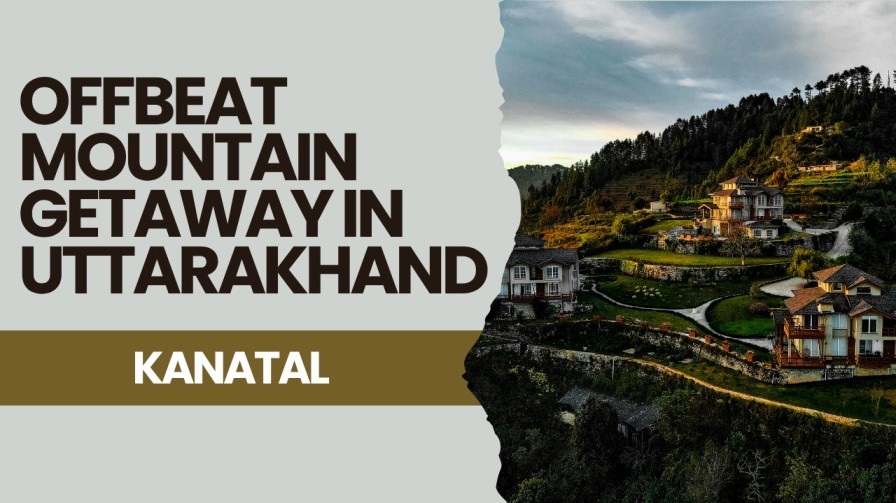
Kanatal – Offbeat Mountain Getaway in Uttarakhand
If you’re craving a peaceful escape from city noise, Kanatal is your answer. Tucked away in the Garhwal Himalayas, this hidden gem offers everything travellers look for in an offbeat mountain getaway in Kanatal — misty mornings, scenic trails, cozy stays, and pure tranquillity. Once a quiet village between Mussoorie and Chamba, Kanatal is now one of the most sought-after offbeat travel destinations in Uttarakhand, perfect for those who want serenity without the crowds. Why Kanatal is Perfect for Offbeat Travelers Kanatal is not your typical hill station — it’s quieter, cleaner, and more authentic. It’s ideal for couples, families, and solo travellers seeking a peaceful mountain retreat in Kanatal. Pro Tip: Kanatal sits at about 8,500 ft above sea level — so carry light woollens even in summer! Best Time to Visit Kanatal Kanatal is a peaceful mountain retreat that welcomes visitors all year round. Each season here has its own charm, making it a great offbeat mountain getaway in Kanatal no matter when you plan your trip. Summer (March – June) The weather stays cool and refreshing, with temperatures ranging between 10°C and 25°C. It’s the perfect time for outdoor fun, forest walks, and sightseeing. Families love visiting in summer for the pleasant climate and clear Himalayan views. Monsoon (July – September) Kanatal turns into a lush green paradise during the rains. Though travel can be tricky, it’s ideal for nature lovers and photographers looking for a Kanatal hidden hill destination covered in mist and clouds. Winter (October – February) This is the best time to experience snow and cozy bonfire nights. With temperatures often dropping to 0°C, Kanatal becomes a peaceful mountain retreat perfect for honeymooners and those seeking quiet, scenic beauty. Tip: The most popular time to visit Kanatal is between March–June and October–February, when the weather is ideal for both relaxation and adventure. Top Things to Do in Kanatal Whether you’re an adventurer or a nature lover, this Kanatal offbeat travel destination has something for everyone. A short 2 km trek from Kaddukhal leads to this sacred temple with panoramic views of the Himalayas. Ideal for sunrise or sunset seekers. Just 35 minutes from Kanatal, Tehri Lake offers water sports like jet skiing, kayaking, and boating — a thrilling break from the calm hills. A must for wildlife enthusiasts! Spot deer, wild boar, and rare Himalayan birds in this dense forest. Stay under the stars with friends or family. Several camps offer stargazing, music nights, and local Kumaoni meals. Enjoy peaceful strolls through apple orchards and pine trails — a treat for photographers and peace lovers alike. Where to Stay – Best Offbeat Places in Kanatal Property Name Type Highlights The Terraces Resort Luxury Spa, yoga deck, stunning mountain views Life Resorts Kanatal Mid-range Family-friendly, scenic location Pahadi House Homestay Local food, authentic Garhwali experience Camp Carnival Adventure Camp Bonfire nights, outdoor games Tip: For an authentic local experience, try homestays that offer organic food and traditional hospitality and call 8077168632 for best deals. How to Reach Kanatal Kanatal is easily accessible yet blissfully isolated — perfect for an offbeat mountain getaway in Kanatal. Route: Delhi → Rishikesh → Chamba → Kanatal. The last stretch is scenic with winding mountain roads. Why Kanatal Should Be on Your Travel List Kanatal is where simplicity meets beauty — a place that lets you slow down and reconnect with nature. Far from commercial chaos, this peaceful mountain retreat Kanatal offers both adventure and calm in equal measure. If you’re looking for something different from the usual tourist spots, Kanatal is the best offbeat place in Uttarakhand you shouldn’t miss. Pack your bags and let the mountains work their magic. Where to Stay – Best Offbeat Places in Kanatal FAQs about Kanatal – Offbeat Mountain Getaway 1. Where is Kanatal located?Kanatal is a small hill station in Tehri Garhwal district, Uttarakhand, situated between Mussoorie and Chamba. 2. What is Kanatal famous for?It’s known for its serene beauty, apple orchards, camping sites, and peaceful atmosphere — a true Kanatal offbeat travel destination. 3. Is Kanatal suitable for families?Yes, it’s safe, quiet, and offers family-friendly resorts and outdoor activities for all ages. 4. How many days are enough for Kanatal?A 2–3-day trip is perfect to explore major attractions and relax amid nature. 5. Is Kanatal good for snow lovers?Absolutely! Visit between December and February to experience snowfall and cozy winter stays. Why Travelers Prefer Clans Stays for Offbeat Destinations Travelers choose Clans Stays for our deep local expertise and personalized service. We handpick scenic stays, plan smooth itineraries, and offer authentic Uttarakhand experiences. From peaceful mountain getaways to hidden hill adventures, every trip is crafted with care. With Clans Stays, your offbeat journey becomes effortless, safe, and unforgettable.

Almora – The Cultural Heart of Kumaon
Almora – The Cultural Heart of Kumaon is a picturesque hill town in Uttarakhand, known for its rich heritage, vibrant culture, and breath-taking Himalayan views. This Almora travel guide will help you explore everything from historical sites to local cuisine and offbeat destinations. History and Heritage of Almora Almora has a long history dating back to the Chand dynasty. Its ancient temples, colonial-era architecture, and traditional markets showcase the town’s heritage and traditions. Almora Local Culture and Traditions Almora is a centre of Kumaoni culture with unique art, music, and festivals. Things to Do in Almora There is no shortage of things to do in Almora for travellers: Festivals in Almora Almora is known for its vibrant festivals, which highlight Kumaoni traditions: Almora Local Cuisine Almora local cuisine offers traditional Kumaoni flavors that delight the taste buds. Sightseeing Tips How to Reach Almora Nearby Attractions & Offbeat Destinations · Bright End Corner – A scenic viewpoint located about 6 km from Almora, perfect for enjoying sunrise and sunset views over the Himalayas. · Kasar Devi Temple – Around 5 km from Almora, this historic spiritual spot is surrounded by dense forests and ideal for meditation. · Katarmal Sun Temple – Situated 12 km from Almora, this 9th-century temple dedicated to the Sun God showcases traditional Kumaoni architecture. · Chitai Temple – Approximately 16 km from Almora, famous for its large Naga idols and peaceful spiritual atmosphere. · Ranikhet – Located 35 km from Almora, this nearby hill station offers lush greenery, colonial-era charm, and tranquil landscapes. · Jageshwar – About 38 km from Almora, this cluster of hidden Shiva temples amidst deodar forests is perfect for offbeat exploration. · Bhalu Gaad Waterfalls – Nearly 20 km from Almora, a lesser-known trekking spot offering serene nature and scenic views. Adventure and Outdoor Activities Almora Heritage and Traditions FAQs Q1: Why is Almora called the Cultural Heart of Kumaon?A1: Almora showcases the rich heritage, traditions, and festivals of Kumaon. Q2: What is the must-visit places in Almora?A2: Kasar Devi Temple, Bright End Corner, Katarmal Sun Temple, and local markets. Q3: When is the best time to visit Almora?A3: March to June and September to November for pleasant weather. Q4: What is special about Almora local cuisine?A4: It features Kumaoni dishes like Bhatt ki Churkani and Bal Mithai. Q5: Are there offbeat places to explore in Almora?A5: Yes, Bright End Corner, Jageshwar, and Katarmal Sun Temple are offbeat gems. Why Clan Stays Is the Perfect Choice for Your Almora Trip Choosing Clan Stays ensures a comfortable and hassle-free experience while exploring Almora – The Cultural Heart of Kumaon. Their thoughtfully designed accommodations are close to key heritage sites and offbeat destinations. Guests enjoy local insights, personalized services, and easy access to trekking and sightseeing spots. With Clan Stays, your Almora trip becomes convenient, memorable, and truly immersive.
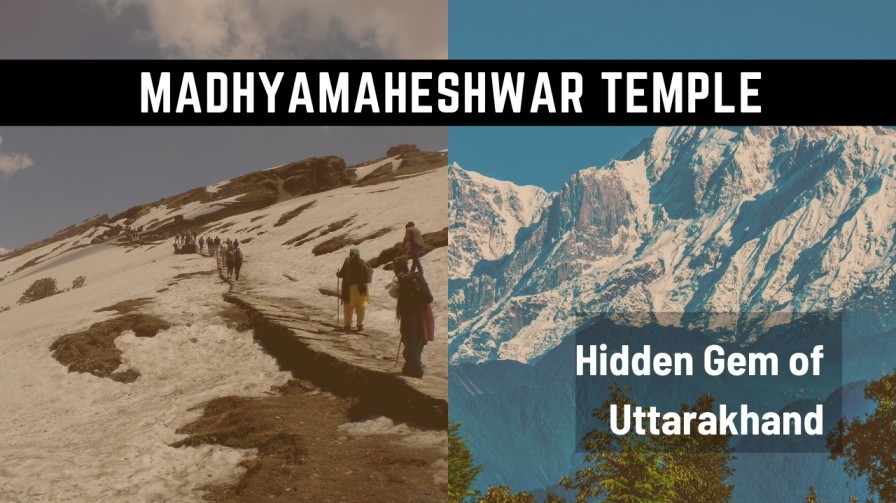
Madhyamaheshwar Temple – Hidden Gem of Uttarakhand
Nestled deep in the Garhwal Himalayas, the Madhyamaheshwar Temple – Hidden Gem of Uttarakhand is one of the most peaceful and spiritual places in the state. Dedicated to Lord Shiva, it is part of the Panch Kedar temples in Uttarakhand, but still remains a lesser-known pilgrimage in Uttarakhand. Surrounded by snow-capped peaks and lush meadows, this destination offers a perfect mix of spirituality and adventure. Mythology of Madhyamaheshwar Temple According to Hindu mythology, after the Mahabharata war, the Pandavas sought forgiveness from Lord Shiva for the bloodshed. Shiva, avoiding them, took the form of a bull and disappeared into the earth. His body parts appeared at five different places, which became known as the Panch Kedar temples.At Madhyamaheshwar, it is said that the navel (madhya part) of Lord Shiva appeared, giving this temple its name and significance. Spiritual Significance & What Makes it Unique Madhyamaheshwar Temple Trek The Madhyamaheshwar Temple trek starts from Ransi Village, a beautiful hamlet in the Rudraprayag district. The trek is around 17–18 km long and passes through dense forests, mountain streams, and meadows filled with wildflowers. Why This Temple is an Offbeat Destination in Uttarakhand Location & Trek Route: Trek to Madhyamaheshwar from Ransi Village How to Reach The Trek Experience Sample Trek Itinerary Table Day Route Approx kms Notes Day 1 Ransi → Gaundhar → Bantoli ~10 km Gentle start, acclimatize Day 2 Bantoli → Khatara/Nanu → Madhyamaheshwar Temple ~7-8 km Final ascent, temple arrival Best Time to Visit Madhyamaheshwar Temple – Season-wise Guide Summer (May – June) Monsoon (July – August) After Monsoon / Autumn (September – November) Winter (December – February) Nearby Attractions & Offbeat Destinations Ransi VillageRansi Village is the starting point of the Madhyamaheshwar Temple trek. Located right at the base, it offers basic facilities and scenic Himalayan surroundings, ideal for acclimatization before the uphill journey. Kalimath TempleKalimath Temple is a serene Shiva shrine hidden in the forests, situated approximately 18 km from Madhyamaheshwar Temple. The temple is less crowded, making it perfect for a peaceful spiritual retreat. GaurikundGaurikund, around 25 km from Madhyamaheshwar, is known for its breathtaking Himalayan views. The lush greenery and tranquil environment provide a refreshing stop for trekkers. ChoptaChopta is often called the “Mini Switzerland of India” and lies about 35 km from Madhyamaheshwar. Famous for trekking and alpine meadows, it also serves as the base for visiting Tungnath Temple. Tungnath TempleTungnath Temple, part of the Panch Kedar circuit, is the highest Shiva temple in the world and located roughly 37 km from Madhyamaheshwar. The trek offers spiritual significance along with stunning mountain vistas. Deoria TalDeoria Tal, around 42 km from Madhyamaheshwar, is a pristine high-altitude lake reflecting the surrounding Himalayan peaks. It’s a favorite spot for photography, camping, and nature lovers. UkhimathUkhimath, approximately 45 km away, serves as the winter abode for Lord Shiva from Madhyamaheshwar Temple. This calm pilgrimage town has rich cultural and spiritual significance. Rudraprayag TownRudraprayag Town is located about 55 km from Madhyamaheshwar and acts as a gateway for several Himalayan destinations. It offers accommodation, markets, and transport facilities for travelers. AuliAuli, roughly 70 km from Madhyamaheshwar, is a popular skiing and adventure destination. Known for its snow-capped slopes and panoramic Himalayan views, it’s an excellent offbeat spot for nature and adventure enthusiasts. Tips for Pilgrims & Trekkers · Start your Madhyamaheshwar Temple trek early from Ransi Village for a comfortable journey and better acclimatization. · The Madhyamaheshwar Temple – Hidden Gem of Uttarakhand sits at high altitude, so dress in layers and carry warm clothing. · This temple is one of the Panch Kedar temples in Uttarakhand, making it a must-visit for spiritual seekers and trekkers alike. · Explore hidden temples of Uttarakhand along the trek; the route is scenic and serene, away from typical tourist paths. · Refer to a reliable Madhyamaheshwar travel guide for trek routes, accommodation, and local tips. · Plan according to the best time to visit Madhyamaheshwar Temple—summer and post-monsoon seasons are ideal. · Learn the mythology of Madhyamaheshwar Temple to appreciate its spiritual significance during your pilgrimage. · Combine your trek with visits to offbeat destinations in Uttarakhand like Chopta, Deoria Tal, and Kalimath. · The trek to Madhyamaheshwar from Ransi Village is moderately challenging; trekking poles and sturdy shoes are recommended. · Visit other spiritual places in Rudraprayag nearby to enrich your pilgrimage experience. · This site is a lesser-known pilgrimage in Uttarakhand, perfect for travellers seeking peace and offbeat experiences. FAQs Q1: What makes Madhyamaheshwar Temple – Hidden Gem of Uttarakhand special?A1: It is a serene, lesser-known pilgrimage and one of the Panch Kedar temples in Uttarakhand. Q2: How difficult is the Madhyamaheshwar Temple trek?A2: The Madhyamaheshwar Temple trek from Ransi Village is moderately challenging with scenic Himalayan trails. Q3: When is the best time to visit Madhyamaheshwar Temple?A3: The best time to visit Madhyamaheshwar Temple is summer and post-monsoon for safe trekking and clear skies. Q4: What is the mythology of Madhyamaheshwar Temple?A4: Lord Shiva appeared here as part of the Panch Kedar temples, blessing devotees spiritually. Q5: Are there other hidden temples of Uttarakhand near Madhyamaheshwar?A5: Yes, hidden temples of Uttarakhand like Kalimath and Ukhimath are nearby for offbeat spiritual experiences. Why Clan Stays Makes Your Madhyamaheshwar Temple Trek Easy Clan Stays offers comfortable and convenient accommodations near Madhyamaheshwar Temple, making your trek stress-free. Their properties are well-equipped, ensuring a cozy stay after a long day on the trails. With easy access to trekking routes and local attractions, travellers can focus on the journey rather than logistics. Choosing Clan Stays helps pilgrims and trekkers enjoy a smooth and memorable Madhyamaheshwar Temple experience.

Senior Citizen Travel Tips for Char Dham Yatra
Planning a Char Dham Yatra for elderly people requires thoughtful preparation — especially when it comes to comfortable accommodation and safety. Uttarkashi, the gateway to Gangotri and Yamunotri, is one of the most peaceful halts for pilgrims. For senior citizens, a well-chosen stay can make all the difference between a tiring journey and a spiritually rejuvenating experience. How to Plan Char Dham Yatra for Parents If you’re wondering how to plan Char Dham Yatra for parents, follow these key steps: How to Plan Char Dham Yatra for Parents If you’re wondering how to plan Char Dham Yatra for parents, follow these key steps: Comfortable Travel Options for Senior Citizens in Char Dham Health Precautions for Elderly Pilgrims Tips for Senior Citizens with Heart Conditions on Char Dham Yatra Ideal Time to Plan Char Dham Yatra for Elderly People How to Plan Char Dham Yatra for Parents FAQs – Senior Citizen Travel Tips for Char Dham Yatra 1. Can elderly people with heart problems undertake Char Dham Yatra?Yes, with medical clearance, senior-friendly travel plans, and proper rest breaks. 2. Are helicopter packages safe for seniors with heart or head issues?Yes, helicopter travel reduces physical strain and is highly recommended for safety and comfort. 3. What precautions should seniors with heart disease take during the Yatra?Carry medications, monitor blood pressure, stay hydrated, and avoid overexertion. 4. How can seniors with neurological issues manage altitude sickness or headaches?Ascend gradually, take rest breaks, stay hydrated, and carry prescribed medications. 5. What type of Char Dham packages are suitable for elderly pilgrims with health concerns?Choose senior-friendly packages with short drives, medical support, rest days, and optional helicopter rides. 6. Should seniors carry travel insurance for Char Dham Yatra?Yes, insurance covering health emergencies is strongly recommended for elderly pilgrims. Why Choose Clan Stays for Senior Citizens on Char Dham Yatra Clan Stays offers comfortable and senior-friendly accommodations designed for elderly travellers. With easy accessibility, cozy rooms, and hygienic facilities, it ensures a hassle-free stay. Guests enjoy nutritious meals, 24×7 assistance, and quick access to medical support if needed. Its strategic locations near key stops like Uttarkashi make the Char Dham Yatra safer and more convenient for senior citizens.
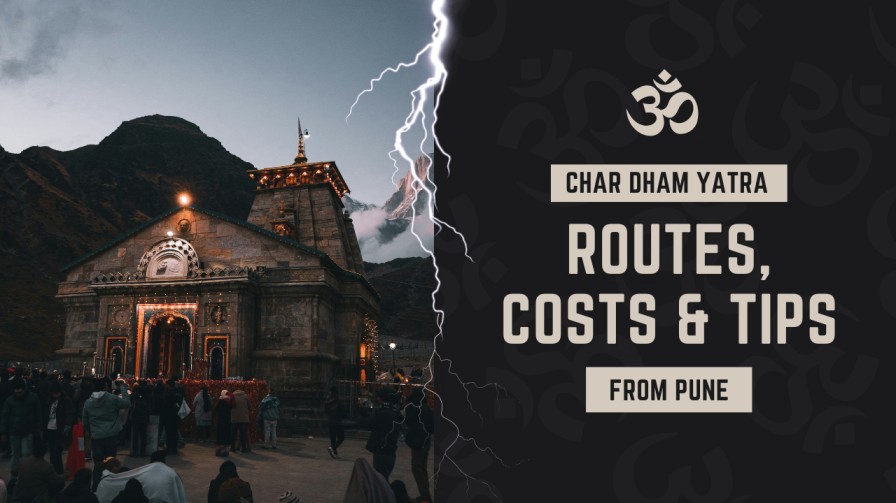
How to Plan Char Dham Yatra from Pune: Routes, Costs & Tips
Introduction Dreaming of a spiritual journey from Pune to the Himalayas? The Char Dham Yatra — covering Yamunotri, Gangotri, Kedarnath, and Badrinath — is one of India’s most divine pilgrimages. Every year, thousands of devotees travel from Maharashtra, especially Pune, to seek blessings in Uttarakhand’s sacred shrines. If you’re planning your 2026 yatra, this detailed guide will help you understand the routes, travel options, and Char Dham from Pune price — with expert tips to make your trip easy, affordable, and unforgettable. How to Reach Uttarakhand from Pune Pune is around 1,800–1,900 km away from Uttarakhand, so most travellers choose to fly or take a train Delhi — reach starting points of the Char Dham Yatra like Rishikesh , Haridwar or Dehradun by road. By Flight Pune → Delhi (7 options) # Flight No. Airline From → To Approx. Travel Time Economy Fare (approx.) 1 SG 937 SpiceJet Pune (PNQ) → Delhi (DEL) ~ 2 h 10 m ₹4,000 – ₹6,000 2 6E 6675 IndiGo Pune (PNQ) → Delhi (DEL) ~ 2 h 10 – 2 h 30 m ₹3,500 – ₹6,500 3 AI 2470 Air India Pune (PNQ) → Delhi (DEL) ~ 2 h 10 – 2 h 30 m ₹4,500 – ₹6,500 4 UK / VS Vistara Pune (PNQ) → Delhi (DEL) ~ 2 h 15 – 2 h 30 m ₹4,500 – ₹7,000 5 QP 1607 Akasa Air Pune (PNQ) → Delhi (DEL) ~ 2 h 10 – 2 h 30 m ₹3,999 – ₹6,000 6 G8 / 9 Go First Pune (PNQ) → Delhi (DEL) ~ 2 h 10 – 2 h 30 m ₹3,000 – ₹5,500 7 I5 / AIX AirAsia India / Others Pune (PNQ) → Delhi (DEL) ~ 2 h 10 – 2 h 30 m ₹3,000 – ₹5,000 Delhi → Pune (7 options) # Flight No. (example) Airline From → To Approx. Travel Time Economy Fare (approx.) 1 SG 938 SpiceJet Delhi (DEL) → Pune (PNQ) ~ 2 h 00 – 2 h 30 m ₹4,000 – ₹6,000 2 6E 6693 IndiGo Delhi (DEL) → Pune (PNQ) ~ 2 h 05 – 2 h 30 m ₹3,500 – ₹6,500 3 AI 1838 Air India Delhi (DEL) → Pune (PNQ) ~ 2 h 10 – 2 h 30 m ₹4,500 – ₹6,500 4 UK / VS Vistara Delhi (DEL) → Pune (PNQ) ~ 2 h 10 – 2 h 30 m ₹4,500 – ₹7,000 5 QP Akasa Air Delhi (DEL) → Pune (PNQ) ~ 2 h 10 – 2 h 30 m ₹3,999 – ₹6,000 6 G8 Go First Delhi (DEL) → Pune (PNQ) ~ 2 h 10 – 2 h 30 m ₹3,000 – ₹5,500 7 I5 / AIX AirAsia India / Others Delhi (DEL) → Pune (PNQ) ~ 2 h 10 – 2 h 30 m ₹3,000 – ₹5,000 By Train Pune → Delhi Trains Train No. Train Name From → To Approx. Travel Time 3rd AC Fare (Approx.) 12263 Pune – Hazrat Nizamuddin Duronto Express Pune → Delhi (NZM) ~19 hrs 50 mins ₹2,200 – ₹2,600 12779 Goa Express Pune → New Delhi ~25 hrs 55 mins ₹1,700 – ₹2,000 11077 Jhelum Express Pune → New Delhi ~28 hrs ₹1,650 – ₹1,800 12147 Kolhapur – Nizamuddin SF Express Pune → Nizamuddin ~26 hrs 35 mins ₹1,800 – ₹2,000 12629 Karnataka Sampark Kranti Express Pune → Nizamuddin ~26 hrs 40 mins ₹1,900 – ₹2,200 22685 Yesvantpur – Chandigarh Sampark Kranti (via Pune) Pune → Delhi ~26 hrs 55 mins ₹1,900 – ₹2,300 12493 Pune – Hazrat Nizamuddin Darshan Express Pune → Delhi ~19 hrs 55 mins ₹1,900 – ₹2,500 Delhi → Pune Trains Train No. Train Name From → To Approx. Travel Time 3rd AC Fare (Approx.) 12264 Hazrat Nizamuddin – Pune Duronto Express Delhi (NZM) → Pune ~19 hrs 54 mins ₹2,400 – ₹2,600 12780 Goa Express New Delhi → Pune ~25 hrs 40 mins ₹1,700 – ₹2,000 11078 Jhelum Express New Delhi → Pune ~28 hrs 30 mins ₹1,650 – ₹1,800 12782 Swarna Jayanti SF Express New Delhi → Pune ~25 hrs 15 mins ₹1,900 – ₹2,200 12494 Darshan Express New Delhi → Pune ~20 hrs 50 mins ₹1,900 – ₹2,400 12148 Nizamuddin – Kolhapur Express New Delhi → Pune ~25 hrs 15 mins ₹1,800 – ₹2,000 12630 Karnataka Sampark Kranti Express Nizamuddin → Pune ~26 hrs 30 mins ₹1,900 – ₹2,200 By Road Char Dham Route Map Overview Here’s a simplified route once you reach Uttarakhand Dham Location Approx. Distance from Delhi Best Visit Time Yamunotri Uttarkashi District 420 km May–June Gangotri Uttarkashi District 460 km May–June Kedarnath Rudraprayag District 420 km May–October Badrinath Chamoli District 440 km May–October Total Road distance covered (round trip): around 2,200 km From Delhi. Char Dham from Pune Price (2026 Estimated Cost) Below is an approximate cost comparison to help you plan your budget better Package Type Duration Price (Per Person) Inclusions Budget Package 12 Days ₹30,000–₹36,000 Hotels, meals, transfers, private cab Deluxe Package 12 Days ₹40,000–₹46,000 3-star hotels, meals, VIP darshan, private cab Luxury Package 12 Days ₹69,000–₹80,000 4-star hotels, VIP darshan, all meals , private cab Helicopter Package 7 Days ₹2,50,000 Helicopter tour, darshan, meals, transfers from Delhi Tip: Booking early (3–4 months before Yatra season) helps you get better deals on the Pune Char Dham package 2026. Ideal Time for Char Dham Yatra 2026 The Yatra season usually begins in April and ends in November. Best months to travel: Avoid monsoon months (July–August) due to heavy rainfall and road closures. Char Dham Yatra from Delhi – 12 Days Day Route Details 1 Pune → Delhi → Haridwar Flight from Pune, transfer Haridwar, attend Ganga Aarti. 2 Haridwar → Barkot Drive via Mussoorie to Barkot. 3 Yamunotri Darshan Visit Yamunotri Temple, return to Barkot. 4 Barkot → Uttarkashi Drive to Uttarkashi, visit Vishwanath Temple. 5 Gangotri Darshan Visit Gangotri Temple, return to Uttarkashi. 6 Uttarkashi → Guptkashi Long scenic drive. 7 Kedarnath Darshan Helicopter/trek to Kedarnath Temple. 8 Kedarnath → Guptkashi Return and rest. 9 Guptkashi → Badrinath
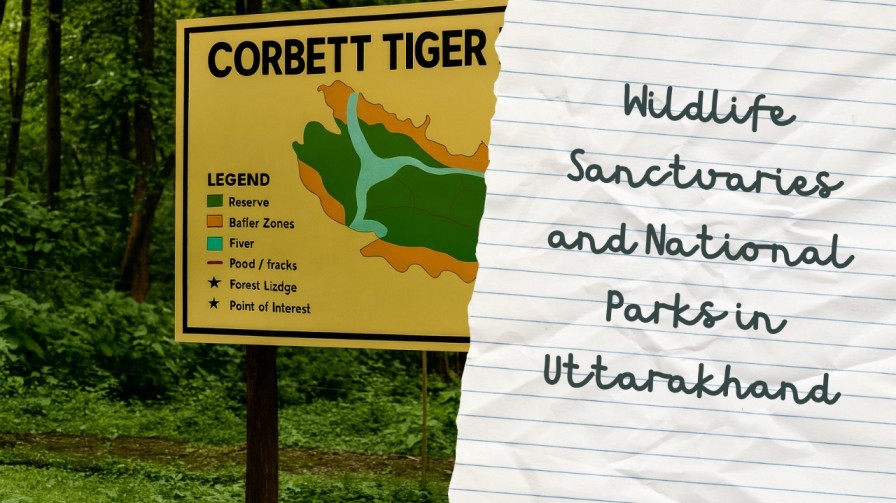
Best Wildlife Sanctuaries and National Parks in Uttarakhand
Uttarakhand, often called Devbhoomi or “Land of the Gods,” is not only a spiritual destination but also a paradise for nature and wildlife lovers. Home to majestic tigers, elephants, leopards, and rare Himalayan species, the state’s national parks and sanctuaries offer incredible biodiversity and breathtaking landscapes. Whether you’re a photographer, trekker, or simply a nature enthusiast, this guide to the Best Wildlife Sanctuaries and National Parks in Uttarakhand will help you explore its wild treasures — from the famous Jim Corbett to lesser-known Himalayan reserves. Jim Corbett National Park – India’s Oldest and Most Famous Tiger Reserve Established in 1936, Jim Corbett National Park is not only India’s first national park but also one of the most visited wildlife destinations in the country. Spread across 520 sq. km, it’s home to the Royal Bengal Tiger, Asian elephants, leopards, and over 600 bird species. Visitors can enjoy jeep safaris, canter safaris, and birdwatching tours throughout the year, especially between November and June when most safari zones are open. Rajaji National Park – Where Elephants Rule the Foothills Located near Haridwar, Rishikesh, and Dehradun, Rajaji National Park spans over 820 sq. km and is known for its large elephant population. It forms part of the Shivalik range and offers a mix of forests, rivers, and grasslands that make it ideal for both wildlife safaris and photography. The Park is now part of the Rajaji Tiger Reserve, combining three former sanctuaries — Rajaji, Motichur, and Chilla. It’s one of the few places in North India where you can spot wild elephants and tigers together. Nanda Devi National Park – A UNESCO World Heritage Site Located in the upper Himalayan region of Chamoli district, Nanda Devi National Park is a UNESCO World Heritage Site and part of the Nanda Devi Biosphere Reserve. Enclosed by lofty snow-capped peaks, it offers a stunning blend of natural beauty and high-altitude biodiversity. It is home to rare species like the snow leopard, Himalayan musk deer, and blue sheep (bharal). Due to its fragile ecosystem, access to the inner core is restricted, but treks around the outer region and nearby Valley of Flowers are extremely popular. Valley of Flowers National Park – A Paradise for Nature Lovers Located near Nanda Devi, the Valley of Flowers National Park is one of India’s most scenic destinations. Covered with a vibrant carpet of alpine flowers during the monsoon, this UNESCO-listed park is famous for its rare Himalayan flora and breath-taking meadows. It’s not just about flowers — the park is also home to musk deer, Himalayan tahr, red fox, and several bird species. Trekkers and photographers from around the world visit here between July and September when the valley blooms fully. Govind Wildlife Sanctuary – A Hidden Himalayan Gem Situated in the Uttarkashi district, Govind Wildlife Sanctuary is a hidden gem that covers both dense forests and alpine meadows. It’s part of the Govind Pashu Vihar National Park, which protects endangered species like the snow leopard, Himalayan black bear, and serow. The sanctuary is also the starting point for the Har Ki Dun Trek, one of Uttarakhand’s most scenic trails. Spring and autumn are the best times to explore this remote yet beautiful wilderness. Askot Wildlife Sanctuary – High-Altitude Beauty in Kumaon Located in the Pithoragarh district, near the Indo-Nepal border, Askot Wildlife Sanctuary is perfect for travellers who prefer offbeat, high-altitude experiences. Spread across 600 sq. km, it is home to the Himalayan musk deer, snow leopard, and bharal. The region also offers stunning views of the Panchachuli peaks and is ideal for nature walks and mountain photography. Key Highlights: Binsar Wildlife Sanctuary – Birdwatcher’s Paradise A small but popular sanctuary near Almora, Binsar Wildlife Sanctuary is known for its dense oak and rhododendron forests and stunning Himalayan views. It is home to more than 200 bird species including woodpeckers, eagles, and monals — making it a paradise for birdwatchers. Visitors can also enjoy tranquil forest walks, nature photography, and sunrise views from Zero Point, one of Binsar’s main attractions. Quick Comparison – Top National Parks & Sanctuaries in Uttarakhand Name Location Famous For Best Time to Visit Jim Corbett National Park Nainital Tigers, elephants Nov – Jun Rajaji National Park Haridwar Elephants, leopards Nov – Jun Nanda Devi National Park Chamoli Snow leopards, peaks May – Oct Valley of Flowers Chamoli Alpine flora Jul – Sep Govind Wildlife Sanctuary Uttarkashi Black bears, treks Mar – Nov Askot Wildlife Sanctuary Pithoragarh Musk deer, bharal Apr – Oct Binsar Wildlife Sanctuary Almora Birds, forest walks Oct – Mar Tips for wildlife safari and responsible Travel in Uttarakhand How to Reach – Connectivity and Travel Routes Frequently Asked Questions (FAQs) Q1. Which is the most famous national park in Uttarakhand?Jim Corbett National Park is the most famous and also India’s first national park. Q2. When is the best time to visit wildlife parks in Uttarakhand?The ideal time is from November to June, when weather is pleasant and most safari zones are open. Q3. What animals can I see in Uttarakhand’s sanctuaries?You can spot tigers, elephants, leopards, deer, black bears, and many bird species. Q4. Are safaris available in all national parks?Jeep safaris are offered in Jim Corbett and Rajaji, while guided treks are available in Nanda Devi and Valley of Flowers. Q5. Is it safe to visit wildlife parks with family?Yes, all parks are managed by forest authorities with trained guides ensuring safe and enjoyable experiences. Explore Uttarakhand Wildlife with Clans Stays Uttarakhand is home to some of India’s most stunning wildlife destinations — from the tiger trails of Jim Corbett National Park to the colourful meadows of the Valley of Flowers. With Clans Stays, you can explore the best wildlife sanctuaries and national parks in Uttarakhand through safe, guided, and eco-friendly tours. Experience the thrill of jeep safaris, scenic treks, and peaceful forest stays while discovering the wild beauty of the Himalayas with a trusted local travel expert by your side.
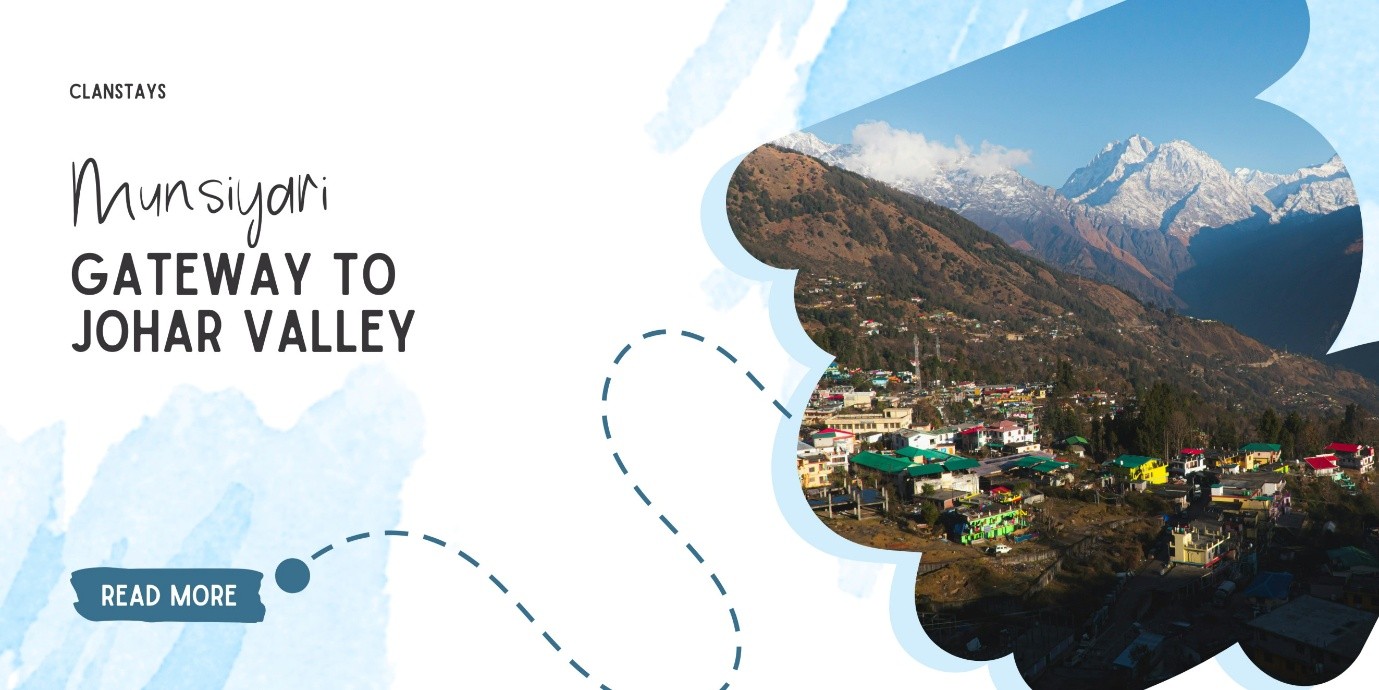
Munsiyari Gateway to Johar Valley
Nestled deep in the Kumaon Himalayas, Munsiyari Gateway to Johar Valley is a hidden treasure for explorers, trekkers, and nature lovers alike. Often called the “Little Kashmir of Uttarakhand”, Munsiyari offers breath-taking views of the Panchachuli Peaks and serves as the entry point to the legendary Johar Valley — once a thriving Indo-Tibetan trade route. This Munsiyari travel guide takes you through everything you need to know about exploring the Munsiyari Johar Valley Uttarakhand, including how to reach, where to stay, what to do, and why this Himalayan gem deserves a top spot on your 2026 travel list. The Charm of Johar Valley The Johar Valley is one of the most stunning and least-explored regions of Uttarakhand. Once inhabited by the Shauka (Johari) tribe, it was famous for wool, salt, and trade with Tibet before borders closed in 1962. Highlights of Johar Valley This is why Munsiyari is known as the “Gateway to Johar Valley” — it’s your entry point to an untouched Himalayan world. What Makes Munsiyari the Gateway to Johar Valley? Location & access Munsiyari sits at an elevation of around 2,298 m in the Pithoragarh district of Uttarakhand. It is located at the entrance to the Johar Valley, which extends along the Goriganga river up to villages like Milam and glaciers beyond. Historical & cultural significance Unique natural environment Therefore, when we speak of “Munsiyari Gateway to Johar Valley”, it well captures the idea of Munsiyari being the entry point to this remote, majestic Himalayan valley. How to Reach Munsiyari Gateway to Johar Valley Munsiyari is well-connected by road, rail, and air through major Uttarakhand hubs like Kathgodam, Almora, and Pithoragarh. By Air – Nearest Airport to Munsiyari The nearest airport to Munsiyari is Pantnagar Airport (approximately 250 km away).From Pantnagar, you can hire a taxi or board a bus to Almora or Pithoragarh, and then continue towards Munsiyari by road. Travel Tip:Dehradun’s Jolly Grant Airport (450 km) is another option for travelers coming from metro cities like Delhi or Mumbai. By Train – Nearest Railway Station to Munsiyari The nearest railway station is Kathgodam (around 275 km), which is well-connected to Delhi, Lucknow, and Dehradun.From Kathgodam, regular shared taxis and buses are available via Almora → Bageshwar → Tejam → Munsiyari. Major Trains to Kathgodam: By Road – The Scenic Himalayan Drive Munsiyari is well-connected by road to major cities of Uttarakhand and northern India. Approximate Distances: Route Distance Time (approx.) Delhi → Almora → Munsiyari 580 km 15–16 hours Nainital → Munsiyari 300 km 9–10 hours Pithoragarh → Munsiyari 125 km 4–5 hours Bageshwar → Munsiyari 132 km 5 hours Bus & Taxi Options: Top Attractions in Munsiyari Gateway to Johar Valley Surrounded by the snow-laden peaks of the Himalayas, Munsiyari Gateway to Johar Valley offers a perfect mix of adventure, nature, and culture. From panoramic viewpoints to ancient temples and peaceful lakes, every corner of Munsiyari feels like a hidden paradise. Here are the top attractions you shouldn’t miss. Panchachuli Peaks Viewpoint Birthi Waterfall Khaliya Top Trek Tribal Heritage Museum (Masterji Museum) Thamri Kund Nanda Devi Temple Milam Glacier Trek Betuli Dhar and Kalamuni Top Best Time to Visit Munsiyari Johar Valley Uttarakhand Timing your visit is crucial to enjoy the beauty of Munsiyari Gateway to Johar Valley and its Himalayan landscapes. Munsiyari Temperature & Season Guide (Quick View) Season Months Avg Temp (°C) Highlights Spring Mar – May 10–20 Blooming flowers, photography Summer Jun – Aug 15–25 Lush greenery, trekking Autumn Sep – Nov 8–18 Clear skies, colourful foliage Winter Dec – Feb -5–10 Snowfall, winter sports Where to Stay in Munsiyari Choosing the right place to stay elevates your entire experience at the Munsiyari Gateway to Johar Valley. You’ll find options ranging from budget‑homestays to mid‑range lodges and boutique resorts. Accommodation types include: Good accommodation areas What to check before booking Sample pricing (for reference) Frequently Asked Questions About Munsiyari · What is the best time to visit Munsiyari?March–June and September–November is ideal for pleasant weather and clear skies. · How do I reach Munsiyari?By road via Almora or Pithoragarh, nearest railway at Kathgodam, nearest airport Pantnagar. · What are the top attractions in Munsiyari?Panchachuli Peaks, Khaliya Top Trek, Milam Glacier, Birthi Waterfall, and Nanda Devi Temple. · Is Munsiyari safe for trekking and solo travellers?Yes, it’s generally safe, but guided treks are recommended for beginners. · What should I pack for a trip to Munsiyari?Warm clothes, trekking shoes, rain gear, and camera are essential. · Are their good accommodation options in Munsiyari?Yes, there are hotels, resorts, and guesthouses for all budgets. · Does Munsiyari receive snowfall?Yes, from December to February, transforming it into a snowy wonderland. · Do I need permits or guides for Johar Valley treks?Guides are recommended, and some treks may require local permits. Why Travelers Prefer Clan Stay in Uttarakhand Clan Stay is ideal for visitors to Munsiyari Gateway to Johar Valley due to its comfort and prime location. It offers easy access to attractions like Panchachuli Peaks and Khaliya Top Trek. Guests enjoy cozy rooms, modern amenities, and free Wi-Fi. The friendly staff assist with treks and sightseeing. It’s perfect for families, couples, and solo travellers.
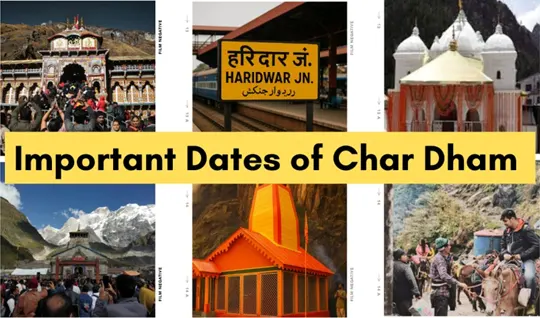
Opening and Closing Dates of Char Dham Temples 2026
Embarking on the sacred journey of the Char Dham Yatra means aligning with nature’s rhythm in the Garhwal Himalayas — and knowing the Opening and Closing Dates of Char Dham Temples 2026 is step one. These dates tell you when the four shrines open their gates for devotees and when they close for the winter season. Planning ahead ensures your spiritual journey is smooth, timely and worry-free Why These Dates Matter The four sacred shrines — Yamunotri, Gangotri, Kedarnath and Badrinath — in Uttarakhand speak not only of devotion, but also of the harsh Himalayan climate. These shrines open in late spring and close by autumn because heavy snow and landslides make access impossible in winter. Knowing the schedule helps you: 2026 Tentative Opening & Closing Dates Here is the best available information for the 2026 schedule. These are tentative and subject to final announcement by temple committees. Temple Opening Date (2026) Closing Date (2026) Yamunotri 19 April 2026, 8:30 AM. 11 November 2026 (Tentative) Gangotri 19 April 2026, 9:30 AM. 10 November 2026 (Tentative) Kedarnath 22 April 2026, 7:00 AM. 11 November 2026 (Tentative) Badrinath 24 April 2026, 6:00 AM. 13 November 2026 (Tentative) Note: These dates are subject to final confirmation by the respective temple committees and the local Hindu Panchang. Best Time to Visit & Why How These Dates Are Decided Planning Your Yatra Around These Dates Essential Travel Tips for Char Dham Yatra 2026 Planning your Char Dham Yatra 2026 requires preparation to ensure a smooth and safe journey. Here are some essential tips every pilgrim should follow: Char Dham Yatra Registration Process 2026 The Char Dham Yatra Registration 2026 is mandatory for all pilgrims visiting Yamunotri, Gangotri, Kedarnath, and Badrinath. It helps the Uttarakhand government ensure pilgrim safety, manage crowds, and provide real-time assistance during emergencies. Step-by-Step Online Registration Process Offline Registration Option If you don’t have access to the internet, you can register offline at: Just bring your photo ID, mobile number, and travel details — the team will help you complete the process quickly. Documents Required Why Registration is Important Weather Conditions in Char Dham During Yatra Season Summer (May – June) The most pleasant time for Char Dham Yatra, with temperatures between 8°C to 20°C.Days are sunny and clear, perfect for darshan and trekking. Light woollens are enough for evenings. Monsoon (July – August) Heavy rains make travel risky due to landslides and slippery routes.It’s best to avoid this season unless absolutely necessary. Carry rain gear and emergency supplies. Autumn (September – October) Cool, clear, and peaceful — ideal for devotees seeking a calm yatra.Temperatures range from 5°C to 15°C, and the post-monsoon scenery is breath-taking. Winter (November – April) The region experiences extreme cold and heavy snowfall during this time.All four dhams remain closed, and deities are worshipped at their winter seats. Travel Tip: Plan your Char Dham Yatra 2026 between May–June or September–mid-October for the best weather. Clans Stays Private Limited keeps you updated with live weather alerts and ensures a safe, comfortable journey. Why Choose Clans Stays for Char Dham Yatra 2026 Clans Stays Private Limited makes your Char Dham Yatra 2026 smooth, safe, and well-organized from start to finish. We handle everything — from registration and permits to transportation, hotels, and guided tours. Our experienced team ensures your journey is comfortable and stress-free, even in the Himalayan terrain. With verified stays, reliable drivers, and 24×7 assistance, you can focus on your spiritual experience while we take care of the rest. Choose Clans Stays for a worry-free pilgrimage you’ll remember forever.