
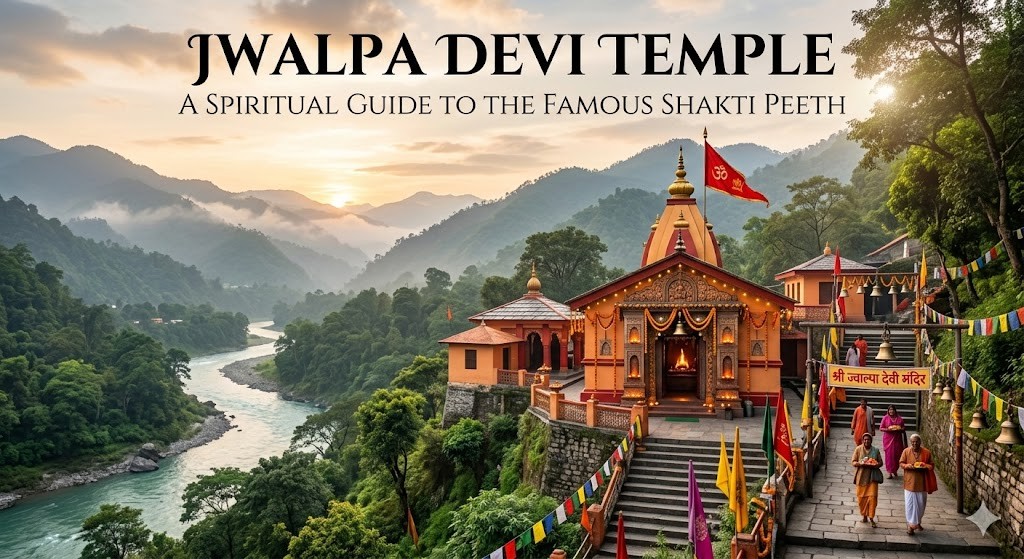
If you are seeking divine blessings in the Garhwal Himalayas, this Jwalpa Devi Temple Spiritual Guide will help you plan a peaceful and meaningful visit. Known for its powerful spiritual aura, Jwalpa Devi Temple: A Spiritual Guide to the Famous Shakti Peeth in Pauri Garhwal is a must-read for devotees and travellers alike. Located near the sacred Alaknanda River, this temple attracts thousands of pilgrims every year. About Jwalpa Devi Temple Jwalpa Devi Temple is dedicated to Goddess Durga. It is considered one of the important Shakti temples in the Garhwal region. Devotees believe that the goddess fulfils wishes, especially related to marriage and family well-being. Why Is It Called a Shakti Peeth? The temple is believed to be associated with the legend of Goddess Sati. According to Hindu mythology, parts of her body fell at different places, forming Shakti Peeths across India. This belief makes the temple spiritually significant. Spiritual Importance of Jwalpa Devi Temple This temple is especially popular among unmarried girls who pray here for a good life partner. Best Time to Visit Jwalpa Devi Temple The best time to visit Jwalpa Devi Temple depends on what kind of experience you want—peaceful darshan or festive celebrations. Summer (March–June) – Ideal Season Summer is the most comfortable time to visit.Temperatures range between 15°C and 30°C, making it perfect for temple visits and sightseeing.This season is ideal for families and senior citizens. Monsoon (July–September) – Scenic but Cautious The temple looks beautiful with lush greenery and flowing rivers.However, roads can be slippery due to rainfall.Travel with care during heavy rains. Winter (October–February) – Peaceful & Less Crowded Winters are cool and calm.This is the best time if you prefer fewer crowds and a quiet spiritual experience.Carry warm clothes, especially in December and January. Special Mention: Navratri Festival Navratri is the most popular time to visit.Thousands of devotees gather to seek blessings, and the temple is beautifully decorated.If you enjoy festive energy, this is the perfect time. How to Reach Jwalpa Devi Temple Reaching Jwalpa Devi Temple is simple, as it is well connected by road to major towns in Uttarakhand. By Road The temple is located around: You can reach by: The road journey offers scenic views of hills and the Alaknanda River. By Train The nearest railway station is: Kotdwar Railway Station Kotdwar is well connected to Delhi and other major cities. From the station, taxis are easily available for the temple. By Air The nearest airport is: Jolly Grant Airport (Approx. 155 km) From the airport, you can hire a taxi to reach the temple comfortably. Nearby Attractions in Pauri Garhwal When you visit Jwalpa Devi Temple, you can also explore several beautiful and spiritual destinations nearby. These places add more depth and joy to your Pauri Garhwal trip. 1. Tarkeshwar Mahadev Temple Tarkeshwar Mahadev Temple is a serene Shiva shrine surrounded by thick deodar forests. The peaceful atmosphere here makes it perfect for nature lovers and spiritual seekers. 2. Kandoliya Temple Kandoliya Temple is a hilltop temple that offers stunning panoramic views of the Himalayan range. It’s especially beautiful during sunrise and sunset. 3. Khirsu Khirsu is a quiet hill station close to Pauri. It’s perfect for relaxing walks, nature views, and soaking in the Himalayan scenery. 4. Rajaji National Park Rajaji National Park is a major wildlife reserve known for elephants, tigers, and leopards. A safari here is an exciting experience for nature lovers. 5. Alaknanda RiverRiverside Area The banks of the Alaknanda River near Jwalpa Devi Temple are perfect for peaceful walks and reflection. The river adds a serene vibe to your spiritual trip. Suggested 2-Day Itinerary Day 1: Day 2: Experience Comfort & Care with Clan Stays At Clan Stays, we believe your journey should be peaceful from start to finish. Our stays are clean, comfortable, and located close to major attractions in Pauri Garhwal. We offer personalized support, local guidance, and budget-friendly options for every traveller. With Clan Stays, you don’t just book a room — you enjoy a warm and caring hill experience. FAQs 1. Why is Jwalpa Devi Temple famous? It is famous as a Shakti temple dedicated to Goddess Durga and is believed to fulfil wishes. 2. Is Jwalpa Devi Temple a Shakti Peeth? Yes, it is considered one of the important Shakti temples in Uttarakhand. 3. What is the best time to visit? March to June and September to November are ideal. 4. How far is Jwalpa Devi Temple from Kotdwar? It is approximately 50 km from Kotdwar. 5. Can we complete the trip in one day? Yes, but a 2-day trip allows you to explore nearby attractions comfortably.
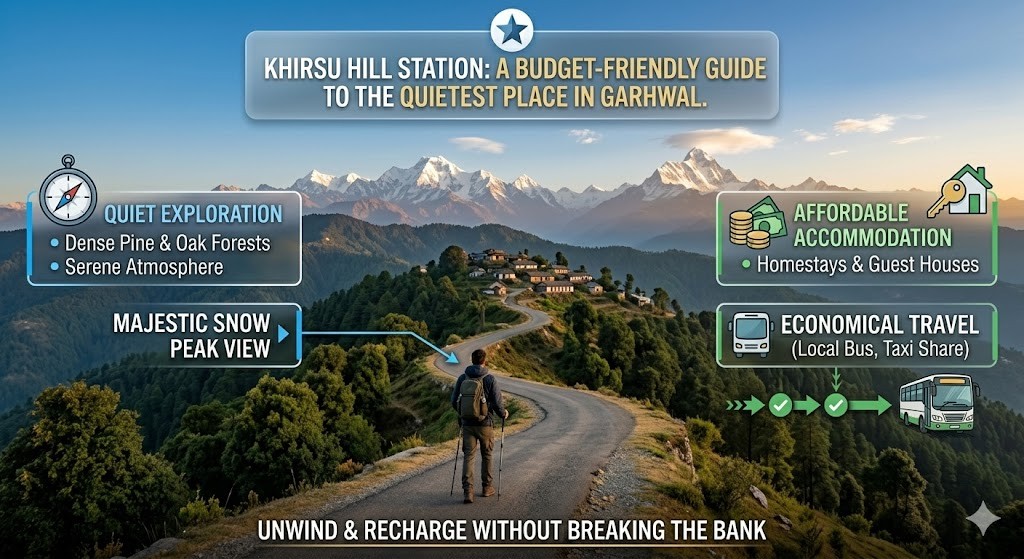
Khirsu Hill Station: A Budget-Friendly Guide to the Quietest Place in Garhwal
If you are looking for peace, pine forests, and mountain views without tourist crowds, this Khirsu Hill Station: A Budget-Friendly Guide to the Quietest Place in Garhwal is for you. Hidden in the lap of Uttarakhand, Khirsu offers untouched beauty, fresh mountain air, and breath-taking Himalayan views at a very affordable cost. It is perfect for slow travellers, couples, solo explorers, and families who want to escape busy hill stations. This complete Khirsu Hill Station travel guide covers everything you need — from how to reach and where to stay, to the best time to visit Khirsu Hill Station Where is Khirsu Hill Station? Khirsu Hill Station in Pauri Garhwal is located about 19 km from Pauri and around 160 km from Rishikesh. It sits at an altitude of approximately 1,700 meters above sea level. On clear days, you can see more than 300 snow-covered Himalayan peaks, including parts of the majestic ranges near Nanda Devi. Why Khirsu is Among the Best Offbeat Hill Stations in Garhwal When people think of hill stations, they often imagine crowded places like Mussoorie. But if you want silence and simplicity, Khirsu is the better choice. That’s why many travellers now list it under offbeat hill stations in Garhwal – Khirsu. Best Time to Visit Khirsu Hill Station The Best time to visit Khirsu Hill Station depends on what kind of experience you want clear Himalayan views, cool summer air, or peaceful winter vibes. Located in Uttarakhand, Khirsu enjoys pleasant weather for most of the year. Here’s a season-wise guide to help you plan better: Summer (March to June) – Ideal for Sightseeing Temperature: 15°C to 28°C This is the most popular time to visit Khirsu Hill Station in Pauri Garhwal. The weather stays cool and comfortable while plains experience heat waves. Why visit in summer? If you want the best mountain views without extreme cold, summer is perfect. Autumn (September to November) – Peaceful & Scenic Temperature: 10°C to 20°C Autumn is less crowded and very beautiful. The skies are clearer after monsoon, and greenery looks fresh. Best for: This is one of the most recommended periods in any Khirsu Hill Station travel guide. Winter (December to February) – Snow & Solitude Temperature: 0°C to 12°C Winter turns Khirsu into a peaceful white paradise. Light snowfall may occur in peak winter. Why chooses winter? Perfect for travellers looking for an offbeat experience among offbeat hill stations in Garhwal – Khirsu. Monsoon (July to August) – Lush but Slippery Temperature: 15°C to 22°C Khirsu looks extremely green during monsoon. However, roads can be slippery. Best for: Avoid if you are not comfortable with mountain roads during rain. How to Reach Khirsu Hill Station Reaching Khirsu Hill Station in Pauri Garhwal is simple and scenic. Though it is an offbeat destination, it is well connected by road to major cities in Uttarakhand. Here’s your complete travel guide: Location Overview Khirsu is located: By Air Nearest Airport: Jolly Grant Airport in Dehradun (Approx. 180 km) From the airport: Best option for travellers coming from metro cities. By Train Nearest Railway Stations: From the railway station: Kotdwar is convenient if you’re planning a budget trip. By Road (Most Convenient Option) Khirsu is best reached by road. From Delhi Delhi → Meerut → Najibabad → Kotdwar → Pauri → KhirsuApprox travel time: 9–10 hours From Rishikesh Rishikesh → Devprayag → Srinagar → Pauri → KhirsuApprox travel time: 5–6 hours Regular buses run till Pauri. From there, taxis are easily available. Self-Drive Option If you enjoy mountain driving, a self-drive trip is a great idea. Roads are mostly well-maintained, but drive carefully near sharp turns. Tip: Places Near Khirsu Hill Station If you’re exploring Khirsu Hill Station in Pauri Garhwal, you’ll be happy to know that several scenic and spiritual spots are just a short drive away. These nearby attractions make your trip more enriching and perfect for a 2–3-day getaway. Here are the best places near Khirsu: 1️ Pauri (19 km) Pauri is the district headquarters and offers stunning Himalayan views. Why visit? Perfect for a half-day visit from Khirsu. 2️ Srinagar (45 km) Not to be confused with Kashmir’s Srinagar, this town lies on the banks of the Alaknanda River. Highlights: It’s ideal for a relaxed evening drive. 3️ Kandoliya Temple (20 km) A peaceful temple surrounded by dense pine forests. Best for: This spot offers breath-taking valley views. 4️ Tarkeshwar Mahadev Temple (70 km) One of the most beautiful Shiva temples in Garhwal, surrounded by cedar forests. Why go? Great for a spiritual day trip. 5️ Lansdowne (85 km) A charming cantonment hill station known for peace and colonial vibes. Top attractions: If you enjoy offbeat hill stations in Garhwal – Khirsu and nearby calm destinations, Lansdowne is a great extension. 6️ Devprayag (95 km) A sacred town where the Alaknanda and Bhagirathi rivers meet to form the Ganga. Why visit? Ideal for culture and photography lovers. Why Choose Clan Stays for Your Uttarakhand Trip? Clan Stays offers personalized travel experiences designed by local experts who truly understand Uttarakhand. From peaceful offbeat destinations to spiritual temple circuits, every trip is carefully planned for comfort and authenticity. You get handpicked stays, transparent pricing, and full travel support throughout your journey. With Clan Stays, your mountain getaway becomes simple, safe, and unforgettable. FAQs 1. Is Khirsu good for a weekend trip? Yes, Khirsu is perfect for a 2–3-day peaceful weekend getaway. 2. Is snowfall common in Khirsu? Snowfall happens occasionally in peak winter (January–February). 3. Is Khirsu safe for solo travelers? Yes, it is very safe and ideal for solo and female travelers. 4. How many days are enough for Khirsu? 2 days are enough to explore viewpoints and nearby attractions. 5. Are there good hotels in Khirsu? Yes, budget hotels and GMVN rest houses provide comfortable stays.
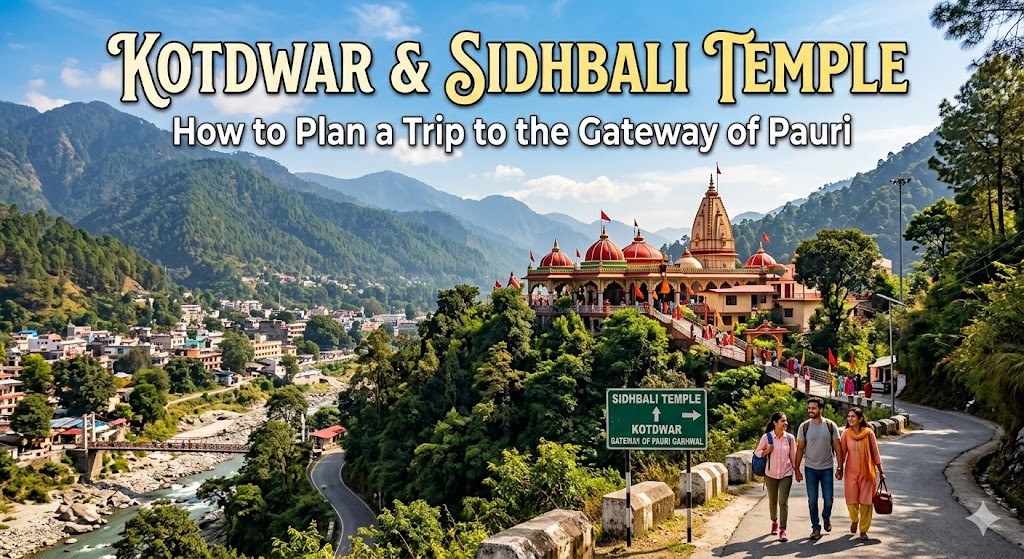
Kotdwar & Sidhbali Temple: How to Plan a Trip to the Gateway of Pauri
If you are looking for a peaceful spiritual escape in Uttarakhand, Kotdwar & Sidhbali Temple: How to Plan a Trip to the Gateway of Pauriis the perfect starting point. Known as the Gateway of Pauri, Kotdwar blends spirituality, nature, and easy accessibility. This detailed Kotdwar and Sidhbali Temple travel guide will help you plan your trip smoothly — from routes and timing to must-visit places. Why Visit Kotdwar – The Gateway of Pauri? Kotdwar is one of the main entry points to the Pauri Garhwal region. Located at an altitude of around 395 meters, it connects the plains to the hills. Here’s why travellers love it: About Sidhbali Temple Sidhbali Temple is dedicated to Lord Hanuman and is one of the most respected and visited temples in the Garhwal region of Uttarakhand. Located in Kotdwar, the temple stands gracefully on a hilltop, offering breath-taking views of the Khoh River and the surrounding Shivalik hills. The peaceful setting and divine atmosphere make it a major spiritual attraction for both devotees and travellers. Many people believe that prayers offered here with a pure heart are fulfilled, which adds to its strong religious significance. Why It’s Special Visitors need to climb a short flight of steps to reach the temple. The climb is easy and manageable, and once you reach the top, the scenic views and serene surroundings make the effort truly worthwhile. Best Time to Visit Kotdwar & Sidhbali Temple Planning your trip season-wise helps you enjoy a better experience at Sidhbali Temple and Kotdwar. Summer (April to June) Monsoon (July to September) Winter (October to March) – Best Season How to Reach Kotdwar Kotdwar is well connected by road and rail, making it one of the easiest entry points to the Pauri Garhwal region. By Train Kotdwar has its own railway station with direct trains from Delhi and nearby cities. It is one of the most convenient ways to reach the town, especially for budget travellers. By Road A road trip to Kotdwar is smooth and scenic. By Air The nearest airport is Jolly Grant Airport, Dehradun, located about 110 km away. From the airport, you can hire a taxi to reach Kotdwar. Kotdwar’s strong connectivity makes it a perfect starting point for exploring Pauri Garhwal and nearby hill destinations. Suggested 1–2 Day Itinerary Day 1 Day 2 This makes it a perfect short spiritual getaway. Nearby Attractions Around Kotdwar Kotdwar isn’t just about the Sidhbali Temple — it’s also a gateway to several scenic and spiritual spots nearby. Here are some great places you can explore on your trip: 1. Sidhbali Temple A must-visit Hanuman temple on a hilltop with serene views and spiritual vibes. 2. Kanvashram A peaceful riverside ashram linked to the legend of sage Kanva and Shakuntala.Perfect for meditation and nature walks. 3. Durga Devi Temple A riverside temple dedicated to Goddess Durga with scenic surroundings.Great for morning prayers and quiet reflection. 4. Rajaji National Park (Buffer Zone) Part of a vast tiger and elephant reserve, ideal for nature lovers and wildlife enthusiasts.You may spot diverse flora and fauna on jungle trails. 5. Lansdowne A quiet and lesser-crowded hill station with forests, lakes, and colonial charm.Perfect for a day trip or extended stay. 6. Local Views & Hill Roads Even simple drives around the foothills offer spectacular views of greenery and distant hills. These spots make Kotdwar a great launch point for deeper exploration of Pauri Garhwal and surrounding Uttarakhand beauty. Weekend Getaways Made Easy with Clan Stays Weekend getaways made easy with Clan Stays means no stress, no confusion, and no last-minute hassle. We plan smooth trips across Uttarakhand, from peaceful hill towns to spiritual retreats. With verified stays, reliable transport, and personalized itineraries, your short escape feels perfectly organized. Just pack your bags and let Clan Stays handle the rest. FAQs 1. Why is Kotdwar called the Gateway of Pauri? Because it serves as the entry point to Pauri Garhwal from the plains. 2. What is special about Sidhbali Temple? It is a famous Hanuman temple believed to fulfil wishes and offers scenic hilltop views. 3. Is Kotdwar good for a weekend trip? Yes, it is perfect for a short 1–2 day spiritual and nature trip. 4. How far is Kotdwar from Delhi? It is approximately 220 km by road. 5. What is the best time to visit Kotdwar? October to March offers the most pleasant weather.
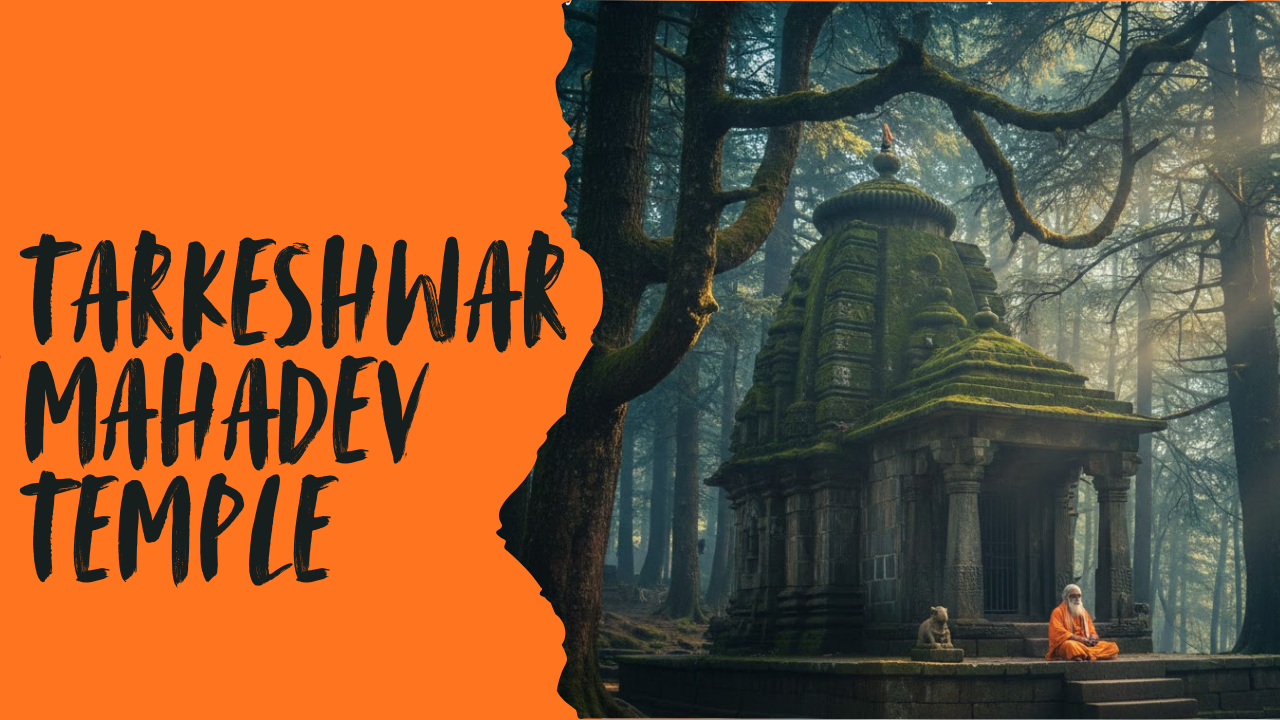
Tarkeshwar Mahadev Temple: Why You Must Visit This Peaceful Forest Temple
Hidden deep inside a dense cedar forest in Uttarakhand, Tarkeshwar Mahadev Temple: Why You Must Visit This Peaceful Forest Temple is not just a travel story — it’s a spiritual experience. Surrounded by tall deodar trees and mountain silence, this ancient Shiva shrine offers calm that is hard to find elsewhere. If you are searching for a Tarkeshwar Mahadev Temple travel guide, this blog covers everything — history, route, distance, best time, and travel tips. Where is Tarkeshwar Mahadev Temple Located? Tarkeshwar Mahadev Temple Pauri Garhwal is situated in the scenic district of Pauri Garhwal, about 36 km from Pauri town. The temple stands at an altitude of around 1,800 meters above sea level. It is surrounded by thick forests and offers panoramic Himalayan views. The location itself feels like meditation. This sacred place is one of the most peaceful temples in Uttarakhand – Tarkeshwar Mahadev being among the top choices for nature lovers and spiritual seekers. The Spiritual Significance of Tarkeshwar Mahadev Temple The temple is dedicated to Lord Shiva and is believed to be more than 1,000 years old. Local legends say that sage Markandeya performed intense penance here. Unlike crowded shrines, this Tarkeshwar Mahadev Temple Forest shrine Uttarakhand offers silence and simplicity. You can sit under deodar trees and feel completely disconnected from city life. It is especially popular during: Why Visit Tarkeshwar Mahadev Temple? If you are looking for peace, nature, and spirituality in one place, this forest shrine in Uttarakhand is a perfect choice. Unlike crowded pilgrimage centres, Tarkeshwar Mahadev Temple offers calm surroundings and a deeply spiritual atmosphere. Here’s why it deserves a place on your travel list: 1. Experience True Peace in Nature The temple is surrounded by dense deodar forests in Pauri Garhwal. The only sounds you hear are birds, wind through the trees, and temple bells. It is ideal for meditation and quiet reflection. 2. A Unique Forest Shrine in Uttarakhand This is not just another temple. It is a rare forest shrine were spirituality blends with untouched natural beauty. The walk through the cedar trees to reach the temple feels almost magical. 3. Perfect for a Spiritual Detox If city life feels overwhelming, this temple offers a refreshing break. Many visitors come here for yoga, prayer, and inner healing. 4. Less Crowded Than Major Pilgrimage Sites Unlike famous shrines such as Kedarnath Temple, Tarkeshwar remains peaceful throughout the year. You can sit comfortably and pray without rush. 5. Ideal Weekend Getaway It is well connected by road from: This makes it perfect for a short spiritual escape. 6. Beautiful Himalayan Views On clear days, you can enjoy scenic views of the surrounding hills. The cool mountain air adds to the overall experience. How to Reach Tarkeshwar Mahadev Temple Reaching Tarkeshwar Mahadev Temple is simple if you plan well. The temple is located in the peaceful hills of Pauri Garhwal and is well connected by road from major cities in Uttarakhand. Here is a complete Tarkeshwar Mahadev Temple distance and route guide. By Road (Most Convenient Option) The best way to reach the temple is by car or taxi. The drive is scenic and passes through forests and mountain roads. Distance by Road: Route from Rishikesh:Rishikesh → Devprayag Road → Yamkeshwar → Tarkeshwar The final stretch includes a short forest road leading to the temple parking area. Short Walk to the Temple After reaching the parking area, you need to walk around 400–500 meters through a peaceful cedar forest path to reach the temple complex. The walk is easy and suitable for most visitors. By Train The nearest railway station is Rishikesh railway station. From the station, you can hire: By Air The nearest airport is Jolly Grant Airport, located near Dehradun. From the airport: By Bus Regular buses operate from Haridwar and Rishikesh to Pauri and nearby towns. However, direct buses to the temple are limited. Hiring a taxi from Yamkeshwar or Pauri is more convenient. Travel Tips Tarkeshwar Mahadev Temple Best Time to Visit Planning your trip at the right time can make your journey to Tarkeshwar Mahadev Temple even more special. Located in the serene hills of Pauri Garhwal, the temple offers different experiences in each season. March to June (Summer – Ideal Season) This is the best time to visit Tarkeshwar Mahadev Temple. The deodar forest looks vibrant, and the climate is comfortable for families and senior citizens. July to September (Monsoon – Lush & Misty) Monsoon turns the region into a green paradise. However, roads can be slippery due to rainfall. Travel carefully and check weather updates before starting your trip. October to November (Autumn – Peaceful & Scenic) Autumn is another excellent time. The temple atmosphere feels calm and spiritually uplifting during this period. December to February (Winter – Cold & Quiet) Winter brings chilly weather, with temperatures sometimes dropping below 5°C. If you enjoy cold weather and solitude, winter can also be a good option. Just carry proper woolens. Best Time for Festivals If you want a spiritually vibrant experience, visit during: During these times, special prayers and rituals are performed at the temple. Things to Do at Tarkeshwar Mahadev Temple Plan a Peaceful Getaway with Clan Stays Plan a peaceful getaway with Clan Stays and explore the spiritual beauty of Uttarakhand without stress. From serene forest temples like Tarkeshwar Mahadev Temple to scenic hill retreats, we design trips that match your pace and comfort. Our local expertise ensures smooth travel, verified stays, and personalized itineraries. Relax, reconnect, and let Clan Stays handle every detail of your journey. FAQs 1. Where is Tarkeshwar Mahadev Temple located? It is located in Pauri Garhwal district of Uttarakhand, around 75 km from Rishikesh. 2. What is the best time to visit Tarkeshwar Mahadev Temple? March to June and October to November offer the best weather and clear views. 3. Is Tarkeshwar Mahadev Temple crowded? No, it is less crowded compared to major Shiva temples like Kedarnath. 4. How far is Tarkeshwar Mahadev Temple from Rishikesh? The

Sem Mukhem Temple: The Legend of the Nag Raja Temple in Tehri
Sem Mukhem Temple: The Legend of the Nag Raja Temple in Tehri is one of the most sacred and mysterious temples in the hills of Uttarakhand. Perched at a high altitude in Tehri Garhwal, this temple is dedicated to the powerful serpent deity Nag Raja. Also known as Sem Mukhem Temple – The Sacred Nag Raja Temple in Tehri Garhwal, it attracts thousands of devotees every year who come seeking protection, blessings, and fulfilment of wishes. If you love spiritual travel, offbeat treks, and Himalayan legends, this temple should be on your list. The Legend of Nag Raja The temple is dedicated to Nag Raja, a serpent deity worshipped across Uttarakhand. According to local belief, Nag Raja protects villages from natural disasters and evil forces. It is said that centuries ago, a shepherd discovered a divine presence at this spot. Soon after, villagers experienced miracles and protection from calamities. They built a temple to honour Nag Raja. Even today, devotees believe that: This deep-rooted faith makes the temple one of the most important Nag Raja temples in Uttarakhand. Architecture and Spiritual Atmosphere The divine charm of Sem Mukhem Temple lies in its simple yet powerful Himalayan architecture and peaceful setting. Built using traditional wood and stone, the temple reflects classic Garhwali design with a sloping roof that protects it from heavy rain and snowfall. Intricate wooden carvings and sacred symbols add to its spiritual beauty. Surrounded by dense forests and panoramic mountain views, the temple offers a calm and meditative atmosphere where devotees feel deeply connected to Nag Raja. How to Reach Sem Mukhem Temple Reaching Sem Mukhem Temple – The Sacred Nag Raja Temple in Tehri Garhwal involves a scenic mix of road travel and a short hill trek. Here’s an easy guide to help you plan your journey: By Road Trek to the Temple Nearest Rail & Air Links Travel Tips Whether you’re a seasoned trekker or a spiritual traveller, the journey to Sem Mukhem adds to the adventure and devotion of visiting this holy Nag Raja temple. Best Time to Visit The best time to visit Sem Mukhem Temple is from April to Juneand October to November. During these months, the weather is pleasant, the skies are clear, and the trekking trail remains safe and comfortable. These seasons offer stunning Himalayan views and a peaceful spiritual experience. Summer (April–June) Monsoon (July–September) Autumn (October–November) Winter (December–March) Nearby Attractions When visiting Sem Mukhem Temple – The Sacred Nag Raja Temple in Tehri Garhwal, you can explore several other fascinating sites nearby that add cultural and natural beauty to your trip. These places are perfect for extending your spiritual journey or enjoying scenic mountain views. Top Nearby Attractions Why Visit Sem Mukhem Temple? Visiting Sem Mukhem Temple is not just a religious journey—it is a soulful experience in the lap of the Himalayas. Known as Sem Mukhem Temple: The Legend of the Nag Raja Temple in Tehri, this sacred shrine combines mythology, nature, and adventure in one peaceful destination. Whether you are a devotee, trekker, or cultural explorer, this temple offers something meaningful for everyone. Top Reasons to Visit Hassle-Free Temple Tours in Tehri with Clan Stays Planning your visit to Sem Mukhem Temple is simple and stress-free with Clan Stays. From comfortable stays to reliable local transport, every detail is carefully managed. Their team ensures smooth travel, guided temple visits, and flexible itineraries suited for families and senior travellers. With local expertise in Tehri Garhwal, Clan Stays makes your spiritual journey peaceful, safe, and truly memorable. FAQs 1. Where is Sem Mukhem Temple located? Sem Mukhem Temple is located in Tehri Garhwal district of Uttarakhand at around 2,900 meters above sea level. 2. What is Sem Mukhem Temple famous for? It is famous for being a sacred Nag Raja temple where devotees pray for protection and fulfillment of wishes. 3. Is trekking required to reach Sem Mukhem Temple? Yes, visitors need to trek approximately 2–3 km from the nearest motorable point. 4. What is the best time to visit Sem Mukhem Temple? April to June and October to November are the best months due to pleasant weather and clear views. 5. Are there accommodation facilities near the temple? Basic guesthouses are available in nearby towns like Ghansali. Travelers often stay in Rishikesh or Tehri for better facilities.
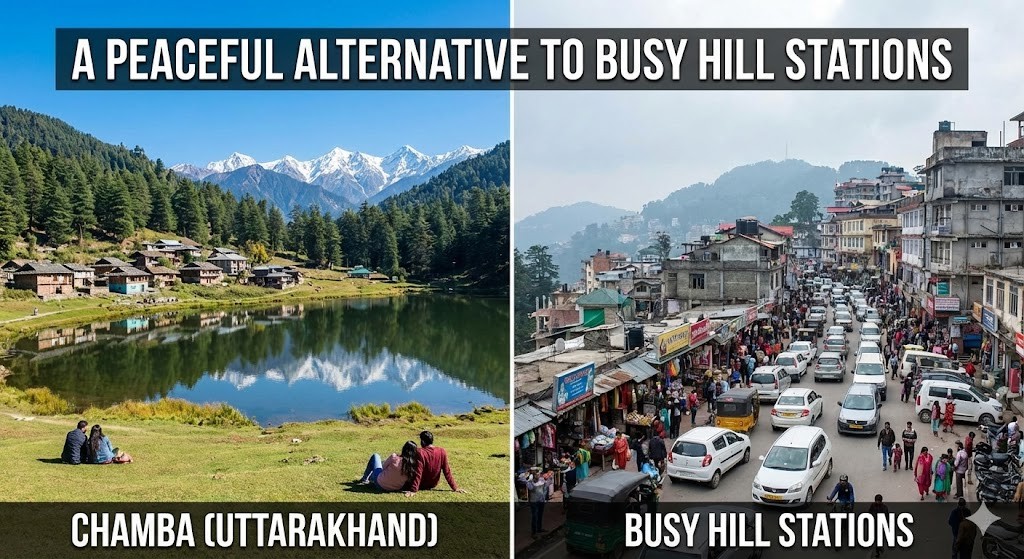
Chamba (Uttarakhand): A Peaceful Alternative to Busy Hill Stations
Looking for quiet mountain views without tourist crowds? Chamba (Uttarakhand): A Peaceful Alternative to Busy Hill Stations is the perfect escape. Located in the Tehri Garhwal district, Chamba offers calm surroundings, scenic beauty, and fresh mountain air. Unlike commercial hill stations, Chamba remains untouched and authentic. If you’re searching for peaceful hill stations near Rishikesh, this destination deserves your attention. Chamba Uttarakhand Travel Guide: A Peaceful Alternative to Crowded Hill Stations This Chamba Uttarakhand Travel Guide helps you plan a relaxing trip. Chamba is gaining popularity under Chamba Uttarakhand Tourism for travellers seeking slow travel and offbeat experiences. Places to Visit in Chamba Uttarakhand (With Distance) Here are the top Places to Visit in Chamba Uttarakhand along with approximate distances to help you plan your trip easily. 1️. Surkanda Devi Temple – 22 km A famous Shakti Peeth located near Kaddukhal. It offers panoramic Himalayan views and a short 2 km uphill trek to the temple. 2️. Tehri Lake – 18 km Perfect for boating, jet skiing, and lakeside relaxation. A great spot for adventure and photography. 3️. Dhanaulti – 30 km A peaceful hill station known for eco-parks, deodar forests, and scenic mountain views. 4️. Kanatal – 16 km A quiet getaway ideal for camping, nature walks, and weekend stays. 5️. New Tehri – 15 km Offers beautiful lake views and modern town facilities with shopping and cafes. 6️. Mussoorie – 60 km Popular hill station known as the “Queen of Hills,” ideal for a day trip from Chamba. 7️. Rishikesh – 60 km A spiritual town famous for yoga, river rafting, and Ganga Aarti. Best Time to Visit Chamba Uttarakhand with Activities Planning your trip at the right time makes your experience even better. The Best Time to Visit Chamba Uttarakhand depends on the kind of activities you want to enjoy. Located in the serene hills of Uttarakhand, Chamba offers beauty in every season. Summer (March to June) – Perfect for Sightseeing Temperature: 15°C to 30°C This is the most popular season for visitors. Best Activities: Summer is ideal for families and weekend travellers. Monsoon (July to September) – Green & Refreshing Temperature: 18°C to 25°C Chamba turns lush and misty during monsoon. Best Activities: Note: Roads can be slippery due to rainfall. Autumn (October to November) – Clear Mountain Views Temperature: 10°C to 20°C The sky remains clear with crisp air. Best Activities: This is a great time for couples and offbeat travellers. Winter (December to February) – Snow Experience Temperature: 5°C to 15°C Nearby areas like Dhanaulti may receive light snowfall. Best Activities: Winter is perfect for travellers looking for peaceful hill stations near Rishikesh. How to Reach Chamba Uttarakhand Chamba is a peaceful hill town in Tehri Garhwal district of Uttarakhand. It is well connected by road and is easily accessible from major North Indian cities. Here’s a complete travel guide to help you plan your journey. By Air Nearest Airport: Jolly Grant Airport Taxis and private cabs are easily available from the airport. By Train Nearest Railway Stations: Both stations are connected to Delhi, Mumbai, and other major cities. From the station, you can hire a taxi or take a bus to Chamba. By Road Chamba is well connected via road from: The route via Rishikesh → Narendra Nagar → Chamba offers beautiful Himalayan views. State transport buses and shared jeeps are also available from Rishikesh and Tehri. Self-Drive Option If you enjoy mountain driving, Chamba is a great road trip destination. The roads are scenic but include some sharp turns, so careful driving is advised. Why Choose Chamba for a Weekend Getaway? If you are tired of crowded hill stations, Chamba offers the peace you are looking for. Located in the serene hills of Uttarakhand, this small town is calm, scenic, and perfect for short trips. Here’s why Chamba is ideal for a weekend escape: 1. Less Crowded & Peaceful Unlike popular spots like Mussoorie, Chamba remains quiet and uncrowded. You can truly relax and enjoy nature without traffic or noise. 2. Easy Access from Rishikesh & Dehradun Chamba is just 60–70 km from Rishikesh and Dehradun. The short travel time makes it perfect for a 2–3-day trip. 3. Close to Tehri Lake You can enjoy boating and water sports at Tehri Lake, which is just a short drive away. 4. Stunning Himalayan Views Chamba offers clear views of snow-capped peaks, especially during sunrise and sunset. The fresh mountain air adds to the experience. 5. Spiritual & Nature Blend Nearby attractions like Surkanda Devi Temple add a spiritual touch to your trip. Why Choose Clan Stays for Your Uttarakhand Trip? Clan Stays offers safe, well-organized, and comfortable travel experiences across the beautiful landscapes of Uttarakhand. With experienced local guides and reliable transport, your journey becomes smooth and stress-free. From spiritual tours to adventure treks, every detail is carefully managed. Choose Clan Stays for personalized service, local expertise, and a memorable Himalayan getaway. FAQs 1. Is Chamba Uttarakhand good for a weekend trip? Yes, it’s perfect for a short peaceful getaway from Rishikesh or Dehradun. 2. Is Chamba crowded like Mussoorie? No, it’s much quieter and less commercial. 3. How many days are enough for Chamba? 2–3 days are ideal. 4. Does it snow in Chamba? Yes, light snowfall occurs in peak winter. 5. Is Chamba suitable for family trips? Absolutely, it’s safe and peaceful.
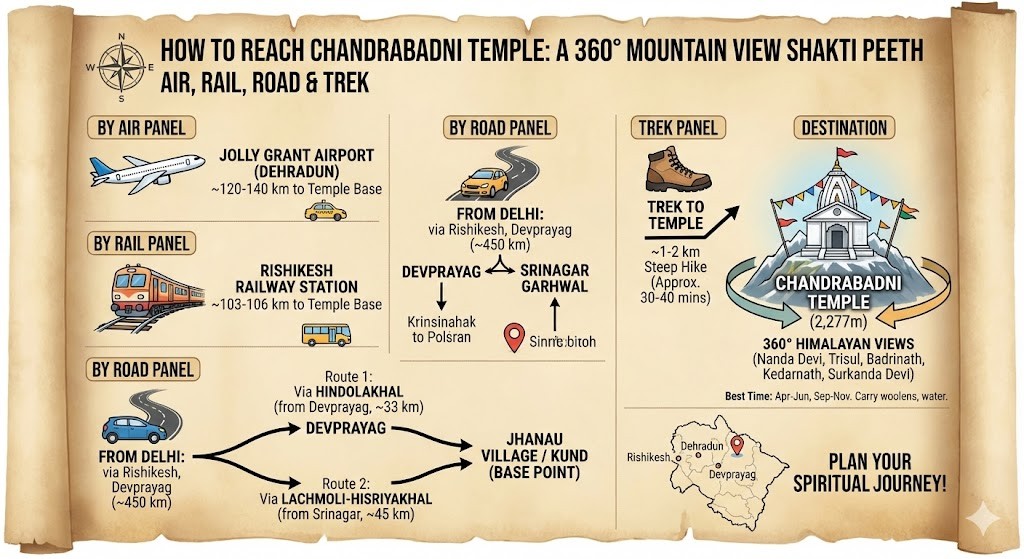
Chandrabadni Temple: Visit the Shakti Peeth with 360-Degree Mountain Views
Perched high in the Garhwal Himalayas, Chandrabadni Temple: Visit the Shakti Peeth with 360-Degree Mountain Views is a journey of faith and breathtaking scenery. This sacred shrine offers panoramic Himalayan views that stretch as far as the eye can see. Known as Chandrabadni Temple Shakti Peeth: Visit the Sacred Shrine with 360-Degree Himalayan Views, it is one of the most spiritually powerful sites in Uttarakhand. If you seek devotion, peace, and unmatched mountain vistas, this temple deserves a place on your itinerary. About Chandrabadni Temple Uttarakhand The sacred Chandrabadni Temple is located at an altitude of around 2,277 meters in Tehri Garhwal district. It is dedicated to Goddess Chandrabadni, a form of Goddess Sati. The temple is considered one of the important Shakti Peeths of Uttarakhand. According to Hindu mythology, the torso of Goddess Sati fell here. Unlike many temples, the sanctum does not have a traditional idol. Instead, a sacred Shri Yantra is worshipped. Chandrabadni Devi Shakti Peeth – Mythological Significance As a revered Chandrabadni Devi Shakti Peeth, the temple holds deep spiritual importance. Key beliefs include: This spiritual heritage makes it one of the most powerful Shakti Peeths in the region. How to Reach Chandrabadni Temple Reaching Chandrabadni Temple is simple and scenic. The temple is located in Tehri Garhwal district of Uttarakhand, around 22 km from Devprayag. Here is a step-by-step travel guide to help you plan your visit. By Air By Train By Road Chandrabadni Temple is well connected by road from: Drive to Devprayag and then follow the road toward the Chandrabadni Temple base point. The mountain road offers beautiful valley views. Final Climb to the Temple From the road head, you need to trek about 1 km uphill via a paved path and steps. Best Time to Visit Chandrabadni Temple The best time to visit Chandrabadni Temple in Uttarakhand is during the pleasant summer and post-monsoon months. Thanks to its moderate altitude (around 2,277 meters), the temple remains accessible for most of the year. March to June (Summer – Ideal Season) This is the most comfortable time to visit. If you want peaceful weather and beautiful mountain panoramas, summer is the best choice. July to August (Monsoon – Travel with Caution) Monsoon brings moderate to heavy rainfall in the region. It is better to check weather updates before planning during this season. September to November (Post-Monsoon – Excellent) This is another great time to visit. Many travelers prefer this season for calm and clear surroundings. December to February (Winter – Cold but Scenic) The temple remains open, but winters can be chilly. Carry warm clothes if visiting in winter. Quick Recommendation Best Overall Months: March–June & September–NovemberGood for Snow Lovers: December–JanuaryAvoid Heavy Monsoon Days Chandrabadni Temple 360 Degree View One of the biggest attractions is the Chandrabadni Temple 360 Degree View. From the summit, you can see: The sunrise and sunset views from the hilltop are simply magical. Why Visit Chandrabadni Devi Temple? Sacred Shakti Peeth: Believed to be one of the revered Shakti Peeths where a part of Goddess Sati fell. Safe Mountain Travel Experience with Clan Stays Clan Stays ensures a safe and comfortable journey to Chandrabadni Temple with experienced mountain drivers and well-planned routes. We take care of transportation, stays, and local guidance so you can focus on your spiritual experience. Our team monitors weather and road conditions to ensure smooth travel in the hills. With Clan Stays, your Himalayan trip is secure, peaceful, and completely hassle-free. FAQs 1. Why is Chandrabadni Temple famous? It is one of the sacred Shakti Peeths and offers panoramic Himalayan views. 2. How difficult is the Chandrabadni Temple trek? The trek is easy and around 1 km from the road head. 3. What is the altitude of Chandrabadni Temple? The temple is located at approximately 2,277 meters above sea level. 4. Is Chandrabadni Temple open in winter? Yes, but check road conditions during heavy snowfall. 5. Which peaks are visible from the temple? On clear days, peaks like Nanda Devi, Trishul, and Chaukhamba are visible.
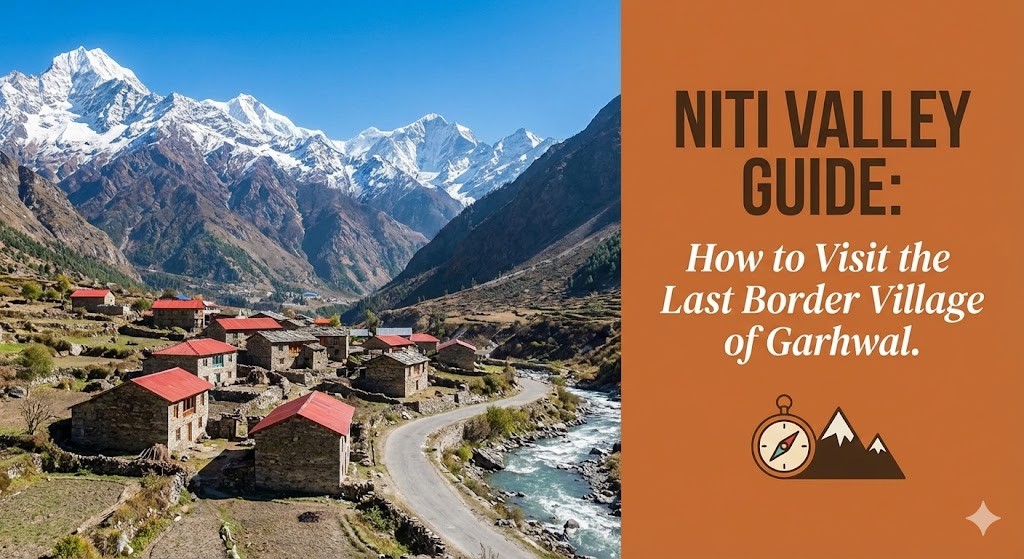
Niti Valley Guide: How to Visit the Last Border Village of Garhwal
If you dream of standing at India’s edge, this Niti Valley Uttarakhand Travel Guide is for you. Hidden deep in the Garhwal Himalayas, Niti Valley offers raw landscapes, ancient culture, and border tourism experiences unlike anywhere else. Known as the Last Village of India in Garhwal, Niti Village sits close to the Indo-Tibet border. It is remote, peaceful, and breathtakingly beautiful. Where is Niti Valley? Niti Valley is located in Chamoli district of Uttarakhand, near the Indo-China (Tibet) border. The valley lies beyond Joshimath, which serves as the main base town. The final inhabited settlement is Niti Village, often called the Last Village of India in Garhwal. Due to its strategic location, entry is regulated and requires permits. How to Reach Niti Valley Reaching Niti Valley is a scenic Himalayan journey through the upper reaches of Uttarakhand. The valley lies near the Indo-Tibet border, and the base town for the trip is Joshimath. Here is a simple step-by-step travel guide. Step 1: Reach Joshimath (Base Town) Joshimath is well connected by road to major cities in North India. By Air By Train By Road Regular buses and private taxis operate from: The drive follows the Alaknanda River and offers stunning mountain views. Step 2: Joshimath to Niti Village (Approx. 85 km) From Joshimath, you must travel by private vehicle or local taxi to Niti Village. Route:Joshimath → Tapovan → Malari → Gamshali → Niti This stretch is part of the famous Niti Valley Road trip and offers dramatic high-altitude landscapes. Best Time to Travel to Niti Valley The best time to visit Niti Valley in Uttarakhand is between May to June and September to October. Since it is a high-altitude border region, weather plays a crucial role in travel planning. May to June (Summer – Ideal Season) This is the most popular time to visit Niti Valley. If you want comfortable weather and safe travel conditions, this is the best time. July to August (Monsoon – Avoid If Possible) Monsoon brings heavy rainfall in the Garhwal Himalayas. Travel during this season can be unpredictable. September to October (Post-Monsoon – Excellent) Another great window for visiting. This is ideal for peaceful exploration and border tourism. November to April (Winter – Closed) Heavy snowfall blocks access to Niti Village. The valley is mostly inaccessible during winter months. Niti Valley Permit Information Since Niti is a border area, permits are mandatory. Who Needs a Permit? How to Get a Permit? Permits are usually issued for a day visit or limited stay. Places to Visit in Niti Valley Located in the remote border region of Uttarakhand, Niti Valley is known for its raw Himalayan beauty, traditional villages, and strategic Indo-Tibet frontier views. If you are planning a trip to the Last Village of India in Garhwal, here are the must-visit places. 1. Niti Village This is the final inhabited village near the Indo-Tibet border. The stone houses, prayer flags, and traditional Bhotiya culture make it unique. Life here is simple, peaceful, and deeply connected to nature. 2. Malari Village Malari is one of the most scenic villages in the valley. Surrounded by towering peaks and river valleys, it is a perfect stop for photography and short walks. The wooden architecture reflects Indo-Tibetan influence. 3. Gamshali Village Gamshali is among the highest villages in the region. It offers panoramic Himalayan views and a chance to experience authentic mountain life. The quiet environment makes it ideal for slow travel. 4. Dronagiri Village Dronagiri is linked to the Ramayana legend of the Sanjeevani herb. The village sits amidst dramatic mountain landscapes and offers a glimpse into local mythology and culture. 5. Niti Pass (Viewpoint Area) Close to the Indo-Tibet border, Niti Pass is a restricted zone. While full access is limited, permitted visitors can explore nearby viewpoints offering stunning high-altitude scenery. 6. Tapovan (On the Way from Joshimath) Located near Joshimath, Tapovan is known for its hot water springs and spiritual atmosphere. It makes a great stop before entering Niti Valley. Plan a Safe Niti Valley Road Trip with Clan Stays Plan your Niti Valley Road trip with Clan Stays for a smooth and worry-free Himalayan adventure. We handle permits, route planning, and experienced mountain drivers so you can travel safely in this sensitive border region. Our team ensures comfortable stays and real-time support throughout the journey. With Clan Stays, you explore the Last Village of India with confidence, safety, and expert guidance. FAQs 1. Why is Niti Village called the Last Village of India in Garhwal? It is the last inhabited settlement near the Indo-Tibet border in Chamoli district. 2. Do I need a permit to visit Niti Valley? Yes, Indian citizens need an Inner Line Permit issued in Joshimath. 3. Is Niti Valley safe for tourists? Yes, but it is a sensitive border area. Follow army and local administration rules. 4. What is the best time to visit Niti Valley? May–June and September–October are the best months. 5. Can foreigners visit Niti Village? Foreign nationals have restricted access and should confirm current rules before planning.

Satopanth Lake Trek: How to Reach the Sacred Triangular Lake
The Satopanth Lake Trek: How to Reach the Sacred Triangular Lake is one of the most spiritual and scenic Himalayan journeys in India. Located high above Badrinath, this trek takes you to a mystical triangular lake believed to be visited by Brahma, Vishnu, and Shiva. If you are looking for a complete Satopanth Lake Trek Guide, this article covers everything — route, itinerary, distance, difficulty level, and travel tips. About Satopanth Lake Uttarakhand Satopanth Lake (also called Satopanth Tal) sits at an altitude of about 4,600 meters (15,100 ft) in the Chamoli district of Uttarakhand. The name “Satopanth” means Path of Truth. The lake is triangular in shape, which makes it unique among Himalayan glacial lakes. Snow-capped peaks like Chaukhamba Peak surround it, creating a breathtaking landscape. This trek combines adventure, mythology, and untouched natural beauty. Why Is Satopanth Lake Sacred? According to Hindu mythology: How to Reach Satopanth Lake Uttarakhand Reaching Satopanth Lake requires a combination of road travel and a high-altitude trek. The journey begins from Badrinath, which serves as the base camp for the Satopanth Tal trek. Here’s a step-by-step guide to help you plan your trip smoothly. Step 1: Reach Badrinath (Base Point) Satopanth Lake is not directly accessible by road. You must first reach Badrinath in Chamoli district, Uttarakhand. By Air By Train By Road Badrinath is well connected by road from: Government and private buses run during the Char Dham season (May–October). Step 2: Badrinath to Mana Village (3 km) From Badrinath Temple, drive or walk 3 km to Mana Village, the last Indian village near the Tibet border. Mana is the final motorable point. The trek officially starts from here. Step 3: Trek from Mana to Satopanth Lake The Satopanth Tal Trek distance is approximately 22–24 km (one way) from Badrinath. Trek Route: You will cross: The lake sits at an altitude of about 4,600 meters, so acclimatization is very important. Important Travel Tips Best Time to Visit Satopanth Lake The best time to visit Satopanth Lake in Uttarakhand is during the summer and post-monsoon months. Since the lake sits at around 4,600 meters near Badrinath, weather conditions play a major role in planning your trek. May to June (Summer – Ideal Season) This is the most popular and safest time for the trek. If you want stable weather and safer glacier crossings, this is the best window. July to August (Monsoon – Not Recommended) Monsoon brings heavy rainfall in the Garhwal region. Trekking during this season can be risky. September to October (Post-Monsoon – Excellent) This is another great time to visit. Many experienced trekkers prefer this season for peaceful exploration. November to April (Winter – Closed) Satopanth Lake Trek Difficulty Level The Satopanth Lake Trek Difficulty Level is considered moderate to difficult. Why? This trek is ideal for experienced trekkers or physically fit beginners with preparation. Permits & Important Tips Before starting the trek: There are no permanent shelters beyond Mana Village, so camping gear is essential. Satopanth Tal Trek Route & Itinerary (4–5 Days) Day 1: Badrinath to Lakshmi Van Gradual ascent along the Alaknanda River. Camp at Lakshmi Van. Day 2: Lakshmi Van to Chakratirtha Steeper climb with stunning glacier views. Camp overnight. Day 3: Chakratirtha to Satopanth Lake Reach the sacred triangular lake. Explore and return to Chakratirtha. Day 4–5: Return to Badrinath Descend carefully via the same route. Safe, Spiritual & Seamless Trekking with Clan Stays Clan Stays ensures your Satopanth Lake trek is safe, well-organized, and spiritually enriching from start to finish. Our experienced local guides handle permits, camping, and high-altitude safety so you can trek with confidence. We focus on small groups and proper acclimatization to make the journey comfortable and secure. With us, you experience the Himalayas in a peaceful, seamless, and truly meaningful way. FAQs 1. What is the total Satopanth Tal Trek Distance? The total distance is around 22–24 km one way from Badrinath. 2. Is Satopanth Lake Trek suitable for beginners? It is moderate to difficult. Beginners need good fitness and preferably a guide. 3. Do I need a permit for Satopanth Lake? Yes, registration at Badrinath is required before starting the trek. 4. What is the altitude of Satopanth Lake? The lake is located at approximately 4,600 meters above sea level. 5. How many days are required for Satopanth Lake Trek? Typically, 4–5 days are needed for a comfortable round trip.
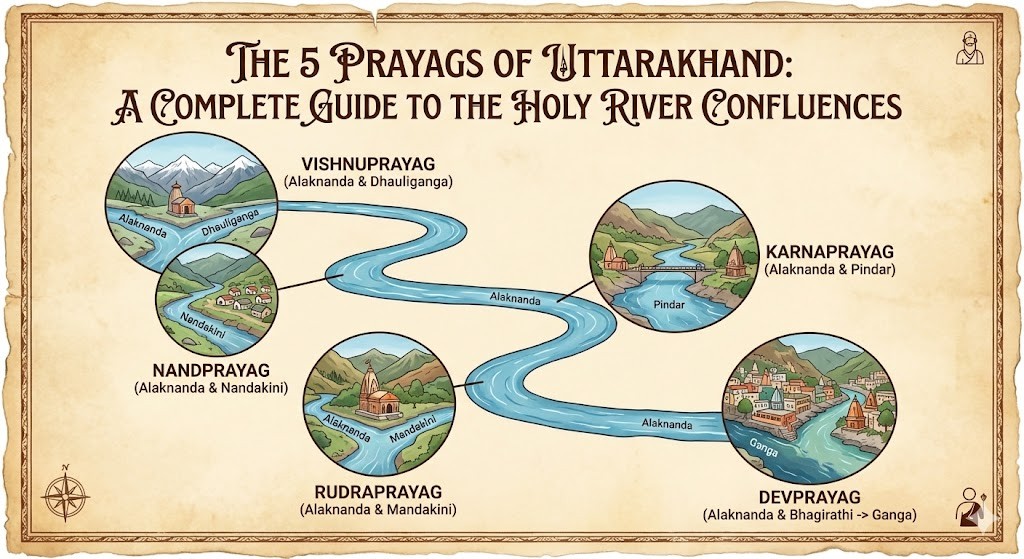
The 5 Prayags of Uttarakhand: A Complete Guide to the Holy River Confluences
Uttarakhand is known as Dev Bhoomi—the Land of the Gods. Among its many spiritual treasures, the 5 Prayags of Uttarakhand: A Complete Guide to the Holy River Confluences is essential reading for pilgrims and travellers alike. These sacred confluences, collectively called Panch Prayag, mark the merging points of powerful Himalayan rivers that ultimately form the holy Ganga. This Complete Guide to Panch Prayag in Uttarakhand will help you understand their religious significance, route, and travel planning tips. What Are the 5 Prayags? The word Prayag means “confluence.” In Uttarakhand, five sacred river confluences form the Holy River Confluences of Uttarakhand, known together as Panch Prayag. The 5 Prayags Are: These five river meetings occur along the Alaknanda River before it merges with the Bhagirathi at Devprayag to officially form the River Ganga. Panch Prayag Route and Significance The Panch Prayag lies on the route to Badrinath Dham, making it spiritually and geographically important during the Char Dham Yatra. River Formation Sequence: Prayag Rivers That Meet District Vishnuprayag Alaknanda + Dhauliganga Chamoli Nandprayag Alaknanda + Nandakini Chamoli Karnaprayag Alaknanda + Pindar Chamoli Rudraprayag Alaknanda + Mandakini Rudraprayag Devprayag Alaknanda + Bhagirathi Tehri At Devprayag, the Ganga officially begins. Guide to All 5 Prayags in Uttarakhand 1. Vishnuprayag Vishnuprayag is the first confluence on the route from Joshimath to Badrinath. Here, the Alaknanda meets the Dhauliganga River. Why It’s Special: 2. Nandprayag Nandprayag marks the meeting of Alaknanda and Nandakini Rivers. It is quieter and less crowded. Religious Importance: 3. Karnaprayag Karnaprayag is where the Alaknanda meets the Pindar River. Mythological Connection: This town also connects the route to Kedarnath and Badrinath. 4. Rudraprayag Rudraprayag is one of the most famous confluences. Here, Alaknanda meets the Mandakini River from Kedarnath. Why Visit: It is a major highlight in any 5 Prayags of Uttarakhand Guide. 5. Devprayag Devprayag is the most sacred of all five. It is where Alaknanda and Bhagirathi merge to form the River Ganga. Key Highlights: Without Devprayag, the Ganga would not exist in its present form. Spiritual Significance of Panch Prayag The Holy River Confluences of Uttarakhand are believed to cleanse sins and grant spiritual liberation. Religious Importance: Many pilgrims aim to visit all five during a single journey. Best Time to Visit Panch Prayag Choosing the right season is important for a safe and comfortable trip. Summer (April–June) Autumn (September–November) Monsoon (July–August) Winter (December–March) Distance Chart from Rishikesh Prayag Distance (Approx.) Devprayag 75 km Rudraprayag 140 km Karnaprayag 172 km Nandprayag 195 km Vishnuprayag 255 km Why Visit All 5 Prayags? How to Reach Panch Prayag All five Prayags are well connected by road. By Air By Train By Road Self-driving is possible, but mountain driving experience is recommended. Experience Safe & Spiritual Travel with Clan Stays At Clan Stays, we understand that a pilgrimage is more than just a trip—it is a sacred journey. Our team ensures safe transportation, comfortable stays, and well-planned itineraries so you can focus on devotion without stress. With expert local knowledge of Uttarakhand routes, including Panch Prayag and Char Dham, we make every journey smooth and meaningful. From hotel bookings to travel assistance, we handle every detail with care. Travel with peace of mind and let Clan Stays turn your yatra into a truly divine experience. FAQs 1. What are the 5 Prayags of Uttarakhand? The five Prayags are Vishnuprayag, Nandprayag, Karnaprayag, Rudraprayag, and Devprayag—sacred river confluences along the Alaknanda River. 2. Which Prayag forms the River Ganga? Devprayag forms the River Ganga when Alaknanda meets Bhagirathi. 3. Can we visit all 5 Prayags in one trip? Yes. All five are located on the Badrinath route and can be covered in 2–3 days. 4. What is the best time to visit Panch Prayag? April–June and September–November is ideal due to pleasant weather. 5. Are the 5 Prayags part of Char Dham Yatra? They are not official Char Dham sites, but they fall along the Badrinath and Kedarnath routes.