
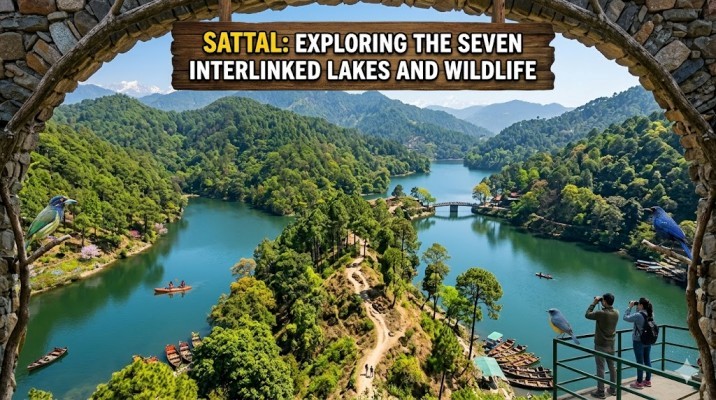
Nestled in the serene hills of Uttarakhand, Sattal Seven Interlinked Lakes is a hidden paradise waiting to be explored. Known for its untouched beauty and rich biodiversity, Sattal lakes Uttarakhand offer a peaceful escape from crowded hill stations. If you’re looking to explore Sattal Uttarakhand, this destination blends crystal-clear lakes, dense forests, and vibrant wildlife into one unforgettable experience. Seven Lakes of Sattal Located near Nainital, Sattal literally means “seven lakes.” These lakes are interconnected and surrounded by oak and pine forests, making it a perfect offbeat destination. Unlike nearby tourist hubs, Sattal hidden lakes Uttarakhand remain less commercialized and more tranquil. The beautiful region of Sattal, located near Nainital in Uttarakhand, is named after its unique cluster of seven interconnected freshwater lakes. These lakes are surrounded by dense forests and are fed by underground springs, creating a peaceful and thriving natural ecosystem. List of the Seven Lakes of Sattal Why These Lakes Are Special Best Time to Visit Sattal Nestled near Nainital in Uttarakhand, Sattal is a year-round destination. However, the best time depends on what kind of experience you’re looking for while exploring the Sattal Seven Interlinked Lakes and its rich surroundings. Season Months Weather Best For Travel Experience Spring March – April Pleasant (15°C–25°C) Sightseeing, nature walks Blooming forests and clear lake views Summer May – June Mild (20°C–30°C) Boating, camping, exploring Sattal lakes Uttarakhand Perfect weather for outdoor activities Monsoon July – September Cool & Rainy Photography, greenery lovers Lush landscapes but slippery trails Autumn October – November Crisp & Clear Birdwatching, peaceful stays Best time to enjoy Sattal wildlife and lakes Winter December – February Cold (5°C–15°C) Solitude, birdwatching Quiet surroundings with misty mornings Quick Recommendation Best Overall Time Why Visit March – June & October – November Ideal weather, clear views, and perfect time to explore Sattal Uttarakhand Things to Do in Sattal Located near Nainital in Uttarakhand, Sattal offers a perfect mix of nature, adventure, and peace. Here are the top things to do while exploring the Sattal Seven Interlinked Lakes: How to Reach Sattal Sattal, located near Nainital in Uttarakland, is well-connected by road, rail, and air. Reaching the Sattal Seven Interlinked Lakes is convenient and scenic, making the journey just as enjoyable as the destination. Travel Options to Reach Sattal Mode of Transport Details Distance/Time By Road Well-connected via Delhi, Haldwani, and Nainital. You can drive or take a bus/taxi. ~300 km from Delhi (7–8 hours) By Train Nearest railway station is Kathgodam, which has regular trains from Delhi. 22 km from Sattal (45–60 mins drive) By Air Nearest airport is Pantnagar Airport with limited flights. 55 km from Sattal (1.5–2 hours’ drive) Route Details (From Delhi) Local Transport Options Travel Tips Why Sattal is Perfect for Offbeat Travelers Tucked away near Nainital in Uttarakhand, Sattal is a hidden gem for those who prefer quiet, nature-rich destinations over crowded tourist hubs. The charm of the Sattal Seven Interlinked Lakes lies in its untouched beauty and peaceful vibe. Top Reasons Why Sattal is an Offbeat Paradise Quick Takeaway Sattal is not just a destination it’s an experience for those who seek silence, greenery, and authenticity away from the usual tourist rush. Stay Close to Nature with Clan Stays in Sattal Experience the perfect blend of comfort and wilderness with Clan Stays near the serene Sattal lakes. Wake up to the sounds of birds and enjoy peaceful views of lush forests all around. Designed for travellers who seek calm and authenticity, it offers a cozy retreat away from crowded tourist spots. It’s the ideal base to relax, unwind, and truly connect with nature in Sattal. FAQ 1. How many lakes are there in Sattal? There are seven interconnected lakes, collectively known as the Seven lakes of Sattal. 2. What is Sattal famous for? Sattal is famous for its interlinked lakes, birdwatching opportunities, and rich biodiversity. 3. Is Sattal better than Nainital? Sattal is quieter and less crowded than Nainital, making it ideal for nature lovers. 4. What wildlife can be seen in Sattal? You can spot birds, butterflies, barking deer, and small mammals in the region. 5. What is the best time to visit Sattal? March to June and October to February are the best times to visit Sattal.
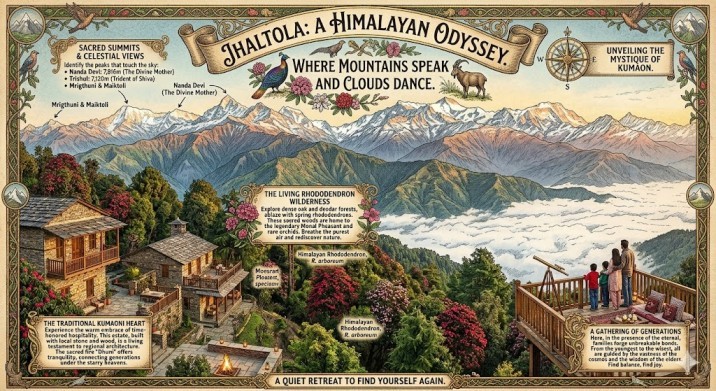
Jhaltola: The Best Hidden Estate for 300km Himalayan Views
If you’re searching for untouched beauty in the Himalayas, Jhaltola hidden estate Himalayan views should be at the top of your list. Tucked away in the serene hills of Uttarakhand, Jhaltola offers one of the most breath-taking 300 km Himalayan panoramas you’ll ever witness. Far from crowded tourist spots, this peaceful retreat is ideal for travellers who crave silence, nature, and stunning mountain landscapes. Whether you’re a nature lover or a photographer, this hidden estate promises an unforgettable escape. Why Jhaltola is the Best Hidden Estate for 300 km Himalayan Views Jhaltola stands out for its uninterrupted views of the Himalayan range. On a clear day, you can witness snow-covered peaks stretching endlessly across the horizon. What makes it special? Unlike commercial hill stations like Nainital, Jhaltola remains untouched and authentic. Jhaltola Offbeat Destination with 300 km Himalayan Range View If you want to escape city chaos, Jhaltola is a perfect choice. It is still undiscovered compared to popular spots like Mukteshwar or Almora. Top reasons to visit: This makes it a true Jhaltola offbeat destination with 300 km Himalayan range view. Best Time to Visit Jhaltola Jhaltola, a serene village in Uttarakhand, is a year-round destination. However, the best time to visit depends on what kind of experience you’re looking for—clear Himalayan views, lush greenery, or cozy winter vibes. Best Time at a Glance Season Months Experience Ideal For Spring–Summer March to June Clear skies, pleasant weather Sightseeing, photography Monsoon July to September Green landscapes, misty views Nature lovers, peaceful stays Autumn–Winter October to February Snow views, crisp air Best Himalayan visibility Season-Wise Detailed Guide 1. March to June – Pleasant & Clear Views This is one of the most popular times to visit Jhaltola. The weather is mild, and the skies are usually clear, offering stunning Himalayan views. Why visit: 2. July to September – Monsoon Magic Monsoon transforms Jhaltola into a lush green paradise. Clouds drift through the hills, creating a dreamy atmosphere. Things to keep in mind: 3. October to February – Best for Himalayan Views This is the best time to visit Jhaltola if your goal is to witness the majestic Himalayan range in its full glory. Highlights: Perfect for: Things to Do in Jhaltola Jhaltola, a peaceful retreat in Uttarakhand, is perfect for slow travel and nature experiences. Here are the top things to do: How to Reach Jhaltola Jhaltola, located in Uttarakhand, is well-connected by air, rail, and road. Here’s a simple table for easy reference: Mode of Transport Details Distance/Time By Air Nearest airport: Pantnagar Airport. Hire a taxi from the airport to reach Jhaltola. ~120 km / 4–5 hrs By Train Nearest station: Kathgodam Railway Station. Well-connected to Delhi and other cities. ~140 km / 5–6 hrs By Road Drive via Delhi → Haldwani → Almora → Jhaltola. Scenic hill drive with good road connectivity. ~350 km / 8–10 hrs Quick Travel Tips Jhaltola may be offbeat, but reaching this hidden estate is smooth and rewarding. Nearby Places to Visit from Jhaltola Jhaltola, located in the peaceful hills of Uttarakhand, is surrounded by some beautiful and lesser-known destinations. These nearby spots add more depth and variety to your trip. Chaukori Chaukori is known for its stunning sunrise views and lush tea gardens. It offers a peaceful environment and wide-angle Himalayan panoramas, making it a perfect short trip from Jhaltola. Munsiyari Munsiyari is a paradise for adventure lovers. Famous for the majestic Panchachuli peaks, it is also a base for trekking and high-altitude exploration. Patal Bhuvaneshwar Patal Bhuvaneshwar is a mystical underground cave temple filled with natural rock formations linked to Hindu mythology. It offers a unique spiritual and adventurous experience. Berinag Berinag is a charming hill town known for its tea gardens and serene Himalayan views. It’s ideal for a quiet and relaxing visit. Binsar Wildlife Sanctuary Binsar Wildlife Sanctuary is perfect for nature lovers and wildlife enthusiasts. Dense forests, rich biodiversity, and scenic viewpoints make it a must-visit destination. Why Jhaltola Uttarakhand is a Hidden Gem for Mountain Lovers Tucked away in the serene hills of Uttarakhand, Jhaltola remains one of the most untouched and peaceful destinations in the Himalayas. Unlike crowded hill stations, it offers raw beauty, silence, and unmatched mountain views. Clan Stays: Your Perfect Offbeat Mountain Retreat Clan Stays offers a peaceful escape in the untouched beauty of the Himalayas, far from crowded tourist spots. Wake up to breath-taking mountain views and experience the charm of slow living in Jhaltola. With cozy stays, warm hospitality, and nature all around, every moment feels refreshing and authentic. It’s the perfect choice for travellers seeking comfort, serenity, and a true offbeat retreat. FAQs 1. Where is Jhaltola located? Jhaltola is a peaceful village in Uttarakhand, India, known for its panoramic Himalayan views. 2. Why is Jhaltola famous? It is famous for its uninterrupted 300 km Himalayan range view and offbeat charm. 3. What is the best time to visit Jhaltola? October to February is ideal for clear mountain views, while March to June offers pleasant weather. 4. Is Jhaltola suitable for family trips? Yes, it is perfect for families seeking a quiet and nature-filled vacation. 5. Are there good stays in Jhaltola? Yes, there are cozy homestays and hidden estates offering stunning Himalayan views.

Pangot & Kilbury: A Paradise for Birdwatchers Near Nainital
If you love nature and birds, Pangot and Kilbury bird watching near Nainital is an experience you shouldn’t miss. Tucked away in the serene forests of Nainital, these hidden gems are among the finest birding spots in India. With over 250 species of birds, this region is a dream come true for bird enthusiasts, photographers, and peaceful travellers alike. Whether you’re a beginner or a seasoned birder, this Pangot Nainital bird watching guide will help you explore one of the best birding destinations in the Himalayas. Why Pangot & Kilbury Are a Birdwatcher’s Paradise Located just 15 km from Nainital, Pangot and Kilbury offer dense oak, pine, and rhododendron forests. These forests are part of the famous Kilbury Bird Sanctuary, making it a hotspot for birdlife. Highlights of Pangot Kilbury Bird Sanctuary Near Nainital This region has gained recognition as a top Pangot birding destination India due to its unique Himalayan ecosystem. Best Time for Bird Watching in Pangot Timing plays a key role in birding success. Season Months Bird Watching Experience Recommended For Spring March – April Peak activity with breeding birds and vibrant species Photographers & bird enthusiasts Summer May – June Best time for migratory birds and clear sightings Beginners & nature lovers Monsoon July – September Lush greenery but fewer bird sightings due to rain Nature lovers, not ideal for birding Autumn October – November Return of migratory birds with pleasant weather Birdwatchers & traveller’s Winter December – February Great for spotting rare Himalayan and migratory species Serious birders & wildlife lovers Pro Tip: Early mornings (6 AM – 9 AM) and late afternoons are the best times of day for bird watching in Pangot Uttarakhand. Top Birds to Spot in Pangot & Kilbury The serene forests of Pangot and the renowned Kilbury Bird Sanctuary offer a rich diversity of birdlife, making bird watching in Pangot Uttarakhand a truly rewarding experience. Himalayan Monal A stunning, rainbow-colored pheasant and the state bird of Uttarakhand, often seen in forest clearings during early mornings. Cheer Pheasant A rare and shy species found in higher altitudes, best spotted during quiet sunrise hours. Koklass Pheasant A forest-dwelling bird known for its distinct calls, commonly heard echoing through dense woods. Lammergeier (Bearded Vulture) A majestic vulture famous for dropping bones from heights, often seen soaring high above valleys. Blue-winged Minla A small, colourful bird that moves in lively flocks, frequently spotted during nature walks. Rufous-bellied Woodpecker A striking woodpecker with vibrant colours, often seen tapping tree trunks in search of food. Grey-headed Canary Flycatcher A tiny, energetic bird with a sweet call, commonly found in wooded habitats. Khalij Pheasant A beautiful and relatively common bird, often spotted along forest trails and open clearings. Steppe Eagle A powerful migratory raptor seen mainly in winter, known for its broad wings and strong flight. Himalayan Griffon Vulture A massive high-altitude bird with an impressive wingspan, often gliding effortlessly in the sky. How to Reach Pangot & Kilbury Reaching Pangot and the beautiful Kilbury Bird Sanctuary is simple and scenic, especially from nearby hill towns like Nainital. Whether you prefer air, rail, or road, there are multiple convenient options. Travel Options to Pangot & Kilbury Mode of Transport Details By Air The nearest airport is Pantnagar Airport (around 70 km), from where you can hire a taxi to Pangot. By Train The closest railway station is Kathgodam (approx. 35 km), well-connected to major cities like Delhi and Lucknow. By Road Pangot is about 15 km from Nainital and easily accessible via a scenic drive through forested hills. Taxis and private vehicles are the best options. Route from Nainital to Pangot The drive from Nainital to Pangot takes about 45 minutes and passes through dense forests, offering beautiful views and chances to spot birds along the way. Travel Tips Nearby Places to Explore Around Pangot & Kilbury While Pangot and Kilbury bird watching near Nainital is the main attraction, the surrounding region is full of scenic spots and hidden gems worth exploring. Here are some must-visits nearby places: Nainital A popular hill station just 15 km away, known for its beautiful Naini Lake, Mall Road, and vibrant atmosphere. Snow View Point A stunning viewpoint offering panoramic views of the snow-capped Himalayan peaks, perfect for photography lovers. Tiffin Top (Dorothy’s Seat) A peaceful picnic spot with breath-taking views of the hills, ideal for short treks and nature walks. Naina Devi Temple A famous Hindu temple located near Naini Lake, attracting both devotees and tourists. Eco Cave Gardens A fun and educational spot featuring interconnected caves and hanging gardens, great for families. Sattal A serene cluster of seven freshwater lakes surrounded by forests, perfect for birdwatching and kayaking. Bhimtal Lake A peaceful and less crowded lake destination, ideal for boating and relaxing amidst nature. Mukteshwar A charming hill town known for its scenic beauty, orchards, and adventure activities like rock climbing. Travel Tip Plan at least 2–3 days to explore these nearby attractions along with bird watching in Pangot Uttarakhand for a complete and relaxing mountain experience. Things to Do Beyond Bird Watching While Pangot and Kilbury bird watching near Nainital is the main highlight, this peaceful Himalayan escape offers plenty of other experiences for travellers who want more than just birding. A Cozy Escape in Pangot with Clan Stays Escape the noise of city life and unwind in the serene beauty of Pangot with Clan Stays, your perfect mountain retreat near Nainital. Surrounded by lush forests and peaceful landscapes, it offers a warm and comfortable stay close to nature. Wake up to the soothing sounds of birds and fresh Himalayan air right at your doorstep. Whether you’re here for relaxation or Pangot and Kilbury bird watching near Nainital, Clan Stays ensures a memorable and refreshing experience. FAQs 1. Why is Pangot famous for bird watching? Pangot is famous for hosting over 250 species of birds, making it one of the top birding destinations in India. 2. What is the best time for bird watching in Pangot? Summer

Abbott Mount: Haunted History and Colonial Charms of Kumaon
Hidden in the serene hills of Uttarakhand, Abbott Mount haunted historydraws curious travellers and thrill-seekers alike. This quiet hamlet blends British-era elegance with chilling ghost tales that have made it one of the most intriguing destinations in Kumaon. If you’re searching for an offbeat escape, this Abbott Mount Kumaon travel guide will help you explore its mystery, beauty, and timeless charm. Where is Abbott Mount? Abbott Mount is located near Lohaghat in the Champawat district of Uttarakhand. Perched at around 6,400 feet, it offers breath-taking Himalayan views and peaceful surroundings. It is often listed among the most offbeat places in Kumaon Abbott Mount stands out for its untouched beauty and eerie silence. One of the most talked-about legends is the Abbott Mount haunted hospital story. Locals believe that a doctor once performed unethical medical practices here. Some even say surgeries were conducted under suspicious circumstances. Reported paranormal experiences include: This story has made Abbott Mount one of the top haunted places in Kumaon AbbottMount is famous for. Colonial Charm of Abbott Mount Abbott Mount, nestled in Kumaon, is known for its peaceful colonial vibe. Built by John Harold Abbott, it still has old British-style cottages. These cottages feature: The quiet atmosphere and vintage charm make Abbott Mount feel like a step back in time. It’s perfect for travellers who love history, nature, and peaceful places. Things to Do in Abbott Mount Kumaon Nestled in the peaceful hills of Kumaon, Abbott Mount is perfect for a peaceful and slightly mysterious getaway. Here are some simple and enjoyable things you can do: 1. Explore Haunted Spots Visit the famous abandoned hospital and old cottages. These places are linked to the Abbott Mount haunted history and attract curious travelers. 2. Take Nature Walks Walk through quiet pine forests and enjoy fresh mountain air. The trails are calm and not crowded. 3. Enjoy Scenic Views Relax and soak in beautiful views of the Himalayas, especially during sunrise and sunset. 4. Photography Capture colonial cottages, misty hills, and forest landscapes—perfect for nature lovers and photographers. 5. Visit Nearby Places Explore nearby attractions like: 6. Relax & Unwind If you want a break from busy city life, Abbott Mount is ideal for peace, silence, and relaxation. Tip: It’s one of the best offbeat places in Kumaon, so expect fewer crowds and more tranquillity. Best Time to Visit Abbott Mount Uttarakhand Abbott Mount, located in Uttarakhand, can be visited throughout the year, but each season offers a different experience. Season Months Weather Why Visit Summer March – June Pleasant (15°C – 25°C) Best time for sightseeing, nature walks, and clear Himalayan views Monsoon July – September Rainy & humid Lush greenery, but roads can be slippery Autumn October – November Cool & clear Perfect for photography and peaceful stays Winter December – February Cold & foggy (0°C – 15°C) Enjoy misty views and a quiet, mysterious vibe Abbott Mount in Uttarakhand offers a unique experience in every season, but summer and autumn are the most recommended for travel. Why Abbott Mount is Perfect for Offbeat Travelers Abbott Mount, located in Kumaon, is a hidden destination ideal for travellers looking for something unique and peaceful. Peaceful and Less Crowded Unlike popular hill stations, Abbott Mount is quiet and untouched, offering a calm and relaxing environment Unique Haunted Experience Its famous Abbott Mount haunted history and ghost stories make it exciting for those who enjoy mystery and adventure. Colonial Charm The old British-era cottages add a vintage feel, making the place visually and historically appealing. Scenic Natural Beauty Surrounded by pine forests and Himalayan views, it’s perfect for nature lovers and photographers. Ideal for Digital Detox With minimal commercialization, Abbott Mount is great for disconnecting from busy city life. How to Reach Abbott Mount Abbott Mount is located in Uttarakhand, near Lohaghat in the Kumaon region. Here are the best ways to reach: Mode of Transport Details By Train The nearest railway station is Kathgodam Railway Station (approx. 160 km). From there, take a taxi or bus to Lohaghat, then drive to Abbott Mount. By Air The nearest airport is Pantnagar Airport (approx. 190 km). You can hire a taxi to reach Abbott Mount. By Road Abbott Mount is well connected by road from Delhi, Haldwani, and nearby towns. Travel by car or bus to Lohaghat, then take a taxi. Nearest Town Lohaghat (approx. 8 km) is the closest town with local taxis available for Abbott Mount. Quick Route Delhi → Haldwani → Lohaghat → Abbott Mount Tip: The last stretch from Lohaghat to Abbott Mount is scenic but narrow, so drive carefully or hire a local driver. Top Reasons to Book Your Stay with Clan Stays Clan Stays offers comfortable accommodations in peaceful, scenic locations perfect for a relaxing getaway. You get clean rooms, modern amenities, and warm hospitality that makes you feel at home. Their properties are thoughtfully located near popular attractions yet away from the crowd. It’s an ideal choice for traveller’s looking for comfort, convenience, and a memorable stay experience FAQs 1. Is Abbott Mount really haunted? Many locals and visitors report paranormal experiences, but there is no scientific proof. It remains a popular haunted destination. 2. What is the haunted hospital story of Abbott Mount? The story revolves around a doctor who allegedly performed unethical surgeries, leading to paranormal claims. 3. How can I reach Abbott Mount? You can reach via Kathgodam railway station and then drive to Lohaghat and Abbott Mount. 4. What are the best things to do in Abbott Mount Kumaon? Nature walks, exploring haunted spots, photography, and visiting nearby attractions. 5. Is Abbott Mount safe for tourists? Yes, it is safe during the day. However, avoid isolated areas at night

Chaukori: The Best Place for Sunrise and Sunset in Kumaon
If you’re looking for peaceful Himalayan views, Chaukori is a hidden gem you shouldn’t miss. Known for its breath-taking sunrises and sunsets, this quiet hill station offers stunning views of snow-covered peaks. While planning your trip with a Purnagiri Temple travel guide, adding Chaukori to your itinerary makes your journey even more memorable. Where is Chaukori Located? Chaukori is a small hill station in the Pithoragarh district of Uttarakhand. It sits at an altitude of around 2,010 meters and offers panoramic views of the Himalayan ranges. Distance from Key Places Best Time to Visit Chaukori Season Months Weather Experience Recommendation Spring March – April Pleasant (12°C–22°C) Clear skies, blooming nature, great sunrise views Best time Summer May – June Mild (15°C–25°C) Comfortable weather, perfect for sightseeing Ideal Monsoon July – September Rainy & cloudy Misty views, landslide risk, limited visibility Not recommended Autumn October – November Cool (10°C–20°C) Crisp air, stunning sunsets, clear Himalayan views Best time Winter December – February Cold (0°C–10°C) Snowfall (sometimes), peaceful and less crowded Good for snow lovers Quick Insights Why Chaukori is Famous for Sunrise & Sunset Chaukori is widely known as one of the best spots in Kumaon to witness magical sunrises and sunsets. Its unique location and natural beauty make every moment feel special. 1. Panoramic Himalayan Views Chaukori offers clear views of famous Himalayan peaks like Nanda Devi and Panchachuli. As the sun rises or sets, these snow-covered mountains glow in golden and pink hues. 2. Unobstructed Horizon Unlike crowded hill stations, Chaukori has open landscapes and fewer buildings. This allows a wide, uninterrupted view of the sky, making sunrise and sunset more dramatic. 3. Clean and Pollution-Free Air The fresh mountain air and low pollution levels ensure crystal-clear visibility. This enhances the colours of the sky during sunrise and sunset. 4. Peaceful and Less Crowded Chaukori is still a hidden gem, so you can enjoy these moments in complete peace without large crowds. 5. Changing Colours of the Sky From soft orange and pink to deep red and purple, the sky transforms beautifully. It’s a paradise for photographers and nature lovers. How to Reach Chaukori Reaching Chaukori is easy, though it requires a mix of travel options. This peaceful hill station is well connected to major towns in Uttarakhand. By Road Chaukori is well connected by motorable roads. Popular Routes You can travel via: By Train The nearest railway station is: From Kathgodam By Air The nearest airport is: From the Airport Travel Route Tip A common and scenic route is:Delhi → Haldwani → Almora → Berinag → Chaukori Quick Travel Tips Nearby Places to Explore Around Chaukori Exploring nearby destinations around Chaukori adds more charm to your trip. From scenic hill towns to spiritual spots, there’s plenty to see and experience. Top Nearby Places 1. Munsiyari – Gateway to the Himalayas Munsiyari (Approx. 100 km) 2. Kausani – Switzerland of India Kausani (Approx. 120 km) 3. Bageshwar – Spiritual Town Bageshwar (Approx. 90 km) 4. Berinag – Tea Gardens & Views Berinag (Approx. 10 km) 5. Patal Bhuvaneshwar – Mystical Cave Temple Patal Bhuvaneshwar (Approx. 40 km) Travel Tips for Chaukori Category Tips Best Time Planning Visit during sunrise and sunset for the best views in Chaukori Clothing Carry warm clothes as mornings and evenings can be cold Accommodation Book your stay in advance, especially in peak season Cash Availability Keep enough cash, as ATMs are limited Road Travel Drive carefully on narrow mountain roads; avoid night driving Weather Check Always check weather conditions before starting your journey Monsoon Advisory Avoid traveling during heavy rains due to landslide risks Packing Essentials Carry comfortable shoes, water bottle, snacks, and basic medicines Photography Bring a camera or phone to capture scenic Himalayan views Local Etiquette Respect local culture and keep the environment clean Stay Smart, Travel Better with Clan Stays Stay smart and travel better with Clan Stays, where comfort meets convenience at every step of your journey. Enjoy clean, cozy accommodations designed to help you relax after a long day of exploring. With prime locations and helpful local support, your trip becomes smooth and stress-free. Choose Clan Stays for a smarter, more enjoyable travel experience. FAQs 1. Why is Chaukori famous? Chaukori is famous for its breath-taking sunrise and sunset views over the Himalayas. 2. What is the best time to visit Chaukori? March to June and October to November are the best months. 3. Is Chaukori good for a peaceful trip? Yes, it is a quiet and less crowded hill station ideal for relaxation. 4. How far is Chaukori from Purnagiri Temple? It is approximately 150 km from Tanakpur, the base for Purnagiri Temple. 5. Can I combine Chaukori with a Purnagiri trip? Yes, many travellers combine it with a Purnagiri Shakti Peeth guide for a complete experience.
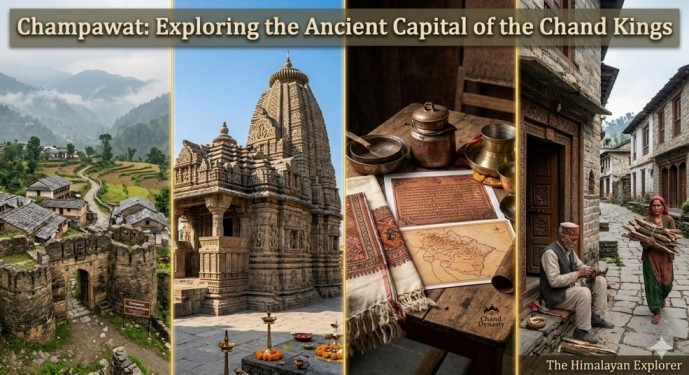
Champawat: Exploring the Ancient Capital of the Chand Kings
Nestled in the serene hills of Champawat, this historic town is one of the most fascinating destinations in the Kumaon region. Known for its ancient temples, mythological legends, and peaceful landscapes, Champawat once served as the capital of the powerful Chand Dynasty. This will take you through the town’s history, must-visit temples, scenic spots, and travel tips. If you are looking for a place where spirituality meets nature, Champawat is a perfect choice. If you’re planning to explore more of Kumaon, don’t miss this detailed Kasar Devi travel guide that explains the mystery and beauty of the region. Champawat History and Travel Guide Champawat holds an important place in the history of Uttarakhand. Between the 10th and 18th centuries, it served as the capital of the Chand rulers who shaped the culture and architecture of Kumaon. The region became famous for its beautifully carved temples, especially the ancient Baleshwar Temple, built by the Chand kings. Many temples here display classic stone carvings and intricate architecture that reflect medieval Himalayan craftsmanship. Champawat is also closely linked with the legend of the Champawat Tiger, which was hunted by legendary hunter Jim Corbett in 1907. Because of this rich heritage, the town is now an important destination in the Champawat Tourism Guide for travellers exploring Kumaon. Why Visit Champawat? Champawat offers a unique combination of history, spirituality, and nature. Compared to crowded hill stations, the town remains peaceful and authentic. Reasons travellers love visiting Champawat: For travellers seeking a culturally rich yet calm destination, Champawat is an ideal getaway. Things to Do in Champawat Uttarakhand 1. Visit Baleshwar Temple The Baleshwar Temple is the most famous attraction in Champawat. Built in the 12th century, this temple dedicated to Lord Shiva showcases stunning stone carvings and intricate temple architecture. Visitors admire the detailed sculptures and peaceful atmosphere surrounding the temple complex. 2. Seek Blessings at Kranteshwar Mahadev Temple Located on a hilltop, the Kranteshwar Mahadev Temple offers breath-taking views of the valley. The temple is dedicated to Lord Shiva and is an important pilgrimage site for locals. A short trek leads to the temple, making the visit both spiritual and adventurous. 3. Explore Purnagiri Temple One of the most sacred pilgrimage sites in the region is the Purnagiri Temple. It is considered one of the important Shakti Peeths and attracts thousands of devotees every year. The temple is especially crowded during the Navratri festival. 4. Visit the Champawat Tea Gardens Champawat is home to beautiful tea plantations that resemble the famous estates of Darjeeling. Walking through these lush green gardens offers a refreshing experience for nature lovers. The cool mountain air and peaceful surroundings make it a perfect place for photography and relaxation. 5. Explore Nearby Hill Destinations Champawat also acts as a gateway to several scenic destinations in Kumaon. Popular nearby places include: These places can easily be visited on a short trip from Champawat. For more ancient temple experiences, you can also explore the Katarmal Sun Temple travel guide, one of the oldest sun temples in India. Best Time to Visit Champawat The best time to visit Champawat is from March to June and October to November. During these months, the weather remains pleasant and ideal for sightseeing, temple visits, and exploring nearby hill destinations in the Kumaon region. Spring and Summer (March – June) Spring and early summer are considered the most comfortable seasons to explore Champawat. Temperatures usually range between 15°C and 28°C, making it perfect for outdoor activities. Visitors can enjoy clear views of the Himalayan landscape, explore historical sites like the Baleshwar Temple, and visit nearby hill towns such as Lohaghat and Abbott Mount. Monsoon (July – September) The monsoon season brings heavy rainfall to the region. The hills become lush green and scenic, but landslides and slippery roads may affect travel plans. However, nature lovers may still enjoy the fresh atmosphere and beautiful landscapes during this season. Autumn and Early Winter (October – November) Autumn is another excellent time to visit Champawat. The skies are clear, and the weather is cool, usually between 10°C and 22°C. This season is perfect for photography, temple visits, and peaceful nature walks. Winter (December – February) Winters in Champawat are cold, with temperatures sometimes dropping to 5°C. While snowfall is rare, the chilly climate and misty mountain views create a calm and quiet travel experience for those who enjoy winter destinations. How to Reach Champawat Champawat is well connected to major cities in North India by road, rail, and air. Located in the scenic Kumaon region of Uttarakhand, the town can be reached easily through nearby transport hubs. By Air The nearest airport to Champawat is Pantnagar Airport, located about 160 km away. This airport connects to major cities like Delhi. From Pantnagar, travellers can hire a taxi or take a bus to reach Champawat. The road journey usually takes 5–6 hours through the beautiful hills of Kumaon. By Train The closest railway station is Tanakpur Railway Station, around 75 km from Champawat. Tanakpur has train connections to cities like Lucknow and Delhi. From Tanakpur, taxis and local buses are easily available for the scenic drive to Champawat. By Road Champawat has good road connectivity with several towns in the Kumaon region. Regular buses and taxis operate from nearby cities such as: Traveling by road is one of the most scenic ways to reach Champawat, offering beautiful views of forests, valleys, and Himalayan landscapes along the route. Nearby Places to Explore from Champawat Champawat is surrounded by beautiful hill towns, spiritual sites, and scenic viewpoints in the Kumaon region of Uttarakhand. These destinations are perfect for short day trips and add more adventure to your Champawat Tourism Guide. 1. Lohaghat Located about 14 km from Champawat, Lohaghat is a peaceful hill town known for its natural beauty and cool climate. Surrounded by pine forests and mountain views, it is an ideal place for nature walks and relaxing escapes. It is also the gateway to several attractions such as Abbott Mount
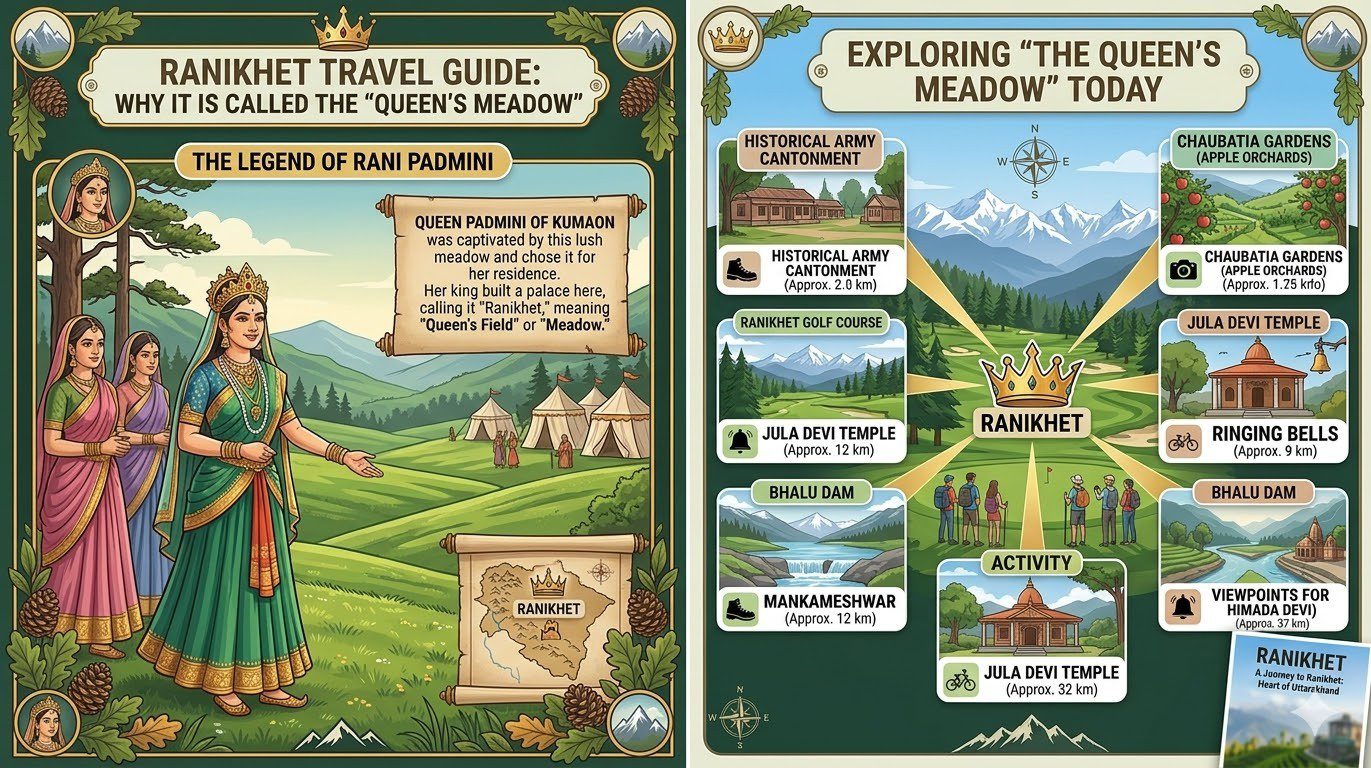
Ranikhet Travel Guide: Why it is Called the “Queen’s Meadow
If you are searching for a peaceful Himalayan getaway, this Ranikhet Travel Guide will introduce you to one of Uttarakhand’s most charming hill stations. Known for its lush meadows, pine forests, and stunning mountain views, Ranikhet is often called the “Queen’s Meadow.” Located in the Almora district, this beautiful destination offers a mix of nature, history, and adventure. In this Ranikhet Uttarakhand Travel Guide, you will learn about the best attractions, activities, and travel tips to plan your perfect trip. Why Ranikhet Is Called the “Queen’s Meadow” The name Ranikhet comes from two Hindi words: “Rani” (Queen) and “Khet” (Meadow). According to local legend, Queen Padmini visited this region and fell in love with its lush green meadows and scenic beauty. Impressed by the peaceful surroundings, the king decided to build a settlement here, which later became known as Ranikhet. Even today, visitors can see why this hill station earned the name Queen’s Meadow. Things to Do in Ranikhet Visitors can enjoy many experiences while exploring this charming hill station. 1. Visit Chaubatia Gardens One of the most popular attractions is Chaubatia Gardens. The garden is famous for apple orchards and panoramic Himalayan views. Visitors can enjoy peaceful walks while admiring the surrounding mountain scenery. 2. Explore Jhula Devi Temple The ancient Jhula Devi Temple is one of the most sacred places in the region. The temple is known for thousands of bells offered by devotees whose wishes were fulfilled. 3. Walk Through Pine Forests The quiet pine forests around Ranikhet are perfect for nature walks. The fresh mountain air and scenic landscapes make it one of the most relaxing things to do in Ranikhet. 4. Visit the Kumaon Regimental Centre Museum History lovers should explore the Kumaon Regimental Centre Museum. The museum showcases the proud history of the Kumaon Regiment. 5. Enjoy Golf at Upat Golf Course The Upat Golf Course is one of the highest golf courses in Asia. Surrounded by forests, it offers a unique golfing experience. Best Time to Visit Ranikhet The best time to visit Ranikhet is from March to Juneand September to November, when the weather is pleasant and the views of the Himalayas are clear. During these months, visitors can enjoy sightseeing, nature walks, and outdoor activities comfortably. The cool mountain air and scenic landscapes make it an ideal escape from city life. Spring & Summer (March – June) This is one of the most popular times to visit Ranikhet. The temperature ranges between 10°C and 25°C, making it perfect for exploring gardens, temples, and scenic viewpoints. Monsoon (July – August) Ranikhet becomes lush and green during the monsoon season. While the scenery is beautiful, occasional heavy rains may affect travel plans and outdoor activities. Autumn (September – November) Autumn is another excellent season to visit. The skies are clear, and travellers can enjoy stunning views of Himalayan peaks like Nanda Devi and Trishul. Winter (December – February) Winters in Ranikhet are cold, with temperatures sometimes dropping close to0°C. The town becomes peaceful and occasionally receives light snowfall, making it a great time for travellers who enjoy quiet mountain destinations How to Reach Ranikhet Reaching Ranikhet is quite convenient as it is well connected by road, rail, and air to major cities in North India. Located in the Almora district, this scenic hill station can be easily accessed from popular destinations in Uttarakhand and nearby states. By Road Ranikhet has good road connectivity with major towns like Nainital, Almora, and Haldwani. Regular buses and taxis are available from these cities.Travelers can also drive from Delhi, which is about 360 km away, making it a popular weekend road trip destination. By Train The nearest railway station to Ranikhet is Kathgodam Railway Station, located about 75 km away. From Kathgodam, visitors can hire taxis or take buses to reach Ranikhet. By Air The closest airport is Pantnagar Airport, which is around 110 km from Ranikhet. After arriving at the airport, travelers can take a taxi to reach the hill station. Nearby Places to Explore While visiting Ranikhet, travellers can also explore several beautiful destinations located nearby. These places offer scenic views, peaceful environments, and unique cultural experiences, making your trip to the Kumaon region even more memorable. 1. Kausani Located about 60 km from Ranikhet, Kausani is famous for its breath-taking panoramic views of the Himalayas. Visitors can enjoy stunning sights of peaks like Nanda Devi and Trishul. 2. Almora Almora is a charming hill town known for its cultural heritage, temples, and traditional markets. Travelers can explore local handicrafts and enjoy beautiful views of the surrounding mountains. 3. Nainital Around 60 km away, Nainital is one of Uttarakhand’s most popular tourist destinations. The town is famous for Naini Lake, boating activities, and lively markets on Mall Road. 4. Bhimtal Bhimtal is a peaceful lake destination located near Nainital. Visitors can enjoy boating on Bhimtal Lake and explore the small island located in the centre of the lake. 5. Binsar Wildlife Sanctuary Nature lovers should visit Binsar Wildlife Sanctuary, known for its dense forests and rich biodiversity. It is a great place for bird watching, trekking, and enjoying Himalayan views. Plan Your Perfect Uttarakhand Getaway with Clan Stays Planning your Uttarakhand adventure becomes simple with Clan Stays. We help traveller’s explore scenic hill stations, peaceful villages, and hidden gems across the region. With comfortable stays and well-planned travel experiences, you can enjoy the beauty of the Himalayas without any stress. Let Clan Stays make your Uttarakhand journey smooth, memorable, and full of amazing experiences. FAQs 1. Why is Ranikhet called the Queen’s Meadow? Ranikhet is called the Queen’s Meadow because legend says a queen fell in love with the beautiful green meadows and scenic surroundings of the region. 2. What are the best things to do in Ranikhet? Popular things to do in Ranikhet include visiting Chaubatia Gardens, exploring Jhula Devi Temple, walking in pine forests, and enjoying Himalayan views. 3. What is the best time to visit Ranikhet? The best time to visit
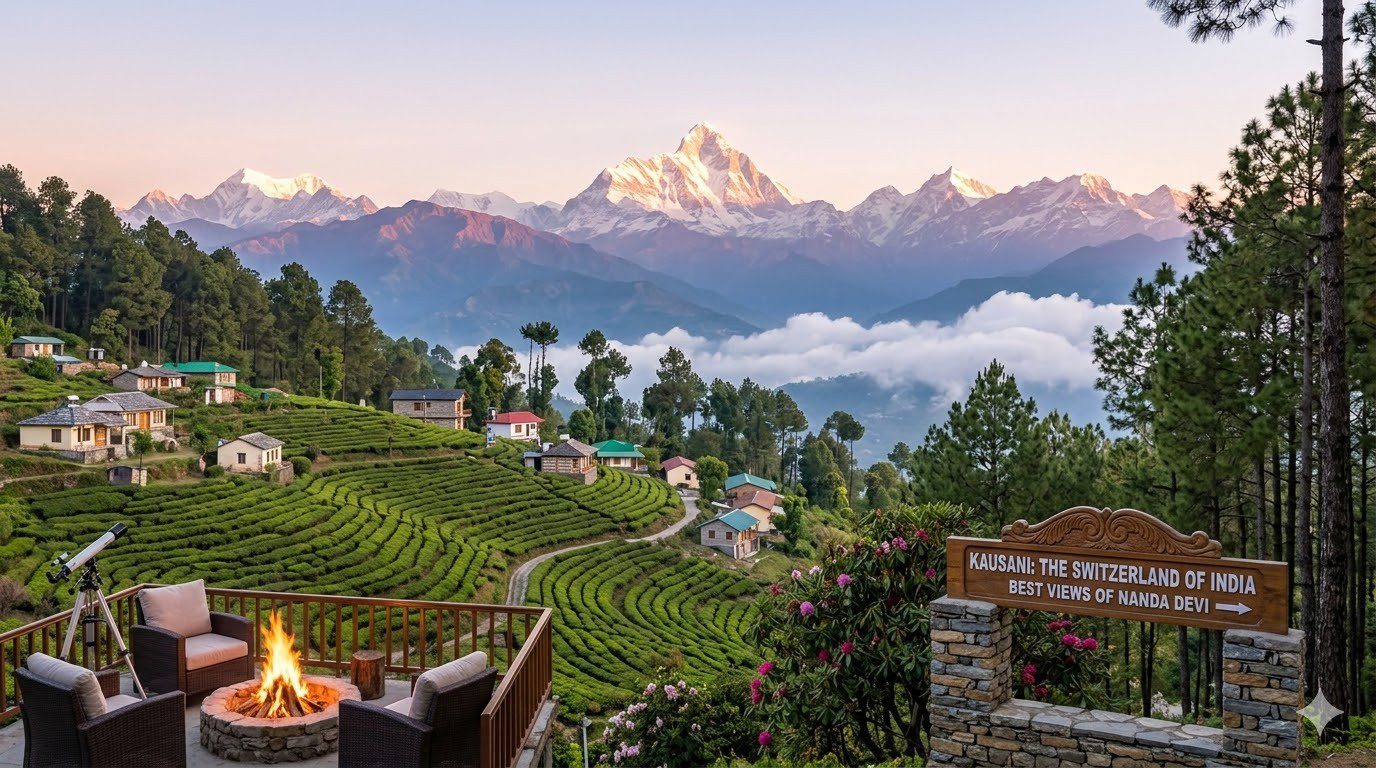
Kausani: The Switzerland of India – Best Views of Nanda Devi
If you dream of peaceful Himalayan views and quiet hill towns, this Kausani Travel Guide is for you. Nestled in the mountains of Uttarakhand, Kausani is famous for its breath-taking landscapes and serene atmosphere. Often called the “Switzerland of India,” Kausani offers panoramic views of majestic Himalayan peaks. Visitors especially come here to witness the best views of Nanda Devi, one of the most stunning mountain peaks in the country. This Kausani Uttarakhand Travel Guide will help you explore the top attractions, activities, and travel tips. If you love exploring peaceful mountain destinations in Uttarakhand, you can also explore beautiful lake destinations like Bhimtal, Sattal, and Naukuchiatal. Why Kausani Is Called the Switzerland of India Kausani earned the title “Switzerland of India” because of its lush green valleys, pine forests, and snow-covered Himalayan views. The town gained global attention when Mahatma Gandhi visited the area in 1929. He was so impressed by its beauty that he compared it to Switzerland. Today, traveller’s visit Kausani to enjoy peaceful mountain landscapes and fresh Himalayan air. Best Views of Nanda Devi from Kausani One of the highlights of visiting Kausani hill station is the breath-taking sunrise over the Himalayas. From Kausani, travellers can see peaks such as: The golden sunrise reflecting on snow-covered mountains is one of the most unforgettable experiences in Uttarakhand Things to Do in Kausani Kausani is a peaceful hill station known for its stunning Himalayan views, tea gardens, and quiet natural surroundings. Visitors come here to relax, explore nature, and enjoy the scenic beauty of the Kumaon region. Here are some of the best things to do in Kausani during your trip. 1. Enjoy Himalayan Sunrise Views Watching the sunrise over the Himalayas is one of the most unforgettable experiences in Kausani. On clear mornings, you can see peaks like Nanda Devi, Trishul, and Panchachuli Peaks glowing in golden light. 2. Visit Anasakti Ashram This peaceful ashram is where Mahatma Gandhi stayed during his visit to Kausani. The place offers beautiful mountain views and a calm atmosphere for meditation and reflection. 3. Explore Kausani Tea Estate Kausani is known for its organic tea gardens. Visitors can walk through the lush plantations, learn about tea production, and enjoy fresh Himalayan tea while admiring the surrounding scenery. 4. Visit Baijnath Temple Located about 16 km from Kausani, this ancient temple complex dedicated to Lord Shiva is known for its beautiful stone architecture and peaceful riverside setting. 5. Take Nature Walks and Photography Tours The forests and scenic landscapes around Kausani are perfect for nature walks and photography. The peaceful environment makes it ideal for travellers who want to relax and connect with nature. Best Time to Visit Kausani The best time to visit Kausaniis between March and June and September to November. During these months, the weather is pleasant and the skies are clear, offering stunning views of the Himalayan peaks. It is the perfect time for sightseeing, nature walks, and enjoying the famous best views of Nanda Devi from Kausani. Spring & Summer (March – June) This is one of the most popular seasons to visit Kausani. Temperatures range between 10°C and 25°C, making it ideal for exploring tea gardens, temples, and scenic viewpoints. Monsoon (July – August) The monsoon season brings lush greenery and fresh mountain air. While the landscapes look beautiful, heavy rainfall can sometimes affect travel plans. Autumn (September – November) Autumn offers some of the clearest Himalayan views, including peaks like Trishul and Panchachuli Peaks. Winter (December – February) Winters in Kausani are cold, with temperatures occasionally dropping close to 0°C. The town becomes peaceful and sometimes experiences light snowfall, making it a great time for travellers who enjoy quiet mountain destinations. How to Reach Kausani Reaching Kausani is quite convenient as it is well connected by road, rail, and air. Located in the Bageshwar district, this scenic hill station can be accessed from major towns in the Kumaon region. By Road Kausani has good road connectivity with nearby cities like Almora, Ranikhet, and Nainital.Regular buses and taxis operate from these towns, making road travel the most convenient way to reach Kausani. By Train The nearest railway station is Kathgodam Railway Station, located about 135 km from Kausani. From Kathgodam, travellers can hire taxis or take buses to reach the hill station. By Air The closest airport is Pantnagar Airport, which is around 170 km away. Taxis and private cabs are available from the airport to reach Kausani. Nearby Attractions While visiting Kausani, travellers can explore several beautiful destinations located nearby. These places offer scenic landscapes, cultural experiences, and stunning Himalayan views, making your trip to the Kumaon region even more memorable. 1. Baijnath Located about 16 km from Kausani, Baijnath is famous for the ancient Baijnath Temple. The temple complex sits beside the Gomti River and is known for its historic stone architecture. 2. Bageshwar Bageshwar is a sacred town where the Saryu River meets the Gomti River. The town is known for temples, scenic surroundings, and its spiritual significance. 3. Ranikhet About 60 km away, Ranikhet is another beautiful hill station known for its green meadows, pine forests, and stunning Himalayan views. It is often called the Queen’s Meadow. 4. Almora Almora is a charming hill town known for its rich culture, traditional markets, and panoramic views of the Himalayas. Visitors can explore local handicrafts and enjoy the peaceful mountain atmosphere. 5. Binsar Nature lovers should visit Binsar Wildlife Sanctuary, famous for its dense forests and breath-taking Himalayan viewpoints. It is a great destination for trekking, bird watching, and nature photography. Discover Uttarakhand the Easy Way with Clan Stays Exploring Uttarakhand becomes simple and enjoyable with Clan Stays. From scenic hill stations to peaceful mountain villages, we help traveller’s experience the best destinations in the region. Our comfortable stays and personalized travel support make every trip smooth and relaxing. With Clan Stays, you can focus on enjoying the beauty of Uttarakhand while we handle the details. FAQ Why is Kausani called the Switzerland
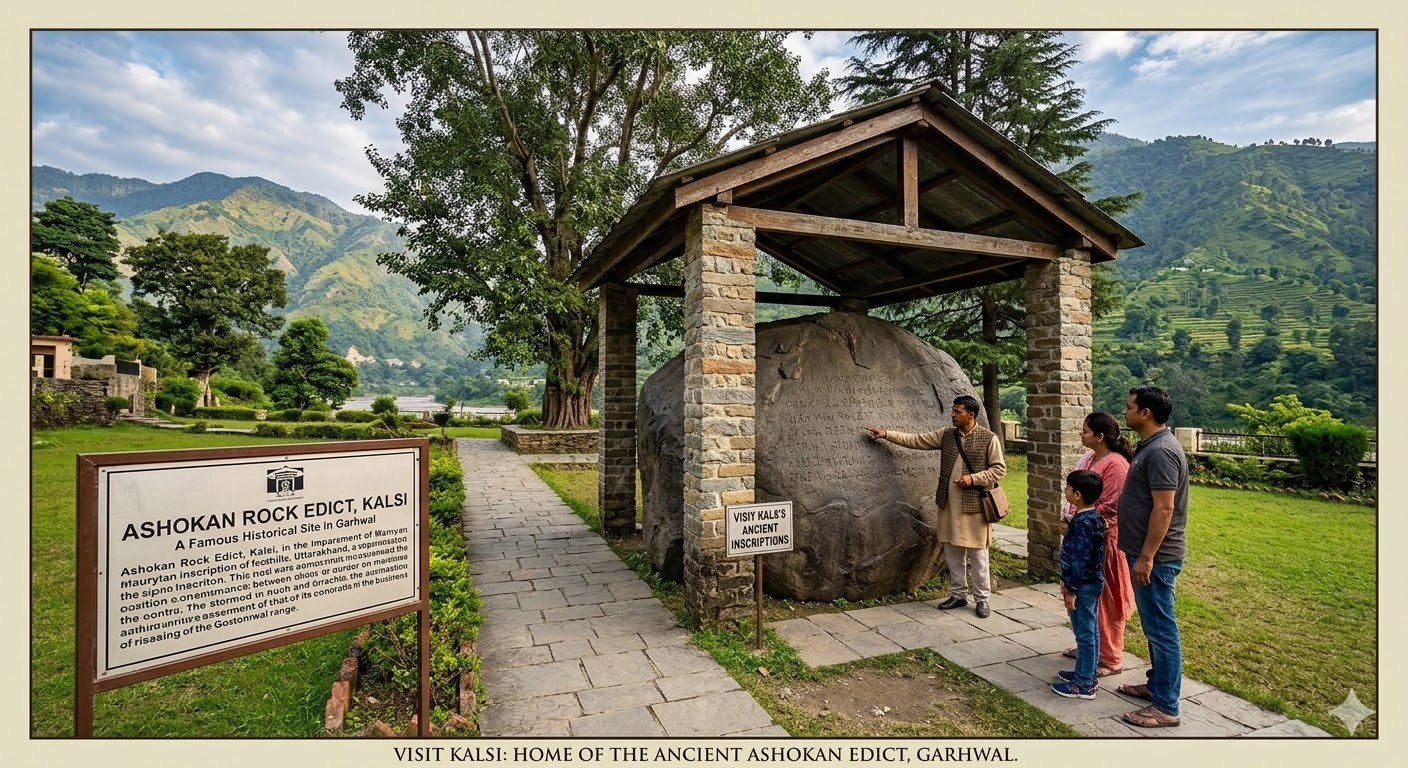
Kalsi Ashokan Rock Edict: Visit the Most Famous Historical Site in Garhwal
Hidden in the scenic hills of Uttarakhand lies one of India’s most fascinating historical treasures — the Kalsi Ashokan Rock Edict. This ancient inscription dates back to the reign of Ashoka the Great, one of India’s most powerful rulers. Located near the small town of Kalsi, the Ashokan Rock Edict Kalsi is the only rock edict of Emperor Ashoka found in Uttarakhand. It provides valuable insight into the Mauryan Empire and Ashoka’s philosophy of peace, morality, and good governance. In this guide, we will explore the history, importance, and travel tips for visiting the Kalsi Historical Site Garhwal. Historical Importance of the Ashokan Rock Edict Kalsi The Ashokan Rock Edict Dehradun holds great historical value because it represents the spread of Ashoka’s teachings beyond the Gangetic plains. After the famous Kalinga War, Emperor Ashoka adopted Buddhism and promoted peace across his empire. The inscriptions found at Kalsi Historical Site Garhwal describe his principles of governance and moral values. What the Edict Teaches The inscriptions highlight several important ideas: These teachings show how Emperor Ashoka tried to build a peaceful and ethical society. Why the Kalsi Historical Site in Garhwal is Special The Kalsi Ashokan Rock Edict is unique for several reasons. Reasons to Visit Because of these reasons, the Ashokan Rock Edict Kalsi is considered one of the most significant heritage landmarks in Garhwal. How to Reach Kalsi Ashokan Rock Edict The Kalsi Ashokan Rock Edict is located in Kalsi, about 44–50 km from Dehradun on the Dehradun–Chakrata road. The site is well connected by road, rail, and air, making it easy for travellers to visit this historic monument. Below is a simple travel guide explaining the best ways to reach the Ashokan Rock Edict Kalsi. 1. By Road Traveling by road is the most convenient way to reach the Kalsi Historical Site Garhwal. Regular buses and taxis are available from Dehradun and nearby towns like Vikasnagar. Many travellers also visit Kalsi while heading to Chakrata, since the site lies on the same route. 2. By Train The nearest railway station is Dehradun Railway Station. After reaching the station, visitors can hire a cab, taxi, or local busto reach Kalsi. 3. By Air The nearest airport is Jolly Grant Airport. From the airport, you can hire a private taxi or cab to reach the Ashokan Rock Edict Dehradun site. Best Time to Visit Kalsi Historical Site Garhwal The best time to visit the Kalsi Ashokan Rock Edict is between October and March, when the weather is cool and comfortable for sightseeing. During this time, travellers can explore the historic monument and enjoy the scenic surroundings of Kalsi without extreme heat. Winter (October – March) Winter is the best season to visit the Kalsi Historical Site Garhwal. The weather remains pleasant, and the clear skies make it ideal for exploring the ancient Ashokan Rock Edict Kalsi and nearby landscapes. Summer (April – June) Summers are slightly warm but still suitable for travel. Morning or evening visits are recommended to comfortably explore the Kalsi Ashoka Edict Uttarakhand and nearby attractions. Monsoon (July – September) The region becomes lush and green during monsoon, but occasional rainfall may affect travel plans. Visitors should check weather conditions before visiting the Ashokan Rock Edict Dehradunduring this season. Nearby Places to Explore After visiting the Kalsi Ashokan Rock Edict, travellers can explore several beautiful attractions located nearby. These places offer a mix of nature, adventure, and scenic landscapes, making the region perfect for a short sightseeing trip. 1. Dakpatthar Barrage Located about 6 km from Kalsi, Dakpatthar Barrage is a peaceful picnic spot built on the Yamuna River. The area is surrounded by greenery and offers beautiful river views, making it a great place to relax after exploring the historical site. 2. Chakrata Around 43 km from Kalsi, Chakrata is a quiet hill station known for its scenic landscapes and cool climate. It is a perfect destination for travellers who love nature and peaceful mountain views. 3. Tiger Falls Tiger Falls is one of the highest waterfalls in Uttarakhand and a popular attraction near Chakrata. The waterfall is surrounded by dense forests and offers a refreshing trekking experience for visitors. 4. Asan Barrage Located about 20 km from Kalsi, Asan Barrage is a beautiful wetland area known for bird watching. It attracts many migratory birds during winter, making it a favourite spot for nature lovers and photographers. 5. Vikasnagar Vikasnagar is a small town located near Kalsi and is known for its markets, local food spots, and access to nearby attractions. Many travellers’ stop here while exploring the Kalsi Historical Site Garhwal region. Why History Lovers Should Visit Kalsi The Kalsi Ashokan Rock Edict is more than just an ancient inscription. It represents an important chapter in Indian history. Plan Your Perfect Uttarakhand Getaway with Clan Stays Planning a trip to Uttarakhand becomes simple and enjoyable with Clan Stays. We help travellers discover the best destinations, comfortable stays, and unique experiences across the region. Whether you are looking for peaceful hill stations, spiritual journeys, or nature adventures, our team ensures a smooth travel experience. With local expertise and personalized service, Clan Stays helps you create unforgettable memories in Uttarakhand. FAQs 1. What is the Kalsi Ashokan Rock Edict? The Kalsi Ashokan Rock Edict is an ancient inscription carved by Emperor Ashoka in the 3rd century BCE that explains his principles of Dhamma. 2. Where is Ashokan Rock Edict Kalsi located? It is located in Kalsi town in Dehradun district of Uttarakhand, about 45 km from Dehradun. 3. Why is the Kalsi Ashoka Edict important? It is historically important because it is the only Ashokan rock edict found in Uttarakhand. 4. What language is used in the Kalsi Ashokan inscription? The inscription is written in Prakrit language using Brahmi script. 5. When is the best time to visit Kalsi Historical Site Garhwal? The best time to visit is October to March when the weather is pleasant for sightseeing.
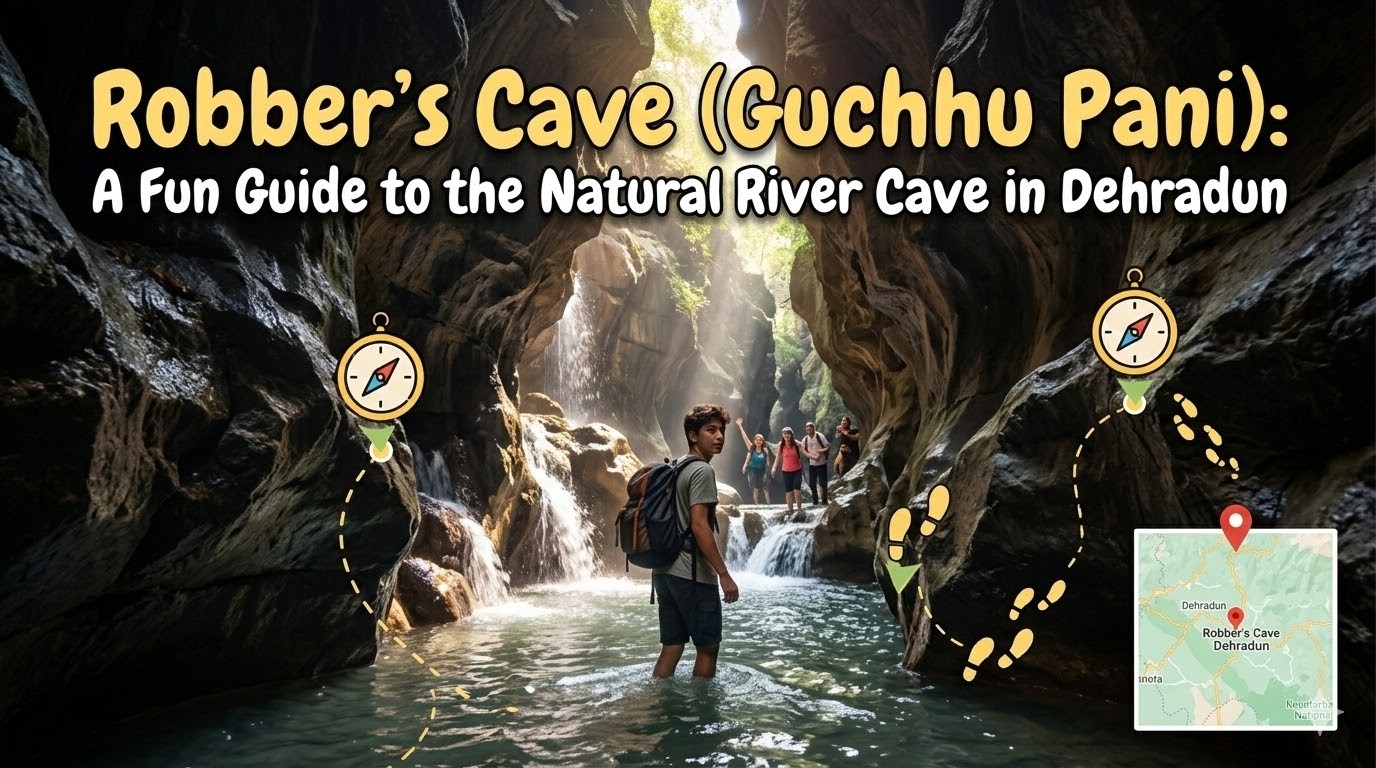
Robber’s Cave (Guchhu Pani): A Fun Guide to the Natural River Cave in Dehradun
If you are planning a trip to Dehradun, Robber’s Cave Dehradunshould definitely be on your list. This natural river cave, also known as Guchhu Pani, is one of the most unique attractions in Uttarakhand. This Robber’s Cave Dehradun Travel Guide will help you understand everything you need to know before visiting. From the best time to visit to things to do, entry fee, and travel tips — this guide covers it all. Whether you are a nature lover, adventure seeker, or someone who simply enjoys exploring hidden natural spots, Robber’s Cave Guchhu Pani Dehradun offers a refreshing and memorable experience. What is Robber’s Cave (Guchhu Pani)? Robber’s Cave, locally known as Guchhu Pani, is a natural cave formation with a flowing river inside it. The cave is about 600 meters long and features cold water streams running between narrow limestone walls. According to local stories, robbers once used this cave as a hiding place from the British authorities, which is why it is called Robber’s Cave. Why Robber’s Cave is Famous Because of its unusual landscape, Robber’s Cave Dehradun Tourist Guide listings always rank it among the top places to visit in Dehradun. How to Reach Robber’s Cave Dehradun Robber’s Cave (Guchhu Pani) is located in Anarwala Village, around 8 km from Dehradun city center. It is well connected by road, rail, and air, making it easy for tourists to visit. Below is a simple travel guide explaining the best ways to reach Robber’s Cave. 1. By Road Reaching Robber’s Cave Dehradun by road is the easiest option. Route:Dehradun → Rajpur Road → Anarwala Village → Robber’s Cave Parking After reaching the parking area, visitors must walk about 1 km through a scenic path to reach the cave entrance. 2. By Train The nearest railway station is Dehradun Railway Station. From the station you can take: 3. By Air The closest airport is Jolly Grant Airport in Dehradun. From the airport you can: Best Time to Visit Robber’s Cave Dehradun The best time to visit Robber’s Cave, also known as Guchhu Pani, is between October and June when the weather is pleasant and ideal for exploring the cave and walking through the cool stream. Since the cave has flowing water inside, visiting during comfortable weather makes the experience much more enjoyable. Season-Wise Guide Summer (March – June)Summer is considered the best season to visit Robber’s Cave Dehradun. The cool water inside the cave provides relief from the heat, making it a perfect natural getaway for tourists. Monsoon (July – September)During monsoon, the water level inside the cave can rise due to heavy rainfall. It is usually not recommended to visit during this time because the flow of water can become strong and slippery. Winter (October – February)Winter is also a great time to visit Robber’s Cave Guchhu Pani Dehradun. The weather remains cool and pleasant, and the area is less crowded compared to summer months. Best Time of the Day For the best experience, try to visit: Visiting early also allows you to explore the cave peacefully and take better photos. Nearby Places to Visit After exploring Robber’s Cave, you can easily visit several beautiful attractions located nearby in Dehradun. These places offer a mix of nature, spirituality, and scenic landscapes, making them perfect additions to your itinerary. 1. Tapkeshwar Temple Located about 6 km from Robber’s Cave, this famous temple is dedicated to Lord Shiva. The temple is built inside a natural cave where water continuously drips onto the Shivling, creating a peaceful spiritual atmosphere. 2. Sahastradhara Sahastradhara, meaning “thousand-fold spring,” is known for its beautiful waterfalls and sulphur-rich water streams. It is a popular picnic and relaxation spot surrounded by hills and greenery. 3. Malsi Deer Park Located around 7 km away, Malsi Deer Park is a small wildlife park where visitors can see deer, peacocks, rabbits, and various birds. It is a great place for families and nature lovers. 4. Mindrolling Monastery About 14 km from Robber’s Cave, this monastery is one of the largest Buddhist centres in India. The peaceful gardens, large Buddha statue, and Tibetan architecture make it a must-visit spiritual destination. 5. Rajaji National Park If you enjoy wildlife and adventure, Rajaji National Park is a fantastic place to explore. Visitors can go on jeep safaris to spot elephants, deer, leopards, and many bird speciesinthe forests of the Shivalik range. 6. Mussoorie Located about 33 km from Dehradun, Mussoorie is one of the most famous hill stations in India. Known as the “Queen of Hills,” it offers stunning mountain views, waterfalls, and lively markets. Why Robber’s Cave is a Must-Visit in Dehradun Here’s why traveller’s love Robber’s Cave Guchhu Pani Dehradun: Unique natural cave with flowing waterPerfect summer getaway spotEasy accessibility from Dehradun cityIdeal for short day tripsGreat for photography and exploration It’s one of the few places in India where you can literally walk inside a river flowing through a cave. Plan a Hassle-Free Uttarakhand Journey with Clan Stays Planning a trip to Uttarakhand becomes easy and stress-free with Clan Stays. From comfortable accommodations to well-planned travel experiences, everything is designed to make your journey smooth and enjoyable. Whether you want peaceful hill station stays or adventure trips, Clan Stays helps you explore the best destinations in the region. With local expertise and personalized service, you can simply relax and enjoy the beauty of Uttarakhand. FAQ Section (FAQ Schema Ready) 1. Why is Robber’s Cave famous in Dehradun? Robber’s Cave is famous for its natural cave structure where a river flows inside narrow rock walls, creating a unique walking experience. 2. What is the entry fee for Robber’s Cave Dehradun? The entry fee is usually around ₹35–₹50 per person, though it may change slightly. 3. How far is Robber’s Cave from Dehradun city? Robber’s Cave is located about 8 km from Dehradun city centre. 4. What is the best time to visit Robber’s Cave? The best time to visit is March to June and October to Februarywhen the weather is pleasant. 5.