
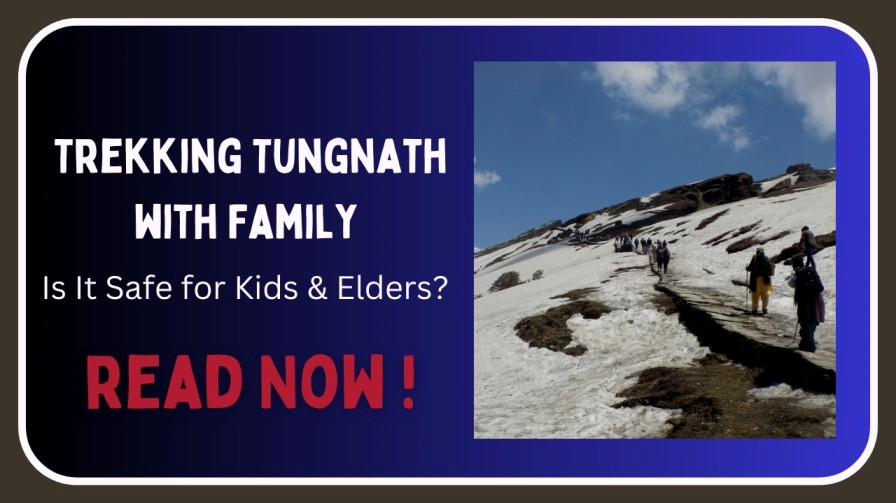
If you are planning a Tungnath trek with family, you are already making a beautiful choice. Tungnath is one of those places where children, parents, and even grandparents can enjoy the same trail together. I have been guiding groups in this region for more than 15 years, and I can say this very confidently — yes, Tungnath is safe for kids and elders, if you plan it properly and choose the right season, pace, and support. In this blog, I’ll explain the Chopta Tungnath trek distance, difficulty, safety for children and senior citizens, how to reach Chopta, package ideas, and practical tips from a local point of view. Why Tungnath is a Great Choice for Families Tungnath is not a very long or risky trek. It starts from Chopta, a small and peaceful hill station in Uttarakhand, often called the Mini Switzerland of India. Here’s why this trek is family-friendly: So, if you are looking for a chopta tungnath trek that parents, kids, and elders can all enjoy together, this is one of the best options in Uttarakhand. Chopta to Tungnath & Chandrashila – Distance, Time and Difficulty Let’s break down the chopta to tungnath trek distance and time in a simple table so you can plan better for your family. Trek Distance & Time Overview Section Distance (One Way) Average Time (One Way) Approx Altitude Difficulty Level Chopta to Tungnath Temple 3.5–4 km 2–3 hours 3,680 m (12,073 ft) Easy to Moderate Tungnath to Chandrashila 1.5 km 1–2 hours 4,000 m (12,960 ft approx.) Moderate Total (Chopta–Tungnath–Chandrashila–Chopta) ~10 km (round trip) 5–7 hours (full day) — Moderate For most families: If you are travelling with small children or older parents, you can plan only Chopta to Tungnath and still enjoy a beautiful and meaningful experience. Is the Tungnath Trek Safe for Kids? Yes, Tungnath is safe for kids, if you plan slowly and don’t rush them. From my experience: Things to Keep in Mind for Kids Kids actually enjoy this trek a lot because: Is the Tungnath Trek Safe for Elders and Senior Citizens? Again, the answer is yes, if the elder person is in reasonable health and you do not rush. In my 15 years of experience, I have seen many people aged 60–75 years complete the chopta tungnath trek happily. Important Points for Elders If elders find walking very difficult, they can consider hiring a pony or palanquin from Chopta (available in season), especially for the steeper sections. Best Time for a Tungnath Trek with Family For families, choosing the right season is very important for safety and comfort. Ideal Seasons Seasons to Avoid with Kids & Elders How to Reach Chopta (Route Overview) Now let’s talk about how to reach Chopta, because that is the starting point of the trek. Most families travel from Delhi, Haridwar, Rishikesh, or Dehradun. By Road This is the most common way. Typical route from Rishikesh / Haridwar:Rishikesh → Devprayag → Srinagar → Rudraprayag → Agastmuni → Ukhimath → Chopta By Train By Air For a family trip, I strongly suggest: Chopta Tungnath Trek Package – What Families Should Expect Many visitors prefer a chopta tungnath trek package instead of managing everything on their own. This is easier for families. Here is a simple idea of what such a package often includes: Typical Inclusions in a Chopta Tour Package Approx Package Types (Per Person) Package Type Inclusions Good For Budget Shared vehicle, basic stay, simple meals, guide Students, budget families Standard Semi-private vehicle, better rooms, good food, guide Most families Premium Private cab, best available rooms/camps, more comfort Elderly parents, couples, small private groups While choosing a chopta tour package, check clearly: Fitness & Preparation Tips for Families You don’t need to be an athlete, but basic fitness helps a lot. For Everyone For Kids For Elders Essential Things to Carry for Tungnath Trek Here is a ready checklist you can use. Clothing Footwear Other Essentials Safety Tips on the Trail Over the years, I have seen that small precautions make a big difference. Remember, in the mountains, reaching safely is more important than reaching quickly. Making the Trek Fun for the Whole Family Tungnath is not only about reaching a temple or summit. It is about the memories you create on the way. Here are a few simple ideas: When you treat the journey as a family picnic with a spiritual purpose, everyone enjoys it more. FAQs – Tungnath Trek with Family 1. Is the Tungnath trek safe for small kids?Yes, the Tungnath trek is safe for kids above 7–8 years if you walk slowly, take regular breaks, and choose the right season. 2. Can senior citizens do the Chopta Tungnath trek?Yes, many senior citizens complete the trek every year. They should have basic fitness, carry medicines, use trekking poles, and start early. If needed, they can use pony services on steep parts. 3. What is the Chopta to Tungnath trek time for families?Most families take around 2.5 to 3.5 hours to reach Tungnath from Chopta, depending on fitness, age, and break time. 4. What is the Chopta to Chandrashila trek distance and time?From Tungnath to Chandrashila, the distance is about 1.5 km one way, and it takes 1–2 hours more. It is better suited for teens and adults than very young kids or elders. 5. Which is the best month for a Tungnath trek with family?For most families, April–June and September–October are the best months, with pleasant weather and safer trail conditions. Final Thoughts – Should You Do the Tungnath Trek with Family? If you are still wondering whether a Tungnath trek with family is a good idea, my answer as a local and a trek leader is: absolutely yes. With the right planning, pace, and season, it becomes one of the most beautiful and safe Himalayan experiences you can share with your loved ones — full of nature, devotion, and togetherness. If you are planning your own chopta tungnath trek package or want a customized chopta tour

Auli Chopta Tour Package From Delhi: Best Time, Route & Perfect Travel Plan
Looking for the ultimate Himalayan adventure without going too far from Delhi? An Auli Chopta tour package from Delhi is exactly what you need. I’ve been organizing trips to these magical destinations for over 15 years, and I can tell you—this combination gives you everything. Snow-covered slopes in Auli, sacred temples in Chopta, stunning mountain views, and treks that will stay in your memory forever. Let me share everything you need to know to plan the perfect trip to these two incredible places in Uttarakhand. Why Combine Auli and Chopta in One Trip? Auli is famous for skiing and stunning views of snow-capped peaks. Chopta, often called the “Mini Switzerland of India,” offers peaceful meadows and access to one of the highest Shiva temples in the world. When you combine these two destinations, you get the best of adventure, spirituality, and natural beauty—all in one travel package to Auli and Chopta. The distance between these places is manageable, the route is scenic, and both destinations complement each other perfectly. Adventure lovers get skiing in Auli, while nature enthusiasts find peace in Chopta’s forests and meadows. Best Time to Visit Auli and Chopta Choosing the right time makes all the difference in your experience. For Snow and Skiing (December to March) If you want to see thick snow, try skiing, and experience winter wonderland vibes, December to March is your season. January and February bring the heaviest snowfall. Auli transforms into a skiing paradise, and Chopta gets covered in white blankets of snow. This is peak winter season, so expect cold temperatures and stunning white landscapes. For Trekking and Pleasant Weather (April to June & September to November) If you prefer comfortable trekking conditions with clear skies and blooming flowers, visit during April to June or September to November. The weather is pleasant, visibility is excellent for mountain views, and the trails are accessible. These months are perfect for the Tungnath-Chandrashila trek without dealing with heavy snow. Avoid Monsoon (July to August) Heavy rains cause landslides and road blockages. The trails become slippery and dangerous. It’s best to avoid this season completely. How to Reach Auli from Delhi There are multiple ways to reach Auli from your starting point in Delhi. By Road (Most Popular Option) The road journey from Delhi to Auli is approximately 500 kilometers and takes about 12-14 hours. Most travelers break the journey by stopping overnight in Rishikesh or Haridwar. Route:Delhi → Haridwar/Rishikesh → Devprayag → Srinagar (Garhwal) → Rudraprayag → Joshimath → Auli You can hire a taxi to Rishikesh from Delhi, which costs between ₹3,500 to ₹6,000 depending on the vehicle type. From Rishikesh, you continue to Joshimath. By Train + Road Take a train from Delhi to Haridwar (several trains available daily). From Haridwar, hire a taxi or take a bus to Rishikesh, then continue by road to Joshimath and Auli. By Air + Road The Rishikesh nearest airport is Jolly Grant Airport in Dehradun, located about 20 kilometers from Rishikesh. You can fly from Delhi to Dehradun, then hire a taxi for the road journey to Auli via Joshimath. How to Reach Chopta Chopta is situated between Rudraprayag and Gopeshwar in the Garhwal region. The distance is approximately 460 kilometers and takes 10-12 hours. The route goes through Rishikesh, Devprayag, Rudraprayag, and Ukhimath before reaching Chopta. There’s no direct public transport to Chopta from Delhi. The best way is to reach Rishikesh first, then hire a taxi or take local buses to Ukhimath, and finally a shared jeep or taxi to Chopta. Important Distances You Should Know Route Distance Travel Time Mode Delhi to Rishikesh 240 km 5-6 hours Road Rishikesh to Joshimath 248-254 km 7-8 hours Road Joshimath to Auli 4.15 km (ropeway) / 12 km (road) 25 min / 40 min Ropeway / Road Rishikesh to Chopta 200 km 6-7 hours Road Chopta to Tungnath 3.5-4 km 2-3 hours Trekking Tungnath to Chandrashila 1.5 km 1-2 hours Trekking Chopta to Tungnath to Chandrashila (round trip) 9-10 km 6-8 hours Trekking Perfect 6-Day Auli Chopta Itinerary from Delhi Day Where You’ll Be What You’ll Do Overnight Day 1 Delhi to Rishikesh Drive to Rishikesh → Evening Ganga Aarti at Triveni Ghat Rishikesh Day 2 Rishikesh to Chopta Drive via Devprayag & Rudraprayag → Reach Chopta → Explore meadows Chopta Day 3 Chopta Trek Day Trek to Tungnath Temple → Continue to Chandrashila Peak → Return to camp Chopta Day 4 Chopta to Joshimath Drive to Joshimath → Visit Narsingh Temple Joshimath Day 5 Joshimath to Auli Take ropeway/drive → Skiing, Artificial Lake, Gorson Bugyal Trek Joshimath Day 6 Return Journey Drive back to Rishikesh/Haridwar → Depart for Delhi Travel Day-by-Day Detailed Itinerary Day 1: Delhi to Rishikesh – Gateway to the Mountains Start early from Delhi and drive to Rishikesh. The journey takes about 5-6 hours on a good road. Once you reach Rishikesh, check into one of the best riverside resorts in Rishikesh. In the evening, attend the famous Ganga Aarti. The Rishikesh Ganga Aarti time morning is between 5:45 AM to 6:30 AM, while the evening aarti happens from 6:00 PM to 7:00 PM at Triveni Ghat. There are several Rishikesh nearby places to visit like Lakshman Jhula, Ram Jhula, and Beatles Ashram if you have extra time. Day 2: Rishikesh to Chopta – Entering the Mini Switzerland After breakfast, start your drive to Chopta. The journey takes about 6-7 hours through beautiful mountain roads. You’ll pass through Devprayag and Rudraprayag. Continue through Srinagar (Garhwal) and Ukhimath before reaching Chopta. Day 3: Chopta to Tungnath and Chandrashila Trek The trek from Chopta to Tungnath is about 3.5 to 4 kilometers. It takes approximately 2-3 hours to reach the temple, depending on your fitness level and pace. The path is well-defined with stone steps in many sections. From Tungnath, if you have the energy, continue the Chopta to Chandrashila trek distance of another 1.5 kilometers. This section is steeper but the summit rewards you with 360-degree Himalayan views from 3,960
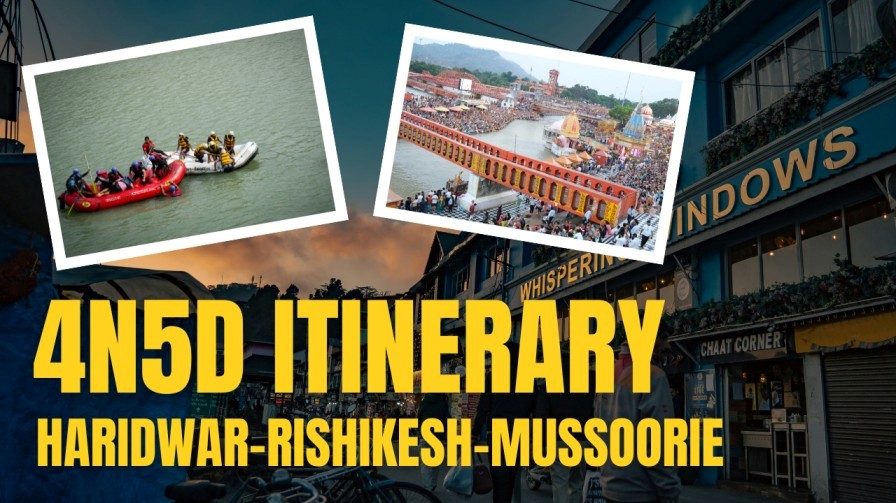
Haridwar–Rishikesh–Mussoorie: Perfect 4N/5D Uttarakhand Itinerary
Uttarakhand has always been close to my heart, and if you’re planning your first trip here, let me share the perfect route with you. This Haridwar Rishikesh Mussoorie itinerary for 4 nights and 5 days covers everything in one beautiful journey. You’ll experience holy ghats, river adventures, peaceful temples, and cool mountain air—all in a single trip. Why This Route Works So Well Starting from the spiritual city of Haridwar, moving into the adventure-filled valleys of Rishikesh, and ending in the serene hills of Mussoorie makes perfect sense.Each destination is just a short drive away, so you spend less time traveling and more time enjoying your trip. Getting There The best way to start this itinerary is by flying to Dehradun. Jolly Grant Airport is the nearest airport, located about 38 km from Haridwar. The drive takes around 45 minutes to 1 hour. If you prefer trains, Haridwar Railway Station is very well connected to Delhi, Mumbai, Lucknow, Kolkata, and other major cities. Your Day-by-Day Journey Day Morning Afternoon Evening Day 1 Arrive in Haridwar, hotel check-in Visit Har Ki Pauri Attend Ganga Aarti Day 2 Visit hilltop temples Explore local markets Relax Day 3 Drive to Rishikesh Visit beach, walk across bridges Enjoy river views Day 4 Mountain temple visit Adventure activities Evening Aarti Day 5 Drive to Mussoorie Mall Road, gardens Departure Day 1: Arrival in Haridwar – Divine Beginnings Places to Visit at Haridwar Start your journey by reaching Haridwar in the morning. After checking into your hotel, head straight to Har Ki Pauri, the most sacred ghat in Haridwar. This is where Lord Vishnu is believed to have left his footprint. Next, visit Mansa Devi from Haridwar, one of the most Known temples in the city. The temple is located on Bilwa Parvat and can be reached by ropeway or a 3-kilometer trek. Devotees tie threads here to make wishes, and return to untie them once their wishes are fulfilled. In the evening, attend the world-famous Ganga Aarti at Har Ki Pauri. The sight of hundreds of divas floating on the river with devotional songs in the background is unforgettable. Where to Stay: Choose hotels near Har Ki Pauri for easy access to the ghats and temples. Day 2: Haridwar Temple Trail Haridwar Chandi Devi Temple On Day 2 of your journey, wake up early and visit the Haridwar Chandi Devi Temple. This temple is situated on Neel Parvat in the Shivalik Hills and was built in 1929 by King Suchat Singh of Kashmir. The main idol is believed to have been installed in the 8th century by Adi Shankaracharya. You can reach the temple via a 3-kilometer trek or take the ropeway (Udan Khatola) which offers stunning views of Haridwar and the Ganges River. It is considered a Siddh Peetha where wishes are believed to come true. After the temple visit, explore the local markets of Haridwar. You can buy religious items, local handicrafts, and Ayurvedic products. Try local street food like aloo puri, kachori, and chole bhature. Day 3: Transfer to Rishikesh – Adventure Awaits After breakfast, check out from your Haridwar hotel and drive to Rishikesh (approx. 25 km, 45 minutes). Check into your hotel and get ready for exploration. Head to the famous Rishikesh Goa Beach, a unique white sandy beach on the Ganga River near Lakshman Jhula. This serene spot offers a Goa-like vibe with stunning river views and is perfect for relaxation and photography. You can sit on scattered rocks, dip your feet in the holy water, and enjoy the peaceful surroundings. For accommodation, there are many beautiful resorts in Rishikesh near Ganga like Veda5 Ayurveda & Yoga Retreat (4.6 km from Neelkanth Temple), Aloha on The Ganges, and Yog Niketan by Sanskriti. These resorts offer riverside views, yoga sessions, and Ayurvedic treatments. Visit Lakshman Jhula and Ram Jhula, the iconic suspension bridges. Walk across them and enjoy the views of the Ganga flowing below. Day 4: Rishikesh Temples & Adventure Rishikesh to Neelkanth Distance On Day 4, take a morning trip to Neelkanth Mahadev Temple. The Rishikesh to Neelkanth distance is approximately 12 kilometres from Laxman Jhula and takes about 30-40 minutes by car. The temple is surrounded by dense forests and offers a spiritual experience with beautiful mountain views. After returning to Rishikesh, you can try river rafting on the Ganga (seasonal activity, best from September to June). Visit Beatles Ashram (Chaurasi Kutiya) where the Beatles stayed in 1968 and meditated. In the evening, attend the Ganga Aarti at Triveni Ghat or Parmarth Niketan. The atmosphere here is divine and peaceful. Day 5: Journey to Mussoorie – The Queen of Hills On your final day, check out early and drive to Mussoorie (approx. 75 km from Rishikesh, 2.5 hours). Once you reach, visit the Mussoorie Company Garden, also known as Municipal Garden. This beautiful garden is open from 6:00 AM to 6:00 PM (some sources say 9 AM to 8 PM) with an entry fee of just INR 18. You can also enjoy boating here for INR 75. Walk along the famous Mall Road, shop for woolens and souvenirs, and enjoy local food. Visit Gun Hill by ropeway for panoramic views of the Himalayas. If time permits, visit Kempty Falls (15 km from Mussoorie). If you have extra time, you can make a quick trip to Dhanaulti. The Mussoorie to Dhanaulti distance is approximately 35 kilometers and takes 2 hours by car. Dhanaulti is a peaceful hill station with Eco Park and Surkanda Devi Temple. It’s an ideal place to visit near Mussoorie for nature lovers. When Should You Go? The best time for this itinerary is September to June. Quick Tips from My Experience Frequently Asked Questions How many days do I really need for these three places? Four nights and five days is perfect. You won’t feel rushed, and you’ll have enough time at each destination. Some people try to do it in 3 days, but then you’re just traveling and not enjoying. What’s the
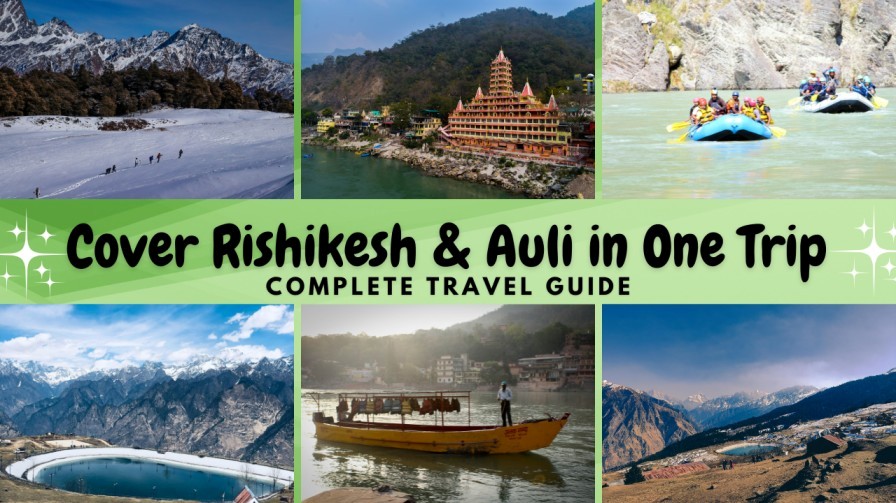
How to Cover Rishikesh & Auli in One Trip: Complete Travel Guide
If you’re dreaming of combining adventure, spirituality, and snow-covered mountains in a single journey, then this guide on covering the Rishikesh to Auli distance is exactly what you need. With pristine rivers in Rishikesh and white slopes in Auli, this Uttarakhand combo is one of India’s most rewarding road trips. Whether you’re planning an adventure vacation, a relaxing family holiday, or a winter skiing trip, this route offers something for everyone. Why Combine Rishikesh & Auli in One Trip? Rishikesh and Auli perfectly complement each other. While Rishikesh offers river rafting, yoga, hidden waterfalls, and spiritual experiences, Auli gives you breathtaking snow views, skiing, cable car rides, and serene Himalayan landscapes.Together, they form one of the best tours to Rishikesh and beyond. Rishikesh to Auli Distance Overview The total rishikesh to auli distance is approximately 265 km, and it takes around 8–10 hours depending on traffic and weather. The journey passes through Devprayag, Rudraprayag, Srinagar, Karnaprayag, Chamoli, and Joshimath. Quick Snapshot Route Distance Travel Time Rishikesh → Devprayag → Srinagar → Karnaprayag → Joshimath → Auli ~265 km 8–10 hours This drive is one of the most scenic routes in Uttarakhand, especially during winter and monsoon. Best Time to Travel From Rishikesh to Auli Winter (December–March) Summer (April–June) Monsoon (July–September) Things to Do in Rishikesh Before Heading to Auli 1. Explore Goa Beach & Secret Waterfall Rishikesh One of the most searched hidden gems is the secret waterfall Rishikesh near Neer Garh Falls. It’s perfect for photography and a short hike. 2. Adventure Activities 3. Spiritual Experiences 4. Camping & Yoga Retreats Rishikesh is the yoga capital, offering retreats, riverside stays, and wellness tours. Best Route to Cover Rishikesh to Auli Main Route (Most Preferred): Rishikesh → Devprayag → Srinagar → Rudraprayag → Karnaprayag → Chamoli → Joshimath → Auli Why Choose This Route? Travel Time & Distance Breakdown Segment Distance Time Rishikesh → Devprayag 70 km 2 hrs Devprayag → Srinagar 35 km 1 hr Srinagar → Rudraprayag 33 km 1 hr Rudraprayag → Karnaprayag 32 km 1 hr Karnaprayag → Chamoli 30 km 1 hr Chamoli → Joshimath 50 km 2 hrs Joshimath → Auli 13 km 30 mins Auli Travel Guide: What to Do When You Reach 1. Chair Lift & Ropeway Ride Asia’s longest cable car connects Joshimath to Auli — a must-do activity. 2. Skiing & Snowboarding Auli is India’s top skiing spot. You can book packages or take short courses. 3. Auli Lake A man-made lake offering mesmerising Himalayan views. 4. Trekking 5. Auli Trip From Delhi Many travellers combine:Delhi → Rishikesh → Auli → Chopta → DelhiThis makes a perfect 5–7 day itinerary and matches keywords like auli trip from delhi and auli distance from delhi. 5-Day Rishikesh–Auli Itinerary Day 1: Delhi → Rishikesh Check-in, Ganga Aarti, explore cafes. Day 2: Rishikesh Activities Rafting, bungee jumping, waterfalls. Day 3: Rishikesh → Auli Complete the scenic drive; overnight stay. Day 4: Explore Auli Skiing, cable car ride, Gorson Bugyal trekking. Day 5: Auli → Delhi Return journey via Joshimath, Rudraprayag. Where to Stay in Rishikesh & Auli Rishikesh: Auli: FAQs (Optimized for FAQ Schema) 1. What is the Rishikesh to Auli distance by road? The approximate distance between Rishikesh and Auli is 265 km, taking 8–10 hours by road. 2. Is Auli worth visiting after Rishikesh? Yes! You get adventure activities in Rishikesh and snow landscapes in Auli — a perfect combination. 3. What is the best time to visit Auli? December to March for snow, and April to June for pleasant weather and trekking. 4. Can beginners do skiing in Auli? Yes, Auli offers beginner-friendly slopes and certified instructors. 5. Is it safe to drive from Rishikesh to Auli? Yes, the route is safe except during heavy monsoon. Winter drives need caution due to snow. Conclusion Covering Rishikesh and Auli in one trip offers the perfect blend of spirituality, adventure, snow, and scenic beauty. Whether you’re planning an adventure getaway, a family trip, or a photography tour, this route is ideal for all travellers. Start your journey by exploring Rishikesh’s beaches, waterfalls, and activities — and end it with Auli’s breathtaking Himalayan views and winter charm. Ready to plan your trip? Check out the best Uttarakhand travel packages by Clanstays!
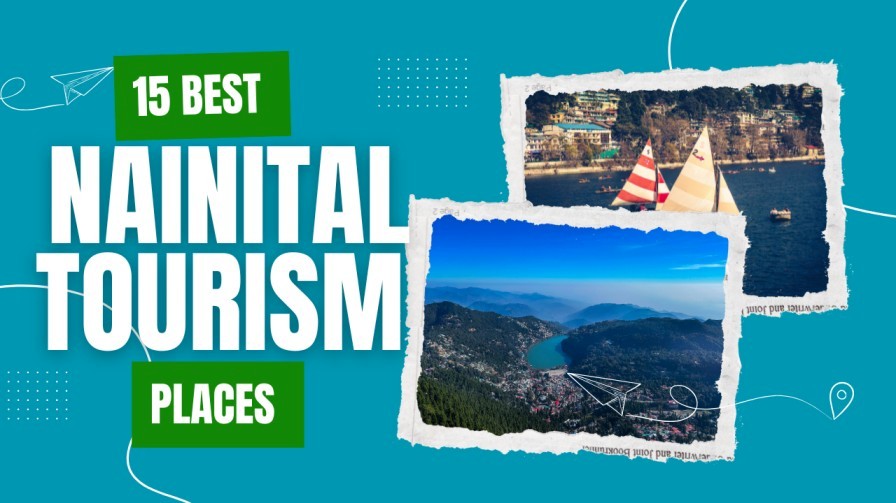
15 Best Nainital Tourism Places to Visit in 2026
Nainital, often called the ‘Lake District of India’, is a charming hill station in Uttarakhand, if you’re planning a trip to Uttarakhand, exploring the best Nainital tourist places should be your top priority. With its scenic lakes, panoramic viewpoints, lively markets, and charming hidden spots, Nainital offers something for every kind of traveller From classic attractions to offbeat gems, here are the top tourist places in Nainital you shouldn’t miss on your next trip. Why Visit Nainital? Nainital is the perfect hill station for anyone looking to relax and enjoy nature. Surrounded by peaceful lakes, green hills, and stunning viewpoints, it offers a refreshing escape from busy city life. From boating on Naini Lake to exploring vibrant markets and enjoying adventure activities, there’s something for every traveller. Nainital’s calm weather, beautiful landscapes, and friendly atmosphere make it a must-visit destination for families, couples, and solo travellers alike. Naini Lake Naini Lake is the heart of Nainital, located right in the town centre. Surrounded by green hills, it is perfect for relaxing and enjoying nature. The calm water reflects the sky and mountains, making it a beautiful spot for photos. People visit to enjoy boating, peaceful walks, and the serene atmosphere. Bhimtal Lake Bhimtal Lake is about 22 km from Nainital and is larger and quieter than Naini Lake. Surrounded by hills and greenery, it is perfect for a peaceful day away from the busy town. The lake has a small island in the centre, adding to its charm and making it ideal for photography. Visitors come here to enjoy boating, relax by the lakeside, and spend quality time with family or friends. Naina Devi Temple Naina Devi Temple is located near the northern shore of Naini Lake, just 0.5 km from Mall Road. It is a sacred Hindu temple dedicated to Goddess Naina Devi and is considered one of the 64 Shakti Peeths. The temple attracts both devotees and tourists who want to experience its peaceful and spiritual atmosphere. Visitors also enjoy the scenic views of Naini Lake and the surrounding hills while exploring the temple. The Mall Road The Mall Road is Nainital’s main street and is right next to Naini Lake. It’s the best place to walk, shop, and try local food while enjoying views of the lake. You can find souvenirs, woollens, handicrafts, and small cafes along the road. Evening walks are very pleasant as the lights reflect on the lake and create a lively yet relaxed atmosphere. Snow View Point Snow View Point is about 2 km from Nainital town centre and gives a stunning view of the snow-capped Himalayan peaks. You can reach it by a short cable car ride or a small trek, making it suitable for families and adventure lovers alike. Panoramic views of the Himalayas and Nainital town Nainital Zoo (Pt. GB Pant High Altitude Zoo) Nainital Zoo, also called Pt. GB Pant High Altitude Zoo, is about 3 km from Nainital town centre. It is home to many Himalayan animals like snow leopards, Himalayan bears, and Siberian tigers. The zoo is located in a scenic hill area, making it a fun and educational spot for families and wildlife lovers. Visitors can also enjoy walking through the forested paths while spotting various birds and animals. Eco Cave Gardens Nainital Mall Road and is a fun spot for families and kids. It has a series of interconnected caves and hanging gardens built on a hillside. Visitors can explore the caves, enjoy nature walks, and take pictures of the scenic surroundings. It’s a good place to spend a couple of hours, especially with children, for both adventure and sightseeing. Tiffin Top (Dorothy’s Seat) A short trek takes you to the top, where you can enjoy panoramic views of Nainital town and surrounding hills. It’s a peaceful spot for picnics, photography, and spending time in nature away from the crowded areas. Visitors often go in the morning or late afternoon to enjoy the cool breeze and beautiful scenery. Kilbury Bird Sanctuary Kilbury Bird Sanctuary is about 10 km from Nainital and is perfect for nature lovers and bird watchers. It is home to over 200 species of native and migratory birds, along with lush forest trails. Visitors can enjoy peaceful walks, photography, and spotting rare birds in their natural habitat. Raj Bhavan Raj Bhavan in Nainital is the official residence of the Governor of Uttarakhand, located on a hill with beautiful gardens and panoramic views of the surrounding hills. Although entry inside the building is restricted, the outer area offers a perfect spot for relaxation and a short stop during sightseeing. Its colonial architecture and well-maintained gardens make it a unique place to experience Nainital’s charm. Kainchi Dham Kainchi Dham is about 17 km from Nainital and is a serene spiritual retreat nestled amidst lush hills and forests. Established by the revered saint Neem Karoli Baba, the ashram and Hanuman temple attract devotees and visitors seeking peace and spiritual solace. The tranquil surroundings make it perfect for meditation, quiet reflection, and connecting with nature. Visitors come here to attend prayers, explore the ashram, and enjoy the calm mountain environment. • Spiritual retreat and Hanuman temple visit• Meditation and peaceful walks in the ashram grounds• Photography of the scenic hills and temple Hanuman Garhi A short uphill trek or drive leads you to this hilltop temple dedicated to Lord Hanuman. The spot offers breath-taking views of Nainital town and the surrounding mountains. It’s a serene place to enjoy the sunrise or sunset while soaking in spiritual vibes. Visitors often visit early in the morning or during late afternoon for a peaceful experience. Naukuchiatal A short drive from Nainital takes you to this beautiful nine-cornered lake, surrounded by lush hills and forests. It’s perfect for adventure lovers and nature enthusiasts, offering activities like boating, rowing, and paragliding. Visitors often come early morning to enjoy the calm waters and scenic sunrise. St. John in the Wilderness Church Located about 2 km from Nainital Mall Road, this historic

Nanda Devi East Base Camp Trek: Tips for Beginners and Experienced Trekkers
Nanda Devi East Base Camp Trek: Tips for Beginners and Experienced Trekkers the Nanda Devi East Base Camp Trek is one of India’s most exhilarating high-altitude adventures. Nestled in the Garhwal Himalayas, this trek offers breath-taking landscapes, challenging trails, and a close-up view of the majestic Nanda Devi East Peak. Whether you’re a seasoned trekker or a passionate adventure seeker, the Nanda Devi East Trek promises an unforgettable journey. Why Choose the Nanda Devi East Trek? Trekking to Nanda Devi East Base Camp is not just about walking; it’s an experience of nature, culture, and self-discovery. Here’s why it stands out: Nanda Devi East Route Day Route (From Delhi) Distance/Duration Highlights 1 Delhi → Rishikesh → Joshimath 500 km / 12–14 hrs by road/train Scenic drive through Uttarakhand valleys; overnight in Joshimath 2 Joshimath → Lata Village 20 km / 6–7 hrs trek Begin trek; cross forests and small streams; acclimatization starts 3 Lata → Dhakuri 12 km / 5–6 hrs trek First close-up views of Nanda Devi East; alpine landscapes 4 Dhakuri → Nagaru 10 km / 4–5 hrs trek Trek through meadows, small ridges, and mountain streams 5 Nagaru → Base Camp 8 km / 4–5 hrs trek Challenging ascent; glacier approach; panoramic views of Nanda Devi East 6 Base Camp Exploration – Photography, glacier exploration, sunrise/sunset over Nanda Devi East 7 Base Camp → Nagaru → Lata 18 km / 6–7 hrs trek Descent through alpine meadows and forests 8 Lata → Joshimath → Rishikesh → Delhi 500 km / 12–14 hrs by road/train End of trek; return to Delhi Pro Tips: Best Time to Visit Nanda Devi East Trek (Season-wise) Season Months Trail Conditions Pros Cons Spring (Pre-Monsoon) May – June Melting snow, moderate temperatures – Pleasant weather for trekking– Clear views of Nanda Devi East– Blooming alpine flowers Some higher trails may still have snow; early mornings can be chilly Monsoon July – August Heavy rainfall, slippery trails, possible landslides – Lush green landscapes– Waterfalls along the route – High risk of accidents– Restricted access in some zones– Unstable trails Autumn (Post-Monsoon) September – October Clear skies, stable weather, dry trails – Best time for photography– Crisp Mountain views– Safe trekking conditions Nights can be cold; need warm clothing Winter November – February Heavy snowfall, very low temperatures – Snow-covered scenic trails for adventure seekers – Many routes inaccessible– High risk of frostbite and avalanches– Requires advanced mountaineering experience Recommended Time for Trekking For most trekkers, May–June (Spring) and September–October (Autumn) is ideal. These months offer: Nanda Devi East Trek Difficulty Section-wise Difficulty Essential Nanda Devi East Trekking Tips Why This Trek is Perfect for Beginners and Experts FAQs Q1: Is the Nanda Devi East Base Camp Trek suitable for beginners?A: Yes, with proper preparation, beginners can attempt it on guided tours. Q2: How long does the trek take?A: Typically, 7–9 days, depending on acclimatization and pace. Q3: What is the best time to trek?A: May to October offers clear weather and safer trails. Q4: Are permits required for this trek?A: Yes, the area is restricted; permits can be arranged via trekking operators. Q5: What kind of accommodation is available?A: Basic guesthouses and camping options; tents are common near Base Camp. The Benefits of Choosing Clan Stays for Family and Adventure Travel Choosing Clan Stays made our family vacation completely stress-free and enjoyable. From planning the itinerary to booking unique stays, everything was taken care of professionally. The adventure activities were perfectly organized, keeping both kids and adults engaged and safe. We felt supported throughout the trip, and the personalized service made our journey truly memorable. Traveling with Clan Stays gave us peace of mind and allowed us to focus entirely on making wonderful memories.
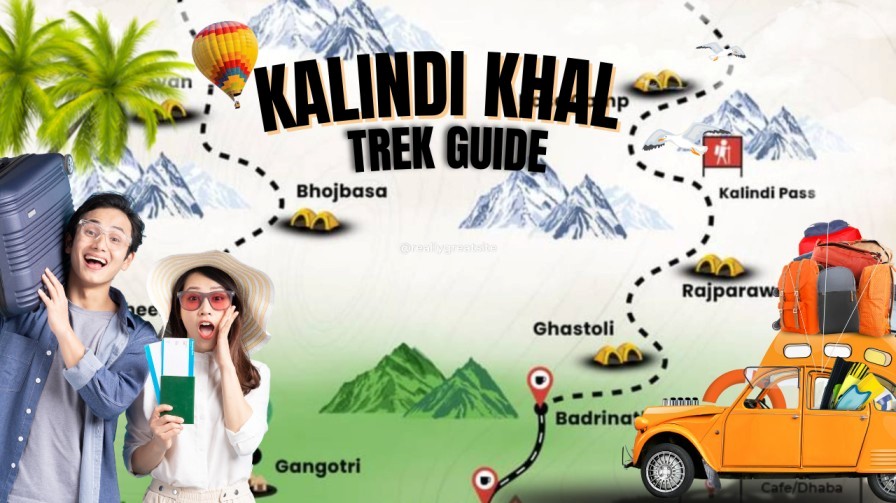
Kalindi Khal Trek Guide, Kalindi Khal Trek
The Kalindi Khal Trek Guide is for trekkers who dream of tackling one of the most extreme high-altitude expeditions in the Indian Himalayas. Known for its raw beauty, glacial crossings, and technical terrain, the Kalindi Khal Trek is often considered the toughest trekking trail in India. If you want a complete breakdown of the Kalindi Khal Trek Route, difficulty level, ideal season, and preparation tips, this guide covers it all in simple, beginner-friendly language. What Makes the Kalindi Khal Trek Special? This legendary trail connects Gangotri in Uttarakhand to Badrinath, crossing the massive Kalindi Pass at 5,947 m. You walk through crevassed glaciers, moraine fields, ice walls, and pristine alpine valleys terrain rarely seen on regular Himalayan treks. Kalindi Khal Trek Route Overview The Kalindi Khal Trek Route from Delhi to Delhi outlines the complete journey starting from Delhi, traveling to Gangotri, crossing the Kalindi Khal Pass, and ending at Badrinath before returning to Delhi. It includes all travel segments, acclimatization days, and high-altitude camps for better planning. The table below offers a clear day-wise breakdown of the entire expedition. Day Route / Activity Distance / Duration Altitude Notes Day 1 Delhi → Dehradun 250 km / 5–6 hrs 430 m Travel by flight/train/bus. Overnight in Dehradun. Day 2 Dehradun → Uttarkashi 170 km / 6–7 hrs 1,165 m Road journey; permits can be arranged here. Day 3 Uttarkashi → Gangotri 95 km / 4–5 hrs 3,100 m Start acclimatization; visit Gangotri Temple. Day 4 Gangotri → Bhojbasa 14 km trek / 5–6 hrs 3,800 m Gradual ascent along the Bhagirathi River. Day 5 Bhojbasa → Gaumukh → Tapovan 9–10 km / 6–7 hrs 4,463 m Gaumukh glacier viewpoint and steep climb to Tapovan. Day 6 Tapovan → Nandanvan 6–7 km / 4–5 hrs 4,500 m Traverse over the Gangotri Glacier. Day 7 Nandanvan → Vasuki Tal 7–8 km / 5–6 hrs 4,800 m Rocky sections and glacier crossings. Day 8 Vasuki Tal → Khara Patthar 6–7 km / 5 hrs 5,100 m High-altitude terrain; gradual but continuous ascent. Day 9 Khara Patthar → Suralaya Glacier / Kalindi Base 5–7 km / 4–5 hrs ~5,400 m Camp before the pass; technical terrain. Day 10 Cross Kalindi Khal Pass (5,947 m) → Raj Parav 10–12 hrs 5,947 m Toughest day; long glacier walks and ropework required. Day 11 Raj Parav → Ghastoli 10–12 km / 6–7 hrs 3,800 m Disconnect from glacier zone; army check post. Day 12 Ghastoli → Mana Village → Badrinath 15 km / 5–6 hrs 3,100 m Road connectivity starts at Mana. Day 13 Badrinath → Joshimath → Rishikesh 300 km / 9–10 hrs 372 m Return journey by road. Day 14 Rishikesh → Delhi 240 km / 5–6 hrs 430 m End of the Kalindi Khal Trek route. Highlights of the Route Kalindi Khal Trek Difficulty The Kalindi Khal Trek Difficulty is rated extremely challenging and is considered one of the toughest high-altitude treks in the Indian Himalayas. The route stays above 5,000 meters for several consecutive days, involves walking on glaciers, navigating deep crevasses, and using technical gear like crampons and ropes. Harsh weather, long trekking hours, and steep ascents demand excellent fitness, strong acclimatization, and prior experience with high-altitude or expedition-style trekking. The Kalindi Khal Trek Difficulty level is extremely challenging and suitable only for experienced trekkers or mountaineers. Why It’s Considered One of India’s Hardest Treks Who Should Attempt This Trek? If you’re new to expeditions, prepare with treks like Audens Col, Pangarchulla Peak, Stok Kangri (if open), or Kedartal. Kalindi Khal Trek Best Season (Season-Wise Breakdown) Understanding the season-wise conditions is crucial for planning the Kalindi Khal Trek, as weather directly impacts glacier stability, visibility, and safety. Here’s a detailed seasonal overview: Summer (May – Early June) Early Monsoon (Mid-June – Mid-July) – Best Season Peak Monsoon (Late July – August) Post-Monsoon (Early September – Early October) – Best Season Late Autumn & Winter (Mid-October – April) Kalindi Khal Trek – 12-Day Itinerary Day Route / Activity Distance / Duration Altitude Description Day 1 Arrive in Gangotri – 3,100 m Acclimatization, permit check, rest before the trek. Day 2 Gangotri → Bhojbasa 14 km / 5–6 hrs 3,800 m Trek along the Bhagirathi River via Chirbasa and rugged trails. Day 3 Bhojbasa → Gaumukh → Tapovan 9–10 km / 6–7 hrs 4,463 m Visit Gaumukh glacier, then climb steep sections to Tapovan. Day 4 Tapovan → Nandanvan 6–7 km / 4–5 hrs 4,500 m Traverse the Gangotri Glacier over rocks and ice. Day 5 Nandanvan → Vasuki Tal 7–8 km / 5–6 hrs 4,800 m Gradual ascent to a scenic high-altitude lake surrounded by peaks. Day 6 Vasuki Tal → Khara Patthar 6–7 km / 5 hrs 5,100 m Rocky and snowy terrain ideal for acclimatization. Day 7 Khara Patthar → Kalindi Base 5–7 km / 4–5 hrs ~5,400 m Trek to the base of Kalindi Khal Pass (Suralaya Glacier). Day 8 Cross Kalindi Khal Pass → Raj Parav 10–12 hrs 5,947 m (Pass) Toughest day with glacier traverse and ropework. Day 9 Raj Parav → Arwa Valley / Near Ghastoli 10–12 km / 6–7 hrs ~4,000 m Descend from glacier zone to safer terrain. Day 10 Trek to Ghastoli Army Camp 8–10 km / 4–5 hrs 3,800 m Easier terrain with streams and moraines. Day 11 Ghastoli → Mana Village → Badrinath 15 km trek + drive 3,100 m Trek to Mana, then drive to Badrinath. Day 12 Depart from Badrinath – 3,100 m Trip ends; drive toward Rishikesh/Haridwar. FAQs 1. How difficult is the Kalindi Khal Trek? It is one of the toughest Himalayan treks, requiring glacier skills, high-altitude experience, and excellent fitness. 2. What is the best season for the Kalindi Khal Trek? Mid-June to mid-July and early September to early October are the safest and most stable periods. 3. Do I need a guide for the trek? Yes. Due to glacier navigation and crevasse zones, a certified guide is mandatory. 4. How long is the Kalindi
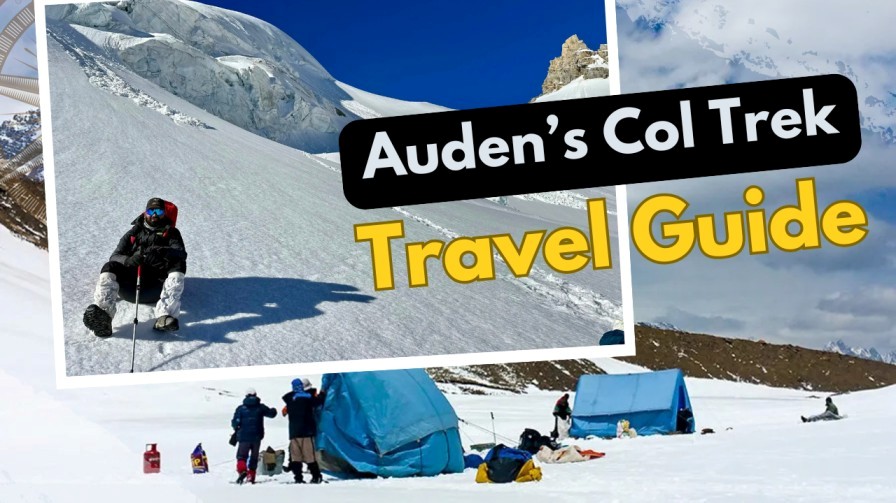
Auden’s Col Trek Itinerary & Experience: Ultimate Travel Guide
The Auden’s Col Trek is one of the most challenging and rewarding high-altitude expeditions in the Indian Himalayas. Connecting the Rudugaira Valley and Bhilangana Valley, this trek offers a mix of glaciers, steep ridges, remote valleys, and breath-taking Himalayan views. In this complete Auden’s Col Trek Guide, you’ll get a detailed Auden’s Col Trek Itinerary, preparation tips, route overview, difficulty level, and insights from real trekking experiences. What Makes the Auden’s Col Trek Special? The Auden’s Col Trek Experience is known for its raw wilderness and technical trails. It’s recommended only for seasoned trekkers with prior exposure to glacier travel. Best Time to Do the Auden’s Col Expedition The best time to do the Auden’s Col Expedition is during late spring to early summer (May–June) and post-monsoon autumn (September–early October). These windows offer stable weather, safer glacier conditions, and clear visibility—crucial for such a technical high-altitude route. May – June (Pre-Monsoon Season) Why chooses this season?Clearer skies, good snow bridges, and smoother ice conditions make this one of the safest times to attempt the pass. September – Early October (Post-Monsoon Season) Why chooses this season? post-monsoon clarity offers the best photography conditions and minimal weather disturbances—perfect for experienced trekkers. Seasons to Avoid July–August (Monsoon) November–April (Winter) Final Recommendation If you want the safest and most enjoyable Auden’s Col Trek Experience, plan your expedition in May–June or September–early October. Auden’s Col Trek Route Overview Day Route Altitude Day 1 Gangotri → Nala Camp 3,760 m Day 2 Nala Camp → Rudugaira Base Camp 4,350 m Day 3 Acclimatization Day — Day 4 Rudugaira BC → Gangotri Base Camp 4,500 m Day 5 Gangotri BC → Auden’s Col Base Camp 4,750 m Day 6 Base Camp → Auden’s Col → Khatling Glacier Camp 5,490 m Day 7 Glacier Camp → Zero Point → Chowki 3,600 m Day 8 Chowki → Masar Tal 4,135 m Day 9 Masar Tal → Vasuki Tal 4,135 m Day 10 Vasuki Tal → Kedarnath 3,583 m Day 11 Kedarnath → Gaurikund 1,982 m This trek demands technical skills, glacier equipment, and an experienced mountaineering guide. Auden’s Col Trek Itinerary (Detailed) Day 1: Gangotri to Nala Camp Start from Gangotri, moving through pine forests and narrow ridges. Easy-moderate ascent. Day 2: Nala Camp to Rudugaira Base Camp A steep climb with stunning views of Rudugaira Peak. Camp on a grassy patch. Day 3: Acclimatization Day Short hikes around the valley to prepare for altitude gain. Day 4: Rudugaira BC to Gangotri BC Walk on moraine fields, with clear views of Gangotri group peaks. Day 5: Gangotri BC to Auden’s Col Base Camp Route becomes trickier with crevasses and snow patches. Day 6: Auden’s Col Crossing The toughest day of the trek. A steep climb to the pass at 5,490 m, followed by a technical descent onto the Khatling Glacier. Day 7: Glacier Camp to Chowki A long glacier walks, requiring crampons and ropes. Reach Chowki, a beautiful meadow. Day 8: Chowki to Masar Tal Steep ascent to a pristine blue alpine lake. Day 9: Masar Tal to Vasuki Tal A scenic yet challenging day with rocky sections. Day 10: Vasuki Tal to Kedarnath Descend into the Kedarnath valley—great place to rest and visit the famous temple. Day 11: Kedarnath to Gaurikund Final descent through a well-paved trail. Auden’s Col Trek Experience: What to Expect The Auden’s Col Trek Experience is raw, challenging, and unforgettable. This is not a regular Himalayan trek—it’s a true expedition that demands fitness, technical skills, and mental strength. Expect long days on glaciers, rugged terrain, and breath-taking mountain views that make every step worth it. 1. Challenging & Technical Terrain You’ll walk across moraine fields, steep ice slopes, crevasse zones, and the massive Khatling Glacier. Crampons, ice axes, ropes, and harnesses are used throughout the high-altitude sections. This makes the trek feel like a real mountaineering experience. 2. High-Altitude Camping Campsites sit between 4,000–5,000 meters, offering stunning sunrise views but extremely cold nights. Expect limited facilities, no network connectivity, and complete silence—perfect for trekkers seeking pure isolation. 3. Long and Demanding Trekking Days Some days, especially the Auden’s Col Pass Crossing, can last 10–12 hours. The climb to the pass at 5,490 meters is steep and tiring, followed by a slow and careful descent onto the glacier. 4. Close-Up Views of Himalayan Giants During the trek, you’ll get unmatched views of Gangotri peaks, Jogin peaks, Kedar Dome, Thalay Sagar, and many more majestic summits. The vast snowfields and sharp ridgelines create a surreal, dramatic landscape. 5. A True Sense of Adventure Because the route is remote and less explored, you won’t meet many trekkers. The isolation, raw terrain, and technical crossings make this one of the toughest and most adventurous Himalayan expeditions in India. Fitness & Preparation Tips Essential Packing List How to Reach from Delhi to Gangotri From / Route Distance (km) Travel Time Notes Delhi → Dehradun 240 km 5–6 hrs (by road) Alternatively, flight: 50–60 min Dehradun → Uttarkashi 145 km 4–5 hrs Mountain roads, scenic route Uttarkashi → Gangotri (trek base) 100 km 4–5 hrs Narrow hilly roads Total Delhi → Gangotri ~485 km 13–15 hrs Combined road/air travel Gangotri → Nala Camp 7 km 2–3 hrs Trek starts here Nala Camp → Rudugaira Base Camp 8 km 4–5 hrs Moderate climb Rudugaira BC → Gangotri BC 7 km 3–4 hrs Slight ascent on moraines Gangotri BC → Auden’s Col Base Camp 8 km 4–5 hrs Steep & rocky trail Base Camp → Auden’s Col Pass → Khatling Glacier Camp 10 km 8–10 hrs Long glacier crossing, technical Glacier Camp → Zero Point → Chowki 8 km 6–7 hrs Alpine meadow trek Chowki → Masar Tal 7 km 4–5 hrs Rocky ascent Masar Tal → Vasuki Tal 6 km 3–4 hrs Moderate trail Vasuki Tal → Kedarnath 9 km 5–6 hrs Steep descent Kedarnath → Gaurikund 16 km 6–7 hrs Final downhill trek Total Trek Distance: 75 km over 10–12 days FAQs 1. How difficult is the Roopkund Trek?
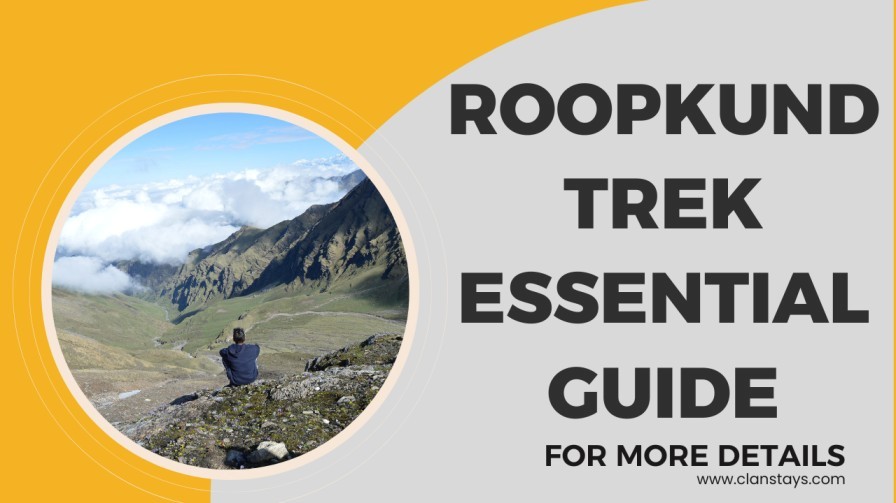
Everything You Need to Know Before Trekking to Roopkund
Planning the Roopkund Trek is unlike preparing for any ordinary hike. With its mysterious Skeleton Lake, alpine meadows, dramatic ridges, and snow-covered trails, it is one of India’s most thrilling high-altitude adventures. This comprehensive Roopkund Trek Guide covers everything you must know—difficulty, preparation, route details, costs, safety tips, and more. Whether you’re a seasoned trekker or stepping into high-altitude trekking for the first time, this guide will help you prepare smartly and trek safely. What Makes the Roopkund Lake Trek So Famous? The Roopkund Lake Trek is one of India’s most intriguing and adventurous high-altitude trails. What sets it apart is its perfect mix of mystery, natural beauty, mythology, and adrenaline—elements that few Himalayan treks offer together. The Mystery of “Skeleton Lake” Roopkund Lake is often called Skeleton Lake because of the hundreds of ancient human skeletons discovered at its bottom.These remains date back nearly 1,200 years, believed to be victims of a sudden, violent hailstorm according to modern research.This eerie discovery continues to attract historians, scientists, and trekkers worldwide. Stunning High-Altitude Alpine Meadows The trek passes through two of India’s most beautiful bugyals (meadows): These vast green carpets offer breath taking 360° views of the surrounding Himalayan peaks. They’re often listed among the most scenic alpine meadows on earth. Close-Up Views of Mighty Himalayan Peaks The trail offers dramatic views of major Himalayan giants, including: For many trekkers, these views alone make the journey worthwhile. Adventure-Packed Terrain The Roopkund Lake Trek features a variety of landscapes in a short span: This diversity makes the trek both exciting and challenging. A Deep Connection to Folk Culture & Mythology Roopkund is closely linked to the Nanda Devi Raj Jat Yatra, a grand pilgrimage that takes place once every 12 years.The trail is lined with stories, local legends, and cultural significance, adding spiritual depth to the journey. Best Time for the Roopkund Trek (Season-Wise Guide) Choosing the right trekking window is crucial for safety, visibility, and overall experience on the Roopkund Trek. Since Roopkund is a high-altitude expedition (5,029 m), weather conditions vary dramatically across the year. Below is a detailed, season-wise breakdown so you can plan perfectly. Spring (March – April) Trekking Status: Not recommended Weather & Conditions Should You Go? No. The route is generally inaccessible and unsafe during early spring. Summer (May – June) Trekking Status: Highly recommended Weather & Conditions Why Trek Now? Monsoon (July – August) Trekking Status: Not recommended Weather & Conditions Should You Go? Definitely NO. Trekking is risky and often restricted. Autumn (September – October) Trekking Status: Peak season Weather & Conditions Why Trek Now? Winter (November – February) Trekking Status: Not possible Weather & Conditions Should You Go? NO. Roopkund remains completely closed in winter. Roopkund Trek Information: Route & Itinerary A standard itinerary span 7–8 days. Below is the most common route followed by trekking groups. Day Route Altitude Day 1 Lohajung 2,300 m Day 2 Lohajung → Didna 2,450 m Day 3 Didna → Ali Bugyal 3,350 m Day 4 Ali Bugyal → Ghora Lotani 3,900 m Day 5 Ghora Lotani → Bhagwabasa 4,600 m Day 6 Bhagwabasa → Roopkund → Return 5,029 m Day 7 Descent to Lohajung — Day 8 Departure — Essential Packing List for the Roopkund Trek Roopkund Trek Tips for First-Time Trekkers Follow these expert suggestions to stay safe and enjoy the trek fully. Safety Tips Altitude Tips Environmental Tips How to Reach Roopkund from Delhi Mode of Transport Route / Nearest Place Distance from Delhi Approx. Travel Time By Road Delhi → Lohajung (trek base) 520 km 12–14 hours By Train Delhi → Kathgodam → Rishikesh → Lohajung 280 km (Delhi to Kathgodam) + 240 km (Kathgodam → Lohajung) 12–14 hours total By Air Delhi → Pantnagar Airport → Lohajung 250 km (by road from Pantnagar) 8–10 hours total Nearest Town for Supplies Joshimath 540 km 12–13 hours from Delhi, then 8–10 hours to Lohajung by road Trek Starting Point Lohajung km (base camp) — FAQs 1. How difficult is the Roopkund Trek? The Roopkund Trek is considered moderate to difficult, requiring good fitness and prior trekking experience. 2. Is Roopkund Lake still accessible? Yes, but accessibility depends on weather and forest department permissions. Always check the latest updates before planning. 3. What permits are required for the Roopkund Trek? You may need local forest permits and a medical fitness certificate. Most trek organizers handle this. 4. What is the best month to do the Roopkund Lake Trek? The best months are May–June and September–October. 5. Is it safe for solo trekkers? Solo trekking is not recommended due to the challenging terrain. Join a trusted trekking group for safety. Why Clan Stays Should Be Your Go-To Travel Partner Choosing Clan Stays as your travel partner ensures a seamless and memorable journey from start to finish. With years of experience in curating personalized travel experiences, they combine safety, comfort, and local expertiseto make every trip stress-free. Whether it’s high-altitude treks, cultural tours, or offbeat destinations, Clan Stays takes care of all logistics so you can focus on enjoying the adventure. Their dedicated team prioritizes customer satisfaction, making them a trusted choice for travellers seeking reliable and hassle-free travel experiences.

Brahmatal Trek Guide for Travelers: Route, Difficulty, Permits & Tips
If you’re dreaming of a winter Himalayan adventure, the Brahmatal Trek is one of the best choices for beginners and seasoned trekkers alike. This Brahmatal Trek Guide covers everything you need to plan your journey—from the route and permits to difficulty level, itinerary, and expert tips. Surrounded by snow-laden forests, frozen lakes, and dramatic views of Mt. Trishul and Nanda Ghunti, Brahmatal promises a magical experience in Uttarakhand’s Garhwal region. Brahmatal Trek Route Overview The Brahmatal Trek Route is one of the most scenic and beginner-friendly winter trails in Uttarakhand. Starting from Lohajung, the trek takes you through dense forests, frozen lakes, and open ridgelines offering panoramic Himalayan views. The route is well-marked and spans 22–24 km over 5–6 days. Standard Brahmatal Trek Route 1. Lohajung → Bekaltal 2. Bekaltal → Brahmatal 3. Brahmatal → Brahmatal Pass → Tilandi 4. Tilandi → Lohajung Route Map Snapshot Section Distance Difficulty Key Highlights Lohajung → Bekaltal 6 km Easy Forest trails Bekaltal → Brahmatal 7 km Moderate Snowfields, Brahmatal Lake Brahmatal → Pass → Tilandi 7–8 km Moderate Summit views Tilandi → Lohajung 4–5 km Easy Village scenery Why This Route Is Ideal for Beginners Brahmatal Trek: Difficulty at a Glance Why Many Trekkers Find It Doable What Adds to the Challenge? The first day climb (Lohajung → Bekaltal) and summit-day ridge climb (towards ~12,250 ft) are the steepest stretches. Who Can Do It – And Who Should Be Cautious? Permit Requirements: Quick Facts for Brahmatal Trek Fitness & Preparation Required Most trek-operators recommend basic fitness levels like: Best Time to Visit Brahmatal Trek Season Months Why It’s Good / What You Get Winter (Snow Trek) December → March Snow-covered trails, frozen lakes (like Bekaltal/Brahmatal), classic “winter wonderland” views — ideal for snow lovers. Spring – Early Summer (Green & Flowering) March → April (sometimes till June) Snow starts to melt, meadows & forests turn green, rhododendrons bloom — a mix of lush nature and milder weather. Autumn / Post-Monsoon September → November / October–November Clear skies, crisp air, good mountain views, fewer rains and pleasant weather — nice for a dry-weather trek. Seasons to Avoid What to Pick: Season Based on Your Goal Brahmatal Trek Itinerary Day Route Highlights Day 1 Lohajung Arrival Acclimatization, gear check Day 2 Lohajung → Bekaltal Forest trails, snow patches Day 3 Bekaltal → Brahmatal Frozen lake, mountain views Day 4 Brahmatal → Summit → Lohajung Panoramic sunrise from the ridge Day 5 Lohajung Departure End of trek Permit Requirements: Quick Facts for Brahmatal Trek Distances and Travel Times Segment / Route Approx. Distance Typical Travel Time* Delhi → Kathgodam (railhead / bus) ~ 280 km ~ 5.5–7 hours by train or bus Kathgodam → Lohajung (base of Brahmatal) ~ 210–220 km ~ 8–11 hours by taxi / shared cab / mountain road transport Delhi → Lohajung (combined) ~ ≈ 490–500 km total ~ 14–18 hours total travel (train/bus + road) depending on connections & road conditions Lohajung → Trek Trail Start (Brahmatal route) 0 km — you start trek from Lohajung itself — (Trek begins after you reach village / stay overnight) Travel times can vary depending on traffic, road/ weather conditions, and mode of transport. FAQs 1. Is the Brahmatal Trek good for beginners? Yes, it’s considered beginner-friendly with manageable trails and moderate altitude. 2. How long is the Brahmatal Trek? Typically, 22–24 km covered over5–6 days. 3. Do I need a guide for the trek? Not mandatory, but highly recommended for winter safety and navigation. 4. When is the Brahmatal Trek the most beautiful? December to February for snow; March–April for blooming forests. 5. Is camping allowed near Brahmatal Lake? Camping near the lake is restricted. Most campsites are set slightly before the lake for environmental protection. Trust Clan Stays to turn your travel dreams into reality. Let Clan Stays handle all the details from hotel bookings and local transport to curated itineraries and on‑ground support, so you don’t have to worry about a thing. We craft each trip to match your style and budget, delivering unforgettable experiences with zero hassle. Whether you’re looking for adventure, relaxation, or a cultural escape, we make sure everything runs smoothly. Trust Clan Stays sit back, relax, and let your travel dreams come alive.