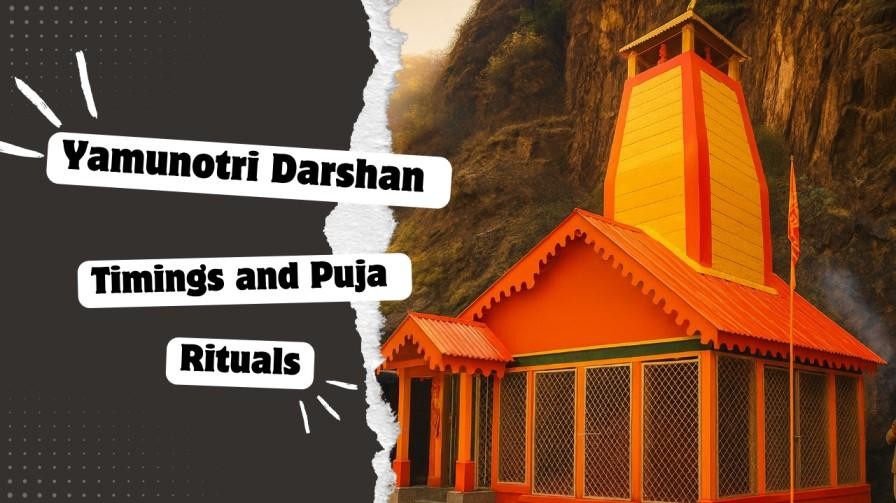
Yamunotri Temple, dedicated to Goddess Yamuna, opens its sacred doors early in the morning for devotees. The temple usually remains open from 6:00 AM to 8:00 PM, with a short mid-day break. The main Aarti and Puja rituals are performed during sunrise and sunset, creating a serene and spiritual atmosphere. Devotees begin their darshan after taking a holy dip in Surya Kund, a natural hot spring near the temple. The temple remains open from May to October, closing during winter due to heavy snowfall. Yamunotri Dham Yamunotri Dham is the sacred place where the holy River Yamuna begins its journey. It is one of the four important temples of the Char Dham Yatra in Uttarakhand. Located high in the Himalayas, Yamunotri is surrounded by snow-covered mountains and peaceful natural beauty. The temple is dedicated to Goddess Yamuna, and visiting it is believed to bring blessings of purity, health, and protection. According to Hindu belief, Yamunotri Dham is dedicated to Goddess Yamuna, daughter of Surya Dev (the Sun God) and sister of Yama (the God of Death). Bathing in the Yamuna River is believed to cleanse sins and protect from untimely death. The sage Asit Muni once lived and meditated here. Legends say that both Ganga and Yamuna appeared near his ashram to bless him, making Yamunotri a place of great spiritual importance and divine purity. Yamunotri Temple Opening and Closing Dates Opening Date Every year, the sacred doors of Yamunotri Temple open on the holy day of Akshaya Tritiya, usually in April or May. As the first rays of the sun touch the Himalayas, priests perform the Mangala Aarti, and the air fills with the sound of conch shells and chants. Around 6:00 AM, the temple welcomes the first devotees of the season, marking the official beginning of the Char Dham Yatra. Nature too seems to celebrate — snow begins to melt, waterfalls regain their flow, and the valley glows with divine energy. It’s not just the temple that opens — it’s the start of countless spiritual journeys. Closing Date As autumn fades into winter, Bhai Dooj (around October or November) marks the closing of the sacred temple. Before sunset, around 4:00 PM, priests perform a heartfelt Aarti, and the goddess is lovingly prepared for her journey to Kharsali Village, her winter abode. The temple doors close with chants and flickering lamps in the cold mountain air. Though the physical path to Yamunotri sleeps under snow, devotion stays alive — every prayer offered in Kharsali keeps the goddess’s presence warm in the hearts of her devotees until spring returns and the journey begins again. Daily Darshan Timings at Yamunotri Temple Every morning, Yamunotri Temple opens its doors around 6:00 AM, welcoming devotees with the soothing sounds of bells and chants. Pilgrims begin their day by offering prayers to Goddess Yamuna amidst the calm beauty of the Himalayas. The temple remains open for darshan through the morning, allowing visitors to seek blessings and perform rituals. Around 1:00 PM, the temple closes for a short break and reopens by 3:00 PM. As evening falls, priests perform the Sandhya Aarti around 7:30 PM, filling the temple with a warm glow of lamps and devotion. By 8:00 PM, the temple closes for the night, leaving behind peace, faith, and the promise of a new day of blessings. Morning and Evening Aarti Schedule at Yamunotri Temple If you plan to visit Yamunotri Temple, try to attend both the Morning and Evening Aarti — they are truly special experiences. The Morning Aarti begins around 6:00 AM, just as the sun rises over the mountains. Priests light lamps and chant prayers to Goddess Yamuna. The calm surroundings, fresh mountain air, and sound of flowing water make it a peaceful start to the day. The Evening Aarti takes place around 7:30 PM, when the temple glows beautifully with oil lamps. The chants and ringing bells fill the valley with divine energy. Many travelers say this is the best time to feel the spiritual power of Yamunotri. The temple closes around 8:00 PM, ending the day with peace and blessings. Major Puja Rituals Performed at Yamunotri Travelers visiting Yamunotri Temple can witness and participate in several sacred pujas dedicated to Goddess Yamuna. Each ritual carries deep spiritual meaning and offers a unique experience for devotees. 1. Yamuna Pujan The Yamuna Pujan is the main ritual dedicated to Goddess Yamuna. Devotees offer flowers, rice, sweets, and holy water while chanting prayers. This puja is performed to seek blessings for purity, peace, and protection. Many travelers perform this puja to begin their Char Dham journey with divine grace. 2. Snan Puja (Holy Bath Ritual) The Snan Puja takes place near Surya Kund, a natural hot spring close to the temple. Devotees take a dip or offer water from the kund before entering the shrine. It is believed that this ritual cleanses the body and soul, washing away sins and preparing the devotee for darshan. 3. Divya Shila Puja Before stepping inside the temple, devotees perform the Divya Shila Puja at a small sacred rock located near the entrance. The Divya Shila symbolizes divine power. Pilgrims offer flowers, pour holy water, and bow in respect before entering the main temple. This ritual represents humility and devotion, reminding travelers to enter the shrine with a pure heart. 4. Surya Pooja (Worship of the Sun God) Since Goddess Yamuna is the daughter of Surya Dev (the Sun God), devotees perform the Surya Pooja to show respect to her divine father. In this ritual, devotees offer water, flowers, and prayers to the rising sun, asking for strength, wisdom, and blessings. The sunlight reflecting off the snow-covered peaks makes this ritual a magical experience. 5. Aarti Rituals The Aarti rituals at Yamunotri take place twice a day — in the morning and evening. During Aarti, priests light oil lamps and chant hymns in praise of Goddess Yamuna. The glowing lamps, the sound of bells, and the gentle mountain breeze create a divine atmosphere. Many travelers