
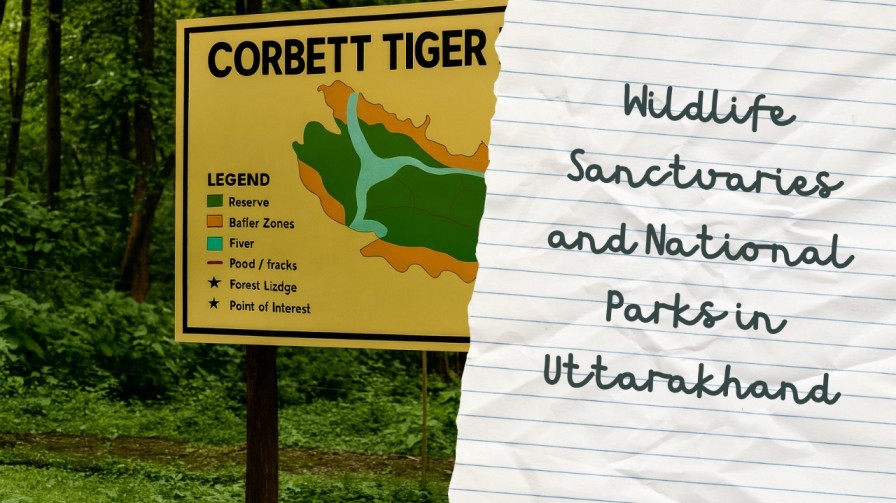
Uttarakhand, often called Devbhoomi or “Land of the Gods,” is not only a spiritual destination but also a paradise for nature and wildlife lovers. Home to majestic tigers, elephants, leopards, and rare Himalayan species, the state’s national parks and sanctuaries offer incredible biodiversity and breathtaking landscapes. Whether you’re a photographer, trekker, or simply a nature enthusiast, this guide to the Best Wildlife Sanctuaries and National Parks in Uttarakhand will help you explore its wild treasures — from the famous Jim Corbett to lesser-known Himalayan reserves. Jim Corbett National Park – India’s Oldest and Most Famous Tiger Reserve Established in 1936, Jim Corbett National Park is not only India’s first national park but also one of the most visited wildlife destinations in the country. Spread across 520 sq. km, it’s home to the Royal Bengal Tiger, Asian elephants, leopards, and over 600 bird species. Visitors can enjoy jeep safaris, canter safaris, and birdwatching tours throughout the year, especially between November and June when most safari zones are open. Rajaji National Park – Where Elephants Rule the Foothills Located near Haridwar, Rishikesh, and Dehradun, Rajaji National Park spans over 820 sq. km and is known for its large elephant population. It forms part of the Shivalik range and offers a mix of forests, rivers, and grasslands that make it ideal for both wildlife safaris and photography. The Park is now part of the Rajaji Tiger Reserve, combining three former sanctuaries — Rajaji, Motichur, and Chilla. It’s one of the few places in North India where you can spot wild elephants and tigers together. Nanda Devi National Park – A UNESCO World Heritage Site Located in the upper Himalayan region of Chamoli district, Nanda Devi National Park is a UNESCO World Heritage Site and part of the Nanda Devi Biosphere Reserve. Enclosed by lofty snow-capped peaks, it offers a stunning blend of natural beauty and high-altitude biodiversity. It is home to rare species like the snow leopard, Himalayan musk deer, and blue sheep (bharal). Due to its fragile ecosystem, access to the inner core is restricted, but treks around the outer region and nearby Valley of Flowers are extremely popular. Valley of Flowers National Park – A Paradise for Nature Lovers Located near Nanda Devi, the Valley of Flowers National Park is one of India’s most scenic destinations. Covered with a vibrant carpet of alpine flowers during the monsoon, this UNESCO-listed park is famous for its rare Himalayan flora and breath-taking meadows. It’s not just about flowers — the park is also home to musk deer, Himalayan tahr, red fox, and several bird species. Trekkers and photographers from around the world visit here between July and September when the valley blooms fully. Govind Wildlife Sanctuary – A Hidden Himalayan Gem Situated in the Uttarkashi district, Govind Wildlife Sanctuary is a hidden gem that covers both dense forests and alpine meadows. It’s part of the Govind Pashu Vihar National Park, which protects endangered species like the snow leopard, Himalayan black bear, and serow. The sanctuary is also the starting point for the Har Ki Dun Trek, one of Uttarakhand’s most scenic trails. Spring and autumn are the best times to explore this remote yet beautiful wilderness. Askot Wildlife Sanctuary – High-Altitude Beauty in Kumaon Located in the Pithoragarh district, near the Indo-Nepal border, Askot Wildlife Sanctuary is perfect for travellers who prefer offbeat, high-altitude experiences. Spread across 600 sq. km, it is home to the Himalayan musk deer, snow leopard, and bharal. The region also offers stunning views of the Panchachuli peaks and is ideal for nature walks and mountain photography. Key Highlights: Binsar Wildlife Sanctuary – Birdwatcher’s Paradise A small but popular sanctuary near Almora, Binsar Wildlife Sanctuary is known for its dense oak and rhododendron forests and stunning Himalayan views. It is home to more than 200 bird species including woodpeckers, eagles, and monals — making it a paradise for birdwatchers. Visitors can also enjoy tranquil forest walks, nature photography, and sunrise views from Zero Point, one of Binsar’s main attractions. Quick Comparison – Top National Parks & Sanctuaries in Uttarakhand Name Location Famous For Best Time to Visit Jim Corbett National Park Nainital Tigers, elephants Nov – Jun Rajaji National Park Haridwar Elephants, leopards Nov – Jun Nanda Devi National Park Chamoli Snow leopards, peaks May – Oct Valley of Flowers Chamoli Alpine flora Jul – Sep Govind Wildlife Sanctuary Uttarkashi Black bears, treks Mar – Nov Askot Wildlife Sanctuary Pithoragarh Musk deer, bharal Apr – Oct Binsar Wildlife Sanctuary Almora Birds, forest walks Oct – Mar Tips for wildlife safari and responsible Travel in Uttarakhand How to Reach – Connectivity and Travel Routes Frequently Asked Questions (FAQs) Q1. Which is the most famous national park in Uttarakhand?Jim Corbett National Park is the most famous and also India’s first national park. Q2. When is the best time to visit wildlife parks in Uttarakhand?The ideal time is from November to June, when weather is pleasant and most safari zones are open. Q3. What animals can I see in Uttarakhand’s sanctuaries?You can spot tigers, elephants, leopards, deer, black bears, and many bird species. Q4. Are safaris available in all national parks?Jeep safaris are offered in Jim Corbett and Rajaji, while guided treks are available in Nanda Devi and Valley of Flowers. Q5. Is it safe to visit wildlife parks with family?Yes, all parks are managed by forest authorities with trained guides ensuring safe and enjoyable experiences. Explore Uttarakhand Wildlife with Clans Stays Uttarakhand is home to some of India’s most stunning wildlife destinations — from the tiger trails of Jim Corbett National Park to the colourful meadows of the Valley of Flowers. With Clans Stays, you can explore the best wildlife sanctuaries and national parks in Uttarakhand through safe, guided, and eco-friendly tours. Experience the thrill of jeep safaris, scenic treks, and peaceful forest stays while discovering the wild beauty of the Himalayas with a trusted local travel expert by your side.
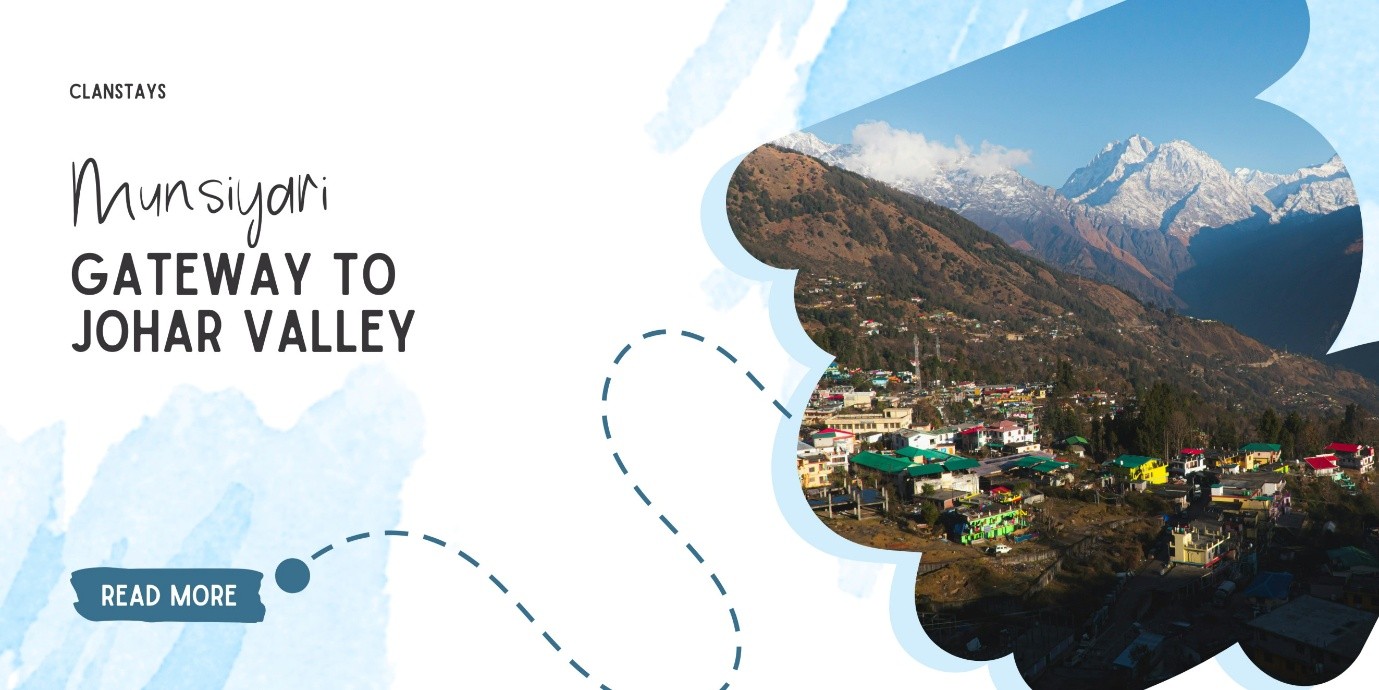
Munsiyari Gateway to Johar Valley
Nestled deep in the Kumaon Himalayas, Munsiyari Gateway to Johar Valley is a hidden treasure for explorers, trekkers, and nature lovers alike. Often called the “Little Kashmir of Uttarakhand”, Munsiyari offers breath-taking views of the Panchachuli Peaks and serves as the entry point to the legendary Johar Valley — once a thriving Indo-Tibetan trade route. This Munsiyari travel guide takes you through everything you need to know about exploring the Munsiyari Johar Valley Uttarakhand, including how to reach, where to stay, what to do, and why this Himalayan gem deserves a top spot on your 2026 travel list. The Charm of Johar Valley The Johar Valley is one of the most stunning and least-explored regions of Uttarakhand. Once inhabited by the Shauka (Johari) tribe, it was famous for wool, salt, and trade with Tibet before borders closed in 1962. Highlights of Johar Valley This is why Munsiyari is known as the “Gateway to Johar Valley” — it’s your entry point to an untouched Himalayan world. What Makes Munsiyari the Gateway to Johar Valley? Location & access Munsiyari sits at an elevation of around 2,298 m in the Pithoragarh district of Uttarakhand. It is located at the entrance to the Johar Valley, which extends along the Goriganga river up to villages like Milam and glaciers beyond. Historical & cultural significance Unique natural environment Therefore, when we speak of “Munsiyari Gateway to Johar Valley”, it well captures the idea of Munsiyari being the entry point to this remote, majestic Himalayan valley. How to Reach Munsiyari Gateway to Johar Valley Munsiyari is well-connected by road, rail, and air through major Uttarakhand hubs like Kathgodam, Almora, and Pithoragarh. By Air – Nearest Airport to Munsiyari The nearest airport to Munsiyari is Pantnagar Airport (approximately 250 km away).From Pantnagar, you can hire a taxi or board a bus to Almora or Pithoragarh, and then continue towards Munsiyari by road. Travel Tip:Dehradun’s Jolly Grant Airport (450 km) is another option for travelers coming from metro cities like Delhi or Mumbai. By Train – Nearest Railway Station to Munsiyari The nearest railway station is Kathgodam (around 275 km), which is well-connected to Delhi, Lucknow, and Dehradun.From Kathgodam, regular shared taxis and buses are available via Almora → Bageshwar → Tejam → Munsiyari. Major Trains to Kathgodam: By Road – The Scenic Himalayan Drive Munsiyari is well-connected by road to major cities of Uttarakhand and northern India. Approximate Distances: Route Distance Time (approx.) Delhi → Almora → Munsiyari 580 km 15–16 hours Nainital → Munsiyari 300 km 9–10 hours Pithoragarh → Munsiyari 125 km 4–5 hours Bageshwar → Munsiyari 132 km 5 hours Bus & Taxi Options: Top Attractions in Munsiyari Gateway to Johar Valley Surrounded by the snow-laden peaks of the Himalayas, Munsiyari Gateway to Johar Valley offers a perfect mix of adventure, nature, and culture. From panoramic viewpoints to ancient temples and peaceful lakes, every corner of Munsiyari feels like a hidden paradise. Here are the top attractions you shouldn’t miss. Panchachuli Peaks Viewpoint Birthi Waterfall Khaliya Top Trek Tribal Heritage Museum (Masterji Museum) Thamri Kund Nanda Devi Temple Milam Glacier Trek Betuli Dhar and Kalamuni Top Best Time to Visit Munsiyari Johar Valley Uttarakhand Timing your visit is crucial to enjoy the beauty of Munsiyari Gateway to Johar Valley and its Himalayan landscapes. Munsiyari Temperature & Season Guide (Quick View) Season Months Avg Temp (°C) Highlights Spring Mar – May 10–20 Blooming flowers, photography Summer Jun – Aug 15–25 Lush greenery, trekking Autumn Sep – Nov 8–18 Clear skies, colourful foliage Winter Dec – Feb -5–10 Snowfall, winter sports Where to Stay in Munsiyari Choosing the right place to stay elevates your entire experience at the Munsiyari Gateway to Johar Valley. You’ll find options ranging from budget‑homestays to mid‑range lodges and boutique resorts. Accommodation types include: Good accommodation areas What to check before booking Sample pricing (for reference) Frequently Asked Questions About Munsiyari · What is the best time to visit Munsiyari?March–June and September–November is ideal for pleasant weather and clear skies. · How do I reach Munsiyari?By road via Almora or Pithoragarh, nearest railway at Kathgodam, nearest airport Pantnagar. · What are the top attractions in Munsiyari?Panchachuli Peaks, Khaliya Top Trek, Milam Glacier, Birthi Waterfall, and Nanda Devi Temple. · Is Munsiyari safe for trekking and solo travellers?Yes, it’s generally safe, but guided treks are recommended for beginners. · What should I pack for a trip to Munsiyari?Warm clothes, trekking shoes, rain gear, and camera are essential. · Are their good accommodation options in Munsiyari?Yes, there are hotels, resorts, and guesthouses for all budgets. · Does Munsiyari receive snowfall?Yes, from December to February, transforming it into a snowy wonderland. · Do I need permits or guides for Johar Valley treks?Guides are recommended, and some treks may require local permits. Why Travelers Prefer Clan Stay in Uttarakhand Clan Stay is ideal for visitors to Munsiyari Gateway to Johar Valley due to its comfort and prime location. It offers easy access to attractions like Panchachuli Peaks and Khaliya Top Trek. Guests enjoy cozy rooms, modern amenities, and free Wi-Fi. The friendly staff assist with treks and sightseeing. It’s perfect for families, couples, and solo travellers.